




Owner-Operators: Selecting for Success
When we caught up with Miles Verhoef, he'd spent the day in Fargo, N.D., looking for - and not finding - the right load for his drop-deck flatbed

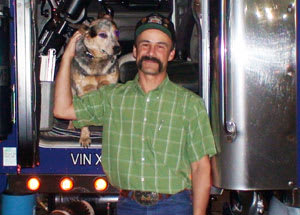
Miles Verhoef, pictured with his dog Trixie, keeps cost down by eating in his truck and using an APU to limit idling.
When we caught up with Miles Verhoef, he'd spent the day in Fargo, N.D., looking for - and not finding - the right load for his drop-deck flatbed.
"I'm a little picky about what I haul," he says.
There's plenty of freight, but much of it doesn't pay enough to cover his costs, much less his profit. "Obviously I'm not going to want to go for a rate that's not going to cover my cost of operation."
It's astonishing to Verhoef how many wanna-be owner-operators don't understand this fundamental or even cost of operation.
This means he spends time sitting, or "bouncing" empty to somewhere he can pick up a good load, but he still sees it as good business.
"It just doesn't make sense to take the profits from one load to basically pay to haul somebody else's load."
Verhoef, 46, learned the trade working as a company driver for 16 years then as a lease driver for five. The leasing gig was sweet, he says. He was the number one outside contractor to a carrier that delivered to mom-and-pop drug stores and Ben Franklin stores in the Great Lakes region.
"The money was good, and I was home every weekend."
Then management decided to get rid of the fleet and instead go with the cheapest transportation they could get.
"They ended up losing about 20% of their customer base," Verhoef says.
The lesson - that you get what you pay for - was a good one to take into the next stage of his career.
In 2003 Verhoef got DOT authority and went out on his own with a 1999 Peterbilt 379.
For a number of years, he hauled refrigerated foodstuffs, at one point adding another tractor and a couple more trailers.
He didn't mind the deliveries in the wee hours of the morning and multiple stops, but he did not like the way he was treated. "You're basically lower than dirt at most of these grocery warehouses."
About a year ago, he bought a flatbed and now hauls a wide mix of cargo, from the occasional steel coil to construction equipment, locomotive parts and, most recently, hay from the upper plains to drought-stricken Texas and Oklahoma.
He keeps his costs down with an APU to limit idling, and he eats most of his meals in the truck. He manages his fuel economy the old-fashioned way: He slows down.
"If I run 70 mph, my mileage is around 5.75 mpg. If I slow down to 60 mph I can increase that to 6.75 mpg. That makes a significant difference, especially when fuel prices go up."
It's hard to manage a surcharge when you're working load-to-load through brokers, he says. "You base your quote on your costs."
His truck is paid for. Although the maintenance costs are slightly higher than a new rig, if he stays on top of them, they're manageable - and there's a big difference in insurance costs.
Verhoef is on the road up to seven weeks in between time home at the family farm about 250 miles north of Billings, Mont. "Between the North Pole and nowhere."
An alternate board member of the Owner-Operator Independent Drivers Association, he keeps up on the rules, maintains his truck and operates safely.
Safety is a lesson he learned early. At 18, he rolled his father's tractor-trailer loaded with 65 head of cattle. "I was going too fast, I didn't have any brakes and I was inexperienced. I totaled Dad's truck and killed 10 cows. It wasn't a good thing.
"But by golly, I've learned a lot since then."
To read more about the new breed of owner-operator, click here.
From the April 2012 issue of HDT.
More Fleet Management
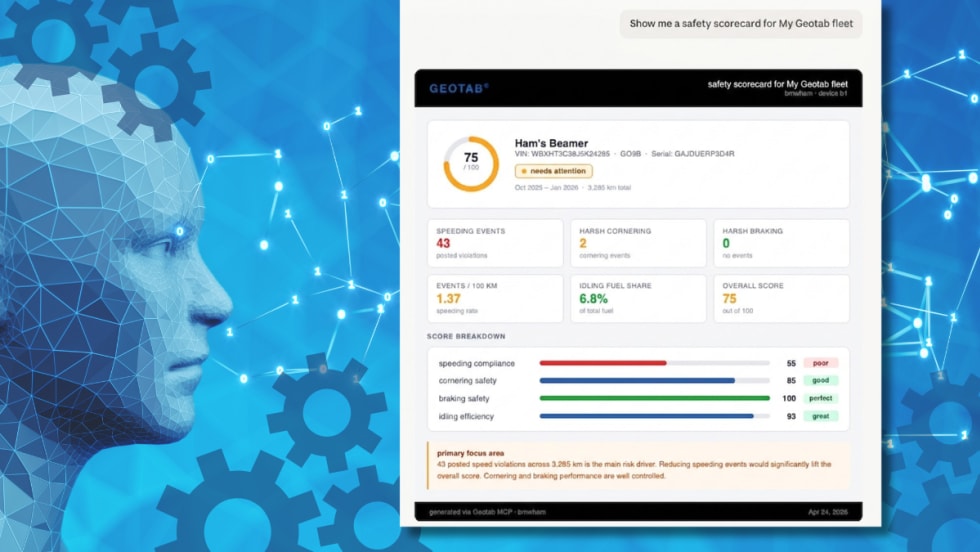
What Geotab's New AI Connector Means for Fleets
Fleets can now ask their usual AI assistants questions about maintenance, safety, fuel use, and vehicle performance, using their live Geotab data, and take action on the answers without leaving their preferred AI tool.
Read More →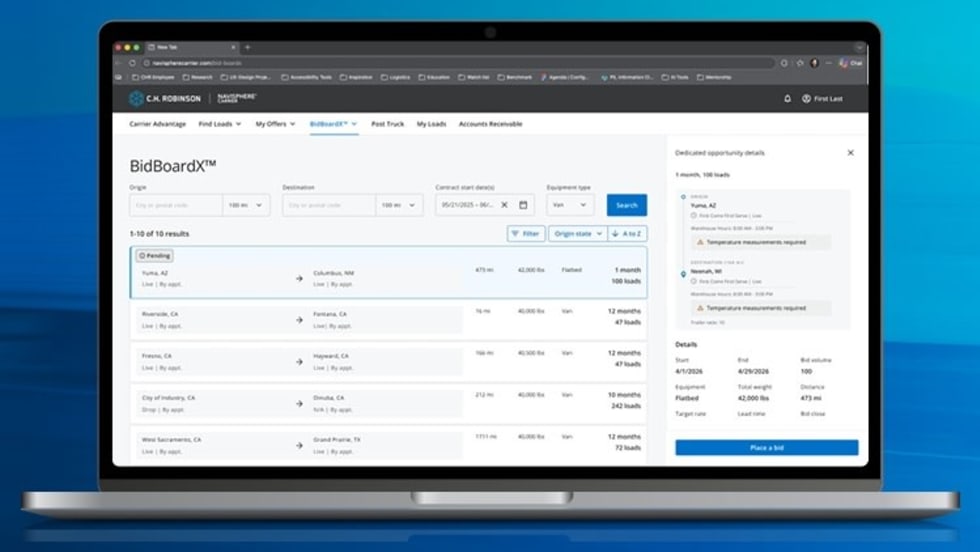
New C.H. Robinson Tool Opens Door to More Predictable Freight
BidBoardX lets carriers search, bid on, and secure committed freight opportunities through a single digital marketplace.
Read More →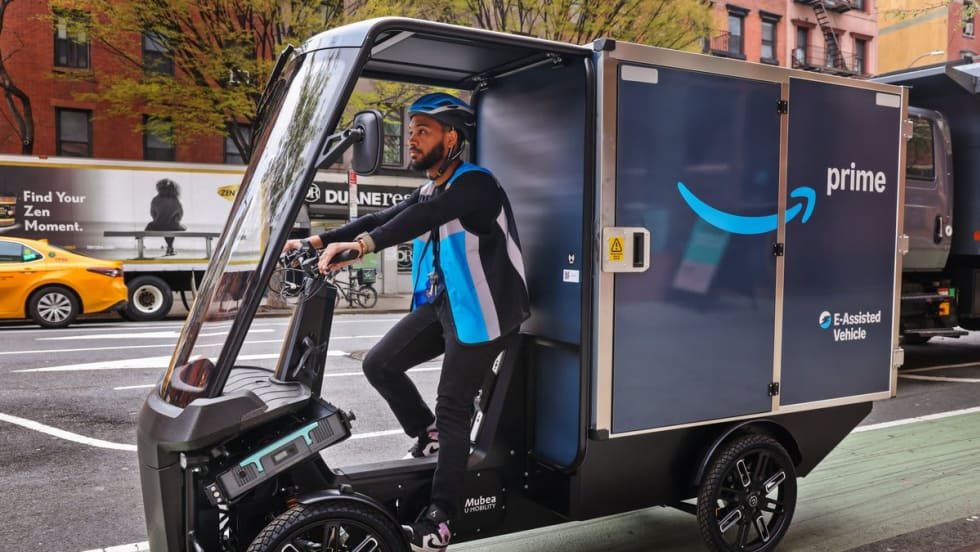
New York City's Microhub Project is Delivering Results
Trucking, last-mile delivery companies, and environmental advocates like what they are seeing so far with New York's microhub program.
Read More →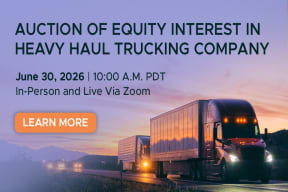
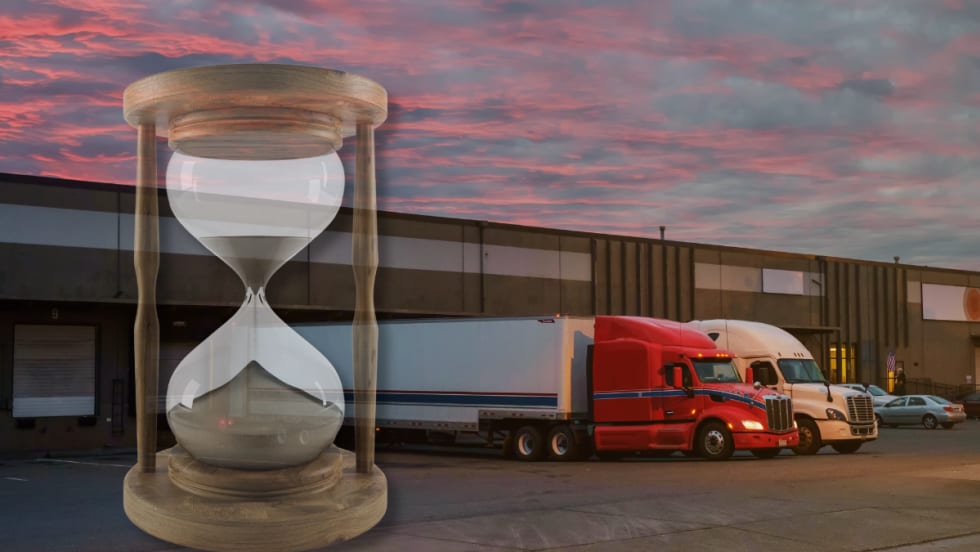
Why Truck Detention Keeps Costing Fleets Time and Money
A 2024 ATRI study found detention affects nearly 40% of truckload stops and costs the industry more than $15 billion annually. Despite the toll on drivers, fleets, and supply chains, the problem remains stubbornly persistent.
Read More →
Time is Running Out to Apply for Exclusive HDT Event
Heavy Duty Trucking Exchange brings fleet managers and suppliers together for the deeper conversations that lead to ideas, partnerships, and solutions. Time is running out to apply for the September event.
Read More →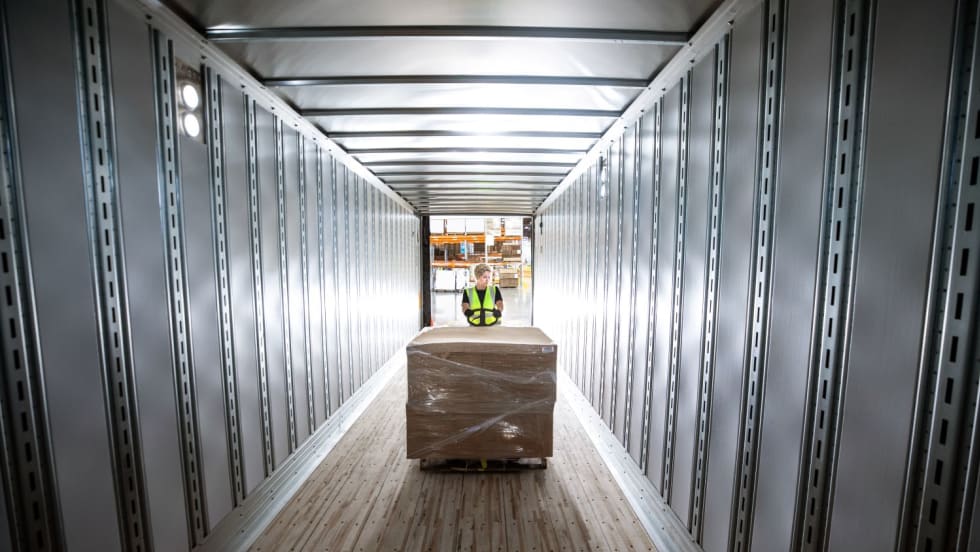
Amazon Launches Less-Than-Truckload Freight Offering for All Businesses
This launch is the latest addition to Amazon Supply Chain Services, a portfolio of supply chain capabilities from Amazon, including freight, distribution, fulfillment, and parcel shipping.
Read More →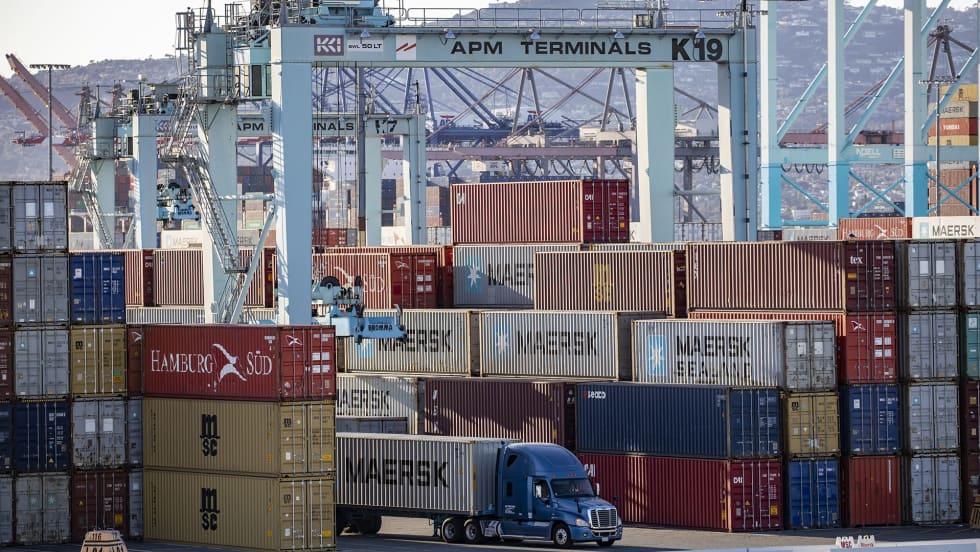
Import Cargo Volume to See Year-Over-Year Gain Again in June, Then Remain Below 2025 Levels Into Fall
After July, the report predicts a weakening in import volume as consumer uncertainty remains high and the impact of increasing inflation takes its toll.
Read More →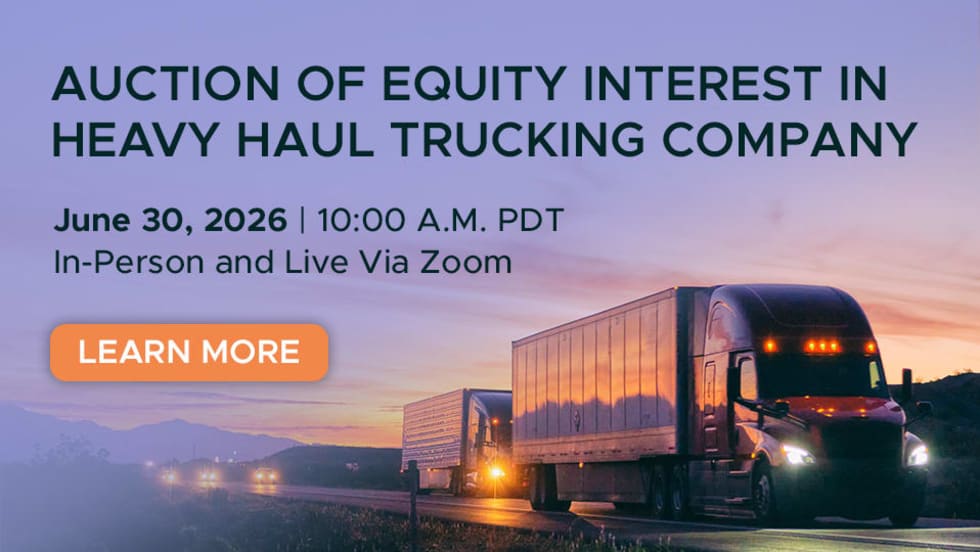
AUCTION OF EQUITY INTEREST IN HEAVY HAUL TRUCKING COMPANY!!
Mark your calendar: June 30, 2026 (10:00 a.m. PDT). A 37.5% ownership interest in MagnaTrans, LLC, a California limited liability company doing business as Magna Transportation Group, will be sold in an in-person and online auction to the highest bidder or bidders under Article 9 of the Uniform Commercial Code. The Rancho Cucamonga-based heavy haul and over-dimensional trucking company operates across California, Oregon, and Arizona.
Read More →
Volvo Trucks Adds Unattended Over-the-Air Software Update Capabilities
The latest evolution of Volvo’s over-the-air update technology allows software updates to run while trucks are parked, helping fleets keep vehicles current without disrupting operations.
Read More →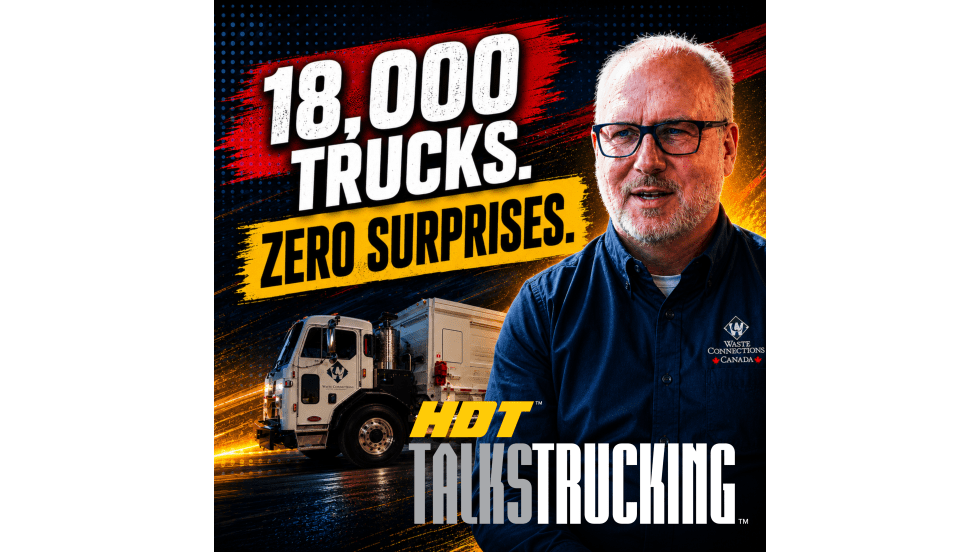
How Waste Connections is Using Data, Telematics, and AI
How do you manage and maintain more than 18,000 connected trucks? Data. Lots of it.
Read More →