




MPG for Mediums
The medium-duty world is dominated by the rental and leasing sectors and the pickup and delivery sector, at least in terms of the Class 5-7 trucks using 17.5- and 19.5-inch tires. What they want dictates what the tire makers deliver

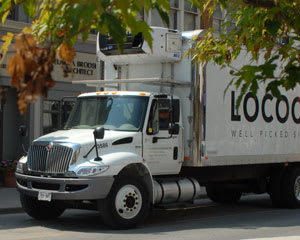
Downtown streets still pose a threat to delivery fleets' tires. Nobody will give up protection for fuel economy; the tire people say they won't have to.
The medium-duty world is dominated by the rental and leasing sectors and the pickup and delivery sector, at least in terms of the Class 5-7 trucks using 17.5- and 19.5-inch tires. What they want dictates what the tire makers deliver.
Until recently, what they wanted was a bulletproof tire that would last forever, could be retreaded several times and would handle the rigors of life on the mean city streets.
That's already a tall order, and, over the years, tire makers delivered the kind of tires the industry wanted (and was prepared to pay for). Tire makers were under no illusion that big fleets, such as UPS, FedEx, Ryder and Penske, were not prepared to pay for fancy tread designs or better traction, or even improved rolling resistance to lower fuel consumption. It's a very price-sensitive market, and that has historically limited innovation.
"This is a commodity-focused segment looking mainly for the best mileage, longest-wearing tire with the most durable casing at the lowest possible price," says Libor Heger, brand manager for commercial vehicle tires at Continental. The attitude, he says, was "Give me a couple of retreads and I'm happy. All I want is to keep the life cycle cost of my tires to a minimum." Fuel economy wasn't even on the radar screen.
Those days are behind us. Today, the labs and engineers at almost every major tire maker in the world are hard at work developing more fuel-efficient tread designs and compounds because a tremendous market has just opened up for that kind of tire.
"The new fuel economy regulations are certainly rearranging the priorities for tire manufacturers," says Michelin's Brad Weaver, the company's medium-duty and light truck product category manager. "We have to begin putting a higher priority on fuel economy and offering products that will help the original equipment manufacturers meet their targets."
Weaver says the biggest push in this new direction is coming from the original equipment manufacturers, who have few options at their disposal to meet the new GHG reduction mandates.
The heavy-duty truck makers have about six model inputs to play with to meet the limits on greenhouse gas emissions related to the overall vehicle, including aerodynamics, the ability to limit vehicle speeds, engine modifications, etc., and as well as using low-rolling-resistance tires.
"In the medium-duty market, and especially the vocational segment, the variables in the EPA's Greenhouse Gas Emissions Model (GEM) model suddenly drop to only two: steer and drive tire rolling resistance improvements and downsizing the engines," Weaver contends.
"Things like aerodynamics don't even apply in that sector. As an original equipment manufacturer, if you want to make improvements, your options are very limited - smaller engines and better tires."
Because of this, the truck makers will be demanding a lot from their tire suppliers.
What the
customer wants
It won't hurt the cause that those same leasing and rental fleets and the pickup and delivery fleets that wouldn't pay a dime extra for a more fuel-efficient tires have recently changed their tune.
"Fuel efficiency is now coming into play from the big fleets," Heger says. "When UPS announced that they wanted their entire fleet to be as efficient as possible, that sent a very strong signal to the tire industry, effectively setting a new direction for us."
Weaver says the ongoing product development programs will expand to focus on producing a tire for an urban setting with lower rolling resistance but with the same damage-mitigating performance attributes as before.
"We'll be taking essentially the same approach we did with the on-highway market, using tread compounds and designs to reduce rolling resistance while maintaining traction and durability," he says. "But it won't be the same tire, not at all. In the medium-duty and vocational market, the priorities are different. It's a more abusive environment with concerns about curbing, scrubbing, etc."
The urban nature of the segment does bring a few challenges.
"The challenges are pretty similar. When you go for a particular performance attribute, you have to be careful what you're trading off," notes Weaver. "We have to be careful not to give up the mileage the user is accustomed to. Also, if you're choosing low-rolling-resistance compounds, you can't afford to give up the aggression resistance of the tread that can stand up to the harsher environment."
Goodyear's Don Kramer, director of marketing for commercial tires, doesn't expect customers will have to suffer with "less of a tire" because of thinner, more efficient tread. He says manufacturers have improved manufacturing processes and made big gains in materials.
"In the past, we had two choices in tread compounding - tread wear or fuel efficiency - and the fleet had to choose. Sometimes there were huge trade-offs," he says. "That's not so today. Some steer and drive tires could have as many as two to four different compounds in the tread area to minimize those trade-offs. It will be the same for medium-duty tires as well."
No going back
We can see now how OEM demand will drive tire design for 17.5- and 19.5-inch tires in Class 5-7. Even with four of the largest fleets in the land (with more than 100,000 trucks among them) calling for a design change in the standard tire, what will the person who owns a bakery and a couple of trucks to deliver his or her product think about the change?
"When you talk about where tires fall in the their importance relative to fuel economy, the three biggest things a fleet has to get under control first are the engine, aerodynamics and driver behavior," Weaver explains. "Drivers play the biggest role, and until you get them under control, the others won't appear to make much of a difference.
"A 5% improvement seems to be the point where the gains become obvious. Much below that, there's a lot of noise in the data that's tough to filter out like the driver's role and the operating environment."
So will customers even notice?
"Some users might wind up buying an extra set of tires over the life of the vehicle, perhaps two, which would consume in cash whatever savings accrued from improved fuel consumption," Kramer points out. "You really have to look at each unique case and do a value calculation that takes into account miles to removal, retreading and all the rest versus what you can measure on the fuel side."
Kramer says that will be a big opportunity for tire dealers. It's no longer about just giving the customer a sell sheet; it will be about selling value.
"Dealers will have an opportunity to demonstrate their expertise and knowledge so they become a trusted advisor by the customer," Kramer suggests. "If transportation is not the customer's core competency, if trucks are simply a necessary part of the business, those are the ones we'll have to spend the most time convincing because they won't recognize the value proposition. The savvy customers, on the other hand, the ones who are more tuned in to cost per mile, cost of ownership and the balance between miles to removal, retreading and fuel economy, will see and understand the benefits."
One thing is certain: With the industry running essentially the same tire for so long, the switch to lower-rolling-resistance tires won't go unnoticed. Comparisons in tread life and durability will be easily and often made, so the manufacturers will need to be on top of their game this time around.
"We can't simply trade durability and longevity for low rolling resistance," says Heger. "We will have to deliver a tire that is at least as
More Fuel Smarts
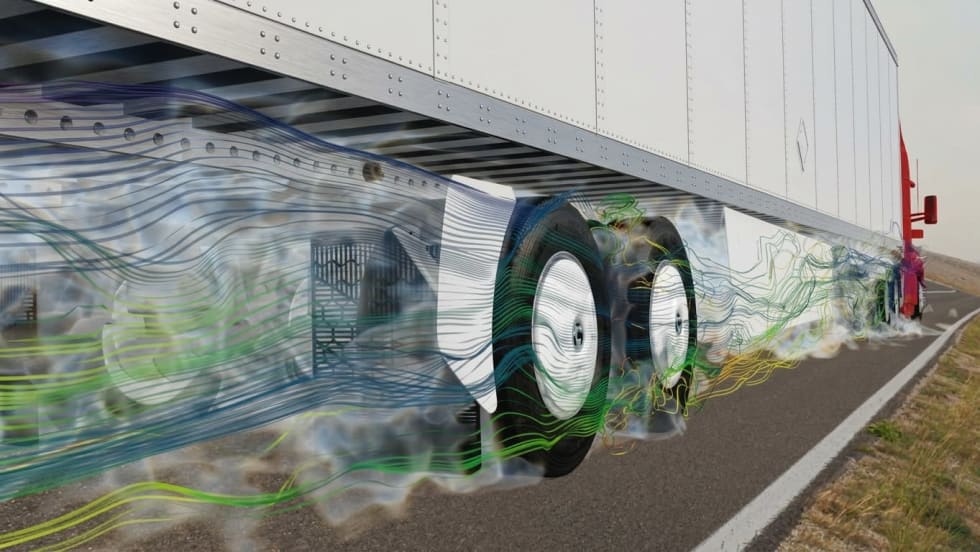
FlowBelow Redesigns Trailer AeroSlider to Cut Fuel Use
The lighter trailer aerodynamic system installs in less than 45 minutes, according to the company, with potential payback in under a year depending on fuel prices and trailer mileage.
Read More →
Why Diesel Price Relief Efforts May Fall Short
Diesel prices have eased from September’s record high, but doubts about additional Russian supply and limits on dyed-diesel tax relief mean trucking fleets still face expensive fuel. And prices could go higher.
Read More →
Why Small Fuel Savings Matter in Trucking
Can better fuel economy help pay for driver raises? In this podcast, GP Transco explains how small efficiency gains create room to reinvest in its people.
Read More →
How GP Transco Cuts Trucking Fuel Costs, a Tenth of a Gallon at a Time
What’s another tenth of a mile per gallon worth? GP Transco shares how equipment upgrades and driver coaching turn small gains into meaningful fuel savings.
Read More →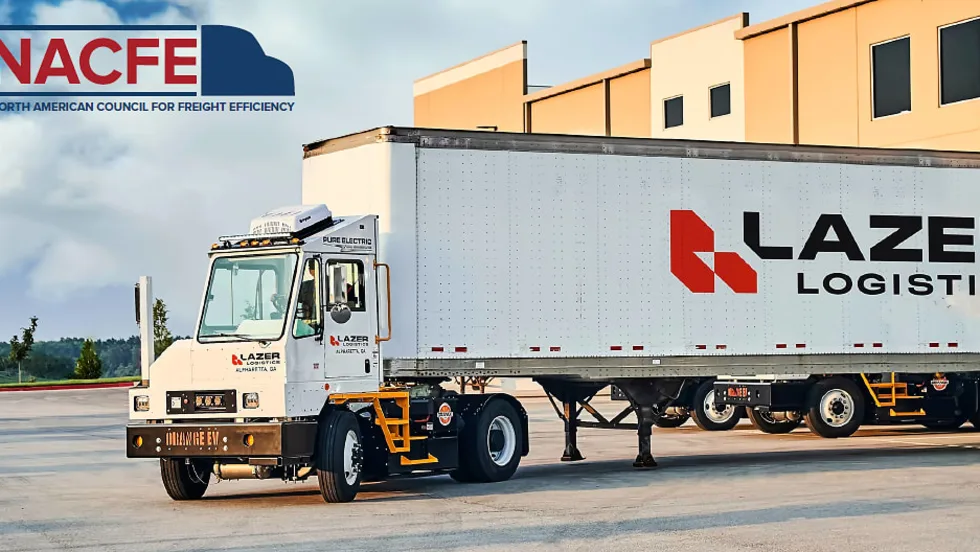
Electric Yard Tractors Move Beyond Pilots
Operating-cost savings have overtaken sustainability goals as the leading reason surveyed fleets are adopting battery-electric terminal tractors, according to new NACFE research.
Read More →
Geotab Links Fleet Card to Vehicle Data
The new card combines fuel discounts with telematics-based purchase controls. Geotab’s analysis also points to potential savings from choosing lower-priced fuel stops.
Read More →
Fleet Economics Shape Electric Truck Outlook
ACT Research expects costs, charging infrastructure, and technology improvements to drive zero-emission commercial vehicle adoption as federal regulations and incentives retreat.
Read More →
Wex Adds Cardless Fuel Payments for Over-the-Road Customers
A new fuel card feature for Wex customers offers convenience and security.
Read More →
New California Law Could Shed Light on Electric Truck Prices
Why do battery-electric Class 8 trucks remain so expensive? A California bill signed by Gov. Gavin Newsom would give fleets and state agencies more visibility into what manufacturers charge.
Read More →
How Volvo Updated Its D13 for EPA 2027 [Watch]
Volvo’s updated D13 promises lower emissions without sacrificing performance or fuel economy. Take a closer look at what changed inside the engine in this HDT Spotlight video.
Read More →