




Mobile Apps as Brokers
According to a report by consultancy firm Frost & Sullivan, mobile apps are leading the way to what they call “the Uberization” of trucking, or mobile-based freight brokering.

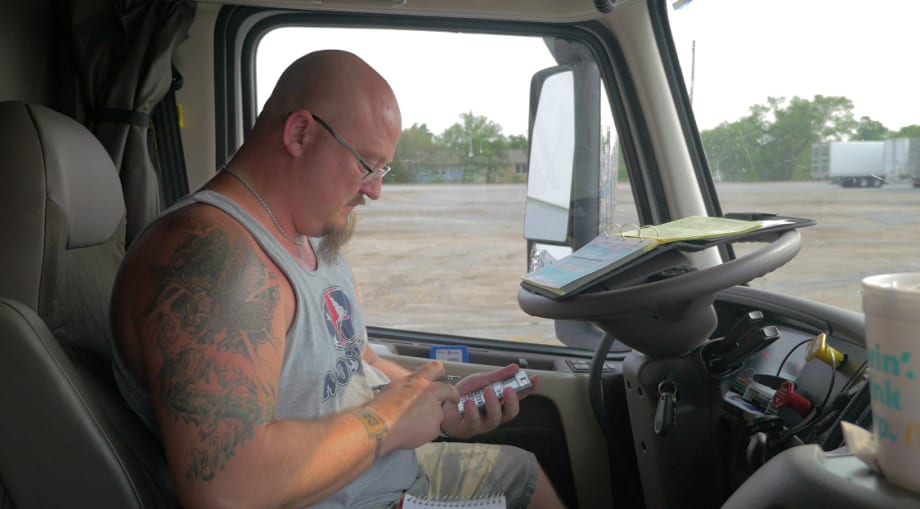
Trucker Path Truckloads lets users access available loads throughout North America.
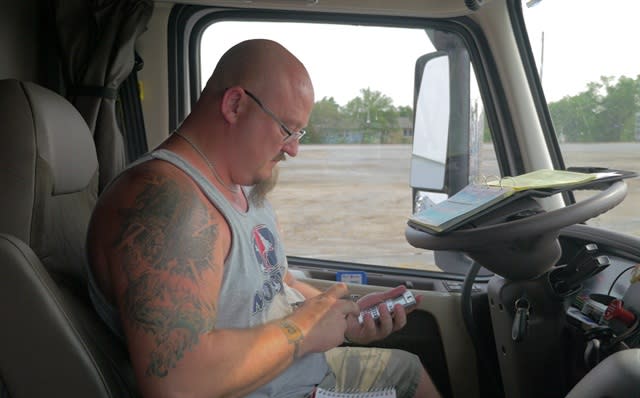
Trucker Path Truckloads lets users access available loads throughout North America.
According to a report by consultancy firm Frost & Sullivan, mobile apps are leading the way to what they call “the Uberization” of trucking, or mobile-based freight brokering. Under this scenario, those who need transportation services and those that have an available truck can find each other using a mobile app designed to match the shipper and haulers needs in terms of rates, routes and scheduling.
The report authors contend that such business models will help reduce empty miles (which they estimate total up to 20 billion each year in the industry) and improve efficiencies in moving freight. The payoff: lower operating costs, improved fuel efficiency and better asset utilization, the report concluded.
In an interview, Frost & Sullivan senior industry analyst Wallace Lau said for the report’s purposes, mobile was defined as app that is strictly used on a mobile platform and that generates revenue through the mobile platform in the form of fees generated for matching shippers and truckers.
The benefit to the trucker is that the app automates a number of processes such as dispatch, load finding, delivery status and driver payment, while providing real-time information on loads from pickup to delivery – all from a mobile device.
Wu said there is between 75% and 80% penetration in the U.S. mobile device market, which helps such apps reach a critical mass of users. Building networks with adequate truck capacity to meet shippers’ needs and adequate loads to meet truckers’ needs is "a work in progress,” Wu says.
“Today, there are many different and competing apps and networks to choose from,” he added. “As a result, competition is intense as market participants aim to differentiate themselves to attract shippers and carriers in efforts to make their network more robust with available loads."
A number of companies released new or updated apps this year, including CargoMatic, Venice Beach, Calif., which in June announced its mobile-based service in Southern California, targeting shippers and small trucking firms.
Trucker Path, San Jose, Calif., which launched a trip-planning Android app in 2013, introduced an iOS version of its Truckload load-matching app (which was in beta testing) Nov. 18 and also added features to its current lineup of apps for Android.
Mobile technologies and the growth in e-commerce will provide opportunities for freight and logistic companies, Lau says, while traditional brokers have begun offering mobile-based offerings of their own to compete in the new space. He cited Coyote Logistic as an example. Another includes Transfix, a mobile-based brokerage app that evolved from the founder’s traditional family-owned brokerage business.
As Lau sees it, mobile-based brokerage is a win for all parties. “I don’t believe any one particular party stands to lose significantly,” he says, noting that mobile-based brokers are currently targeting mostly small fleets of 10 or fewer trucks. Plus, the freight industry is projected to grow which will allow it to support new technologies, he added.
Read more about mobile apps in the December issue of HDT.
More Fleet Management

Why Private Fleets Are Taking More Freight
Private fleets are putting their own trucks on demanding customers and high-cost lanes as companies seek greater control over service, costs, and capacity.
Read More →
Color Match Smarter: Tools That Restore & Perform
For fleet managers and collision repair professionals keeping heavy-duty trucks on the road, getting the color right the first time isn't just about appearance — it's about efficiency, turnaround time, and bottom-line results. Discover how today's digital color tools are transforming the repair process from guesswork to precision.
Read More →
FMCSA Pauses Biennial-Update Enforcement Amid Motus Transition
Carriers whose updates were due on or after June 1 have more time, while FMCSA works to stabilize its new registration system and warns of phishing sites impersonating its new carrier registration system, Motus.
Read More →


2026 Blueprint for Countering Smarter Supply Chain Theft
Cargo theft is no longer just the cost of doing business. It's a multi-billion-dollar criminal enterprise exploiting vulnerabilities across your fleet, drivers, and supply chain.
Read More →
How Telematics Improves Visibility, Control, and Performance in Refrigerated Fleets
Explore how telematics help refrigerated fleets improve visibility, uptime, efficiency, compliance, and cargo protection across connected cold chain operations.
Read More →
What the U.S.-Canada Trade War Means for Trucking
Escalating U.S.-Canada tariffs could disrupt cross-border freight, reduce truck volumes, raise costs, and create new uncertainty for carriers on both sides of the border.
Read More →
What Are Trucking’s Top Concerns for 2026?
The American Transportation Research Institute wants to know what's worrying trucking fleet managers, drivers, and other stakeholders in its annual Industry Issues survey.
Read More →
American Trucking Associations Looks for a New Leader
ATA President and CEO Chris Spear abruptly left his job at the association on August 21, at a pivotal time for the trucking industry.
Read More →
Public Wi-Fi Cybersecurity Risks: How Truck Drivers and Fleets Can Protect Their Data
Public Wi-Fi can expose truck drivers and fleets to credential theft, malware, and other cyber threats. Here’s how to reduce the risk on the road.
Read More →
For Nicky Cupp, Fleet Innovation Starts With Frustration
HDT Truck Fleet Innovator Nicky Cupp turns everyday pain points at Fraley & Schilling into opportunities for better technology and smarter processes.
Read More →