




Mile-Hi Foods Plugs Into Savings
Western food service distributor Mile Hi Foods, Denver, is saving an estimated $85,000 annually in fuel costs while also improving the sustainability of its operations by taking advantage of the electric standby capability of its 27 Carrier Transicold Vector multi-temperature trailer refrigeration units
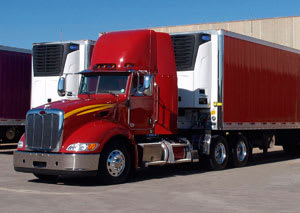
Mile Hi Foods added 17 460-volt electrical outlets to its loading docks and installed 20 free-standing receptacles in its yard, so loaded trailers can be parked and run electrically while waiting to be dispatched.
Western food service distributor Mile Hi Foods, Denver, is saving an estimated $85,000 annually in fuel costs while also improving the sustainability of its operations by taking advantage of the electric standby capability of its 27 Carrier Transicold Vector multi-temperature trailer refrigeration units.
A specialty food service company serving more than 300 national restaurants, Mile Hi Foods began adding Vector multi-temperature units to its fleet in 2007. Within the past year, the company completed the infrastructure needed to introduce electric standby at its central distribution center.
As hybrid diesel-electric systems, the Vector units have all-electric refrigeration architecture. Unlike mechanical refrigeration systems, the diesel engine is dedicated to one function: driving a high-performance generator, which powers the compressor, fans and operating system. When stationary, Vector units can be plugged into an electric power source, eliminating the need to run the engine and generator.
Mile Hi Foods added 17 460-volt electrical outlets to its loading docks and installed 20 free-standing receptacles in its yard, so loaded trailers can be parked and run electrically while waiting to be dispatched. The electric standby saves fuel, eliminates emissions, cuts noise and offers operating savings of 40% to 70%, depending on the price of fuel and electricity at any given time, says Carrier.
Mile Hi Foods calculates it is saving 1,800 gallons of fuel a month by using electric standby, which over the course of a year reduces its fuel expenditure by more than $85,000, enough to pay for the infrastructure investment.
Carrier dealer CT Power of Commerce City, Colo., supplies Mile Hi Foods' refrigeration units, the latest of which are Vector 6600MT units. Mile Hi Foods' eight-state trucking and backhaul operation taps the units' full range of heating and cooling. The Vector 6600MT delivers up to 20% greater fuel efficiency than its predecessor. Its electric heating capability reduces the refrigerant charge by 43% relative to conventional multi-temp systems.
Based on its success with the Vector units, Mile Hi Foods recently acquired 13 Vector 6500 single-temperature units for its specialty foods operation. Like its multi-temp sibling, the Vector 6500 is a diesel-electric hybrid with electric standby capability.
Vector technology also eliminates the need for routine maintenance items, such as belts, shaft seals and alternators found in conventional systems, resulting in a maintenance-savings benefit for Mile Hi Foods. As engine and compressor usage is reduced with the Vector units, the company plans to get two trailer lives out of each Vector unit rather than replacing them on the company's normal six-year cycle.
More Fuel Smarts

How Volvo Updated Its D13 for EPA 2027 [Watch]
Volvo’s updated D13 promises lower emissions without sacrificing performance or fuel economy. Take a closer look at what changed inside the engine in this HDT Spotlight video.
Read More →
Diesel Price Spike Shortens Payback for Natural Gas Trucks, Report Says
Energy Vision estimates fleets could recover the higher purchase price of an RNG-fueled Class 8 tractor in 1.3 to 2.8 years under current fuel-price scenarios.
Read More →
Calstart Becomes Catalyst Mobility, Reflecting Broader Focus
Calstart is now Catalyst Mobility, reflecting the nonprofit’s growing national role in clean transportation, including zero-emission trucks, infrastructure and incentive programs.
Read More →

Record Diesel Prices Squeeze Trucking Fleets
Average U.S. diesel prices have climbed to nearly $6 a gallon, surpassing the 2022 record as tight refinery capacity and Middle East disruptions keep fuel costs elevated.
Read More →
How Fuel Delivery Shapes Engine Performance
Fuel delivery depends on more than what happens at the injector. For fleet, maintenance and technical professionals, looking at the full path from pump to injector can provide useful context for understanding engine performance.
Read More →
East Coast Port Launches $45M Electric Truck Push
The Port Authority of New York and New Jersey announced millions in incentives for zero-emission drayage trucks, yard tractors, and new charging hubs near the port.
Read More →
California Bill Could Shed Light on Electric Truck Prices
Why do battery-electric Class 8 trucks remain so expensive? A California bill headed to Gov. Gavin Newsom would give fleets and state agencies more visibility into what manufacturers charge.
Read More →
Detroit Opens Orders for EPA 2027 Engines
Detroit isn’t starting from scratch to meet EPA 2027 diesel emissions standards. Its Gen 6 DD13 and DD15 engines keep much of today’s platform while updating the fuel and aftertreatment systems.
Read More →
Zero-Emission Truck Corridor Planned for West Coast
California, Oregon, Washington, British Columbia and Baja California are coordinating plans for truck charging and hydrogen fueling from Canada to Mexico.
Read More →
A Closer Look at Kenworth’s Electric T880E Vocational Truck [Video]
Learn more about Kenworth's T880E battery-electric vocational truck at the Paccar Technical Center, including its range, applications, upfitting considerations, and PTO options, in this HDT Spotlight video.
Read More →