




Keep Them Turning Wrenches
Every shop wants its technicians to be as proficient and productive as they can. Yet most shops fail to see the things that are getting in the way of achieving this goal.

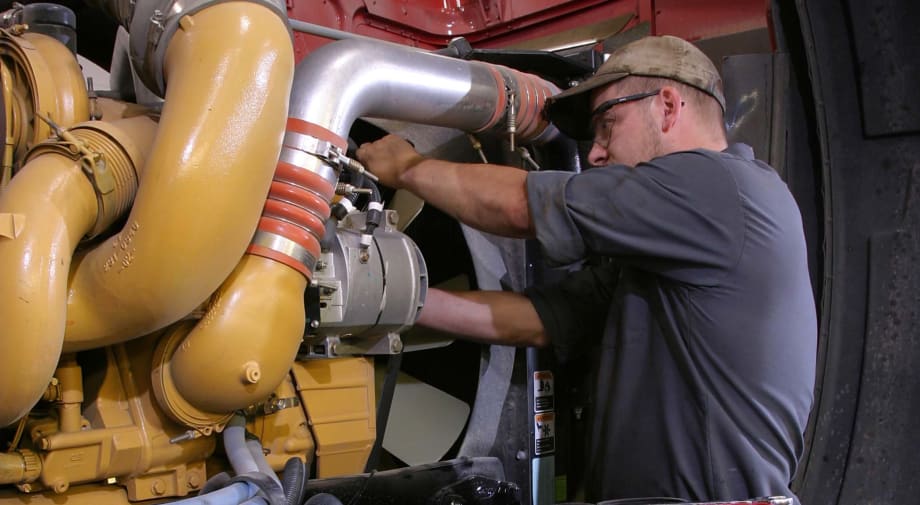
Before a shop can improve its efficiency, it needs to determine where the problems are. The best way to do that is to map the current process.
Before a shop can improve its efficiency, it needs to determine where the problems are. The best way to do that is to map the current process.
Every shop wants its technicians to be as proficient and productive as they can. Yet most shops fail to see the things that are getting in the way of achieving this goal.
Mark Martincic, professional advisor at KEA Advisors, defines technician proficiency as billed hours versus clock hours for the time the technician is at work.
Not all of the technician’s time is billable, and according to Michael Riemer, vice president products and channel marketing for Decisiv, 80% of the time associated with a typical repair is non-wrench time.
“When most people think about maintenance and repair, they think about the technician and the cost of fixing the truck," Riemer says. "Unfortunately, what they miss is that there is more time, cost and resources tied up in non-productive activity, which actually drives technician productivity down, shop efficiency down and downtime up."
Both Riemer and Martincic agree that this is the place where most shops can make changes that will greatly boost technician proficiency.
“If I have a productivity issue, I have to do a better job getting parts to the technician quicker, be pro-active with my dispatching, know when the technician is going to finish a job so I can get the next truck ready for him, etc.,” Martincic says.
Time-wasters
Martincic says service providers need to concentrate on four areas to improve their service department's efficiency:
the parking lot/ keys
parts
special tools/shop organization
communication flow
The goal with the parking lot and keys is to have things organized so that the technician does not have to spend 20 minutes locating the truck he is supposed to be working on and getting it into the bay – because that is 20 minutes that can’t be billed to a customer.
How parts flow through the shop is another area that impacts efficiency. Many shops still have technicians leaving the bay to go to the parts counter to order parts or find out parts pricing. Unfortunately, oftentimes the parts counterman does not see the technician as a priority, and the technician may have to wait while the counterman answers phone calls from wholesale customers before he finds out if the parts he needs are available.
Another time-waster is the inability to locate a special tool needed to complete a repair. Walk through many shops and you will see things like jack stands or other special tools in the aisle instead of in a tool room. If a technician has to wander the shop to find a tool, he is wasting valuable time.
Next Page: The communication process[PAGEBREAK]
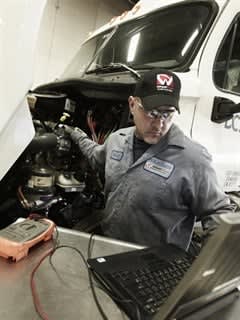
If a tech has fewer reasons to leave his bay, he is going to be more efficient in completing the repair.
But perhaps the biggest area where time is wasted is in the communication process. Riemer calls this service relationship management. “This is a combination of the people, the information and the process required to efficiently manage the service and repair process,” he explains. “It is all the communications, it is all the documents, it is all the service history, it is all the approval process – all of that communication and collaboration and information that is exchanged.”
It is about making sure the right people have the right information at the point of service. “We try to preach to people that improving that collaboration and communication process is what is key to actually driving efficiency all the way down to the technician,” Riemer says.
Mapping the process
Before a shop can improve its efficiency, it needs to determine where the problems are. The best way to do that is to map the current process. Once the mapping process is completed, review it and “try to focus on what is best for the customer, what is best for the technician and what is best for you,” Martincic says.
“It won’t take a rocket scientist to see where there are opportunities to improve the work flow.” These areas will be different for each shop and may necessitate putting new procedures in place or adding technology solutions.
One outcome of the mapping process may be to develop a triage system for diagnosing repairs quickly.
“The advantage to the customer is we can engage in a conversation with a customer within two to four hours of him dropping off the vehicle,” Martincic says. “And then second thing is we know exactly what skill we need to fix the vehicle and what parts are needed so the repair can be assigned to the proper technician.”
This system also allows the shop to get the parts it does not have in stock before the repair begins and to get authorization from the customer before the truck is dispatched to a bay. “This means there are now fewer reasons for a technician to leave his bay and as a result he is going to be more efficient in completing the repair,” Martincic says.
Whether a shop chooses to use a triage approach or not, if it manages the service relationship more efficiently and attacks the 80% of non-wrench time it will make everyone more productive, Riemer says.
“The technician has the truck in the bay, he knows exactly what is wrong with it, he has all the information he needs, he has all the approvals he needs and he knows what to do if there is a change order.”
If non-wrench time is improved, it allows the shop to be more effective and process more vehicles in a day.
How much is wasting technician time actually costing you?
“At $100 an hour for every six minutes or one-tenth of an hour that a technician is doing something besides being in the bay working on a truck, it is costing $10 in labor sales," Martincic says.
“Most dealerships run about one-to-one with parts to labor, so it also is costing the shop $10 in parts sales.”
More Aftermarket
What Three Fleets Are Doing Differently When Buying Truck Parts in 2026
With freight improving but costs still climbing, fleet maintenance executives explain how they're balancing price, quality, and supplier relationships.
Read More →
ConMet Expands Aftermarket Brake Drum Lineup With TruCast
A new heavy-duty truck brake drum option in the aftermarket gives customers more flexibility within the ConMet product family.
Read More →
Phillips Opens High-Tech Distribution Center for Faster Parts Delivery
Phillips Industries’ new Cincinnati-area distribution center is now shipping aftermarket trucking parts nationwide, aiming to speed up delivery times for customers.
Read More →
Volvo to Sponsor America’s Road Team for 2025
Volvo Trucks announced that it is extending its exclusive sponsorship of America’s Road Team for 2025.
Read More →
Webb to Start Taking Orders for UltraSet Pre-Adjusted Wheel Hubs
Webb, which recently acquired the Stemco Trifecta pre-adjusted hub program, will soon start taking orders for its replacement pre-assembled hub, the UltraSet.
Read More →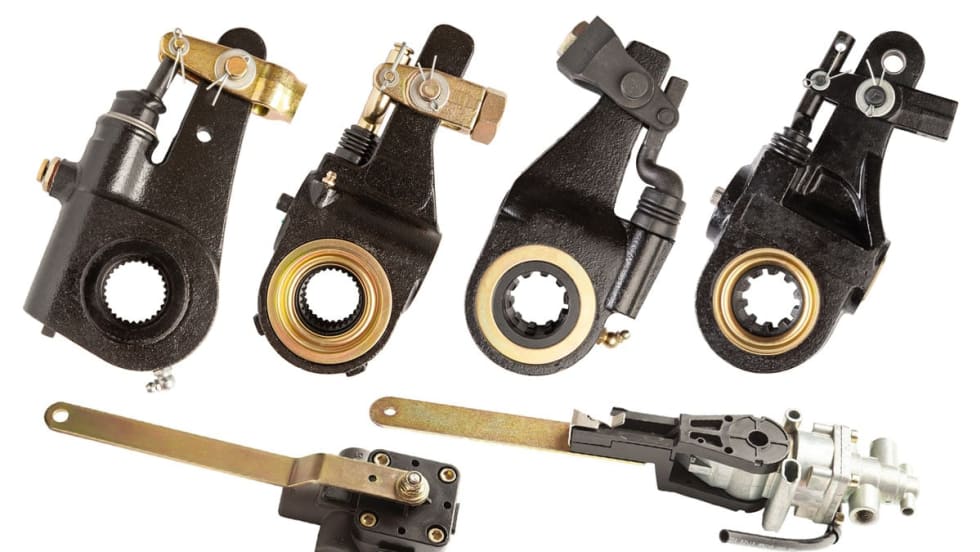
All-Makes Automatic Brake Adjusters, Ride Height Control Valves from Midland
SAF-Holland has added automatic brake adjusters and ride height control valves to its Midland All-Makes Program.
Read More →
ZF Aftermarket Expands [pro]Academy Training
ZF Aftermarket said it is expanding its ZF [pro]Academy training and will be adding 40 new modules this year.
Read More →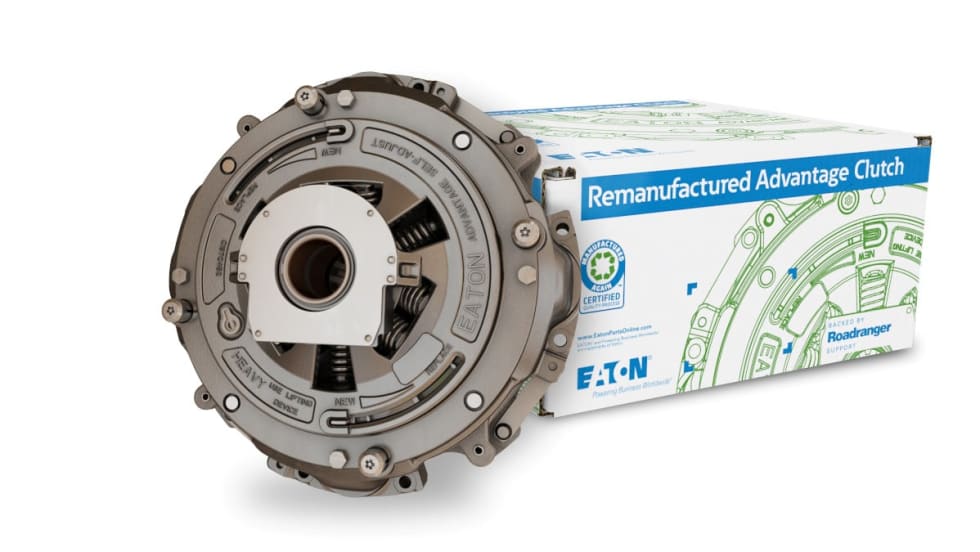
Eaton Adds Remanufactured Advantage Line of Clutches
Eaton has added its Advantage clutches to its remanufactured product line. The clutches feature a unique strap drive intermediate plate designed to allow customers to choose the latest OE specification
Read More →
ConMet Acquires TruckLabs, the Creator of TruckWings
Commercial truck and trailer parts provider ConMet acquired TruckLabs, the company that created TruckWings, an aerodynamic device that attaches to truck cabs and deploys to close the gap between truck and trailer. TruckLabs now operates as a subsidiary of ConMet.
Read More →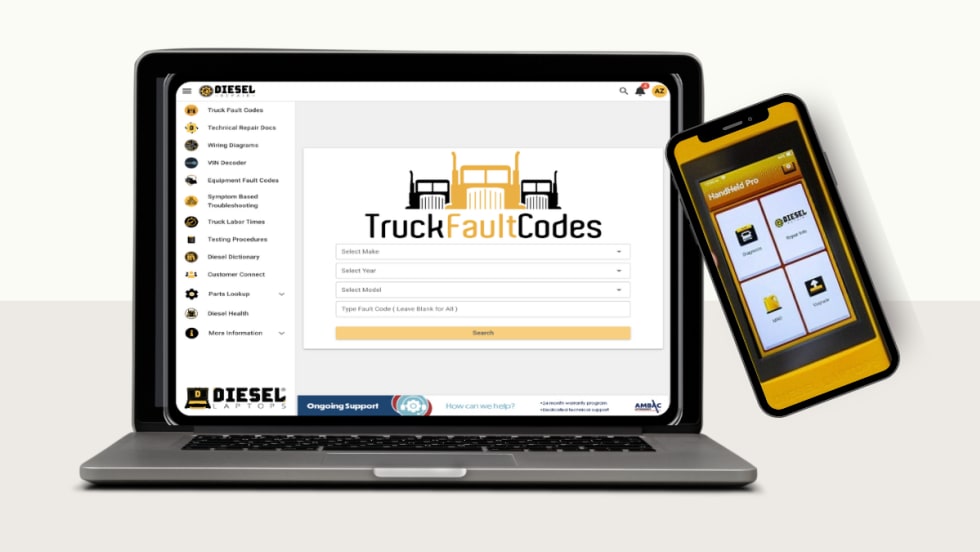
Diesel Laptops Releases Fault-Code-to-Part-Number Tool
Diesel Laptops said its Truck Fault Codes allows users to input a fault code and immediately identify and order the parts needed to complete repair work.
Read More →