




'Hey, Where'd My Truck Go?' Driver Security Tips
Short of rotting pig guts or trash destined for landfill, crooks will grab just about anything they can dispose of quickly and sell without a trace

Short of rotting pig guts or trash destined for landfill, crooks will grab just about anything they can dispose of quickly and sell without a trace.
Although security efforts are often aimed at "high-value" loads, much of what disappears in transit - or from "secured" terminals - winds up at flea markets, is sold on the black market, or already has an interested buyer.
Stuff like food, pharmaceuticals, and clothing can be sold at a five-finger discount almost anywhere, and nobody raises an eyebrow. Unlike electronics and computers, there are no serial numbers, no identifying marks, and no paper trail, such as product registrations, warranty claims, and customer service inquiries.
"Unfortunately, if you can package it, crate it, and ship it, there is likely a criminal enterprise that wants to steal it," says Chief Eric Ives, head of the Major Theft Unit in the FBI's Criminal Investigative Division.
An Ounce of Prevention
A determined thief will find a way to relieve you of your cargo despite your best efforts, but you can lessen the risk by making them work for their prize. Experts say that there are enough easy pickin's out there that thieves will generally leave the protected trucks alone.
Securely locked trailer doors may be enough, but the lock also can tip the crooks that there's something inside worth protecting. They won't try to bash the lock off in plain view, so that offers a measure of deterrence. Instead, however, they may try to grab the whole truck and open it up somewhere else.
Avoid dropping loaded trailers in unattended locations, but if you must, use a kingpin lock that makes it difficult if not impossible to hook up to. Consider removing the gladhand connectors from the nose of the trailer, or installing gladhand locks. It's small stuff, but it slows the bad guys down, and may deter them completely.
If you own the trailer, consider installing a concealed service air-line shut off valve so the parking brakes won't release.
Drivers can take several measures to secure a parked truck and trailer. Start by backing up against something so the doors cannot be opened. Install security measures like brake valve locks, electronic ignition switch lockouts, steering wheel locks, etc. Concealed air-line or fuel-line shot-offs will slow the bad guys down, though they are becoming more proficient in defeating some of these measures. The absolute and utterly simplest measure is to shut the truck off and take the keys with you when leaving the truck unattended.
Loose Lips
Cargo thieves often know what's in a targeted load by scoping out the shipping facility, but not always. And drivers don't need to help.
It's not tough for cargo thieves to learn what's on your truck, says Chris Parker with Zurich insurance. Just a few minutes at a truckstop, or on the CB, through casual conversation, it can be easy to discern what a driver is hauling.
"Loose lips sink ships," Parker notes. "Watch for unusual chatter and discussion of what they're hauling and where you're going. Others may be very chatty about what they have and where they are going, only to get you to open up about your plans."
Hijacked!
Hijackers usually know - and want - what's inside your trailer. They will track and attempt to seize the truck once it's under way, putting uncooperative drivers at risk.
Some will take a truck at gunpoint and then toss the driver overboard; some will take the driver along for the ride. Others will create some ruse to get the driver to stop so they can take control of the stopped but running truck. If you're lucky, they'll leave you behind.
In all cases, the best tactic is to cooperate or surrender the truck without a fight, says Lt. Chris Costigan of the California Highway Patrol field support section.
"There's nothing heroic about getting hurt or killed trying to protect a load of freight," he says. "The best a driver can do in these circumstances is focus on being a good witness - making note of as much detail as possible - so we stand a better chance of apprehending and identifying the perpetrators."
When All Else Fails
Be a good witness. Keep descriptions and serial numbers, tag numbers, identifying marks, etc. of the truck and trailer, as well as phone numbers and company contact information on your person. They'll do you no good tucked away in a missing truck, and law enforcement can't report it as stolen without that information. Report the incident immediately.
If you are hijacked, always and immediately do as instructed by the hijackers, but listen to what is being said and the sounds around you. It later may provide law enforcement with valuable information as to what the thieves plan to do with your vehicle and load.
"The vast majority of these thefts involve no violence or intimidation. The thieves are very patient and wait for the drivers to leave their vehicle, which they often do when there's no protection in place," says J.J. Coughlin, the law enforcement director for LoJack Supply Chain Integrity.
Don't resist, stay alive and safe, and take care to notice details. The best you can do is provide good descriptions of suspects and their vehicles. You are law enforcement's best witness.
Safety Tips
To minimize the chances of being forcefully parted from the load you're carrying:
• Maintain regular communication with your dispatcher.
• If possible, drive in tandem to lessen chances of being hijacked.
• Be aware of vehicles following your truck. Thieves will often use several vehicles to box in a truck at a stop light, pull the driver out and take the load.
• Be wary of strangers asking questions about what you're carrying. Don't talk about your load on the CB radio - cargo thieves listen too.
• Be suspicious of individuals asking you to stop claiming that you may have hit their car. If unsure whether an accident occurred, drive to a police station or to a well-lit, busy location before stopping. Hijackers frequently use this ruse to get drivers to stop.
• Whenever possible, vary your route, limit the number of stops, and avoid stopping at the same location each time.
• Get as far as possible from the terminal or shipper before you stop for a break.
• Keep your tractor windows rolled up until you are on the open road.
• Be especially watchful immediately after picking up your load. Most armed hijackings occur within a few miles of the pickup point. Freeway on- and off-ramps are particularly dangerous.
• Always lock your tractor doors and don't forget to take the keys with you.
• Make sure all trailer and container doors are secured with a heavy-duty padlock.
• When returning to the truck, check the seal and trailer doors for signs of tampering.
• If driving team, one person should stay with the truck at all times.
• Do not take your load home or park in unsecured areas.
• Avoid dropping loaded trailers in unattended locations. If you must, use a kingpin lock, consider removing the gladhand connectors from the nose of the trailer, or installing gladhand locks.
• If you own the truck, install security measures like brake valve locks, electronic ignition switch lockouts, steering wheel locks, etc.
From the June 2009 issue of Heavy Duty Trucking.
More Fleet Management

Long-Awaited Canadian Border Bridge to Open in Detroit
For trucking, the bridge opening should offer immediate improvements in efficiency and reliability, with new customs facilities, expanded inspection capacity, and direct freeway-to-freeway connections.
Read More →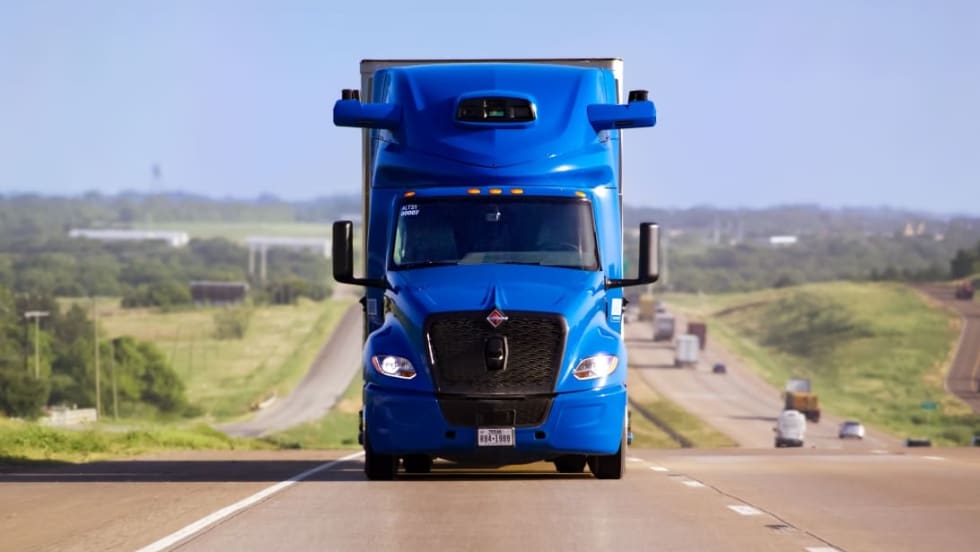
Aurora Rolls Out Next Generation of Driverless Trucks for Commercial Freight
Aurora's latest autonomous trucks it's rolling out with International feature lower-cost hardware designed for a million miles as the company expands commercial driverless freight operations across the U.S. Sun Belt.
Read More →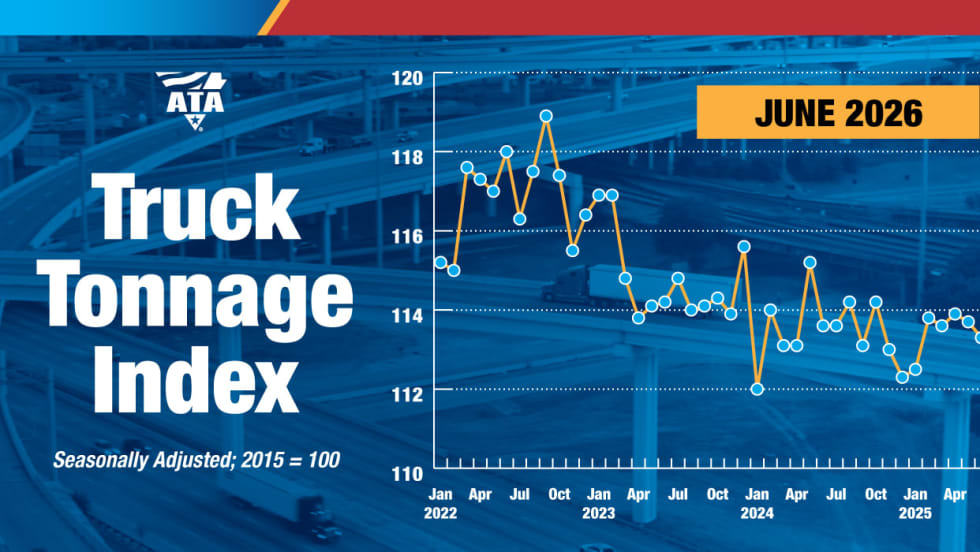
Freight Tonnage Down, Rates up, as Lower Capacity Powers Trucking Recovery
The recovery from the freight recession continues to be driven by reduction in capacity rather than by increased demand.
Read More →

Think Your Trucking Fleet Isn't Using Much AI? Think Again
Shadow AI — the use of unauthorized artificial intelligence tools at work — is becoming increasingly common, putting sensitive company data at risk. Learn how trucking fleets can protect sensitive data while embracing AI.
Read More →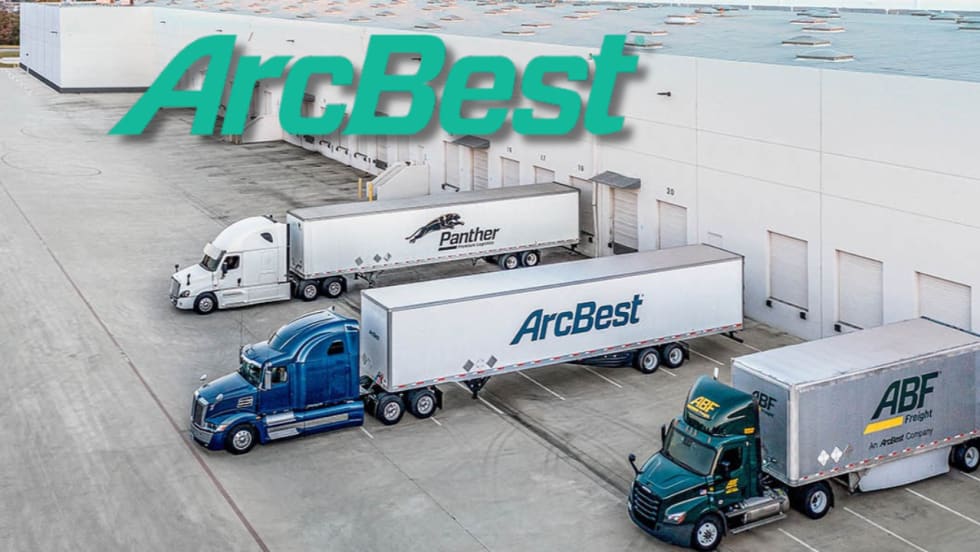
ArcBest Consolidates Brands, Cuts Workforce
The company will bring three business units under the ArcBest brand, eliminate about 2% of positions, and expects the changes to generate $40 million in annual savings.
Read More →
Trucking Fleets Faced Record Operating Costs During Third Year of Freight Recession
ATRI's annual operational cost report shows carriers trimmed fleets, delayed equipment purchases, and ran older trucks as expenses continued to outpace freight rates.
Read More →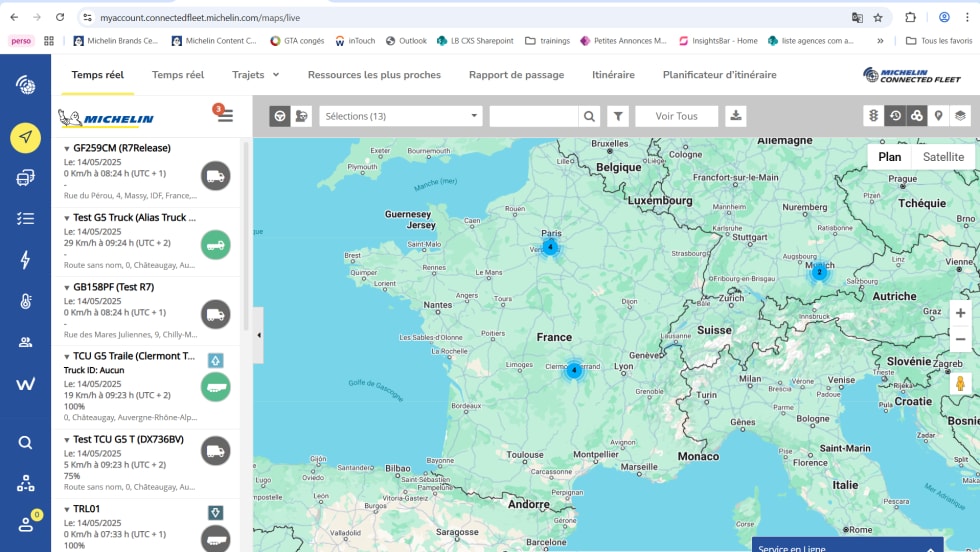
Michelin Adds AI Assistant to MyConnectedFleet Platform
Michelin’s new generative AI tool delivers instant fleet insights, helping managers analyze fuel use, tire maintenance, vehicle status, and operational performance without manually creating reports.
Read More →
LytxOne Platform Now Features AI, Compliance, and Asset Tracking Tools
New enhancements add AI-powered insights, asset tracking, compliance automation, and configurable privacy controls to Lytx's all-in-one fleet management platform.
Read More →
July Imports Poised to Set Container Record
The National Retail Federation projects July container imports will surpass the pandemic-era record as shippers frontload freight ahead of expected August tariff increases.
Read More →
HDT Announces 2026 Truck Fleet Innovator Finalists
From AI and fleet electrification to safety, operations, and leadership, these HDT Truck Fleet Innovator finalists are changing how trucking gets done.
Read More →