




Healthcare Reform: Pay or Play
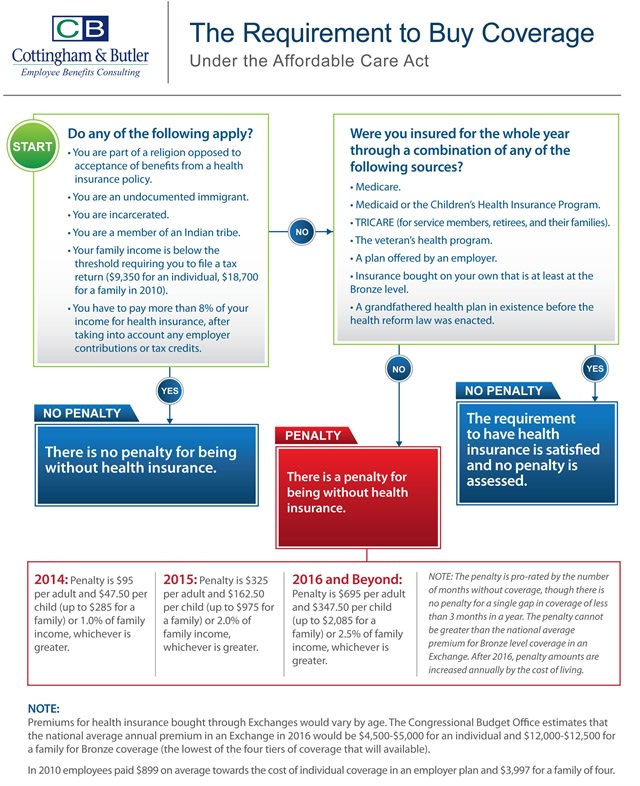
The Affordable Care Act (ACA), which requires individuals to have health insurance, could change the way trucking companies handle their healthcare coverage policies for employees. The Truckload Carriers Association held a webinar on May 23 to discuss its analysis of the ACA and the impact it will have on the trucking industry.


The Affordable Care Act, which requires individuals to have health insurance, could change the way trucking companies handle their healthcare coverage policies for employees. The Truckload Carriers Association held a webinar on May 23 to discuss its analysis of the ACA and the impact it will have on the trucking industry.
Kim Beck, vice president of benefits consulting at Cottingham & Bustler Inc., was the main presenter, along with two colleagues: Adam Jensen, vice president of compliance and human resource consulting, and Linda Perry, compliance specialist.
The individual mandate under the ACA includes "employer shared responsibility" for companies with at least 50 full-time employees who work 30 hours a week or 130 hours a month. Part-time associates will be combined to determine if they count toward the 50 employees.
“Transportation companies will need to use different methods to determine full-time status,” Beck explained. “Employers can use e-logs to track the number of miles driven or equations that take into consideration the amount of time drivers spend loading or unloading.”
Companies will choose to either "pay or play" based on the real cost to keep or drop employer coverage. Companies not offering coverage will "pay" a penalty of $2,000 for each eligible employee. "Play" means the employer will continue to offer an affordable plan.
Whether or not the employer’s plan meets certain criteria under shared responsibility will determine if they will be required to pay penalties. Employer shared responsibility penalties are effective Jan. 1, 2014, or when each company’s fiscal year begins in 2014 — whichever is later.
The employer will pay a penalty for not offering coverage at all or for not offering affordable coverage.
In order to avoid penalties from shared responsibility, companies with at least 50 full-time associates must offer coverage to all full-time employees. The lowest-cost insurance plan must meet the minimum value requirement, meaning the plan pays more than 60% of medical costs across a typical population. Additionally, no employees should have to pay more than 9.5% of their W-2 income for single coverage under the plan -- otherwise it is considered not affordable. The percentage can also be calculated by using the employee’s monthly salary.
Trucking companies will need to look at the cost and cost savings to determine if it is more beneficial to pay the penalties by eliminating coverage altogether.
Beck recommends that in order to remain competitive, it would be in the best interest for trucking companies to keep plans available for employees.
“Drivers don’t want to understand the rules under the ACA, nor will they want to shop around for insurance,” Beck says. “As an employer, you can make it easier on your drivers by offering a plan that they’ll see withdrawn on their paycheck.”
In the trucking industry, recruiting and retaining key talent may be challenging if a group plan is not offered. Rather than eliminating healthcare coverage for their employees, most companies plan to raise the cost of the coverage to employees.
“Tell your employees what’s going on,” Beck says. “Let them know that you went over all the numbers and even though you may be saving more by getting rid of coverage, instead you’re going to make some adjustments – they’ll appreciate it.”
ACA also requires employers to notify current employees of the changes no later than Oct. 1, 2013, and provide notice to new employees at the time of hiring beginning Oct. 1, 2013.
Under the ACA, taxes and fees will also be implemented with keeping a group health plan, including the Patient-Centered Outcomes Research Institute (PCORI) fee, insurer fee, transitional reinsurance fee and risk adjustment fee.
Trucking companies can prepare for the 2014 changes by analyzing and understanding the cost impacts, employer shared responsibility exposure, health plan variables, taxes/fees associated with keeping a plan, and the employee impacts.
More Fleet Management

Color Match Smarter: Tools That Restore & Perform
For fleet managers and collision repair professionals keeping heavy-duty trucks on the road, getting the color right the first time isn't just about appearance — it's about efficiency, turnaround time, and bottom-line results. Discover how today's digital color tools are transforming the repair process from guesswork to precision.
Read More →
FMCSA Pauses Biennial-Update Enforcement Amid Motus Transition
Carriers whose updates were due on or after June 1 have more time, while FMCSA works to stabilize its new registration system and warns of phishing sites impersonating its new carrier registration system, Motus.
Read More →
2026 Blueprint for Countering Smarter Supply Chain Theft
Cargo theft is no longer just the cost of doing business. It's a multi-billion-dollar criminal enterprise exploiting vulnerabilities across your fleet, drivers, and supply chain.
Read More →


How Telematics Improves Visibility, Control, and Performance in Refrigerated Fleets
Explore how telematics help refrigerated fleets improve visibility, uptime, efficiency, compliance, and cargo protection across connected cold chain operations.
Read More →
What the U.S.-Canada Trade War Means for Trucking
Escalating U.S.-Canada tariffs could disrupt cross-border freight, reduce truck volumes, raise costs, and create new uncertainty for carriers on both sides of the border.
Read More →
What Are Trucking’s Top Concerns for 2026?
The American Transportation Research Institute wants to know what's worrying trucking fleet managers, drivers, and other stakeholders in its annual Industry Issues survey.
Read More →
American Trucking Associations Looks for a New Leader
ATA President and CEO Chris Spear abruptly left his job at the association on August 21, at a pivotal time for the trucking industry.
Read More →
Public Wi-Fi Cybersecurity Risks: How Truck Drivers and Fleets Can Protect Their Data
Public Wi-Fi can expose truck drivers and fleets to credential theft, malware, and other cyber threats. Here’s how to reduce the risk on the road.
Read More →
For Nicky Cupp, Fleet Innovation Starts With Frustration
HDT Truck Fleet Innovator Nicky Cupp turns everyday pain points at Fraley & Schilling into opportunities for better technology and smarter processes.
Read More →
Adam Buttgenbach’s Approach to Electric Trucks: Start With Where They Fit
HDT Truck Fleet Innovator Adam Buttgenbach helped PepsiCo build one of North America’s largest EV fleets by focusing on where electric trucks make operational sense.
Read More →