




Greenhouse Gas Management for Medium-Duty Truck Fleets
Medium-duty trucks, identified as Classes 3-6, are the workhorses of the American economy

For years, Frito-Lay used 24-foot Class 6 straight trucks for urban grocery store deliveries. It recently found they could use a 20-foot Class 5 straight truck to do the same job, with a fuel savings of roughly 10 percent.
Medium-duty trucks, identified as Classes 3-6, are the workhorses of the American economy.
These vehicles deliver food and beverages to restaurants and convenience stores, drop off packages at homes and offices, serve as mobile workshops for all types of technicians, and perform thousands of other daily tasks. They also use a lot of fuel - over 8 billion gallons a year.
This fuel represents a significant cost for the businesses that use these vehicles to deliver products and services. In addition, the combustion of fuel contributes to global warming.
In this paper, PHH and Environmental Defense Fund highlight over a dozen strategies to increase fuel efficiency of medium-duty trucks. For many of the steps, we highlight the actions of companies that are already successfully implementing them. In the examples where one of our organizations was directly involved, we include a brief description of our role. We hope that these stories help to illustrate opportunities for some of these strategies in your fleet.
By increasing their efficiency, companies can reduce costs and decrease emissions of carbon dioxide-the main contributor to human-caused global warming. Medium-duty trucks emit an average of over 13 metric tons of carbon dioxide per vehicle each year. Focusing on reducing these emissions-including ongoing emissions measurement-needs to be at the core of any comprehensive fleet "greening" effort.
In this long-term effort to reduce fuel use and emissions, everyone benefits from sharing information-both success stories and resources. To facilitate this, we have created an open source Wiki, which can be found at
http://work-truck-efficiency.wikidot.com. Please consider adding your successes and lessons learn from improving efficiency and reducing emissions to this site.
SELECT LOWER-CARBON VEHICLES
The most important environmental decision a fleet manager makes is which vehicles to have in the fleet. Relatively minor changes in vehicle selection can result in significant environmental-and financial-benefits over time. Consider the following strategies when choosing vehicles for your fleet.
Move to lower GVW trucks
Lighter and less powerful trucks are more fuel efficient. A company can reduce fuel use significantly by "right-sizing" its fleet-selecting trucks that are no larger or more powerful than necessary for their application. Avoid the common pitfalls of spec'ing the entire fleet based on a "greatest power demand" scenario, when such a scenario can be served with a few larger vehicles. Within the same GVW class, it may be possible to choose a more efficient engine that can do the job at hand.
Consider high-efficiency advanced technology vehicles
Hybrid electric vehicles, hydraulic hybrids and electric vehicles all have the potential to increase the fuel efficiency of trucks and reduce emissions. Fuel efficiency improvements between 15 percent and 50 percent are likely from these advanced technology engines. These vehicles are particularly well suited for urban pickup and delivery and other short haul markets. They are also a good fit for fleets with auxiliary power needs, such as utility trucks, which can draw power from the electric battery to run onboard equipment, eliminating idling and further increasing fuel savings.
The first commercially available medium-duty hybrid trucks hit the road in 2005 through a partnership between FedEx and Environmental Defense Fund. Today, over 115 fleets contain medium- to-heavy-duty hybrid vehicles. There are almost 2,000 of these cleaner vehicles on the road. They are available in over 35 models and in every truck class. The performance and maintenance records of these vehicles are strong.
The most significant barrier to further expanding the market for these vehicles remains the up-front cost. Hybrid trucks typically cost between $23,000 - $45,000 more than traditional trucks. Price, of course, differs between applications and models while bulk purchases can help push the price toward the lower end of the spectrum. Still, for many applications, the trucks' payback is beyond the time limit of most companies.
To support the use of hybrid vehicles, the U.S. federal government and many states have funding available to help fleets purchase cleaner and more fuel-efficient vehicles. Grants, rebates and tax credits can help bring down the incremental costs of advanced technologies and make the business case for cleaner trucks. Under the most generous of these programs, fleets can achieve a 2.5 year ROI from their hybrid truck.
Incentives may impact financing arrangements and as a result, the total financial benefits of the incentives need to be evaluated. Further, incentive programs can be complicated to navigate, because their benefit can depend on a particular fleet's specific situation. However, the payoffs can be significant, so it is worthwhile for a fleet to do its homework and investigate these programs.
Explore lower-carbon fuels
Not all fuels are created equal in terms of greenhouse gas emissions. Diesel, gasoline and other fuels all emit different amounts of carbon. Data on the carbon content of fuels is available from the U.S. EPA on volume basis. For example, per gallon, gasoline emits 8.81 kg of carbon dioxide and diesel emits 10.15 kg. Of course, other variables are important to take into account as well, such as the energy content of the fuel and the efficiency of the engine. Consider that due to its higher energy content and more efficient combustion process, a diesel vehicle can travel about 30 percent farther on a gallon of fuel than a comparable gasoline model.
All fuels have emissions associated with their creation that aren't factored into EPA's tailpipe numbers. There are some fuels that have a lower greenhouse gas emissions profile when combusting the fuel, but this benefit is reduced or eliminated by an energy-intensive manufacturing process. Fleets seeking to reduce their greenhouse gas footprint should do their due diligence to make sure that their fuel choices don't simply push emissions up the production chain.
SPEC FOR EFFICIENCY
Some of your vehicle components can be optimized to achieve better fuel efficiency and lower emissions. Many of the options listed below can work for both new and existing vehicles.
Deploy alternative power sources for auxiliary operations
Alternative power for auxiliary operation can reduce fuel use. Examples include using electric motors instead of the truck engine to operate hydraulics on auto carriers and to power the operation of lift gates, and the use of cold plates in refrigeration units.
Install routing software
Vehicle tracking and routing software can monitor fleet operations and ensure that vehicles use the most efficient routes and maintain schedules. Fleets with dense multi-stop delivery networks are likely to benefit the most from software solutions to improve routing. Improved routing reduces unnecessary mileage, which also reduces fuel consumption. The level of fuel and emissions savings from this strategy will vary greatly depending on a fleet's operating characteristics.
Reduce vehicle tare weight
By reducing the tare (empty) weight of the truck, fuel economy is improved. Less weight reduces both inertial loads and rolling resistance. Fuel economy savings can be particularly substantial in smaller truck classes because tare weight makes up a larger portion of gross vehicle weight. Tare weight can be reduced through the use of lightweight components, such as aluminum wheels and other body parts.
Adjust electronic control modules (ECM)
Electronic control modules (ECM) started to appear in vehicles during the 1980s. They are a class of onboard computers that include the engine control unit and transmission control unit. These computers help direct the management of the engine and
More Fuel Smarts
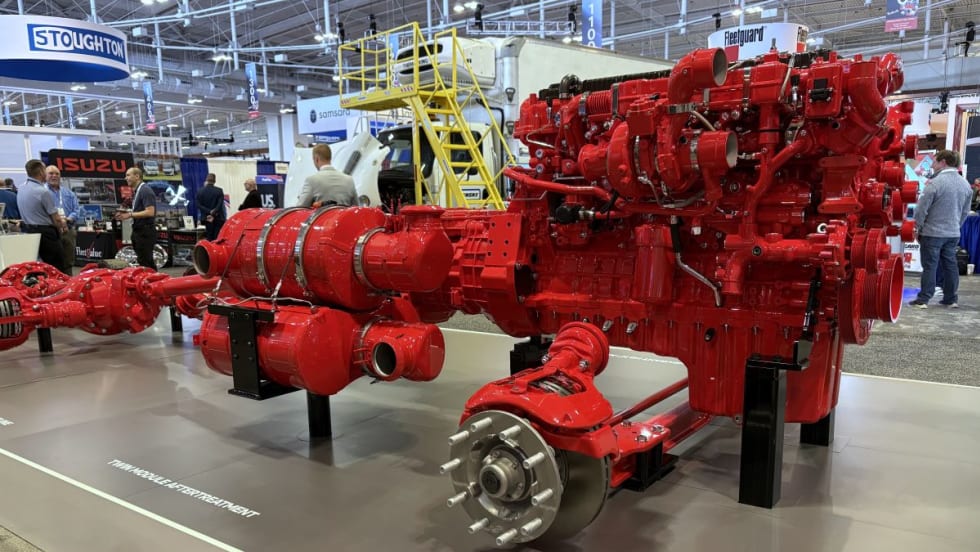
Cummins Adjusts 2027 Engine Rollout After EPA Proposal
The engine maker will gradually introduce its new Model Year 2027 diesel engines while continuing to offer current models during the transition, citing the EPA's proposed emissions rule changes.
Read More →
EPA Proposal Could Ease 2027 Truck Costs and Buying Uncertainty
The proposal doesn't change the tougher NOx standard, but it would revise key implementation requirements that manufacturers say have driven up costs and complicated fleet purchasing decisions.
Read More →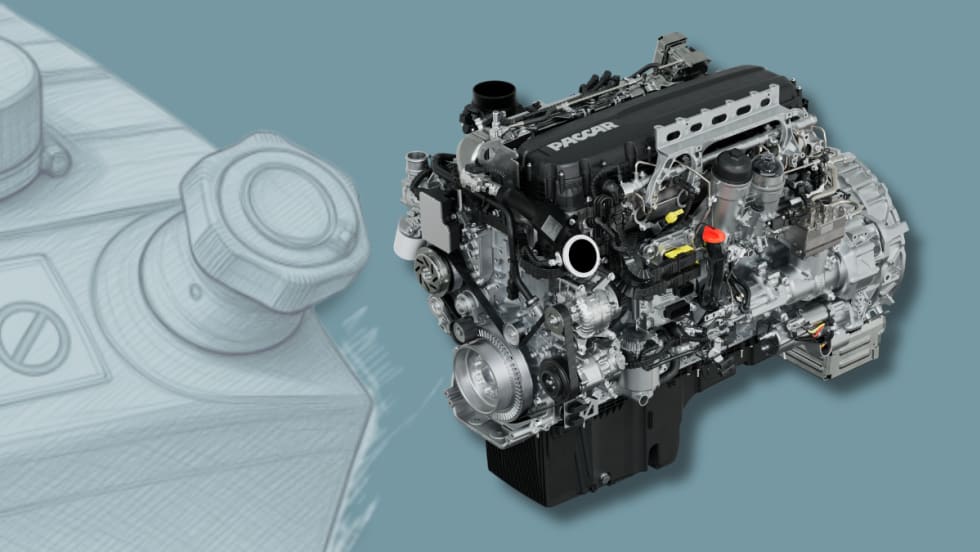
Cummins, Paccar Ease DEF Derates After EPA Guidance
Updated diesel engine software gives truck operators more time to address emissions-system issues while staying compliant with EPA emissions standards.
Read More →
Maintenance in the Messy Middle Part 3: Biodiesel
Biodiesel can reduce emissions, improve fuel-system lubricity and use existing diesel infrastructure. But NACFE’s Messy Middle maintenance report says fleets must actively manage storage, cold-weather operation, filters and oil drain intervals to avoid problems.
Read More →
Enhance Fleet Performance with High-Efficiency Auxiliary Power Units
Drive sustainable cost savings while increasing driver comfort during short- and long-haul logistics operations.
Read More →
Maintenance in the ‘Messy Middle’ Part 2: Renewable Diesel Fuel
NACFE's latest Messy Middle Powertrain Service & Maintenance report says renewable diesel gives fleets an opportunity to reduce carbon emissions without changing trucks, fueling infrastructure or maintenance practices. But technicians still need to understand several important operational differences.
Read More →
The Diesel Engine Enters NACFE’s ‘Messy Middle’
NACFE’s new Messy Middle Powertrain Service & Maintenance report says keeping modern diesel engines running now depends as much on software, diagnostics and data as traditional mechanical service.
Read More →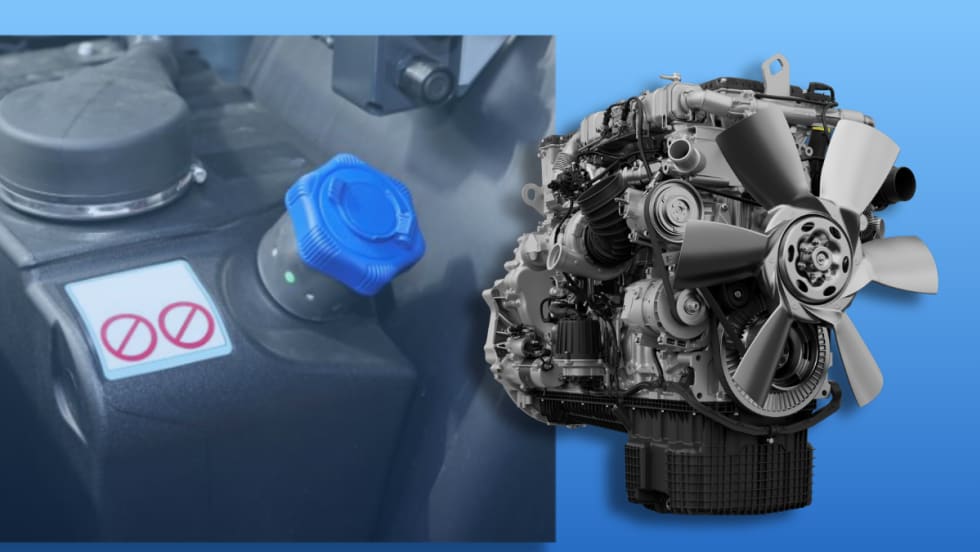
DTNA Software Update Gives Truckers More Time Before DEF Derates Take Effect
The changes reflect EPA guidance aimed at reducing downtime caused by emissions-system faults while maintaining compliance requirements.
Read More →
New Agentic Predictive Maintenance Report Demonstrates How Degraded Aftertreatment Systems Waste Fuel
Questar analyzed a large mixed-class fleet and discovered it was wasting as much as $30 in fuel per vehicle, per day, because of mechanically degraded aftertreatment systems.
Read More →
New York City's Microhub Project is Delivering Results
Trucking, last-mile delivery companies, and environmental advocates like what they are seeing so far with New York's microhub program.
Read More →