




Fuel Buying Smarts
Whether fuel is two-something a gallon or four-something a gallon, every penny you can save is another penny toward the bottom line

Whether fuel is two-something a gallon or four-something a gallon, every penny you can save is another penny toward the bottom line.
There are money-saving fuel purchasing strategies out there for every size trucking company, from owner-operators to mega-fleets.
For a while last year, fuel became the largest expense for some fleets. Even in normal times, it is the second-biggest expense for many. "How do you manage your business when you can't control your largest or your second-largest expense?" asks Brad Simons, senior vice president for Oklahoma City-based Simons Petroleum, which has offered customers fuel cost control programs since 1984.
One of the first steps in developing or improving a fuel purchasing program is to put one person in charge. At a small fleet, someone may handle it along with many other responsibilities. At a large outfit, it may take a whole department.
That's what Mississippi-based KLLM Transport Services did last spring, appointing a full-time fuel manager and setting up a fuel crisis team. "We appointed him to do nothing but manage fuel costs, from dealing with our vendors on pricing to managing the drivers who have terrible mpgs and idle time issues," explains Kevin Adams, chief financial officer.
At Ryder, one of the largest fuel purchasers in the U.S., there's a separate company, Ryder Energy Distribution Corp. A full-time staff handles purchasing of 400 million gallons a year.
Some companies find it makes more sense to outsource this responsibility. That's where the Philadelphia-based Sokolis Group comes in. Its staff of nine acts as the outsourced fuel manager for fleets of 15 to 3,000.
President Glen Sokolis says the first step, whether you're using his company or doing it yourself, is a thorough evaluation and analysis of current fuel purchasing processes and procedures.
"Some people have bulk tanks when they don't necessarily need them," Sokolis says. "Other companies send drivers out to truckstops when they could have a mobile fuel company come in and fuel them on location. Some companies have a lot of trucks and should have bulk fuel but don't."
Sokolis recommends trucking companies look at what they're paying for fuel, and ask themselves if it's a good price, and how they know it. "Audit it - don't take their vendors' word for it that it's a good price…. [Evaluate] everything from your bulk fuel to your fuel cards."
And make sure you review your fuel purchasing program on a regular basis to make sure you're still pursuing the right strategies for your company.
It's in the Cards
Fuel cards can not only offer per-gallon price discounts and rebates, but also give you more control over your fleet's fuel purchases.
Fuel cards aren't just for big fleets. With rising fuel costs, there has been increasing interest in fuel cards among guys who didn't even consider themselves "fleets."
"A lot of these guys are too small to go out and work out their own discounts or rebates," says Jake Sitler, general manager of sales for Multi Service Corp., which specializes in offering fuel cards to small fleets (30 trucks or fewer.) "We pool all of our portfolio together to negotiate discounts with the truckstops, then give that back to the customer if they run that network. It kind of levels the playing field for these smaller guys."
Size is one of the questions asked in a Web-based evaluation of fuel card options by FleetCards USA, which offers a number of fleet card programs from different providers. The company recently added a feature to its web site called FleetMatch. This service guides fleet owners through a short series of questions and comes up with a fuel card recommendation.
Even if you don't use their service, the questions are a good place to start in the process of selecting a fleet card. You need to look at how you currently purchase fleet fuel and how that's working for you; whether your fleet returns to a central facility at the end of the day; the size of fleet; and the type of business, such as landscaping, government, interstate trucking or construction.
You also need to identify what's most important to you, says Mike Noles, president of FleetCards USA. Are you more interested in the discounts or rebates you can get? Are you more worried about whether your drivers are using their cards appropriately, and therefore are more interested in cards that offer controls? Are both equally important?
"For a lot of fleets, a discount of 5 cents a gallon is nothing compared to what they could be losing because of inappropriate use by their drivers," Noles says.
With the right information and controls, a fuel card can offer controls such as limiting the number of gallons that can be bought at one time and how many times the card can be used each day.
KLLM was able to get its compliance with its fuel network and fuel optimization program up from 86 percent to 95 percent by restricting its fuel cards so they would only work at the best fueling locations as determined by the fuel optimization program. (If there is a valid reason for the driver to go to another location, he can call and get special permission.)
Another question to consider: How important is it that the card be able to be used anywhere?
"We'll find a lot of fleets go into the selection process assuming they need a card that's accepted everywhere," Noles says. "But we'll often find in consulting with a fleet, maybe a fleet has nine or 10 vehicles and they all come back to the same place at the end of the day. Really, that type of fleet wouldn't need universal coverage, just one fuel station close to where their depot is."
Another thing to keep in mind when evaluating fleet cards is how the fees you pay stack up against the discounts you get. And it's not just the fees YOU pay that matters. Sokolis says if a fuel card is expensive from the retailer's standpoint, you may not get as big a discount.
Some small fleets may be tempted to just use a MasterCard or other general credit card that lets them earn airline miles or other bonuses. But Danielle Viduarro, director of sales for TruckersB2B, which offers rebates to trucking companies through fuel cards, says that's not always a smart way to go.
"A, they're paying credit card price instead of cash price," she says. "B, they're losing control over what that driver's buying. He could go do his Christmas shopping at Wal-Mart and leave the company the next day. And C, they're not earning rebates on fuel."
Building a Network
Most carriers of any size will negotiate a discount deal with truckstops. These discounts are typically "retail minus" (a cents-off discount off the retail price) or "cost plus" (a certain amount over the truckstop's cost for the fuel.) For larger companies, some deals can automatically give you the better deal each day, cost-plus or retail-minus.
"The problem with retail minus is, if you're paying a high price for retail, you're still paying a high price with the discount," says John Rettiger, vice president for TAC Energy, a nationwide bulk fuel distributor that offers a number of price control programs. "The thing with cost plus, very rarely can a customer accurately explain exactly what the cost is. Is it a published index, is there a pumping fee, does it include freight?"
As Sokolis says, "Retail minus sounds like a good deal, but if someone sets the price of fuel at $6 a gallon and offers 20 cents off, how good a deal is that?"
Should cardlock facilities be part of your network? They have the advantage of convenience, being typically located in industrial parks where trucks have to go to pickup and deliver, and there's nowhere for drivers to waste time buying snacks or playing video games. However, Sokolis says, you could pay a high price for that convenience. Cardlocks typically aren't required to post the price on site, he says. The key is to make sure you've negotiated a good rate.
More Fleet Management

Trimble’s New AI Agent Takes Aim at Fleet Back-Office Busywork
Arc Agent works across Trimble TMS products to automate repetitive tasks such as freight orders, maintenance, invoices, fuel costs and more.
Read More →
How HDT’s 2026 Truck Fleet Innovators Are Rethinking Fleet Operations
Meet five trucking leaders who are challenging assumptions, solving operational problems, and putting innovative ideas to work.
Read More →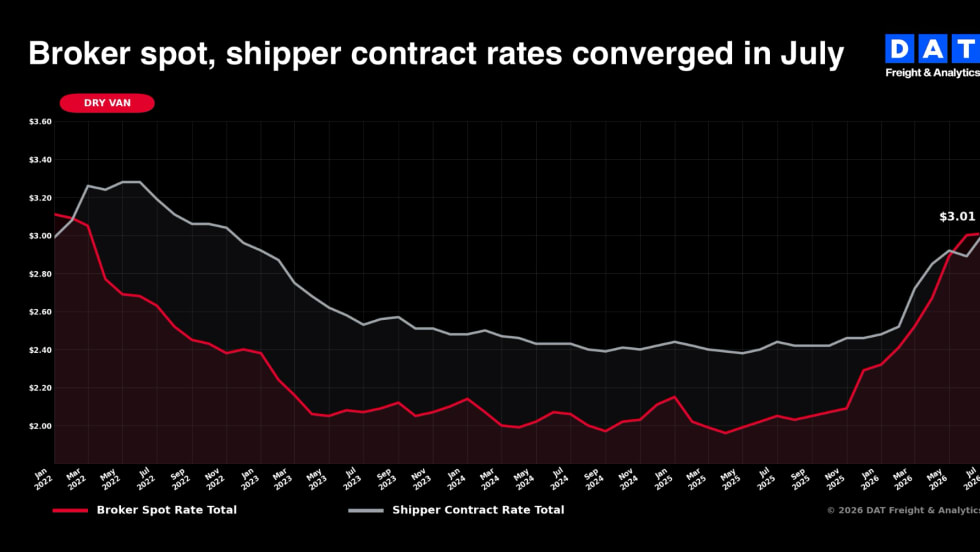
Tight Trucking Capacity Pushes Rates Higher Even as Freight Volumes Fall
“Spot rates moving ahead of contract rates have historically signaled a tightening market, but we haven’t seen a capacity-driven market quite like this one,” said DAT's Dean Croke.
Read More →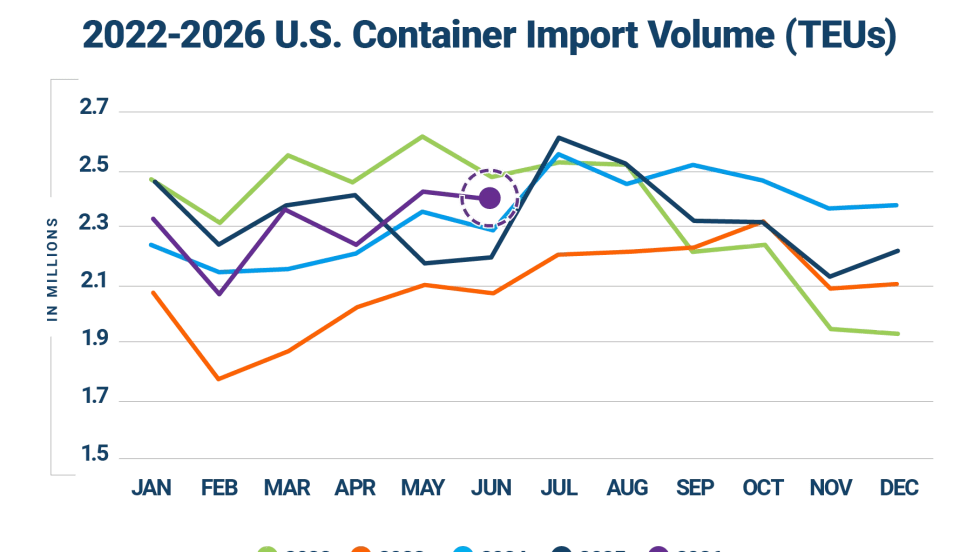
Import Cargo’s Early Peak Season is Winding Down
There was an early start to peak season this year at the nation's gateway ports, as retailers brought in merchandise ahead of tariff changes in late July and responded to other supply chain uncertainties,
Read More →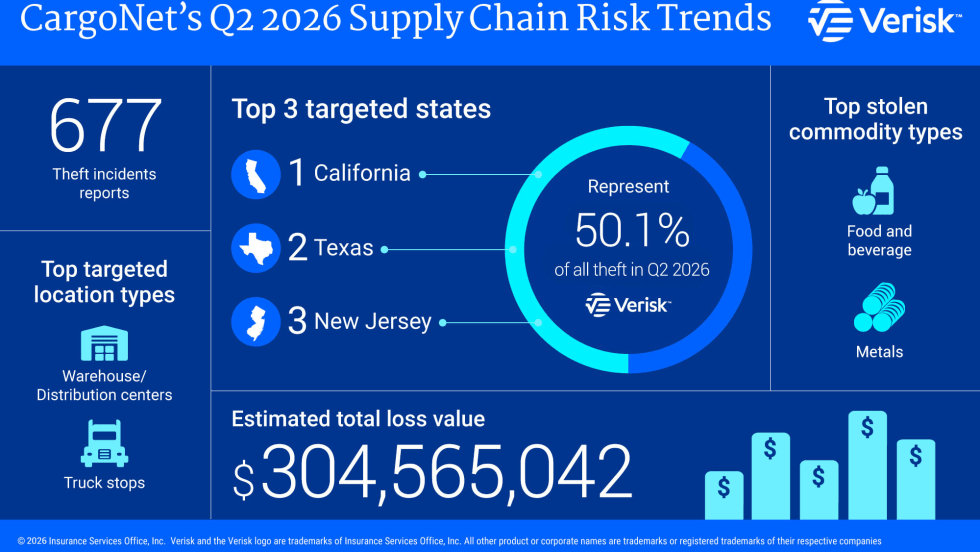
Fewer Cargo Thefts, Bigger Losses: Criminals Target Higher-Value Loads
CargoNet says organized theft rings are stealing fewer shipments but choosing more valuable freight, including metals and technology, resulting in record losses.
Read More →
How Innovative Trucking Leaders Turn Change Into an Advantage
As the pace of change accelerates in trucking, the fleets that adapt best have more than the latest technology. They have cultures that embrace improvement.
Read More →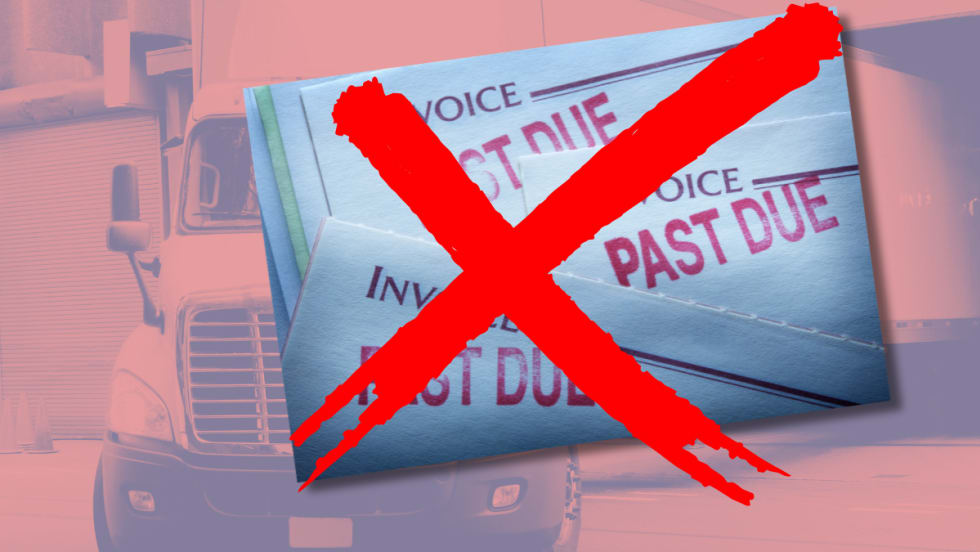
Freight Broker Bonds Just Got Harder to Get. Here's What That Means for Your Fleet.
When it gets harder for a freight broker to prove they are financially sound, the ones who cannot clear that bar get pushed out of the market. And those are exactly the brokers who used to leave motor carriers holding the bag.
Read More →
Long-Awaited Canadian Border Bridge to Open in Detroit
For trucking, the bridge opening should offer immediate improvements in efficiency and reliability, with new customs facilities, expanded inspection capacity, and direct freeway-to-freeway connections.
Read More →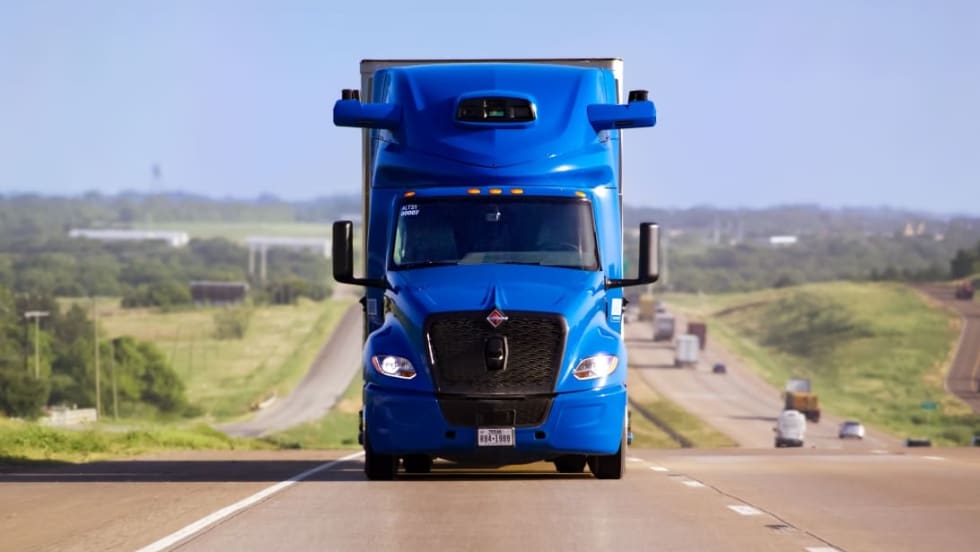
Aurora Rolls Out Next Generation of Driverless Trucks for Commercial Freight
Aurora's latest autonomous trucks it's rolling out with International feature lower-cost hardware designed for a million miles as the company expands commercial driverless freight operations across the U.S. Sun Belt.
Read More →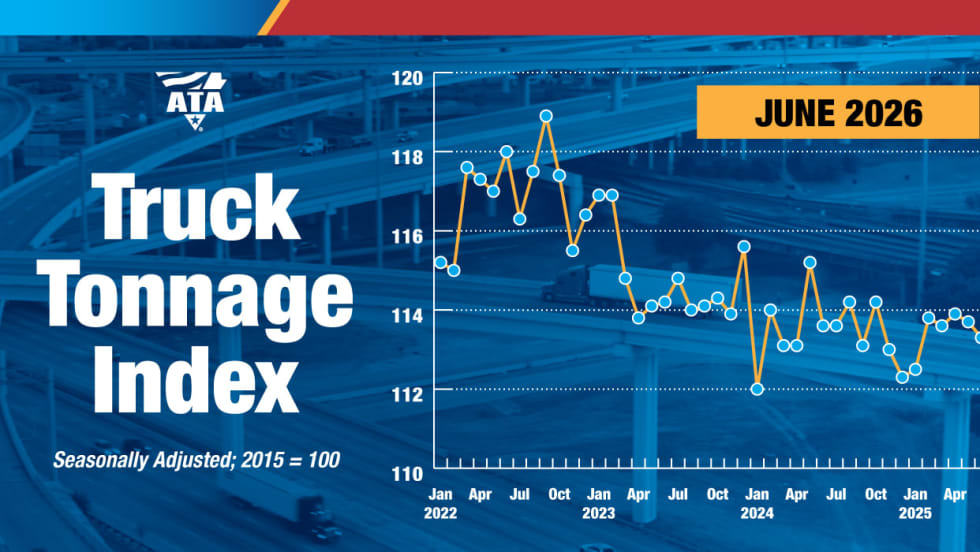
Freight Tonnage Down, Rates up, as Lower Capacity Powers Trucking Recovery
The recovery from the freight recession continues to be driven by reduction in capacity rather than by increased demand.
Read More →