




ELD Lessons Learned So Far, Part 2: Vendors
"There are quite a few bad ELD vendors out there... They probably should have never been certified, but remember, this is a self-certification process." Find out more about the challenges with ELD devices in this report.

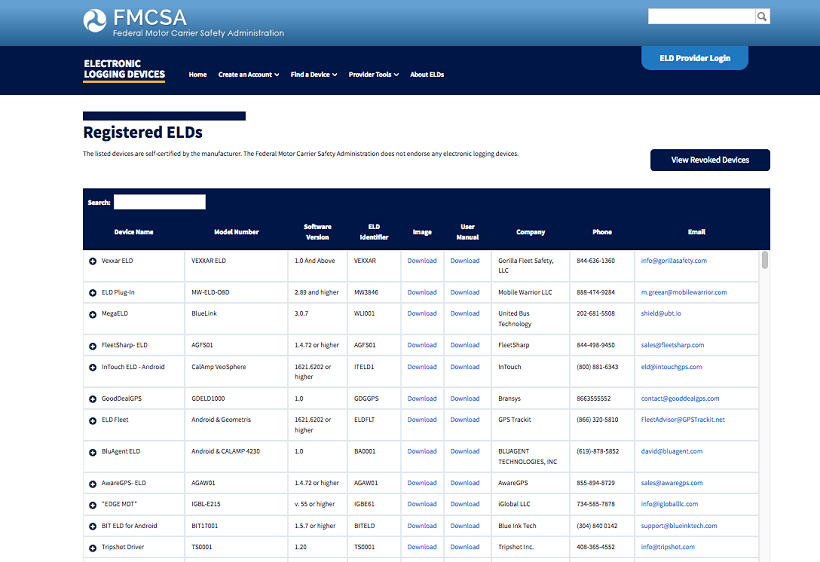
One of the growing pains of the ELD mandate can be found in the FMCSA's self-registering process. Some of the first ELD vendors proved to be fly by night operations.
Screenshot via FMCSA
The ins and outs of dealing with electronic logging devices extend from what happens roadside (see Part 1 of this series) back to what is still happening with some suppliers of actual ELD units, pointed out Annette Sandberg, CEO of TransSafe Consulting and a former administrator of the Federal Motor Carrier Safety Administration, during a recent HDT webinar on the ELD mandate presented by Omnitracs.
“We’ve [been seeing] technical challenges from an ELD manufacturing standpoint,” said Sandberg. “And we will continue to probably see these for the next few years as some of the technical issues within the rule get worked out.”
At the time of the webinar, there were 209 unique ELD manufacturers registered with FMCSA and 364 unique devices registered— with more being added regularly.
Sandberg said a “pretty big” issue is that “there are quite a few bad ELD vendors out there. I'm sure some people have come across them and their systems. They probably should have never been certified, but remember, this is a self-certification process, where the vendor just simply says that they're compliant – but they may not in fact be compliant. So, those bad ELD systems have created additional challenges.
“Not all ELD manufacturers are equal,” she continued, noting that “we saw a lot of manufacturers rush into this space. A lot of these are companies I've never heard of in the trucking industry before, and so it is fairly significant that we're seeing a lot of vendors come in that may not necessarily be well-versed in the U.S. trucking industry space.”
Sandberg observed that at the beginning of the year, there were quite a few device failures. "Some of those vendors had to ask for additional time from FMCSA to get their systems fixed," Sandberg said, with some asking for multiple extensions. "And I've talked to quite a few fleets that have had their systems fail as well.
"If you happen to have one of those devices, I'm sorry because I know that that's very frustrating to you as a company if you invested money. And it's frustrating to drivers to continue to have their system fail when probably they didn't want to have the device in the first place.” Yet another downer she pointed out is that “carriers and ELD manufacturers face contractual issues when there are system failures.”
Technical Issues with ELDs
On top of all that, Sandberg said there are also “real basic technical issues” to deal with.
For instance, there has been the inability to properly capture necessary data from the engine, and that results in malfunctions. "Sometimes it depends on the type of truck," Sandberg explained. Every engine maker's electronic controls are different. "Wo ELD vendors have struggled to go from one type of truck to another to another. Sometimes it even changes from year to year in the same make of truck. So, let's say, you have a 2017 vs. a 2018 of a particular brand of truck. It could handle the ELD system differently.
“Additionally, there have been gaps in data, and the way it displays roadside. [The industry is] continuing to work through some of those technical issues. And then FMCSA has had some issues with their file transfer site. When somebody needs to upload a file to an enforcement officer, sometimes it doesn't always work, or... the driver doesn't understand how to actually transfer the file. And so there have been some problems in that area as well.”
One-Size-Fits-All ELD Rules ... That Don't Fit
But wait, there’s more. “Some [types of trucking] operations are really not accounted for in the rule, and it's difficult to fit into the existing technical framework,” said Sandberg. “Some examples that we've seen are carriers with multiple DOT numbers, and they want to have everything under one umbrella instead of having seven separate log-ins. Or a mix of exempt and non-exempt operations using the same truck, where the non-exempt people don't need to log in, but the mileage and everything is still being recorded on the device. And then all of a sudden a non-exempt driver logs in and they have all this unassigned drive time that pops up.
“And then, obviously, there are all the ELD exemptions and exceptions that continue to be a moving target. We see bills introduced in Congress every day to change the hours of service or give additional exemptions to different groups, and with all of that changing, it makes it very difficult to stay ahead of all those changes from an ELD manufacturer’s standpoint.”
More Electronic Logging Devices (ELDs)
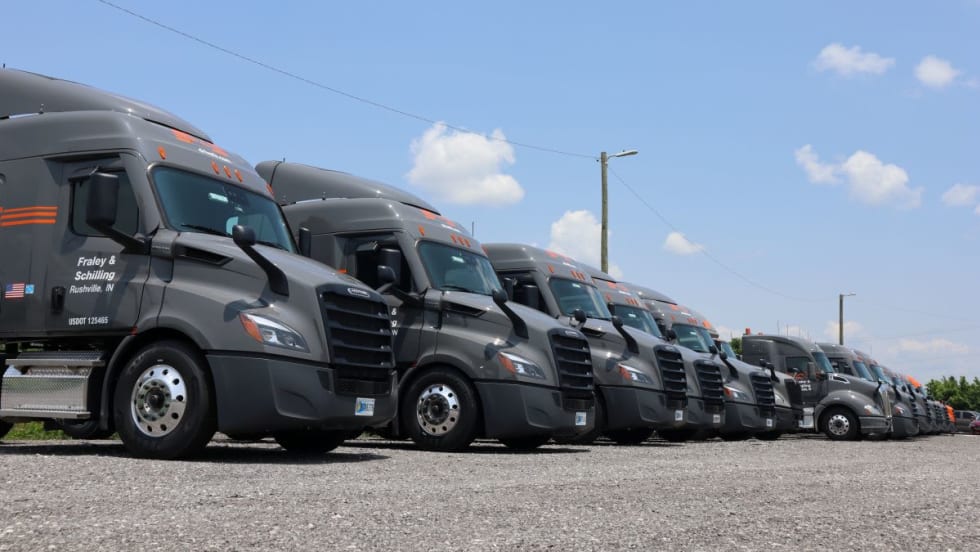
How Fraley & Schilling Improved Logbook Compliance by Over 50%
Fraley & Schilling needed a way to close a compliance workflow gap in its ELD system without adding more work from driver training, reminders, and back-office follow-ups. It found the answer in a custom driver app.
Read More →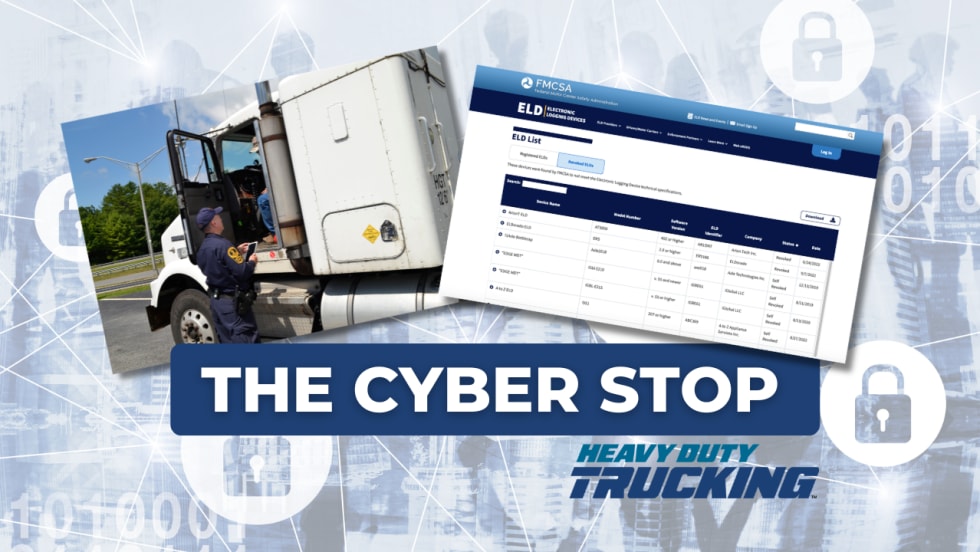
The Hidden Problem Behind FMCSA's ELD Revocations
NMFTA researchers say dozens of registered ELDs may be built on the same software platforms, allowing compliance and security concerns to persist even after individual devices are removed from the market.
Read More →
Basic Tracking vs Next Generation Fleet Technology
Fleet software is getting more sophisticated and effective than ever, tying big data models together to transform maintenance, safety, and the value of your existing tech stack. Fleet technology upgrades are undoubtedly an investment, but updated technology can offer a much higher return. Read how upgrading your fleet technology can increase the return on your investment.
Read More →
The ELD Hacking Threat: Q&A with Serjon's Urban Jonson
Electronic logging devices are easy prey for hackers looking to gain access to your fleet's data and IT systems. Urban Jonson with Serjon tells HDT what bad actors hope to achieve by hacking into ELDs and how fleets can protect themselves.
Read More →
How Trucking Fleets Can Get Control of False Driver Logs [Video]
Truck driver log falsification violations can lead to out-of-service orders, fines, bad federal safety scores, failed DOT audits, civil penalties, even nuclear verdicts. What can motor carriers do?
Read More →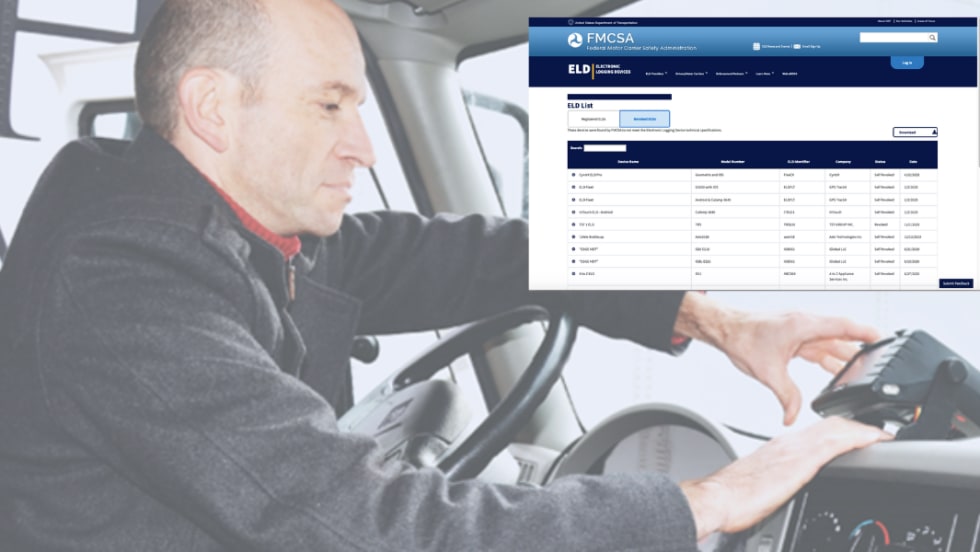
FMCSA Revokes 10 ELDs
Ten more electronic logging devices have been removed from the Federal Motor Carrier Safety Administration's list of registered ELDs fleets and drivers can use to meet the mandatory ELD regulations.
Read More →
FMCSA Removes 2 ELDs from List of Registered Devices
The Federal Motor Carrier Safety Administration has removed Falcon ELD and KSK ELD from its list of registered, self-certified electronic logging devices.
Read More →
FMCSA Outlines Plans for Driver Detention Study
The Federal Motor Carrier Safety Administration plans to study driver detention, expecting approximately 80 carriers and 2,500 drivers to provide data.
Read More →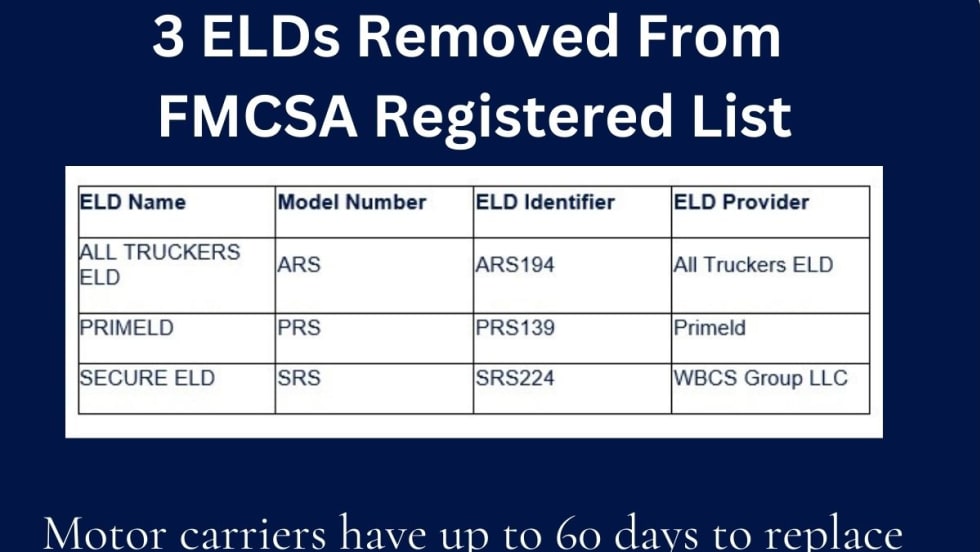
FMCSA Removes 3 ELDs from Approved List
The Federal Motor Carrier Safety Administration has placed three more electronic logging devices on the Revoked Devices list after they failed to meet the minimum requirements.
Read More →
New Transportation Management System for Small Fleets
T3 Tech launches TrueTMS, a transportation management system for small trucking fleets.
Read More →