




Cut Costs with an Accident Management Program
Most trucking companies are not taking advantage of a proven way to achieve significant net cost reductions: outsourcing their accident management program
Most trucking companies are not taking advantage of a proven way to achieve significant net cost reductions: outsourcing their accident management program.
By partnering with the right company, a truck fleet can cut the net cost of accidents by tens of thousands of dollars a year or more in a number of ways.
First, an outsourced provider with a strong nationwide network of pre-qualified collision repair centers can save money on towing expenses. Towing can be expensive, especially when you tow a wrecked vehicle hundreds of miles because you don't know of a reliable repair shop near the accident site. Third-party accident management companies structure their network to be sure that a high-quality repair shop is never very far from where their customers might have a wreck.
Secondly, an accident management firm can secure priority service with shops because the shops rely on them for volume business. This means faster cycle time on repairs and reduced storage and rental vehicle charges.
Third, at CEI we have a team of licensed physical damage appraisers who scrub every estimate, looking for the most cost-effective means of delivering a high-quality repair, and we document what we save on every repair. Last year, we saved our fleet clients more than $7 million on repairs, and on trucks the savings can be as much as 10% or more on a single repair.
Fourth, even among the most advanced truck fleets, a significant percentage of collision repair expenses aren't traced to documented accidents. A number of fleets don't track incidents for small damages, but they can add up to a big number. According to the Federal Motor Carrier Safety Administration, in 2009 property damage-only collisions cost commercial vehicle operators $5 billion, or about $15,000 per accident.
Keeping cumulative records of minor damage, such as broken mirrors or cracked bumpers, could alert fleet managers to change to equipment more resistant to damage or identify types of accidents where driver training may be needed. You can do this in-house, but outsourcing may make it easier.
Finally, an accident management company can dramatically increase the money a truck fleet collects from at-fault third party drivers. Many trucking companies have cut back on headcount, and the top priority of fleet management departments is to get trucks back on the road. I've had many fleet managers tell me collecting for damages is an area they'd like to improve upon, but just don't have the resources.
At CEI, we have an entire department devoted to collecting damages for our client fleets, and they recover more than $35 million a year. They pursue claims for around 30% of all the accidents we handle, and recover well over 90% of the dollars they seek. And they do it fast. Since we handle the repairs, we can start the recovery process within hours after we're notified of an accident, and we collect, on average, in 55 to 60 days after sending the demand.
When you consider that 75% of truck accidents are caused by the other driver, and that individual truck repairs can be quite expensive, you're looking at the potential of making a major reduction in the cost of a truck fleet's accidents if you achieve that kind of success.
Luann Dunkerley is national business development manager for truck and service fleets at The CEI Group Inc.
More Fleet Management

How Innovative Trucking Leaders Turn Change Into an Advantage
As the pace of change accelerates in trucking, the fleets that adapt best have more than the latest technology. They have cultures that embrace improvement.
Read More →
Freight Broker Bonds Just Got Harder to Get. Here's What That Means for Your Fleet.
When it gets harder for a freight broker to prove they are financially sound, the ones who cannot clear that bar get pushed out of the market. And those are exactly the brokers who used to leave motor carriers holding the bag.
Read More →
Long-Awaited Canadian Border Bridge to Open in Detroit
For trucking, the bridge opening should offer immediate improvements in efficiency and reliability, with new customs facilities, expanded inspection capacity, and direct freeway-to-freeway connections.
Read More →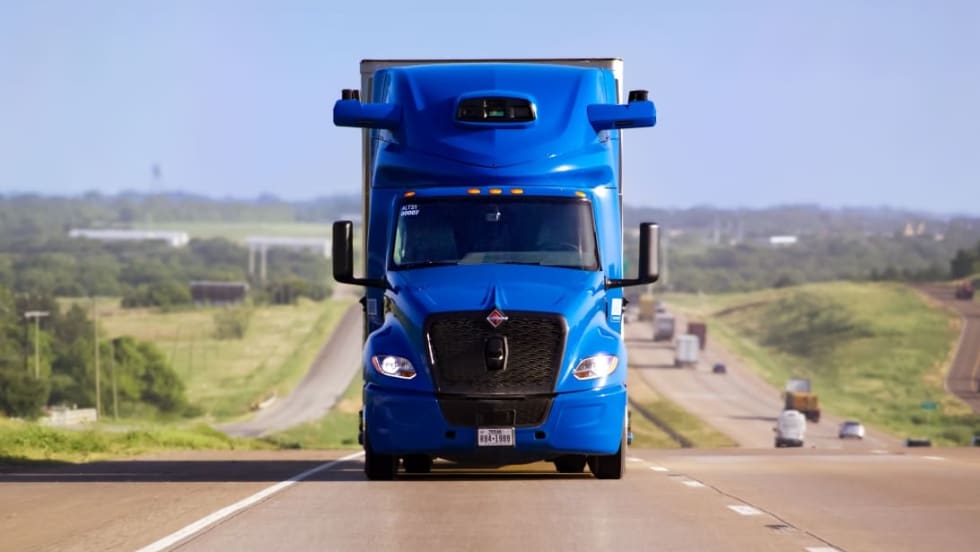
Aurora Rolls Out Next Generation of Driverless Trucks for Commercial Freight
Aurora's latest autonomous trucks it's rolling out with International feature lower-cost hardware designed for a million miles as the company expands commercial driverless freight operations across the U.S. Sun Belt.
Read More →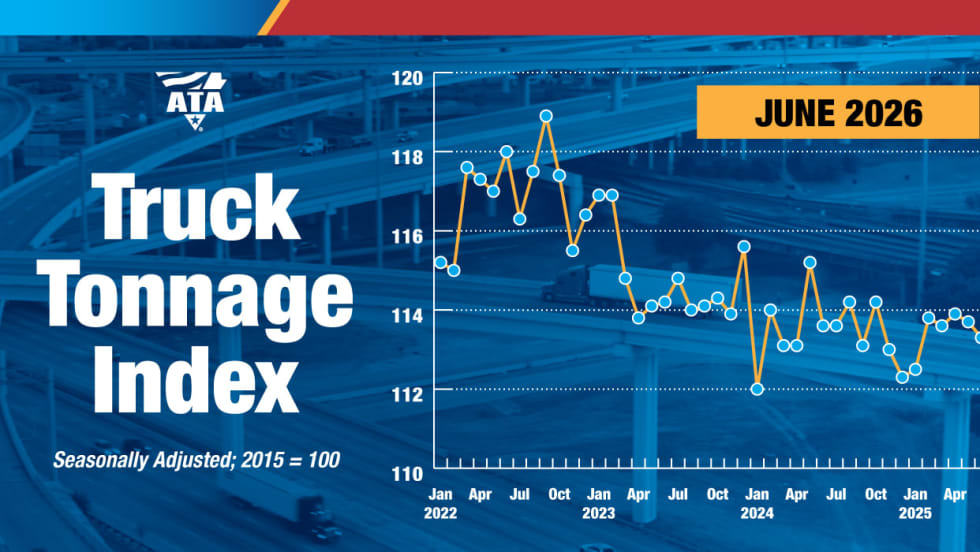
Freight Tonnage Down, Rates up, as Lower Capacity Powers Trucking Recovery
The recovery from the freight recession continues to be driven by reduction in capacity rather than by increased demand.
Read More →
Think Your Trucking Fleet Isn't Using Much AI? Think Again
Shadow AI — the use of unauthorized artificial intelligence tools at work — is becoming increasingly common, putting sensitive company data at risk. Learn how trucking fleets can protect sensitive data while embracing AI.
Read More →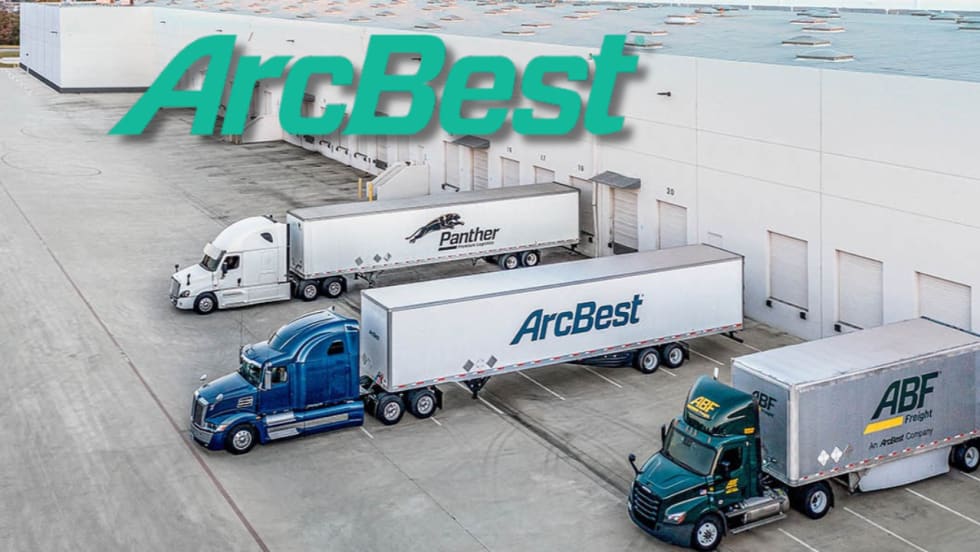
ArcBest Consolidates Brands, Cuts Workforce
The company will bring three business units under the ArcBest brand, eliminate about 2% of positions, and expects the changes to generate $40 million in annual savings.
Read More →
Trucking Fleets Faced Record Operating Costs During Third Year of Freight Recession
ATRI's annual operational cost report shows carriers trimmed fleets, delayed equipment purchases, and ran older trucks as expenses continued to outpace freight rates.
Read More →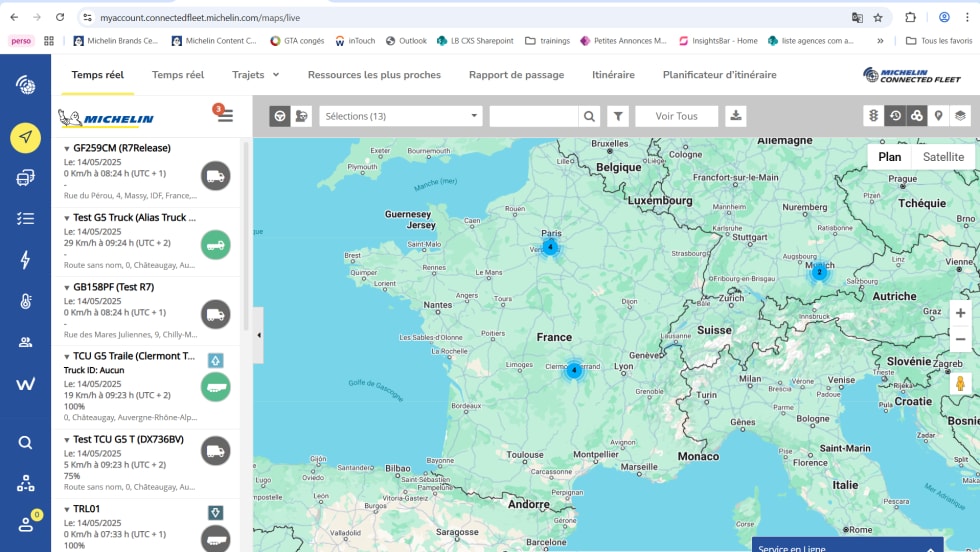
Michelin Adds AI Assistant to MyConnectedFleet Platform
Michelin’s new generative AI tool delivers instant fleet insights, helping managers analyze fuel use, tire maintenance, vehicle status, and operational performance without manually creating reports.
Read More →
LytxOne Platform Now Features AI, Compliance, and Asset Tracking Tools
New enhancements add AI-powered insights, asset tracking, compliance automation, and configurable privacy controls to Lytx's all-in-one fleet management platform.
Read More →