




Customers: Give 'em What they Want
A few three-martini lunches and a hunting trip won't hurt your chances of keeping a good customer, but it will take more than a few perks to keep today's fleets coming back

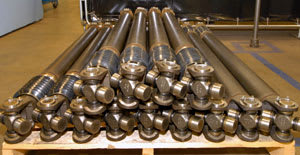
A few three-martini lunches and a hunting trip won't hurt your chances of keeping a good customer, but it will take more than a few perks to keep today's fleets coming back.
But not a lot more.
Before you book a big-game safari to deepest Africa for your best customers, ask them what they really want. You may discover you already have the key to a better relationship.
The solution lies not in imposing what you think is a better system on your customer, but offering your customers what they want. Although certain ways of doing things can bring efficiencies to your operation, they may in fact be barriers to a better relationship.
Speaking at a business session during Heavy Duty Aftermarket Week in Las Vegas earlier this year, John Wensel, president of Wensel's Service Centers in Spring City, Pa., told attendees that time is more critical than ever for today's national fleets.
"We know fleets are willing to spend a little more on certain things because they want uptime," he said. "There are no extra trucks on the road today, so many are more willing to pay a premium [for faster turnarounds]. That wasn't the case five years ago."
Wensel has added a triage bay to his shop to handle itinerant business, over and above his regular workload. His triage bay gets a truck in the door quickly for a preliminary look. From there, he can make a diagnosis, provide an estimate on repair time and cost and order parts (if needed and upon approval).
That gets done right away, so customers knows where they stand. He said fleets can live with delays if they know what's going on.
Wensel spent several years as a national fleet maintenance director, so he knows what he's talking about. He has tailored his business to serve a market he knows well.
Don Nugent, purchasing manager for U.S. Transport in Denver, echoed what Wensel was saying.
"Downtime to me isn't when a truck is in our shop for scheduled maintenance. It's when a truck goes down somewhere we don't have a presence," he said. "A lot of people will try to take advantage of that fact, so I'm quite prepared to pay a premium to keep the long-term problems to a minimum."
Time is money
Few industries are as sensitive about time as trucking. On top of customers demanding on-time service, the newest wrinkle is the labor shortage, especially in the long- haul/truckload segment. Fleets don't want to give drivers any reason to pack up and quit, including delays in getting trucks repaired. Downtime for a truck is downtime for a driver, too.
Kyle Treadway, dealer principal of Kenworth Sales Co. in West Valley, Utah, said a combination of factors has placed a much greater emphasis on time and efficiency for fleets today, and the service provider that can minimize disruption for a fleet will have it made.
"It's a combination of factors that determines where and when the customer will get service work done," he said. "With hours of service and the labor issues, the 'when' is critical because it impacts fleet and driver productivity. Nobody wants to give a driver anything more to complain about today."
Treadway says the most common customer requests are 24/7 support, replacement vehicles, and pickup and delivery of trucks for service. Wensel said although he can't provide replacement trucks, he can offer pickup and delivery.
"I know a lot of retired truckers who are looking for something to do," he said. "I can send them out to get a truck for a fraction of the cost of sending a tech out. It's easy for me, and it means a lot to my customers."
Optimize your inventory
"You can't sell what you don't have, but on the other hand, you need to stay on top of your inventory so what you have is selling," said Robin Spitzke, president of Fort Garry Industries in Winnipeg, Manitoba. She was describing the juggling game every parts distributor goes through.
"Our product lines are not unique; we carry the same stock as our competitors," she said. "We differentiate ourselves by using technology to optimize our inventory. Each of our 20 locations and our field team has immediate access to inventory and product information so they can respond better to customer inquiries."
According to Spitzke, the best way to stay on top of parts trends is to listen to your customers. "Find out what they are buying and where, and be ready to diversify your product lines to meet their needs," she suggested. "Always be on the lookout for opportunities. Something as simple as changing your business hours could open doors to a new customer."
In the Internet age, customers can do business with anyone in the world. If you want them to keep coming to you, you have to do business on their terms and have what they want when they want it.
E-Commerce: Does it work for you or against you?
Although doing business online is a great way to strip cost from the retail distribution model, it's not the be-all and end-all in parts sales.
Robin Spitzke of Fort Garry Industries in Winnipeg, Manitoba, is a big proponent of e-commerce.
"If you are simply submitting a list of parts, if you know what you want to order, doing it electronically is much more accurate, it's quicker, and it frees up resources to deal with problems," she said.
However, she was quick to point out that not all customers are created equal.
"You have to recognize the needs of the market segment: Are they looking for one-stop shopping, inventory management, service? You have to design your programs to serve [your customer base]. This isn't a one-size-fits-all industry."
Don Nugent, purchasing manager for U.S. Transport in Denver, admitted he's not keen on buying parts online.
"I've tried it a few times and wasn't happy with the outcome." He prefers to talk with the counter person face
to face or over the phone, where he can ask questions about alternatives, different brands, warranties, etc.
"I call right into the counter person, and in 45 seconds I'm onto who I need to speak with," he said. "The training and product knowledge they have is incredible."
Although Nugent never said as much, his preference for contact with human beings could well be a product of his life status. The same can be said for many others of his generation.
Kyle Treadway, president of Utah-based Kenworth Sales Company, indicated that the customer base dictates how you should be conducting business. "The biggest driver here is the nature of the workforce," he said. "The younger generation is more inclined to use the Internet for business transactions."
He also indicated that as the veteran parts guys retire, the new people coming in behind them won't have the same hands-on experience. "As the experienced workers leave the industry, we'll need to rely on systems to bolster reliability."
Although there certainly are economies in doing business electronically, for some time to come there likely will be a preference for face-to-face transactions. You don't want to intentionally alienate a portion of your customer base by making it harder to do business their way, even if it costs a little more.
From the July/August issue of HDAJ.
More Aftermarket

What Three Fleets Are Doing Differently When Buying Truck Parts in 2026
With freight improving but costs still climbing, fleet maintenance executives explain how they're balancing price, quality, and supplier relationships.
Read More →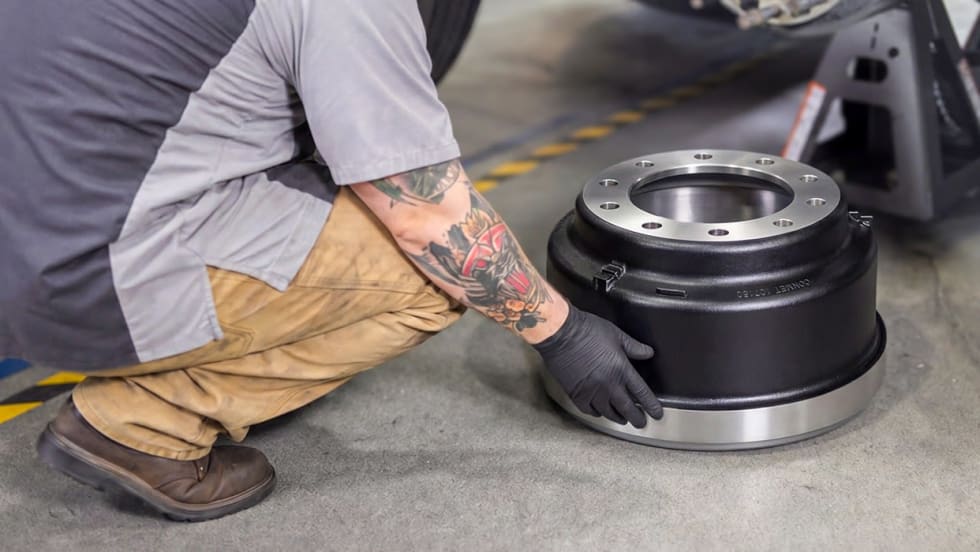
ConMet Expands Aftermarket Brake Drum Lineup With TruCast
A new heavy-duty truck brake drum option in the aftermarket gives customers more flexibility within the ConMet product family.
Read More →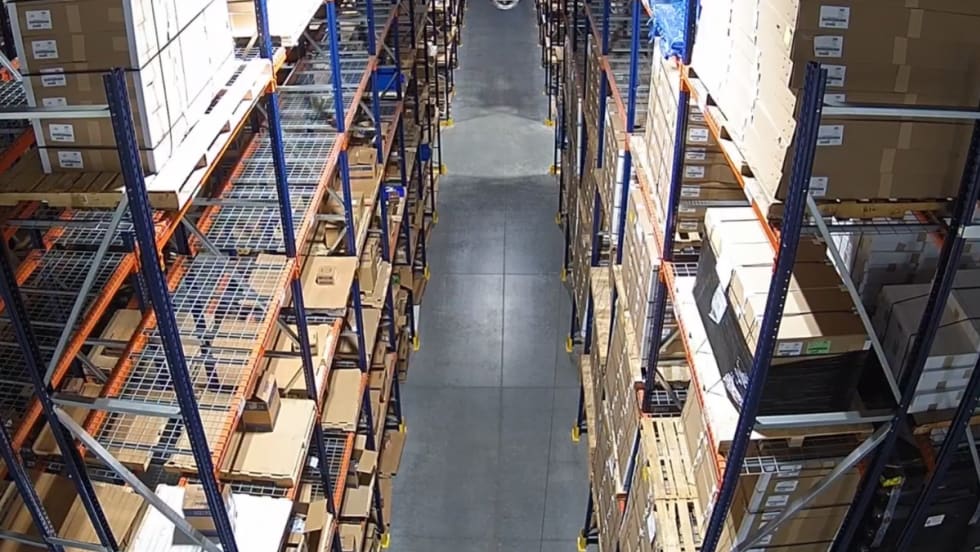
Phillips Opens High-Tech Distribution Center for Faster Parts Delivery
Phillips Industries’ new Cincinnati-area distribution center is now shipping aftermarket trucking parts nationwide, aiming to speed up delivery times for customers.
Read More →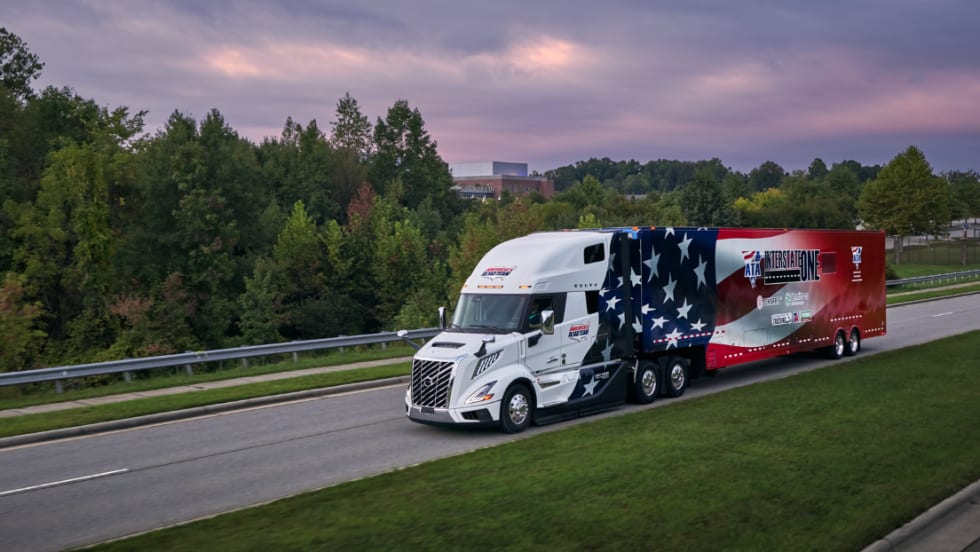
Volvo to Sponsor America’s Road Team for 2025
Volvo Trucks announced that it is extending its exclusive sponsorship of America’s Road Team for 2025.
Read More →
Webb to Start Taking Orders for UltraSet Pre-Adjusted Wheel Hubs
Webb, which recently acquired the Stemco Trifecta pre-adjusted hub program, will soon start taking orders for its replacement pre-assembled hub, the UltraSet.
Read More →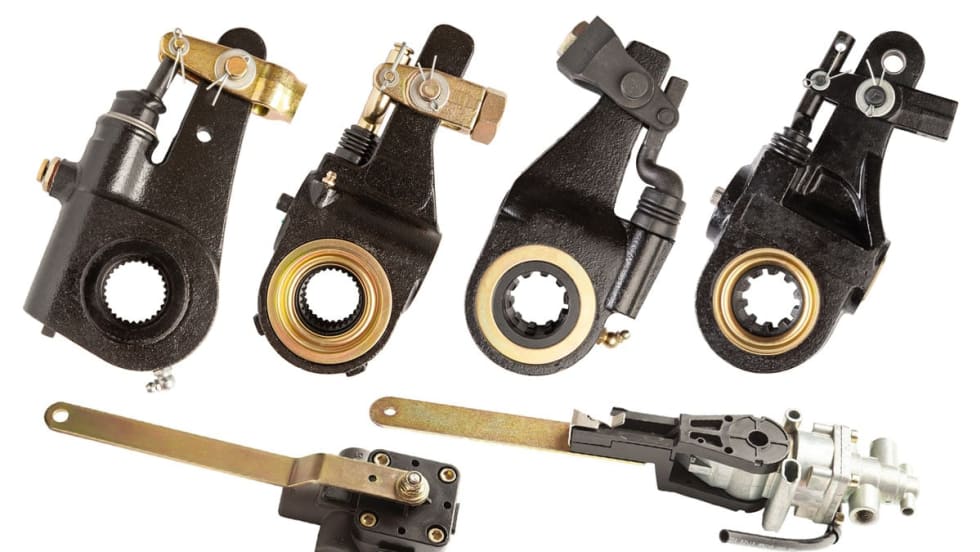
All-Makes Automatic Brake Adjusters, Ride Height Control Valves from Midland
SAF-Holland has added automatic brake adjusters and ride height control valves to its Midland All-Makes Program.
Read More →
ZF Aftermarket Expands [pro]Academy Training
ZF Aftermarket said it is expanding its ZF [pro]Academy training and will be adding 40 new modules this year.
Read More →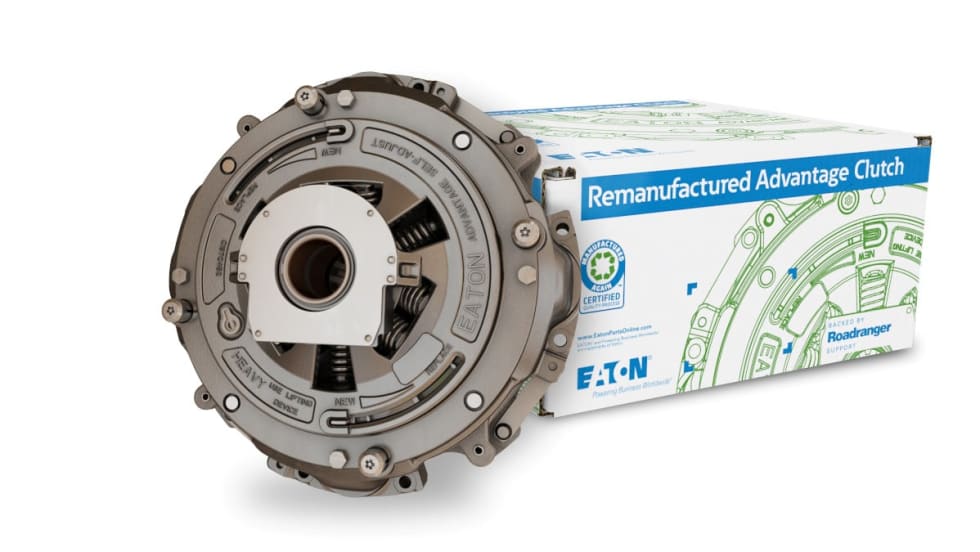
Eaton Adds Remanufactured Advantage Line of Clutches
Eaton has added its Advantage clutches to its remanufactured product line. The clutches feature a unique strap drive intermediate plate designed to allow customers to choose the latest OE specification
Read More →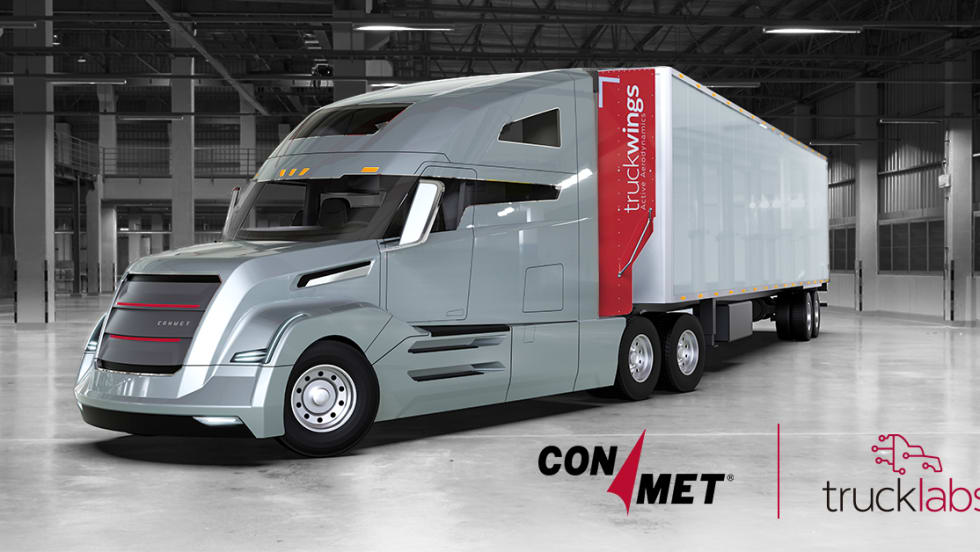
ConMet Acquires TruckLabs, the Creator of TruckWings
Commercial truck and trailer parts provider ConMet acquired TruckLabs, the company that created TruckWings, an aerodynamic device that attaches to truck cabs and deploys to close the gap between truck and trailer. TruckLabs now operates as a subsidiary of ConMet.
Read More →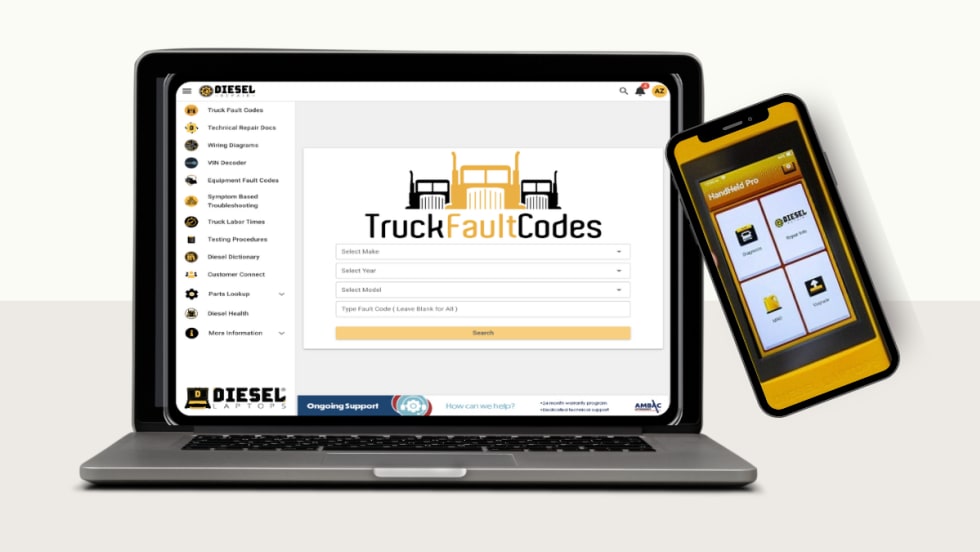
Diesel Laptops Releases Fault-Code-to-Part-Number Tool
Diesel Laptops said its Truck Fault Codes allows users to input a fault code and immediately identify and order the parts needed to complete repair work.
Read More →