




Creating Peace In The Shop
Your drivers and your mechanics need not be adversaries, even though they speak different languages.

Back when I was a television news photographer, the utmost in frustration wasn't the daily grind. Nor was it the assignment editor who wouldn't know real news if it bit him. No, it was having to depend on the engineering department when a camera wasn't working right. Blank stares and lack of urgency on their part often made me wonder if I could get away with justifiable homicide.
The difference between that situation and your drivers is, I had to have the camera to do my job. If a driver spots an irregular tire wear problem and he gets the same kind of attitude from your technicians that I got from the TV station's engineers, chances are he won't bother reporting it next time.
Training drivers to take care of their tires and wheels doesn't necessarily begin with instructing them to look for specific potential problems. Instead, it starts with making sure that when they do have an equipment issue, they are going to be listened to by mechanics who will make the repairs in a timely manner.
"For the most part I don't think fleets need to teach [drivers] much more than to check for air pressure and looking at wear and tear characteristics when it comes to tires," says Darry Stuart, president of the fleet consulting firm DWS Fleet Management Services. "If drivers don't feel comfortable that the shop will take care of a problem within a reasonable amount of time, they won't write it up."
Stuart says any time he goes into a fleet and the maintenance practices are less than desirable, technicians always say the drivers fail to report problems with their equipment. At the same time, one of the most common complaints at driver meetings is, "Why should I write it up? They don't take care of it anyway."
At many carriers, the drivers and the maintenance force seem to be adversaries, says Joe Stianche, fleet manager for Sanderson Farms in Laurel, Miss., where he's responsible for some 350 big rigs and a total of 1,600 vehicles. Stianche is also chairman of the Tires & Wheels Study Group for the ATA's Technology and Maintenance Council. Technicians think drivers tear up the truck, and drivers say mechanics never get it fixed right.
"When a driver comes to the shop, he wants to be somewhere else, so that driver is already in a bad state of mind," Stianche says. "The mechanic probably has got more to do than he's able to that day, so when the driver shows up in the shop, he's in a bad state of mind, too. But the fact of the matter is, the driver needs a safe vehicle, and the mechanic's job is to fix it."
One way your fleet can help avoid bad feelings between drivers and mechanics, Stuart says, is to make sure the shop understands the language the driver is talking, and is responding to their needs after the driver's been in a truck for 12 to 14 hours a day.
"Mechanics need to understand their job is not just fixing trucks, but managing the assets. Maintenance is the support that drivers need to run up and down the highway," he says. Stuart says this doesn't mean that drivers are right about everything, and sometimes management has to become a mediator. "To some degree, the driver speaks one language and the shop speaks another, and unless you have got management to ensure the translation, then you set up a wall," he says.
Whether it's a tire problem or anything else on a truck, if a driver thinks the shop is willing to listen to him, the technician is also more likely to get valuable feedback from a driver. For example, listening to driver concerns about issues with vibration or trailer alignment can help fleets avoid bigger and more expensive problems down the road, including many roadside emergencies.
To get to this point, Stianche says, drivers need to be properly trained in how to report equipment problems or concerns, especially if they have a roadside emergency in the overnight hours. Also, they need to know how to fill out daily truck inspection reports on their truck as required by Federal Motor Carrier Safety Regulations.
Federal law mandates that if a driver writes up a defect or deficiency, it must be addressed before a truck can be put back in service. Stianche says while some carriers may not respond quickly to such reports, the bottom line is, they're supposed to. Following the letter of the law will not only mean you're following regulations, but also will encourage drivers to report problems and will save money in the long run.
The best maintenance operations also encourage communication between drivers and mechanics outside of the truck-repair scenario. A prime way to do this is through driver meetings.
Maintenance managers and technicians should attend driver meetings and discuss topics such as procedures for turning in repair requests, common problems the fleet is experiencing and new features on trucks that drivers may perceive as a problem. Part of the meeting should include fielding comments from drivers, which gives them the feeling that they have a forum for their complaints.
The more you can get technicians and drivers to think like a team, rather than adversaries, the better your tire and wheel program – and your maintenance program as a whole – is going to be.
More Fleet Management
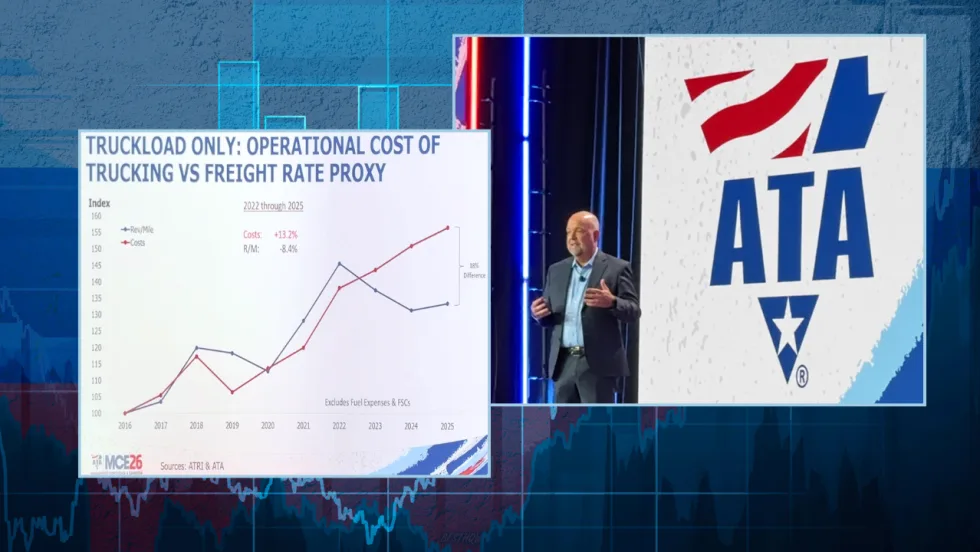
Why This Trucking Recovery Is Different
Freight demand remains sluggish, but rising costs and tougher enforcement have taken enough capacity out of the market to change the outlook for motor carriers.
Read More →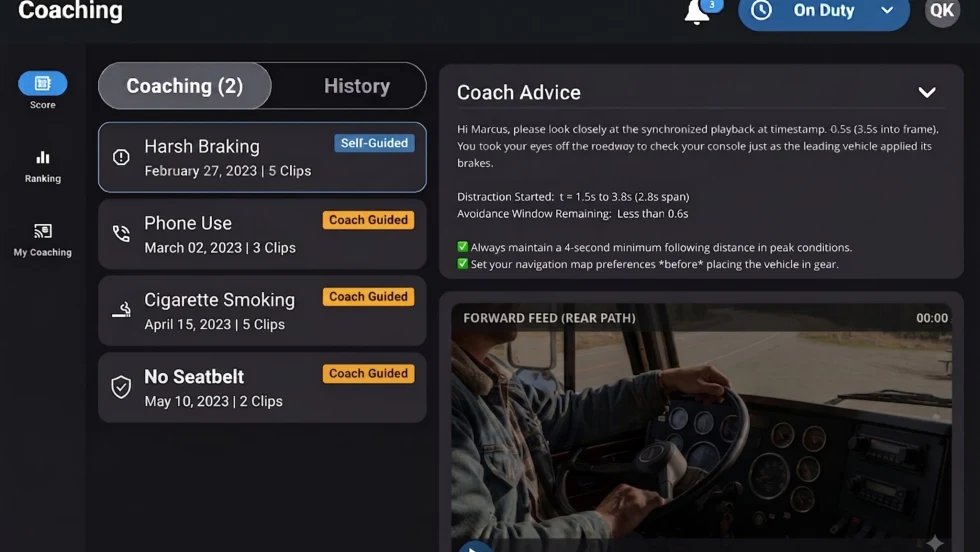
Platform Science Adds Dispatch and Safety Tools
Four additions to PS Fleet help fleets monitor loads, manage driver coaching, share truck locations and adjust video system settings.
Read More →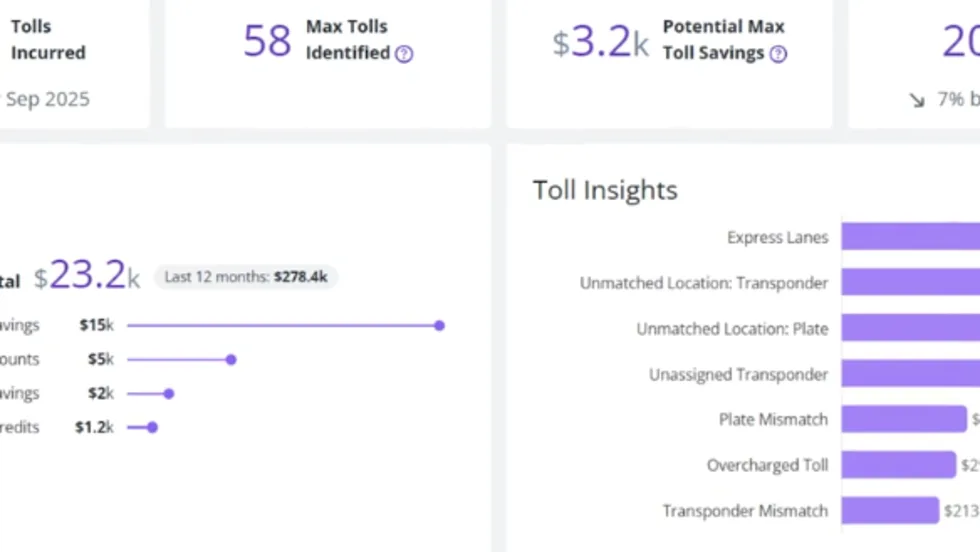
PrePass Intelligence Mines Fleet Bypass, Toll and Safety Data
PrePass Intelligence helps fleets measure bypass savings, flag potential toll overcharges, and spot suspicious transactions by combining data from separate systems.
Read More →
Motive Adds AI Agents for Fleet Operations
New tools automate follow-up on fleet data, from maintenance work orders to driver alerts, with two-way voice conversations planned for later this year.
Read More →
Can You Beat Our Trucking Trivia Challenge?
Test your truck knowledge with 19 trivia questions from Heavy Duty Trucking Exchange. Can you keep up with the fleet pros?
Read More →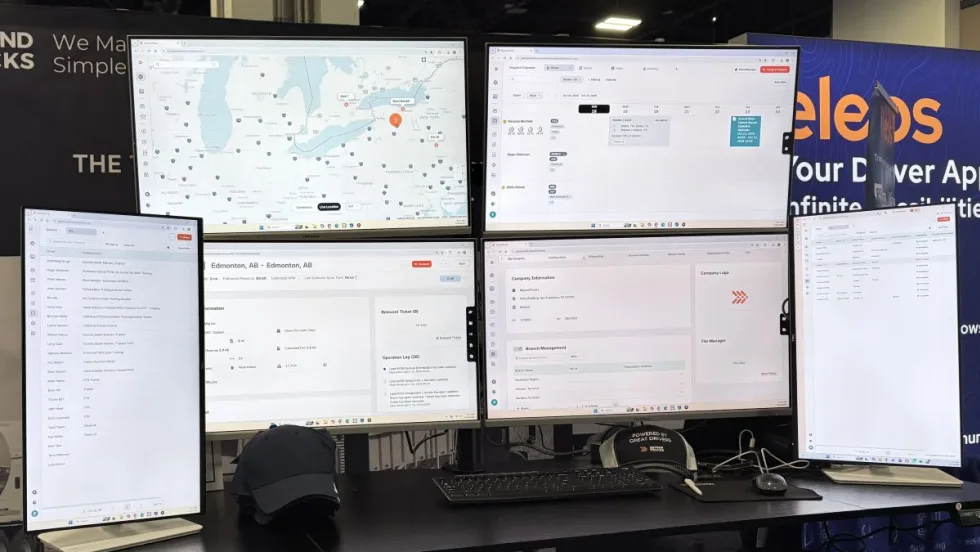
BeyondTrucks Adds Rules Checks to Dispatch
New Compatibility Engine checks driver qualifications, equipment requirements and fleet policies before loads are dispatched.
Read More →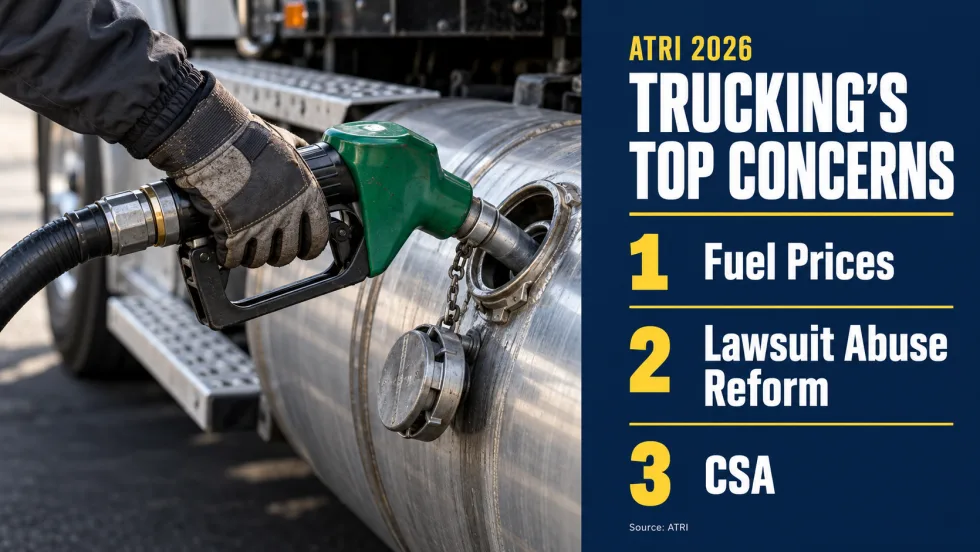
Diesel Prices Hijack Trucking’s Worry List
ATRI’s annual survey finds cautious optimism about freight, but diesel costs, litigation, and insurance continue to squeeze fleets. Drivers have different priorities on several issues.
Read More →
Nomination Deadline Extended for HDT Emerging Leaders
Just a few more days to nominate accomplished trucking fleet professionals under 40 who are making an impact and helping lead the industry forward for the HDT Emerging Leaders award. Deadline extended to October 20!
Read More →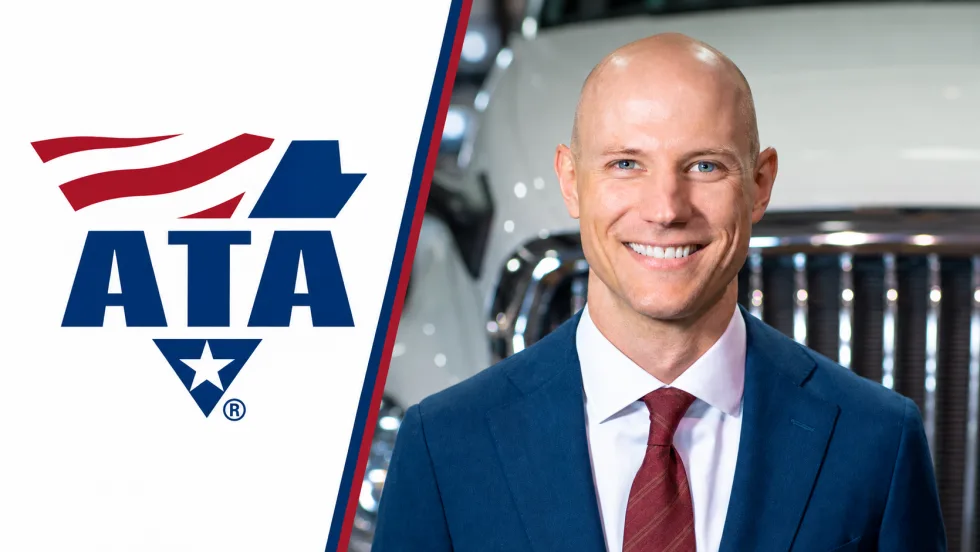
What Will ATA’s New Leader Bring to Trucking's Table?
Incoming President and CEO Mark Colson’s record in Alabama offers clues about his priorities and approach following Chris Spear’s abrupt departure as the head of the American Trucking Associations.
Read More →
Volvo, Waabi Start Commercial Autonomous Operations in Texas
Volvo VNL Autonomous trucks, powered by the Waabi Driver, are hauling freight directly to third-party facilities for a customer in Texas.
Read More →