




Countdown to 2010 Emissions
The infrastructure to support SCR should be in place in time for 2010 regulations.


The Diesel Exhaust Fluid Forum conference opened in early November with a number: 414. That was the number of days left before the 2010 emissions deadline, which will see trucks equipped with the next - and maybe the last - level of clean-exhaust technology.
By the time you read this, that number will be down to around 380 days - not long to put in place the infrastructure to support one of those technology solutions: selective catalytic reduction (SCR).
SCR is the add-on aftertreatment that cleans nitrogen oxides in the exhaust. A chemical reagent - urea - is used to reduce NOx to nitrogen and water vapor in a special catalyzed muffler. It requires that the vehicle carry the water solution of urea on board in sufficient quantity for the truck to get on down the road, emitting only as much NOx as the 2010 regulation allows.
Particulate matter has already been dealt with in the 2007 changes, and by now the particulate filters associated with that requirement are relatively familiar. There's no further change for PM in 2010.
So for 2010 it's all down to the NOx. SCR is one technology, favored by all engine makers with the exception of International, as you can read elsewhere in this magazine. So there's going to be a definite need for stocks of the urea solution - diesel exhaust fluid, or DEF - to be available where trucks stop and drivers pump fuel.
Hence the Diesel Exhaust Fluid Forum.
Discussion on the availability of DEF from the chemical companies, the distributors, the location and look of the containers and dispensers that will be used, and even concerns of the fleets who will be early purchasers and adopters of SCR trucks were high points of two days of discussion. And with the concerns on the table for all to see, the 400 or so days seem a perilously short time to get everything in place for Jan. 1, 2010.
Except it's going to be a while before there's much demand, as early sales of the SCR-equipped trucks will likely be very slow indeed, depending on how well any economic recovery gets in gear, and how cautious the fleets will be about the new technologies.
There's no doubt there will be DEF available. The engine makers and truck manufacturers are all committed to availability of DEF from the get-go. In fact, diesel cars will appear using SCR technology in 2009, and you'll be able to get the fluid from the car dealers like Audi, Ford, BMW and Mercedes-Benz. Though you're in for a shock if you do. Where bulk supplies of DEF are expected to be around $2.50 a gallon in 2010, if you go to a dealership bearing the three-pointed star today, they'll hit you for as much as $20 for a half gallon!
Heavy-duty users won't see anything like that. Truckstops - notably Pilot and TravelCenters of America - are committed to having DEF available. In some there will be one or two fueling lanes with DEF pumps. These will be at strategic locations on highly traveled routes. Elsewhere, you'll be able to purchase DEF in 1- and 2-gallon jugs, though likely at a significant premium over the bulk price. Fleets will also be able to get 55-gallon drums and 275-gallon "totes." These will have their own dispensing pumps.
The thing to remember is that dosing levels of DEF will be only around 2 percent. So a truck that does 120,000 miles a year at 6 mpg and thus consumes 20,000 gallons of fuel will only require 400 gallons of DEF in a year. With on-board tanks likely to be around 20-30 gallons, that means a fill-up only 15 to 20 times during the year, or about every second time the truck is fueled.
Judging from the mood at the DEFF meeting, there is a wholehearted commitment to having DEF available - at a sensible price - from all the stakeholders. It may involve something of a learning curve for truck specifiers, dispatchers and drivers alike. But the fluid will be out there.
The meeting covered a whole lot more ground and we'll be back with a full feature to talk about the issues. But having trucks stop at the side of the highway for want of a gallon of DEF will not be one of them.
More Fleet Management

Why This Trucking Recovery Is Different
Freight demand remains sluggish, but rising costs and tougher enforcement have taken enough capacity out of the market to change the outlook for motor carriers.
Read More →
Platform Science Adds Dispatch and Safety Tools
Four additions to PS Fleet help fleets monitor loads, manage driver coaching, share truck locations and adjust video system settings.
Read More →
PrePass Intelligence Mines Fleet Bypass, Toll and Safety Data
PrePass Intelligence helps fleets measure bypass savings, flag potential toll overcharges, and spot suspicious transactions by combining data from separate systems.
Read More →
Motive Adds AI Agents for Fleet Operations
New tools automate follow-up on fleet data, from maintenance work orders to driver alerts, with two-way voice conversations planned for later this year.
Read More →
Can You Beat Our Trucking Trivia Challenge?
Test your truck knowledge with 19 trivia questions from Heavy Duty Trucking Exchange. Can you keep up with the fleet pros?
Read More →
BeyondTrucks Adds Rules Checks to Dispatch
New Compatibility Engine checks driver qualifications, equipment requirements and fleet policies before loads are dispatched.
Read More →
Diesel Prices Hijack Trucking’s Worry List
ATRI’s annual survey finds cautious optimism about freight, but diesel costs, litigation, and insurance continue to squeeze fleets. Drivers have different priorities on several issues.
Read More →
Nomination Deadline Extended for HDT Emerging Leaders
Just a few more days to nominate accomplished trucking fleet professionals under 40 who are making an impact and helping lead the industry forward for the HDT Emerging Leaders award. Deadline extended to October 20!
Read More →
What Will ATA’s New Leader Bring to Trucking's Table?
Incoming President and CEO Mark Colson’s record in Alabama offers clues about his priorities and approach following Chris Spear’s abrupt departure as the head of the American Trucking Associations.
Read More →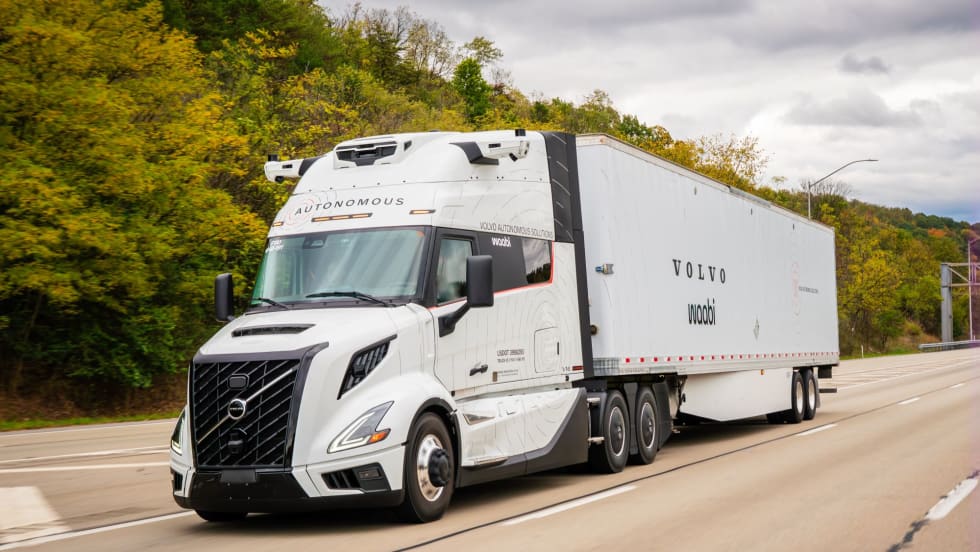
Volvo, Waabi Start Commercial Autonomous Operations in Texas
Volvo VNL Autonomous trucks, powered by the Waabi Driver, are hauling freight directly to third-party facilities for a customer in Texas.
Read More →