





Related: The Trucking Industry Lets Down Driver in Humboldt Crash
Commentary: Taking a Closer Look at Drivers’ First Days on the Job
We talk a lot about recruiting and retaining drivers and about how we can bring more drivers into the industry. But are we doing enough to address the weak point after drivers are hired?
March 14, 2019

A driver’s first few months on the job are crucial to whether he or she stays with your company. Are we doing enough to address the weak point after drivers are hired?
Photo via Virginia Tech
3 min to read
We talk a lot about recruiting and retaining drivers and about how we can bring more drivers into the industry. But are we doing enough to address the weak point after drivers are hired?
A driver’s first few months on the job are crucial to whether he or she stays with your company — or even stays in the trucking industry.
I’ve been wading through some court cases where drivers sued motor carriers, alleging they weren’t paid enough to meet minimum wage laws. And the problems often started in orientation and training.
The cases revolve around a conflicting tangle of federal Department of Labor and Department of Transportation regulations, as well as state rules. If hours of service rules say a driver is “off duty,” does that trump how minimum wage laws are applied? When does the Federal Aviation and Administration Authorization Act of 1994 preempt state work rules? And what is the definition of “to work” or “on duty” anyway?
I’m starting to wish there had been a course on “law for journalists” back in college.
But one thing that struck me, outside of the legal issues, is that these drivers clearly felt they were being underpaid during their early days of working for these companies — and in some cases, the beginning of their trucking careers.
What got me started down this rabbit hole was a case making headlines recently involving Pam Transport. The judge denied the carrier’s request to dismiss the case, saying essentially that motor carriers might have to pay drivers for time spent in the sleeper berth beyond eight hours in a 24-hour day.
The suit claims Pam “failed to compensate its drivers at least the federal minimum wage for all compensable time worked, during the initial orientation period, and while driving over-the-road solo or as team drivers,” as well as for “travel time that occurred during normal business hours.”
Attorney Jim Hanson, partner at transportation law specialists Scopelitis, Garvin, Light, Hanson & Feary, pointed me to a couple of other cases addressing similar claims.
One, against Werner Transportation, is also working its way through the legal system, and involves the company’s eight-week driver training program. The other was thrown out by a judge in Oregon in 2014 and addresses many of the same legal issues in the Pam and Werner cases.
In that latter case, Idaho carrier May Trucking successfully defended itself by proving that it didn’t have to pay drivers for orientation, and that they did not have to pay for “work performed while traveling” under Department of Labor regs, thanks to an exception for “when [a driver] is permitted to sleep in adequate facilities furnished by the employer.” DOL’s own field operations handbook says sleeper berths “are regarded as adequate sleeping facilities.”
While May Trucking may have had the law on its side, the experience clearly left a bad taste in the mouths of at least two drivers. One of the plaintiffs worked for the company about five months, the other for only six weeks. Of course, there’s no way to know what other factors may have been at play in the drivers’ decisions to leave. But I have to wonder — did they clearly understand the pay situation as explained during the recruiting process?
Regardless of the complicated legalities of these particular lawsuits, it’s hard to sell truck driving as a good, well-paying job when battling allegations that you’re not even paying minimum wage. How we pay new drivers during orientation and training is an area where motor carriers and the trucking industry might want to take a closer look.
Subscribe to Our Newsletter
More Drivers
Platform Science Adds Dispatch and Safety Tools
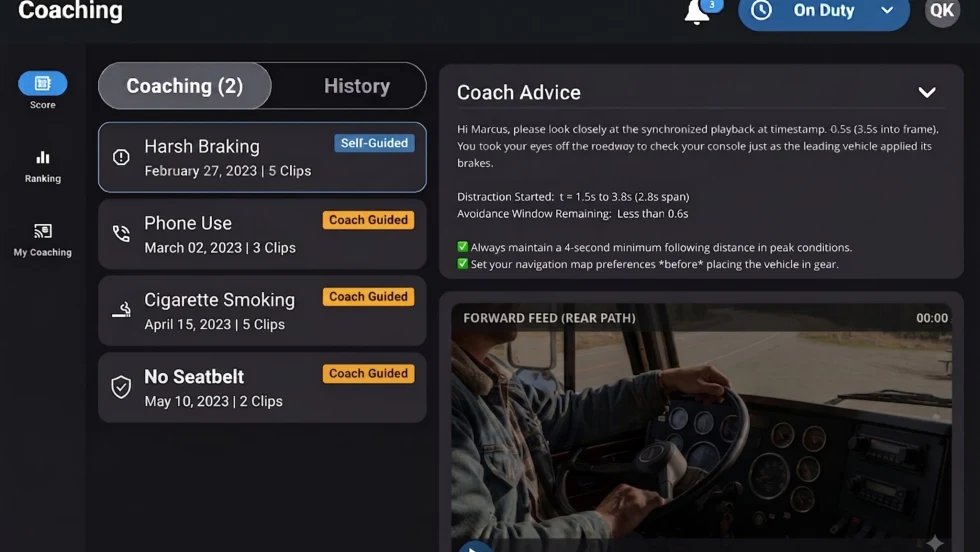
Four additions to PS Fleet help fleets monitor loads, manage driver coaching, share truck locations and adjust video system settings.
Read More →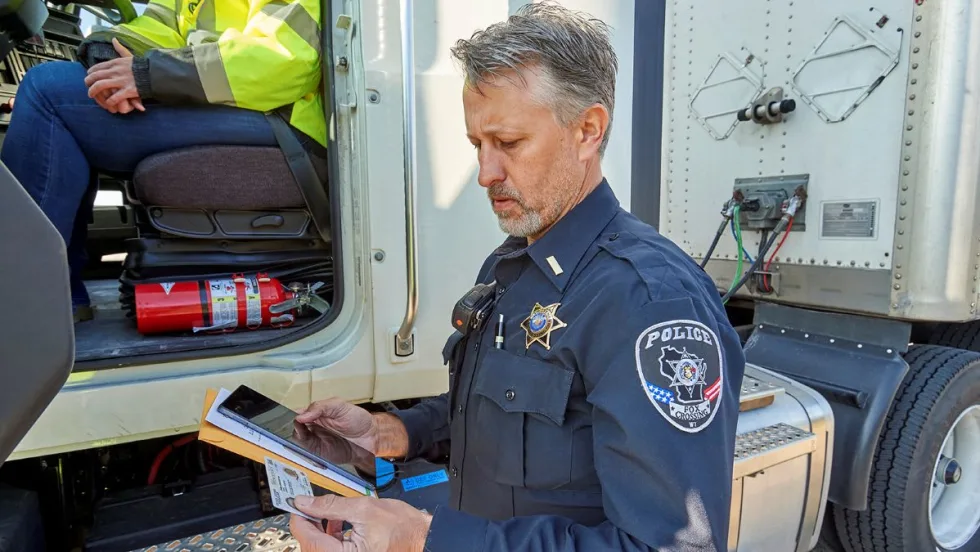
When Language Stops the Truck: The Return of ELP Out-of-Service Orders
English language proficiency rules for commercial drivers aren’t new, but renewed out-of-service enforcement has raised the stakes. Here’s what carriers need to know before a driver reaches a roadside inspection.
Read More →
Samsara Launches Custom AI Agent Builder
Agent Studio lets fleets create AI tools for hours-of-service monitoring, reporting and driver support, including agents that communicate by phone.
Read More →
Trucker Path Expands Reserved Parking Network
Trucker Path has added close to 6,000 more truck parking spaces to its Trucker Path Reserved Parking Network with the addition of Safe Truck Parking.
Read More →
EEOC Sues Texas Trucking Company Over Driver Age Limits
The agency says Trancasa USA rejected applicants over 65 and applied tougher driving-record standards to those over 60.
Read More →
Nussbaum, Roehl Announce Second Driver Pay Increase This Year
This year has seen a swath of major truck driver pay increases as freight capacity has tightened.
Read More →
From One Generation to the Next: How Mentorship Builds Safer Truck Drivers
After three decades in trucking, Harold Perry shares what he's learned about driver safety, mentorship, and helping the next generation build confidence behind the wheel.
Read More →
Truck Drivers Need More Than Another Alert
Fleets have more visibility into truck health, safety events, and driver activity than ever. The next challenge is turning all that information into useful guidance for the person who has to decide what to do next.
Read More →
FMCSA Removes 110 Truck Driver Training Schools from Certified ELDT List
Federal regulators also are targeting more than 160 additional training providers and launching a nationwide audit of third-party CDL skills testers as part of a broader crackdown on trucking fraud.
Read More →
Hours of Service Pilot Programs: FMCSA Readies for 2027 Rollout
Two pilot programs could eventually reshape hours-of-service rules, giving truck drivers options to pause their 14-hour clock or use longer split sleeper rest periods.
Read More →