





Related: Behind the Scenes With a Non-OE Aftermarket Parts Maker
Commentary: Product Standards Coming to Heavy-Duty Market
Wouldn’t it be great if there were a consistent way for everyone across the supply chain to have the same information about heavy-duty truck parts?, asks Aftermarket Contributing Editor Denise Rondini in her Aftermarket Insight column.
June 22, 2017

Denise Rondini
3 min to read

Denise Rondini
Wouldn’t it be great if there were a consistent way for everyone across the supply chain to have the same information about heavy-duty truck parts? According to Sheila Andrews, director, government affairs, for the Auto Care Association, this would create a more efficient movement of parts through the supply chain and is something that has been done by other industries with great success.
While the light-duty industry has been using the PIES (Product Information Exchange Service) standard since 2002, work on standards for heavy-duty parts is just beginning. Andrews says setting standards in light-duty was easier because they could be based on make/model/year information. That won’t always work for heavy-duty parts. The team working on setting heavy-duty parts standards is using vehicle vocation as the starting point.
Columns would be set for the agreed-upon traits, and manufacturers would then provide as much of the data as they desired. This will be a voluntary standard, so manufacturers can withhold any information they think is proprietary.
Information could include things such as product dimensions, dimensions of the packaging, materials used in manufacturing, width of threading, etc. The standard also likely will include some best practices, Andrews explains. “If a photo is going to be included, there will be details about the background the product should be on, what type of views to include (top, side, bottom), and the resolution of the photo. The goal again is consistency.”
If it sounds like a daunting task to standardize information on all heavy-duty truck parts, Andrews says, “We understand that this is going to be like eating an elephant, so we will have to do it one bite at a time.” So the team working on this project is starting with setting standards for the top 20 categories of parts used on heavy-duty trucks.
The assembled group of industry experts will meet this spring or summer to look at what the parts attributes categories should be and hopes to have the beginning of product information standards for heavy-duty truck parts out this fall or winter, according to Andrews.
She sees having a parts standard as beneficial to fleets, too. “By creating a standard, fleets will have more information about the products and parts they need in order to do a comparison prior to making a purchase. Ultimately the goal is to make sure fleets are getting the right part, at the right place, at the right time and at the right price. The goal is to take a lot of the question marks and headaches away from the parts ordering process.”
Andrews pointed out that the automotive and light-duty markets are not the only markets that use product information standards. “In running a highly sophisticated global supply chain it is critical to have the right information available,” she says.
Using the finance industry as an example, Andrews says the product standard is why credit card numbers have 16 digit codes on the front of the card and security codes on the back, and why all Visa cards start with the number 4 while American Express cards start with the number 3. “Those are all industry agreed-upon standards.”
Even after the team finishes the first phase of the project, its work is not done. “Parts standards are a living, breathing organism, and they always have to have industry experts ensuring that we have the right information in the right file format and that standards are growing and developing in order to be responsive to the needs of the industry.”
Subscribe to Our Newsletter
More Aftermarket

What Three Fleets Are Doing Differently When Buying Truck Parts in 2026
With freight improving but costs still climbing, fleet maintenance executives explain how they're balancing price, quality, and supplier relationships.
Read More →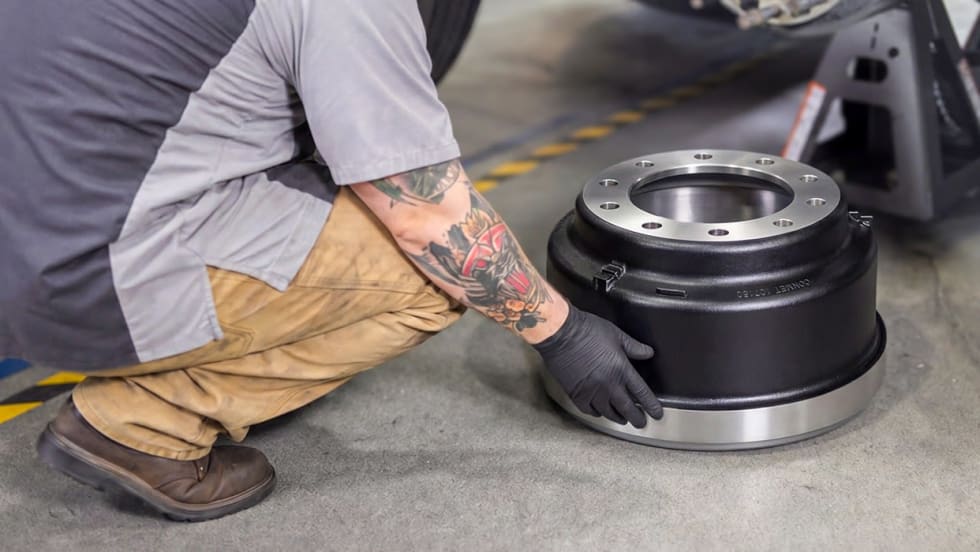
ConMet Expands Aftermarket Brake Drum Lineup With TruCast
A new heavy-duty truck brake drum option in the aftermarket gives customers more flexibility within the ConMet product family.
Read More →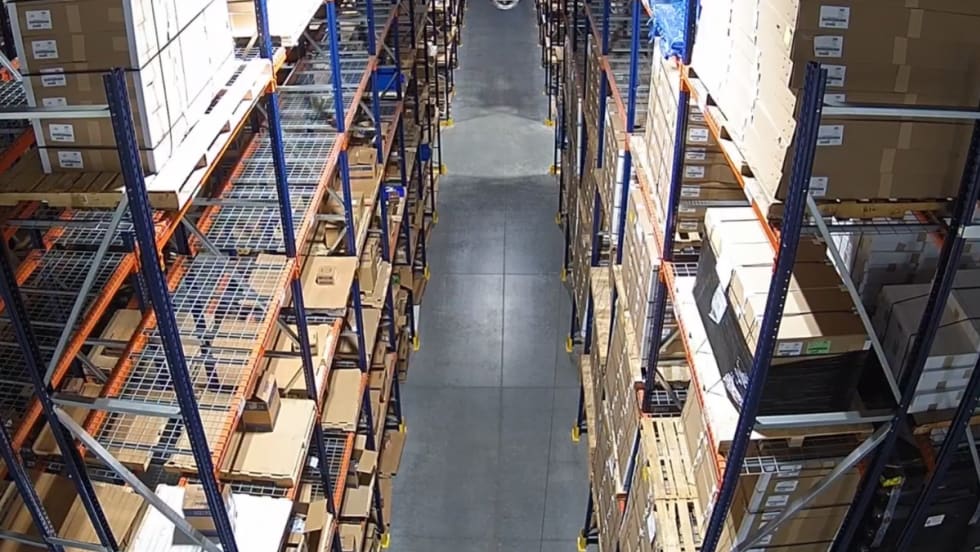
Phillips Opens High-Tech Distribution Center for Faster Parts Delivery
Phillips Industries’ new Cincinnati-area distribution center is now shipping aftermarket trucking parts nationwide, aiming to speed up delivery times for customers.
Read More →
Volvo to Sponsor America’s Road Team for 2025
Volvo Trucks announced that it is extending its exclusive sponsorship of America’s Road Team for 2025.
Read More →
Webb to Start Taking Orders for UltraSet Pre-Adjusted Wheel Hubs
Webb, which recently acquired the Stemco Trifecta pre-adjusted hub program, will soon start taking orders for its replacement pre-assembled hub, the UltraSet.
Read More →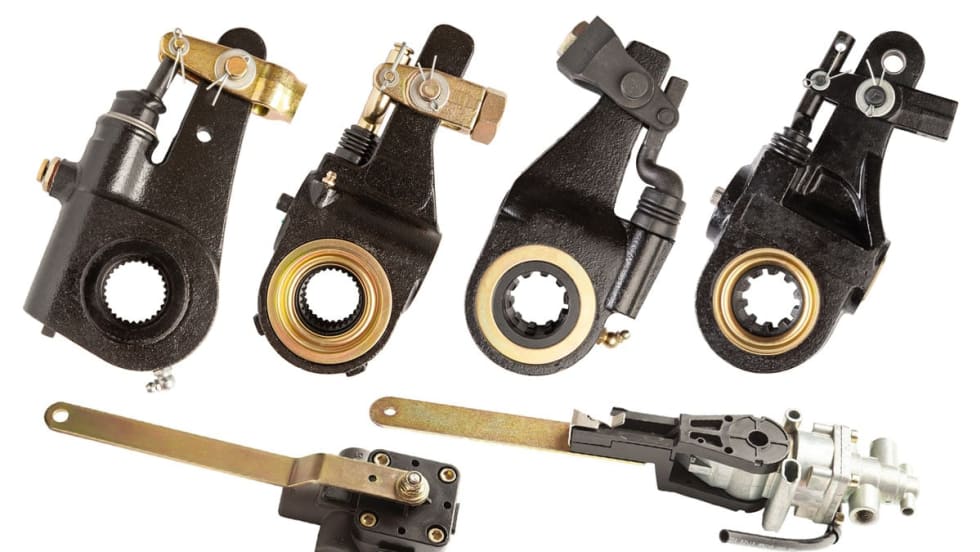
All-Makes Automatic Brake Adjusters, Ride Height Control Valves from Midland
SAF-Holland has added automatic brake adjusters and ride height control valves to its Midland All-Makes Program.
Read More →
ZF Aftermarket Expands [pro]Academy Training
ZF Aftermarket said it is expanding its ZF [pro]Academy training and will be adding 40 new modules this year.
Read More →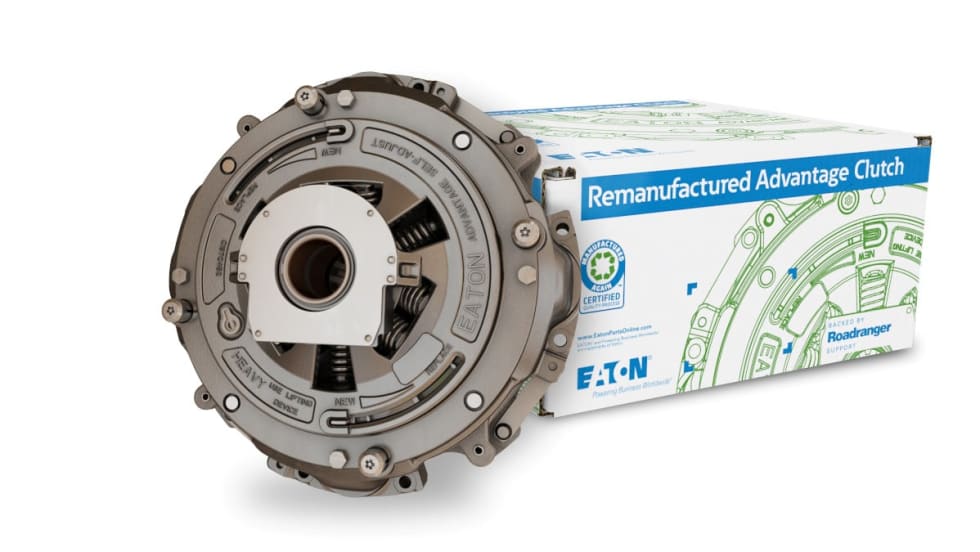
Eaton Adds Remanufactured Advantage Line of Clutches
Eaton has added its Advantage clutches to its remanufactured product line. The clutches feature a unique strap drive intermediate plate designed to allow customers to choose the latest OE specification
Read More →
ConMet Acquires TruckLabs, the Creator of TruckWings
Commercial truck and trailer parts provider ConMet acquired TruckLabs, the company that created TruckWings, an aerodynamic device that attaches to truck cabs and deploys to close the gap between truck and trailer. TruckLabs now operates as a subsidiary of ConMet.
Read More →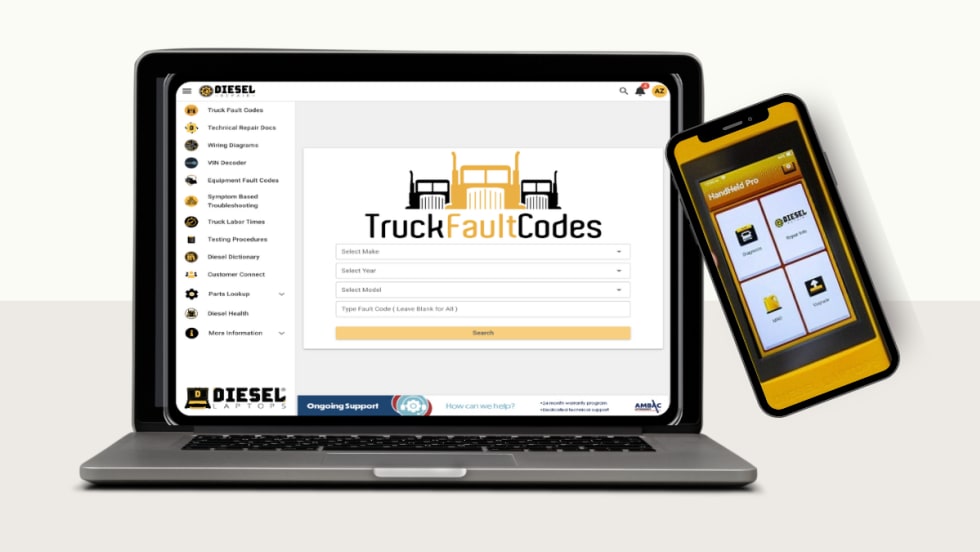
Diesel Laptops Releases Fault-Code-to-Part-Number Tool
Diesel Laptops said its Truck Fault Codes allows users to input a fault code and immediately identify and order the parts needed to complete repair work.
Read More →