




Related: How Much Does it Cost to Operate a Battery Electric Truck?
Commentary: More on the Electric Truck Option — From a Century Ago
In 1930, there were more than 100 U.S. companies manufacturing electric and hybrid commercial trucks, something that may not be common knowledge says Executive Contributing Editor Rolf Lockwood in his March column.
by Rolf Lockwood
March 14, 2018
Rolf Lockwood
3 min to read
The recent surge of interest in electric trucks is definitely not a new and modern thing. Did you know that in 1930, there were more than 100 U.S. companies manufacturing electric and hybrid commercial trucks?

There was certainly some mighty interesting technology on offer back then. Like a fascinating machine that’s for sale on Craigslist in Los Angeles as I write this in early February. It’s a 1912 C-T electric truck, a 5-ton, four-wheel-drive Model A10 that was produced by the Commercial Truck Company of Philadelphia. It worked for 52 years at the Curtis Publishing Company before being retired in 1964. It’s complete, unrestored, and it still runs!
Just $39,900 and it’s yours.
Let me quote from the ad, which apparently drew copy from the American Truck Historical Society...
“The 105-year-old battery-powered electric truck is driven by four 85-volt, 10-amp GE electric motors, one at each wheel, each producing 16 hp. When new, the truck operated for 22 hours on a single charge, traveling at an average of 10 mph, and could be recharged in as little as two hours. However, some operators maintained a charged set of interchangeable batteries to further extend service hours.
“The battery compartment consists of nine battery trays. Each of the original-equipment lead-acid batteries measured 8 inches wide by 14 tall and 60 long, and weighed approximately 500 pounds, producing 10 volts. Five modern-day 12-volt batteries may be substituted for each of the original 5-foot-long units (total: 45) which together produced 90 volts, and the vehicle may easily be moved using only one, two, or three modern 12-volt batteries.”
Curtis bought 10 of these trucks in August 1912, but the fleet would later total 22. A couple of them were used to haul coal from the railway yard to the printing plant. The other 20 were used to carry rolls of paper from the railway station to the plant, where they were loaded with magazines, like the Saturday Evening Post and Ladies Home Journal, for delivery to the post office and to local newsstands.
Amazingly, Curtis kept these trucks in continuous operation from 1912 to 1964. Once the batteries were completely depleted (it took 10 years), they were then rebuilt versus being replaced, and there were several rebuilds during their 50 years in service. And as the story goes, the trucks were only twice held for repairs for more than two hours.
The publishing outfit used a very efficient three-point relay system to make the most of their fleet, the Craigslist ad goes on...
“It took a very long time to manually load and unload 10 tons of cargo [the trucks were consistently overloaded], so a single driver would haul outgoing magazines from the printing plant to the post office and pick up an empty truck waiting there, then drive that truck to the railway depot and leave it for loading, picking up a third truck already loaded with paper rolls for delivery to the printing plant.
“During rush periods, the trucks and drivers worked for 12 to 14 hours per day. In extreme cases, one truck would shift drivers and batteries every six hours, operating 48 consecutive hours, hauling as much as 661 tons in a single day.”
Wow, I say.
Subscribe to Our Newsletter
More Fuel Smarts
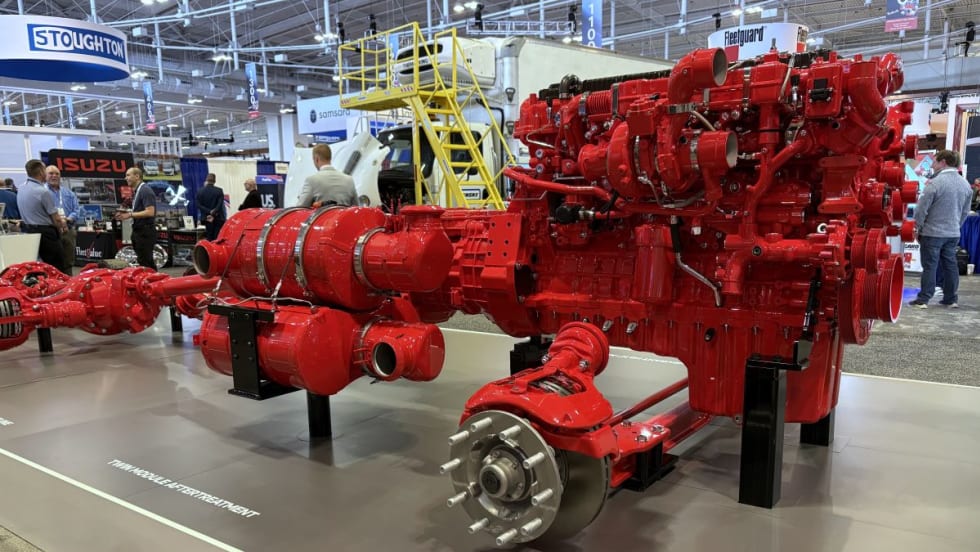
Cummins Adjusts 2027 Engine Rollout After EPA Proposal
The engine maker will gradually introduce its new Model Year 2027 diesel engines while continuing to offer current models during the transition, citing the EPA's proposed emissions rule changes.
Read More →
EPA Proposal Could Ease 2027 Truck Costs and Buying Uncertainty
The proposal doesn't change the tougher NOx standard, but it would revise key implementation requirements that manufacturers say have driven up costs and complicated fleet purchasing decisions.
Read More →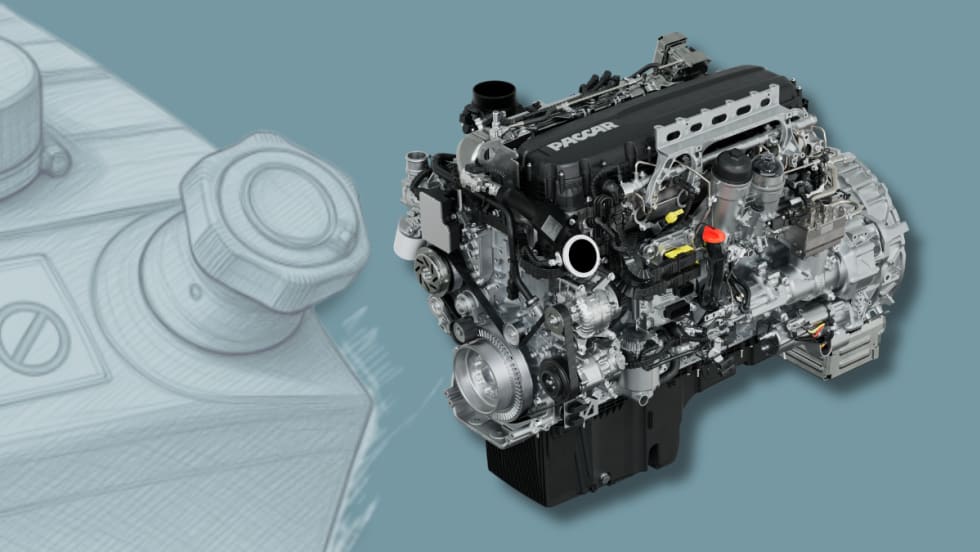
Cummins, Paccar Ease DEF Derates After EPA Guidance
Updated diesel engine software gives truck operators more time to address emissions-system issues while staying compliant with EPA emissions standards.
Read More →
Maintenance in the Messy Middle Part 3: Biodiesel
Biodiesel can reduce emissions, improve fuel-system lubricity and use existing diesel infrastructure. But NACFE’s Messy Middle maintenance report says fleets must actively manage storage, cold-weather operation, filters and oil drain intervals to avoid problems.
Read More →
Enhance Fleet Performance with High-Efficiency Auxiliary Power Units
Drive sustainable cost savings while increasing driver comfort during short- and long-haul logistics operations.
Read More →
Maintenance in the ‘Messy Middle’ Part 2: Renewable Diesel Fuel
NACFE's latest Messy Middle Powertrain Service & Maintenance report says renewable diesel gives fleets an opportunity to reduce carbon emissions without changing trucks, fueling infrastructure or maintenance practices. But technicians still need to understand several important operational differences.
Read More →
The Diesel Engine Enters NACFE’s ‘Messy Middle’
NACFE’s new Messy Middle Powertrain Service & Maintenance report says keeping modern diesel engines running now depends as much on software, diagnostics and data as traditional mechanical service.
Read More →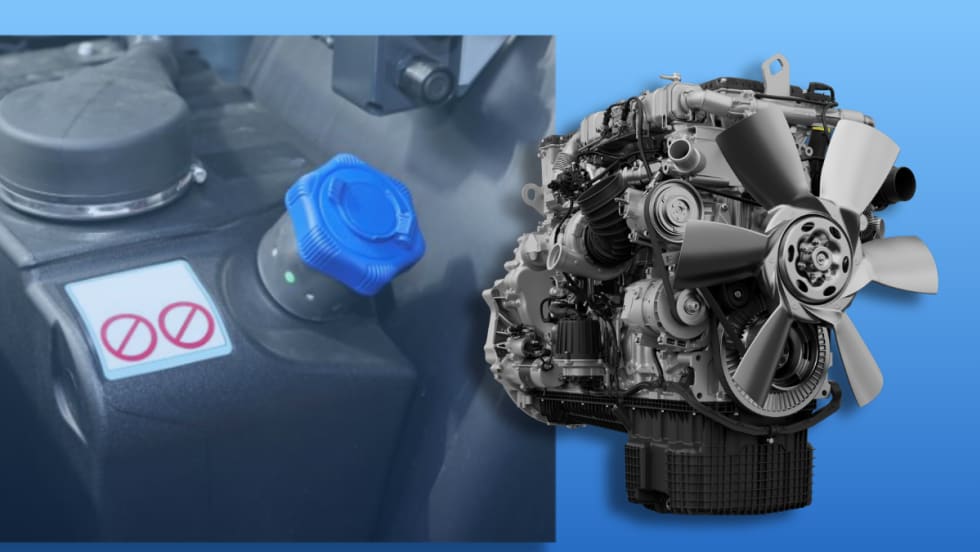
DTNA Software Update Gives Truckers More Time Before DEF Derates Take Effect
The changes reflect EPA guidance aimed at reducing downtime caused by emissions-system faults while maintaining compliance requirements.
Read More →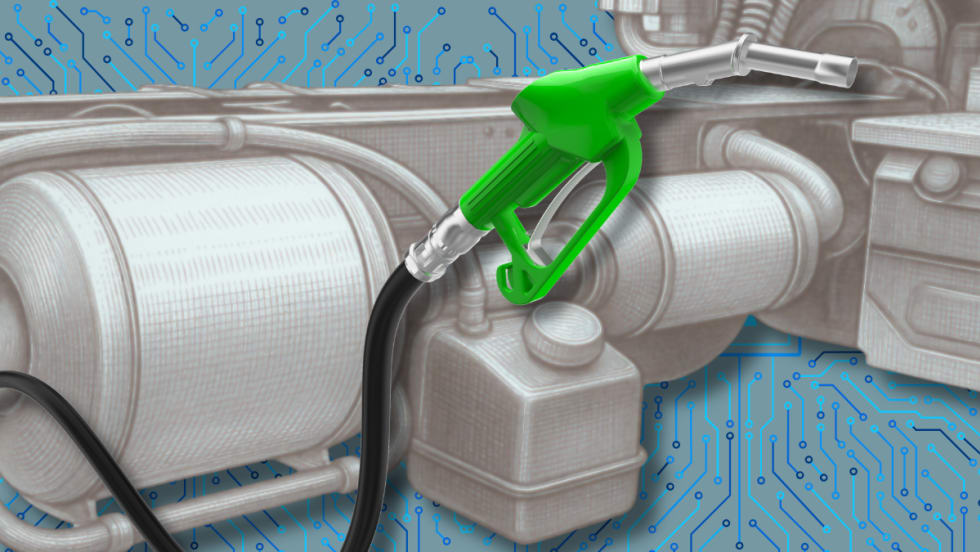
New Agentic Predictive Maintenance Report Demonstrates How Degraded Aftertreatment Systems Waste Fuel
Questar analyzed a large mixed-class fleet and discovered it was wasting as much as $30 in fuel per vehicle, per day, because of mechanically degraded aftertreatment systems.
Read More →
New York City's Microhub Project is Delivering Results
Trucking, last-mile delivery companies, and environmental advocates like what they are seeing so far with New York's microhub program.
Read More →