




Commentary: Fuel Economy is Two-Dimensional
Fuel economy is really a two-sided matter and we should be striving to avoid zero mpg just as much as we aim for 10 mpg.

Rolf Lockwood, Executive Contributing Editor

Rolf Lockwood, Executive Contributing Editor
Fuel economy, fuel economy, fuel economy. Sometimes it seems to be the only topic in the air, dominating conversations among truck operators and presentations made by manufacturers and suppliers. Not to mention an enormous stack of articles written by people like me.
I wonder, though, if we actually look at it in the right way. Are we too one-dimensional? I think so, and I have the feeling that it could hold you back when you’re looking for efficiency in your fleet.
The thing is, fuel economy is really a two-sided matter. I mean, we should be striving to avoid zero mpg just as much as we aim for 10 mpg.
This wildly profound thought (tongue in cheek here) came to me as I was preparing for a panel session at a symposium staged by the leasing/rental folks at Ryder Canada late last year. In front of a few dozen of its customers, we examined the quest for fuel economy from several angles. My subject was how to manage the hardware, from spec’ing to maintaining and on to operating it. Fellow panelists were a veteran driver/driver trainer and a prominent proponent of the natural gas option.
There wasn’t enough time to get too deeply into any single aspect of the fuel economy adventure, so I had to be succinct in my comments. I spent a couple of days trying to distill my thoughts, looking through my very big directory of files on the subject, thinking hard.
And then I came upon the notion that we don’t see the whole picture. We want to get 8 mpg instead of 6.5, so we explore the options from lightweighting to aerodynamics. We look at tires and lubes and all manner of such things, every one of them aimed at using the least amount of diesel. And we use up a zillion hours in the process of finding the right hardware to achieve that goal.
With less rigor, less precision, and usually a much softer focus, we also look at how the maintenance shop operates. There, our aim is to get the truck in and out again lickety-split. It’s about time, and time only.
Likewise, our approach to the operations side is also about time, and of course productivity. Gotta keep those trailers moving, must get the most out of drivers before their hours are up.
Time, time, time.
But really, the maintenance shop and the dispatch desk are all about fuel economy. Specifically, they’re about avoiding zero-mpg moments. When that truck is broken down on the side of the road because maintenance hadn’t been done well enough, it’s getting no miles per gallon.
When the paperwork wasn’t managed well and the truck is sitting in secondary at the border while a bunch of phone calls and faxes are whizzing about, it’s getting zero mpg.
When the truck is sitting still in a rush-hour traffic jam because the route and schedule weren’t carefully planned, the fuel tank is being depleted with no work being done.
There’s the second dimension of fuel economy, and I think those unproductive stretches have to be computed in your miles-per-gallon assessments. If a given truck is achieving 10 mpg when it’s running, that’s great. But now calculate how often it’s getting zero mpg and subtract. There’s your real-world, actual fuel economy.
Just something to think about.
Rolf Lockwood is vice president, editorial, at Newcom Business Media, which publishes Today’s Trucking. He writes for HDT each month on the making, maintaining and using of trucks. He can be reached at rolf@newcom.ca or 416-315-1829.
More Fleet Management
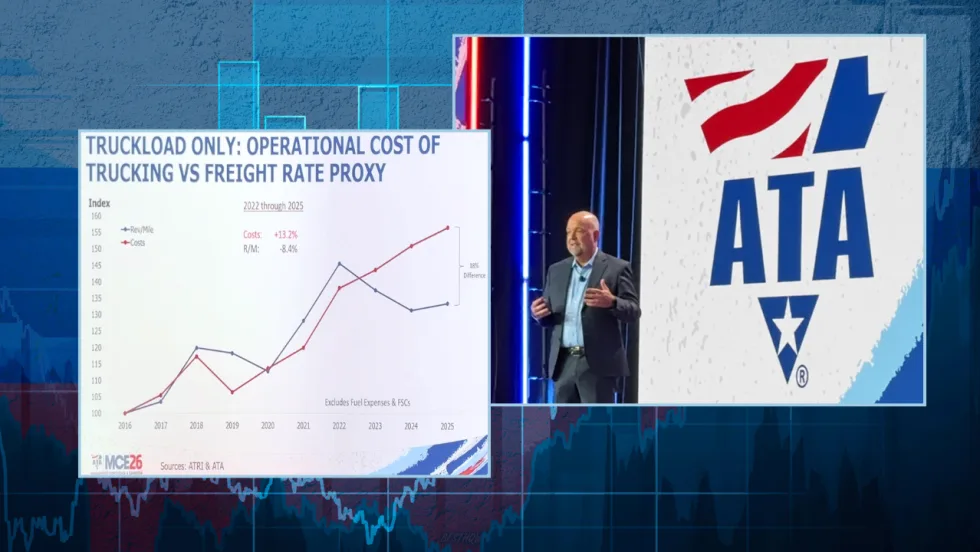
Why This Trucking Recovery Is Different
Freight demand remains sluggish, but rising costs and tougher enforcement have taken enough capacity out of the market to change the outlook for motor carriers.
Read More →
Platform Science Adds Dispatch and Safety Tools
Four additions to PS Fleet help fleets monitor loads, manage driver coaching, share truck locations and adjust video system settings.
Read More →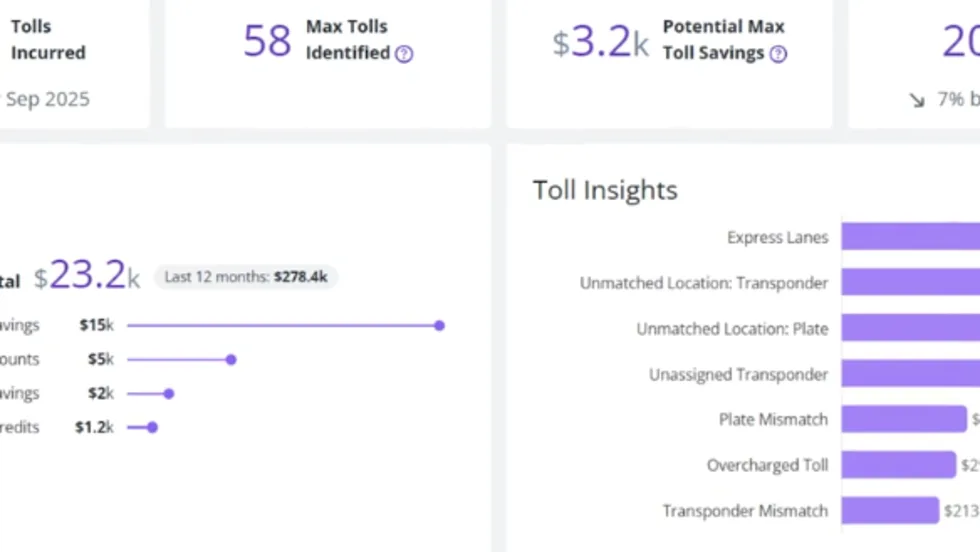
PrePass Intelligence Mines Fleet Bypass, Toll and Safety Data
PrePass Intelligence helps fleets measure bypass savings, flag potential toll overcharges, and spot suspicious transactions by combining data from separate systems.
Read More →
Motive Adds AI Agents for Fleet Operations
New tools automate follow-up on fleet data, from maintenance work orders to driver alerts, with two-way voice conversations planned for later this year.
Read More →
Can You Beat Our Trucking Trivia Challenge?
Test your truck knowledge with 19 trivia questions from Heavy Duty Trucking Exchange. Can you keep up with the fleet pros?
Read More →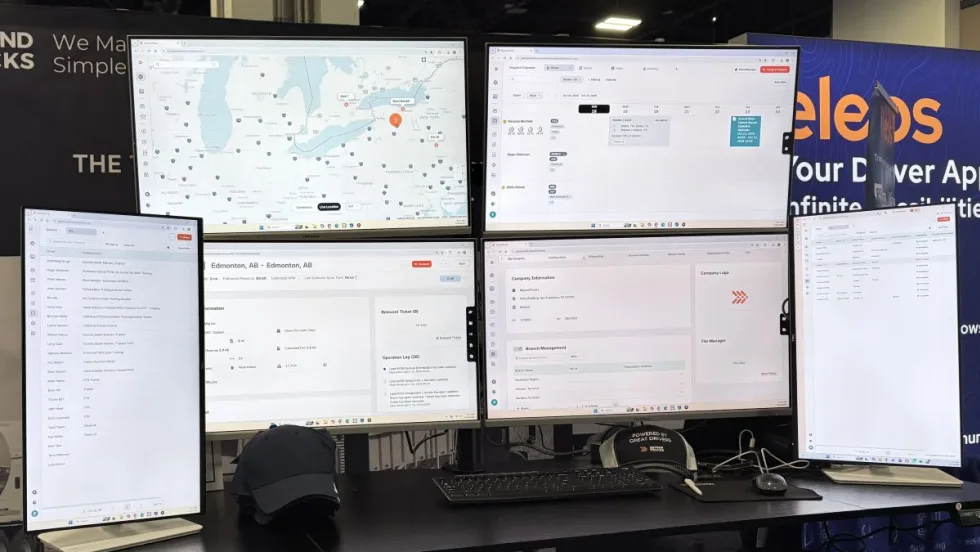
BeyondTrucks Adds Rules Checks to Dispatch
New Compatibility Engine checks driver qualifications, equipment requirements and fleet policies before loads are dispatched.
Read More →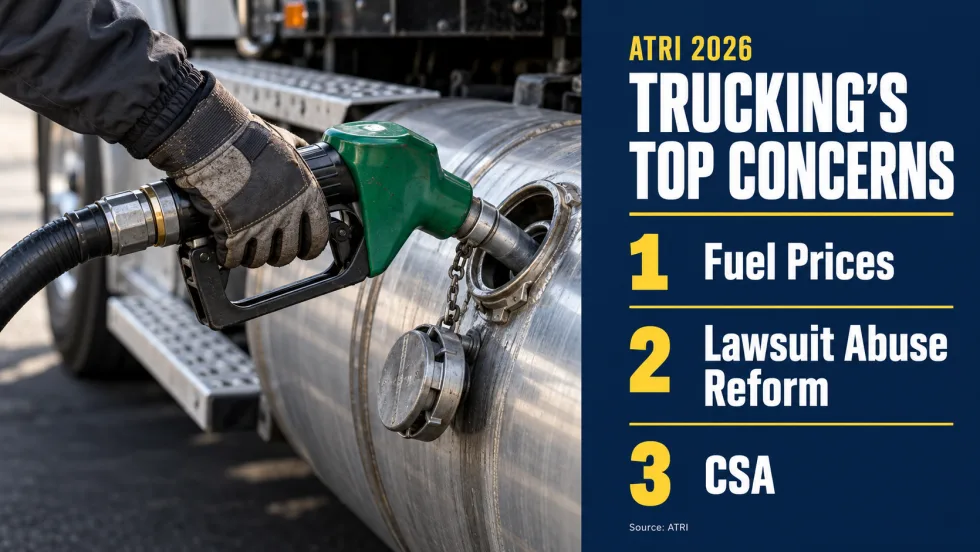
Diesel Prices Hijack Trucking’s Worry List
ATRI’s annual survey finds cautious optimism about freight, but diesel costs, litigation, and insurance continue to squeeze fleets. Drivers have different priorities on several issues.
Read More →
Nomination Deadline Extended for HDT Emerging Leaders
Just a few more days to nominate accomplished trucking fleet professionals under 40 who are making an impact and helping lead the industry forward for the HDT Emerging Leaders award. Deadline extended to October 20!
Read More →
What Will ATA’s New Leader Bring to Trucking's Table?
Incoming President and CEO Mark Colson’s record in Alabama offers clues about his priorities and approach following Chris Spear’s abrupt departure as the head of the American Trucking Associations.
Read More →
Volvo, Waabi Start Commercial Autonomous Operations in Texas
Volvo VNL Autonomous trucks, powered by the Waabi Driver, are hauling freight directly to third-party facilities for a customer in Texas.
Read More →