





Related: Lack of Data Argues Against Truck Size/Weight Changes
Commentary: 5 Arguments for Heavier Trucks
While states are thinking of ways to fund highway infrastructure, Michigan is considering rolling back truck size and weight regulations.
July 15, 2015

Editor in Chief, Deborah Lockridge
3 min to read

Editor in Chief, Deborah Lockridge
As the federal government continues to struggle with how to fund the nation’s highway system, many states have been grappling with the same question. Some have raised fuel taxes. Others have turned to tolls or creative funding mechanisms.
In some states, part of that debate includes truck size and weight. One of those is Michigan, where some want to roll back the state’s unique regulations allowing “Michigan trains.”
“We have to re-educate our representatives as these events come up from time to time,” says Jim Burg, a former HDT Truck Fleet Innovator.
Owner of Michigan-based James Burg Trucking, operating about 90 tractors pulling steel and other flatdeck freight, he’s an advocate for regulations allowing bigger, heavier trucks. I talked to him about why, and he has some good arguments:
1. More axles protect roads
One of the key arguments against heavier trucks is damage to roads. But if you spread the weight over multiple axles, it causes less damage than regular tractor-trailers.
In numerous studies, Burg says, “In every instance when you compare gross vs. axle weight, it is axle weight that causes road damage.”
Michigan’s truck-weight law is designed to control axle loads instead of gross vehicle weight. A standard tractor-trailer carrying 80,000 pounds may have four axles carrying 17,000 pounds each plus 12,000 on the steer axle. A Michigan train may have 164,000 pounds spread over 11 axles – carrying only 13,000 pounds each.
Two standard rigs carrying 160,000 pounds on 10 axles cause about 60% more pavement damage than the single heavier truck, Michigan says, because of the higher axle loadings and the extra weight of a second tractor.
Burg explains it this way to his golfing buddies: “What’s going to do more damage on a green – you walking in your golf shoes, or your wife walking across it in high heels?”
2. They aren’t more dangerous
Opponents contend that heavier trucks need additional stopping distance and could cause more damage in a crash. Supporters say heavier seven-axle trucks are actually safer, because more axles means more brakes.
“We have more brakes. We have frankly just a safer vehicle all around,” Fred Corrigan, executive director of the Aggregate & Ready Mix Association of Minnesota, told the St. Cloud [Minn.] Times. And he pointed out that some western states that already allow 105,000-pound trucks are looking to increase those limits, something they wouldn’t likely do if they were unsafe.
And if more efficient trucks mean fewer trucks on the road, that’s fewer vehicles to get into crashes.
3. They help economic growth
Michigan and nearby states have suffered the loss of manufacturing to cheaper labor overseas. To keep or attract manufacturing back to U.S. shores, the steel, aluminum and other goods used to make manufactured goods needs to be available at an affordable price. Efficient, affordable transportation is part of that, Burg points out.
And that, of course, has an effect on all the industries and businesses that serve those manufacturing plants, including trucking.
4. It’s good for the environment
As the focus of the Environmental Protection Agency has shifted from tailpipe emissions to greenhouse gases, the term “freight efficiency” has come into play. Burg says his trucks went from getting 6.9 mpg on 80,000-pound rigs to 6.3 mpg at 120,000 pounds – “nearly double the payload for a fraction of the fuel consumption.”
5. It addresses the driver shortage
Not enough drivers? Heavier trucks mean fewer trucks and fewer drivers are needed to move the same amount of freight.
“We can increase our revenues and therefore pay our drivers more, because we’re moving more freight in the same truck,” Burg says. “You certainly can attract a better quality person because the job pays more.”
Subscribe to Our Newsletter
More Fleet Management

Platform Science Adds Dispatch and Safety Tools
Four additions to PS Fleet help fleets monitor loads, manage driver coaching, share truck locations and adjust video system settings.
Read More →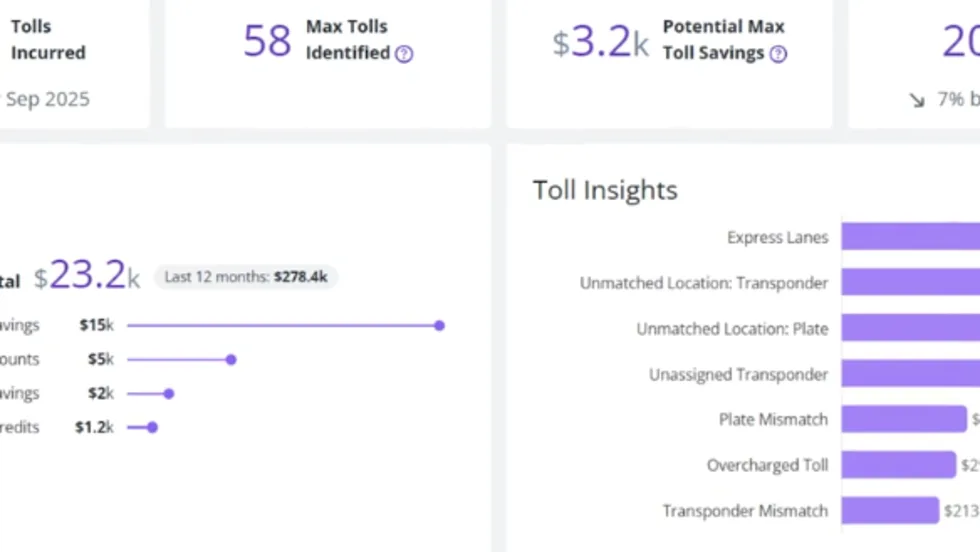
PrePass Intelligence Mines Fleet Bypass, Toll and Safety Data
PrePass Intelligence helps fleets measure bypass savings, flag potential toll overcharges, and spot suspicious transactions by combining data from separate systems.
Read More →
Motive Adds AI Agents for Fleet Operations
New tools automate follow-up on fleet data, from maintenance work orders to driver alerts, with two-way voice conversations planned for later this year.
Read More →
Can You Beat Our Trucking Trivia Challenge?
Test your truck knowledge with 19 trivia questions from Heavy Duty Trucking Exchange. Can you keep up with the fleet pros?
Read More →
BeyondTrucks Adds Rules Checks to Dispatch
New Compatibility Engine checks driver qualifications, equipment requirements and fleet policies before loads are dispatched.
Read More →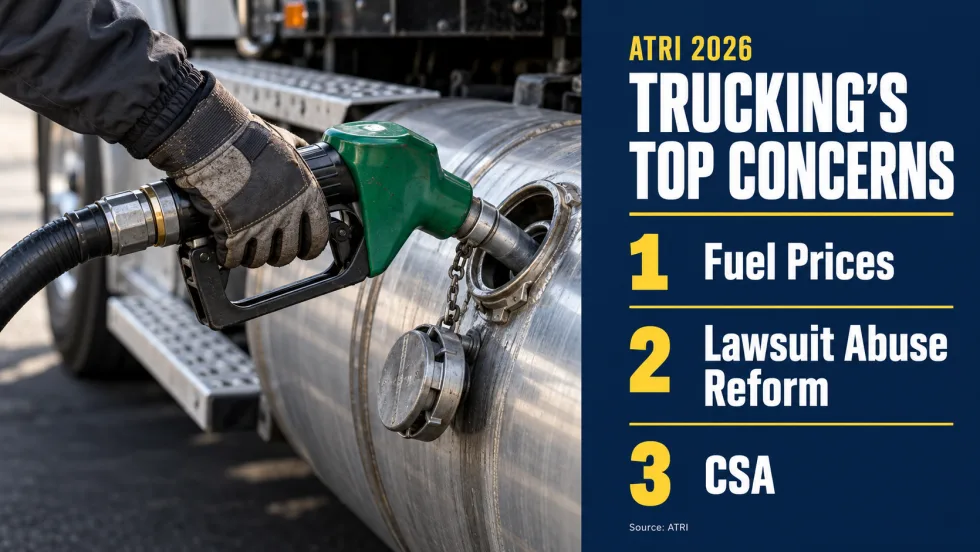
Diesel Prices Hijack Trucking’s Worry List
ATRI’s annual survey finds cautious optimism about freight, but diesel costs, litigation, and insurance continue to squeeze fleets. Drivers have different priorities on several issues.
Read More →
Nomination Deadline Extended for HDT Emerging Leaders
Just a few more days to nominate accomplished trucking fleet professionals under 40 who are making an impact and helping lead the industry forward for the HDT Emerging Leaders award. Deadline extended to October 20!
Read More →
What Will ATA’s New Leader Bring to Trucking's Table?
Incoming President and CEO Mark Colson’s record in Alabama offers clues about his priorities and approach following Chris Spear’s abrupt departure as the head of the American Trucking Associations.
Read More →
Volvo, Waabi Start Commercial Autonomous Operations in Texas
Volvo VNL Autonomous trucks, powered by the Waabi Driver, are hauling freight directly to third-party facilities for a customer in Texas.
Read More →
Samsara Launches Custom AI Agent Builder
Agent Studio lets fleets create AI tools for hours-of-service monitoring, reporting and driver support, including agents that communicate by phone.
Read More →