




Clean Power
Pull in, plug in, pay up, and enjoy. It's that simple, it's that cheap, and it's for real.

At about four bucks an hour for the fuel alone to keep a big diesel idling these days, powering up a truck with a ready source of 110-volt AC power for a buck an hour is too good an alternative to ignore. Pull in, plug in, pay up, and enjoy. It's that simple, it's that cheap, and it's for real. Truckstop electrification projects haven't yet become commonplace in this country, but that may be about to change.
It looks like Rome, N.Y.'s Shorepower Technologies may have finally hit upon a cost-effective plan to provide a convenient source of power to truckers parked overnight.
Rather than the infrastructure-intensive installations current dotting the country, Shorepower Technologies uses only a single steel pedestal - protected by four steel bollards - installed between two or four parking spaces. Each post is wired with for up to four users with 110-volt power outlets, along with plug-ins for cable television, and Wi-Fi high-speed Internet connections.
Depending on the size and scope of the installation, the cost could be as low as 10 percent of the price of the more familiar setups.
"Each Shorepower connection costs from half to a quarter of the cost of an "off board" TSE parking space," says the company's chief operating officer, Jeff Kim. "But that does not tell the whole story. Generally, our competitors require a 75 to 100 parking space minimum. We can do facilities with less than 25 parking spaces under certain circumstances. A small Shorepower facility can cost as little as $100,000 depending on site-specific issues, whereas an small "off-board" TSE facility can cost $1 million or more."
When we talk about in-cab climate control, "on-board" includes APUs or battery-powered HVAC systems. Off-board systems supply heated and cooled air from an external source. Shorepower's concept could be described as "have heater, will travel." With an available source of 110-volt AC power, a driver can plug in anything he or she wants, such as a small space heater, a dehumidifier, or even a portable room air conditioner.
As Shorepower was powering up, skeptics said there weren't enough trucks on the road fitted with the necessary wiring and inverters to support a standalone system. Shorepower's market research suggests around 20 percent of trucks now have shore power capacity.
"That may not sound like a huge opportunity," Kim says, "but that's still about 100,000 trucks. This number is increasing every year and will increase even more rapidly as we deploy more Shorepower facilities."
Kim is quick to point out that a full on-board shore power installation isn't necessary for a driver to take advantage of a local source of 110-volt AC power.
"Once you have power, the truck becomes a mini apartment. You can set up the vehicle with outlets, or you can simply pass the extension cord through the door," he says.
Several truck makers are now offering electrically driven HVAC systems that run on batteries or shore power. Shore power can eliminate the dependency on batteries so your system can run indefinitely. It also extends the life of the batteries and therefore, reduces battery replacement costs.
More complex factory or aftermarket shore power installation kits include a cab-mounted AC/DC inverter and wiring harness to power a range of cab amenities including heating, A/C, cooking appliances, and entertainment devices. Shorepower Technologies offers a series of electrification kits that start with an extension cord and a portable heater, and go up to full inverter kits with internal cable TV and Internet connections.
Drivers pay for the service with a credit card or through a card-activated account. They can pay via their laptop, or by calling a toll-free number. Live support personnel will activate the services remotely. As an introductory offer, the services are currently free.
Innovative Business Model
Shorepower Technologies is a spin-off from an engineering consulting group that was examining current off-board electrified truckstop parking offerings. They concluded infrastructure-intensive models such as IdleAire didn't work, and decided to go with a more flexible product requiring much less infrastructure.
Kick started with an EPA grant to administer the program. The New York State Energy Research and Development Authority, The Climate Trust, the Washington State Department of Ecology, and the Oregon Department of Energy contributed funding, loans, and business energy tax credits to get the program off the ground.
"We've got several big substantial investors looking at us right now, and if we can get that funding, we can start a national deployment," Kim says. "There are grants available in several states right now, but we don't want to rely solely on them in the long term. To make this work, it has to be a self-sustaining business. The long-term model doesn't rely on those grants, but they'll be helpful in getting it off the ground."
The seven existing truckstop installations are in a revenue-sharing arrangement with Shorepower Technologies. The company paid the initial installation charges, and covers the monthly power bills and utility costs.
"There's literally zero cost to the truckstop," Kim says, "but we still share a small portion of the revenue stream with them. The percentage depends on a number of factors."
They also offer a model where the truckstop operator buys the equipment outright and pays Shorepower Technologies a small maintenance and marketing fee. "We keep the system operational, they collect the majority of the hourly charges," Kim says.
Questions were asked in the early stages about the actual CO2 reduction potential of the system, given that a truck running on-board 110-volt A/C heating or cooling systems is consuming electrical energy from some source. Kim points out that it is preferable to idling a diesel engine all night long for the same purpose.
"Even the worst coal-burning electrical generation facility would produce electricity for this system at 2 to 5 percent fewer emissions than an idling truck engine would do," says Kim. "Even in the worst, worst case, we're still way ahead in terms of greenhouse gas reduction."
More Fleet Management
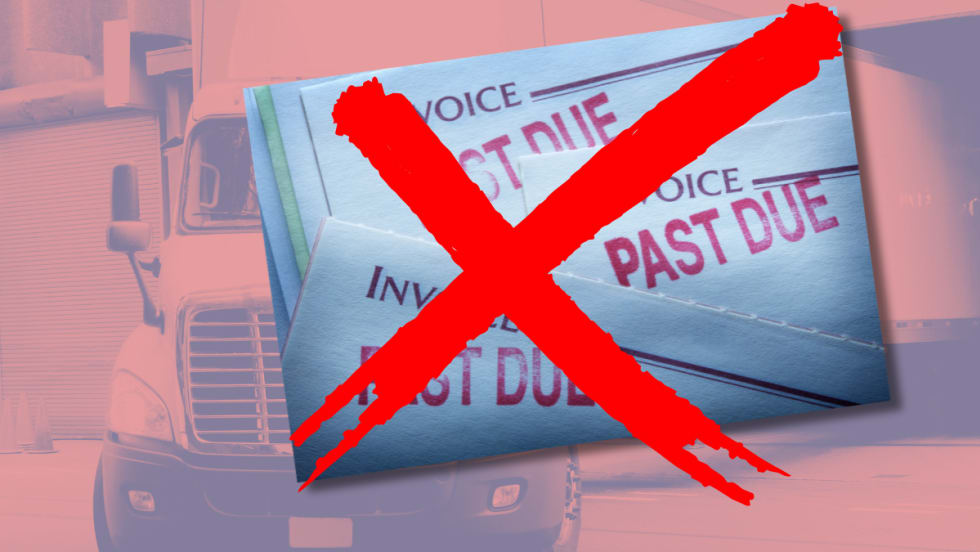
Freight Broker Bonds Just Got Harder to Get. Here's What That Means for Your Fleet.
When it gets harder for a freight broker to prove they are financially sound, the ones who cannot clear that bar get pushed out of the market. And those are exactly the brokers who used to leave motor carriers holding the bag.
Read More →
Long-Awaited Canadian Border Bridge to Open in Detroit
For trucking, the bridge opening should offer immediate improvements in efficiency and reliability, with new customs facilities, expanded inspection capacity, and direct freeway-to-freeway connections.
Read More →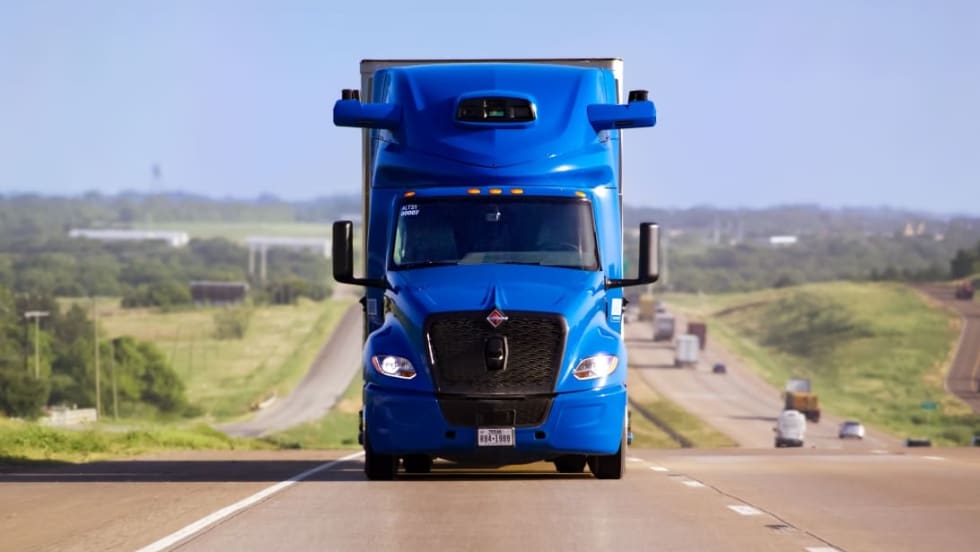
Aurora Rolls Out Next Generation of Driverless Trucks for Commercial Freight
Aurora's latest autonomous trucks it's rolling out with International feature lower-cost hardware designed for a million miles as the company expands commercial driverless freight operations across the U.S. Sun Belt.
Read More →
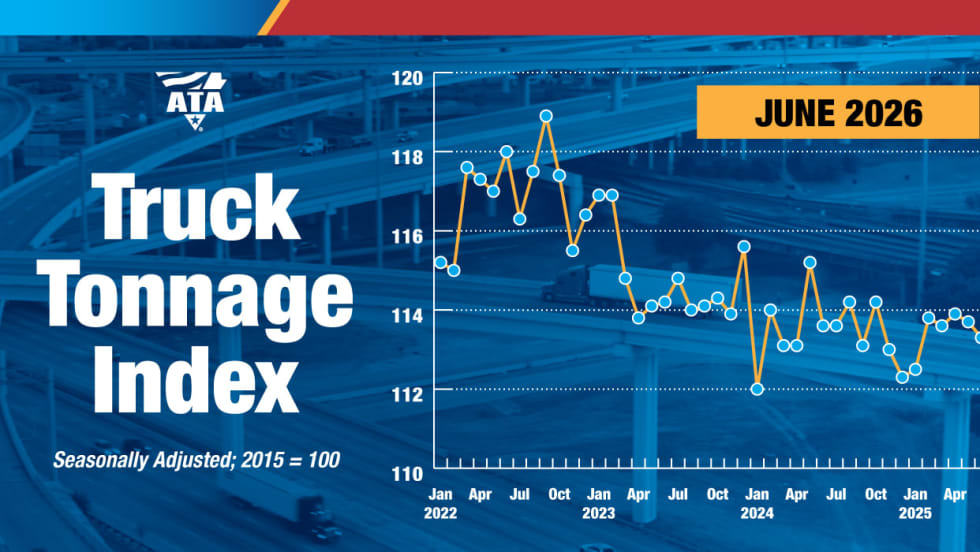
Freight Tonnage Down, Rates up, as Lower Capacity Powers Trucking Recovery
The recovery from the freight recession continues to be driven by reduction in capacity rather than by increased demand.
Read More →
Think Your Trucking Fleet Isn't Using Much AI? Think Again
Shadow AI — the use of unauthorized artificial intelligence tools at work — is becoming increasingly common, putting sensitive company data at risk. Learn how trucking fleets can protect sensitive data while embracing AI.
Read More →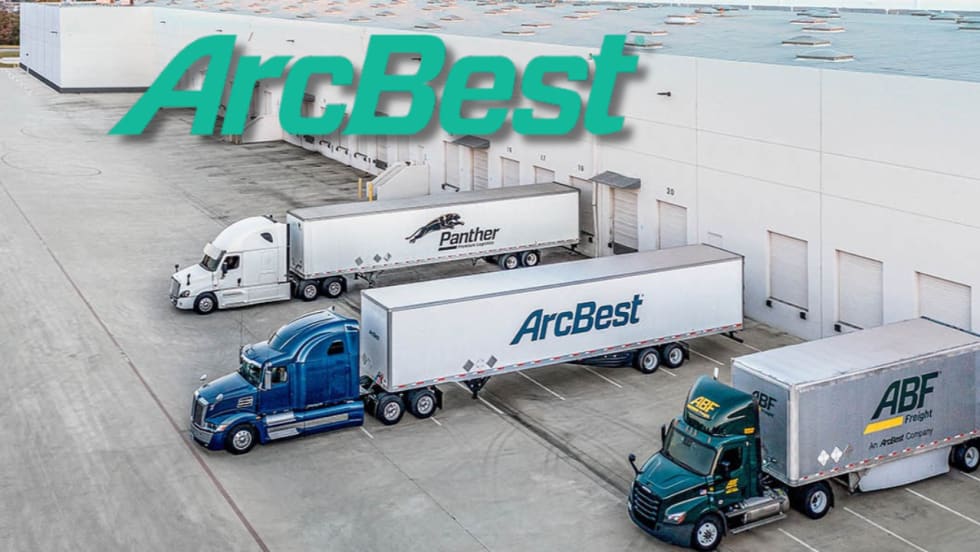
ArcBest Consolidates Brands, Cuts Workforce
The company will bring three business units under the ArcBest brand, eliminate about 2% of positions, and expects the changes to generate $40 million in annual savings.
Read More →
Trucking Fleets Faced Record Operating Costs During Third Year of Freight Recession
ATRI's annual operational cost report shows carriers trimmed fleets, delayed equipment purchases, and ran older trucks as expenses continued to outpace freight rates.
Read More →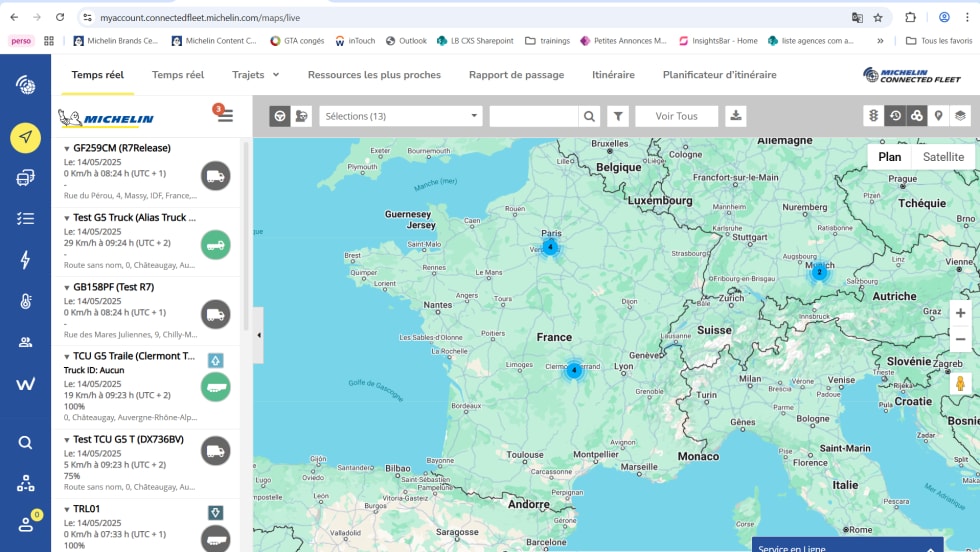
Michelin Adds AI Assistant to MyConnectedFleet Platform
Michelin’s new generative AI tool delivers instant fleet insights, helping managers analyze fuel use, tire maintenance, vehicle status, and operational performance without manually creating reports.
Read More →
LytxOne Platform Now Features AI, Compliance, and Asset Tracking Tools
New enhancements add AI-powered insights, asset tracking, compliance automation, and configurable privacy controls to Lytx's all-in-one fleet management platform.
Read More →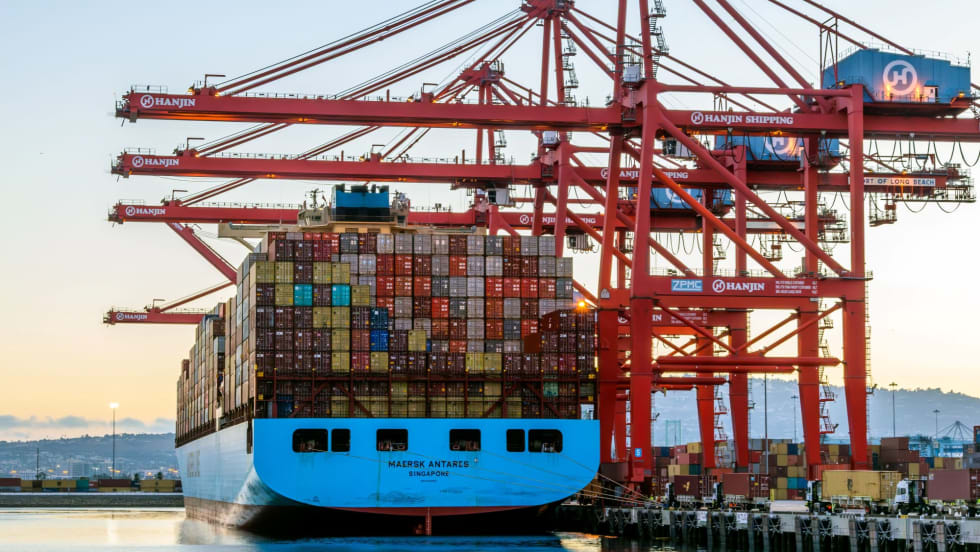
July Imports Poised to Set Container Record
The National Retail Federation projects July container imports will surpass the pandemic-era record as shippers frontload freight ahead of expected August tariff increases.
Read More →