




CDL/Med Card Merger: The Deadline is Near
An important deadline is just around the corner for CDL drivers and their motor carriers. As of Jan. 30, 2014, all CDL holders must have supplied information about the type of driving they do (self-certify) and the status of their medical certificate/card to their state driver’s licensing agency.
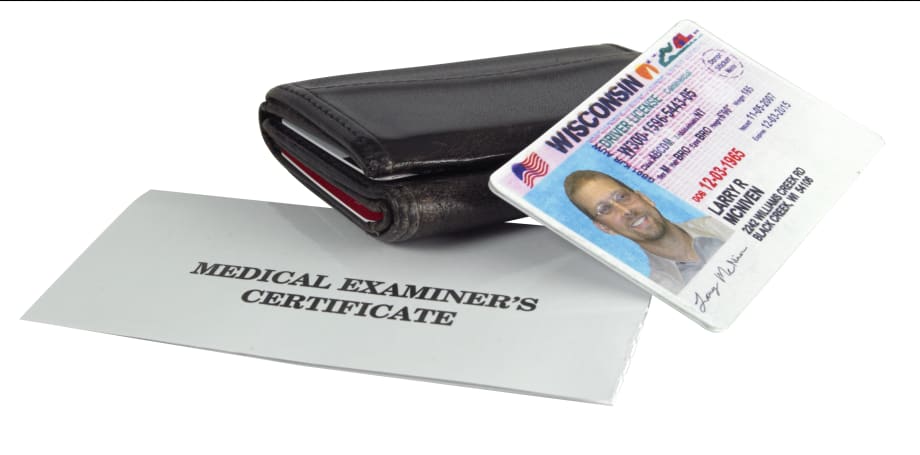

An important deadline is just around the corner for CDL drivers and their motor carriers. As of Jan. 30, 2014, all CDL holders must have supplied information about the type of driving they do (self-certify) and the status of their medical certificate/card to their state driver’s licensing agency.
Neglecting to complete these tasks before the Jan. 30 deadline will mean serious consequences for CDL holders and the companies they drive for.
Non-compliance means the driver will lose CDL privileges. The driver’s license will be downgraded to a non-CDL class, so he or she can’t operate vehicles that require a CDL until full CDL privileges have been reestablished. In many cases, this process will be very time-consuming and costly for the driver.
The motor carrier is responsible for making sure all drivers are fully qualified to operate the vehicles they are assigned to drive. The carrier will be unable to dispatch a driver on its roster whose license is downgraded. This can cause a loss in productivity and revenue.
Take some simple steps now to keep this from happening.
Self-certification and the med card
The first piece of information a driver must provide to the state licensing agency is a self-certification of the type of commercial driving he or she performs. All CDL holders must complete this self-certification.
The self-certification document must be obtained from the agency that issued the driver’s license.
Many states allow the driver to download a self-certification form from the state licensing agency’s website or provide this information via an online portal. Some states require the driver to complete a specific form that is mailed to the driver’s home address.
No matter the format, when completing the form, drivers must certify that they operate or expect to operate under one of the following four categories:
1. Non-excepted interstate: Applies to drivers who operate in interstate commerce and are subject to the qualification requirements in Part 391 of the Federal Motor Carrier Safety Regulations.
2. Excepted interstate: Applies to drivers who operate in interstate commerce, but are exclusively involved in “excepted” operations under Sections 390.3(f), 391.2, 391.68, or 398.3 of the FMCSRs.
3. Non-excepted intrastate — A driver who operates only in intrastate commerce and is subject to state qualification requirements.
4. Excepted intrastate — A driver who operates only in intrastate commerce and is exclusively involved in operations that are excepted from the state’s qualification requirements.
In addition to providing self-certification, all non-excepted interstate drivers must provide a current, valid copy of their medical certificate/card.
A few states are also requiring non-excepted intrastate drivers to provide a valid copy of their medical certificate/card. It is expected that more states will require intrastate drivers to turn in this document in the future.
Recordkeeping
Once the state receives a driver’s self-certification and medical card information, it will be placed on the driver’s driving record.
That means that as of Jan. 30, 2014, drivers will no longer be required to carry their medical card, and motor carriers will not be required to maintain a copy in the driver’s qualification file.
So how will a carrier verify that a driver is physically qualified? By obtaining a copy of the driver’s driving record and including it in the driver’s qualification file.
By Jan. 30, 2014, and then each time a medical certificate/card is renewed and turned in to the driver licensing agency, the motor carrier will need to obtain a new driving record that reflects this current information and place it in the driver’s qualification file. This requirement is in addition to the annual review of each driver’s driving record that must be performed by the motor carrier.
The motor carrier will need to take timing into account when obtaining the new MVR that reflects the driver’s current medical status. Once a driver turns in his/her medical certificate/card to the state licensing agency, the state has 10 days to enter this information into the driver’s driving record. During this time, the motor carrier must keep a copy of the driver’s medical certificate/card in the driver’s qualification file. Regulations allow a motor carrier to maintain this copy of the certificate/card as proof of medical qualification for a maximum of 15 days from the date it was issued.
Also, when it comes to timing, drivers will need to plan in advance. If the expiration date of the driver’s medical certificate/card passes, and the driver’s MVR is not up to date, the state will begin the process of downgrading the driver’s CDL to a non-CDL class.
The bottom line
Organization and information are key when it comes to meeting these requirements. Drivers need to be aware of these requirements and follow the process implemented by their state’s licensing agency.
Motor carriers need to be informed of the processes in each state where they have a driver licensed. Motor carriers must also have policies and procedures in place to ensure that all drivers comply with the requirements in a timely manner.
Compliance is a responsibility that is shared by both motor carriers and drivers.
Jill Schultz is editor - transportation safety at J.J. Keller & Associates, specializing in Federal Motor Carrier Safety Regulations and intrastate safety regulations, including driver qualification, hours of service, and alcohol and controlled substance regulations. transporteditors@jjkeller.com
More Drivers

EEOC Sues KLLM Over Alleged Sex Discrimination in Driver Training
KLLM is facing a federal sex-discrimination lawsuit over policies the EEOC alleges put female truck driver trainees at a disadvantage.
Read More →
FMCSA Moves to Codify English Language Requirements for Commercial Drivers
By changing regulations on English-language proficiency requirements for commercial drivers, rather than relying on a guidance memo, the FMCSA said future administrations won't be able to walk back the Trump administration's stricter enforcement with just a memo.
Read More →
Drivers Put Western Star Trucks to the Test at Star Nation Experience
Watch to get an inside look at the Western Star trucks, technology, and community behind the Star Nation Experience 2026!
Read More →
Trump Administration Looks to Put More Veterans Behind the Wheel
The Freedom Haulers program pulls together existing and expanded programs at several federal agencies to recruit veterans to drive commercial heavy-duty trucks and cut the red tape for them to get a CDL, training, and employment.
Read More →
Putting Mack’s Command Steer to the Test
A test drive of Mack’s Command Steer active steering system evaluates how it can make truck driving easier and less tiring.
Read More →
Competition Heating Up for Truck Drivers
New report reveals rising driver hiring costs, the return of sign-on bonuses, growing AI advantages, and the operational factors shaping driver retention.
Read More →
How Fraley & Schilling Improved Logbook Compliance by Over 50%
Fraley & Schilling needed a way to close a compliance workflow gap in its ELD system without adding more work from driver training, reminders, and back-office follow-ups. It found the answer in a custom driver app.
Read More →
Volvo Goes Gaming
Volvo has roared into American Truck Simulator with two new flagship trucks.
Read More →
What the Best Fleets to Drive For Teach About Driver Retention
Survey fatigue, AI-powered routing, owner-operator expectations, and the decline of social media all emerged as themes from this year's Best Fleets to Drive For program.
Read More →
Driver Retention Lessons From the Best Fleets to Drive For
What separates trucking's best workplaces from the rest? Jane Jazrawy shares the biggest lessons from this year's Best Fleets to Drive For program on driver retention, communication, AI, and workforce trends on the HDT Talks Trucking podcast.
Read More →