




Big Data Can Guide Big Maintenance Decisions, Panel Says
"In the perfect world, I’d like to see a truck tell me what’s wrong with it,” said Crete Carrier's Kirk Altrichter in a panel at the inaugural Canadian Fleet Maintenance Summit. Learn more in this first installment of a series on the role of data in modern maintenance operations.
by John G. Smith, Editor, Today's Trucking
April 14, 2016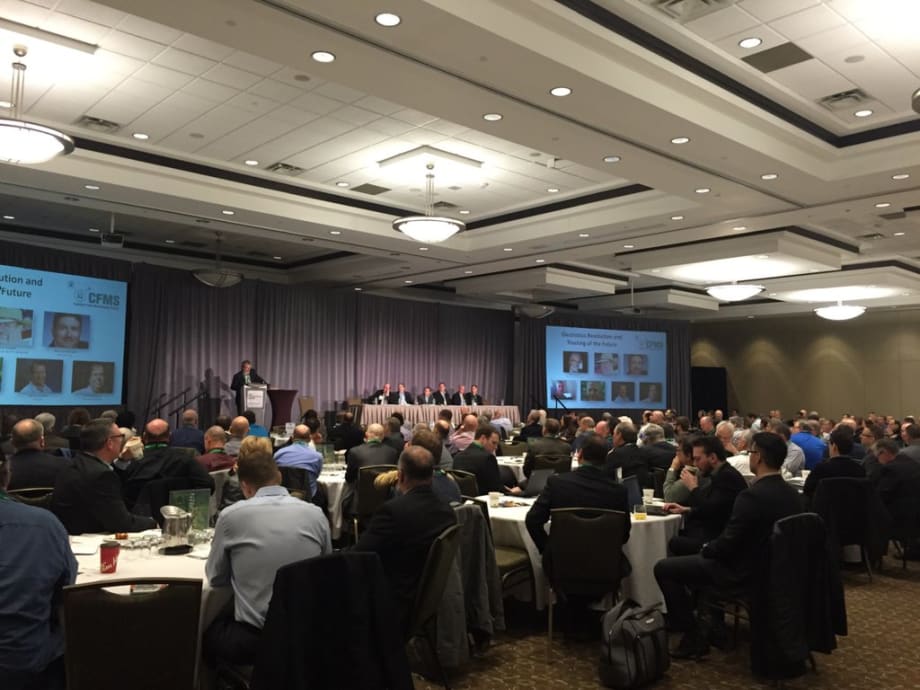
4 min to read
MISSISSAUGA, ON – The electronic revolution is a reality in the trucking industry. Electronic control modules now feed data from engines and transmissions alike. Maintenance software can spit out reams of reports, measuring just about every imaginable operating parameter.
As important as all the underlying data can be, however, the secret is to turn it into actionable information.
Speakers during the inaugural Canadian Fleet Maintenance Summit Wednesday offered insights into ways that data can guide predictive maintenance activities. Put another way, it can help address challenges before breakdowns occur. And the benefits of big data – the massive datasets that support analytics – are not limited to big businesses.
“The small fleets can behave as big ones if they embrace the tools that the dealers and the OEM have today,” said Skip Yeakel, principal engineer, government industry academia link for Volvo Group North America. As an example, he cited his company’s Uptime Center and the way it diagnoses issues remotely.
Even though larger fleets have more resources to explore raw data, smaller operations still have the opportunity to look at single reports or receive alerts, added Larry Jordan, vice president, product management for Zonar, a supplier of fleet management software. These are the details that can help avoid breakdowns or delays at weigh stations. “It’s not just the uptime, but it’s the availability of the truck, the availability of the driver, and the availability of the product you’re delivering.”
There were certainly fans of such ideas. “In the perfect world, I’d like to see a truck tell me what’s wrong with it,” said Kirk Altrichter, VP of maintenance for Nebraska-based Crete Carrier.
Some of the biggest challenges appear to involve sorting through the reams of available data, or finding the useful tidbits hiding in file folders. Even gathering the data can be a problem. “Why am I re-keying information?” Altrichter mused. “Warranty is still a very manual process, even if you have agreements loaded into the system.” And where manufacturers often understand their own brands, their systems often struggle to communicate with those used by competing nameplates, he said.
“Organizations are learning the same thing over and over again because they never took the information and turned it into knowledge,” added Ric Bedard, president of Toronto-based Cetaris, a supplier of fleet maintenance software.
There also can be too much of a good thing, leading to information overload. Altrichter learned that the hard way when asking to be alerted about any monitored fault codes. “We ended up turning it off quite quickly.” The goal instead is trying to identify the codes that require immediate attention, and those that can wait to the next preventive maintenance (PM) cycle, he said.
Yves Maurais with Quebec-based fleet Groupe Robert, stressed the need to set specific goals for the data being collected. “Once you know what you’re looking for, it’s easy to get the correct tools,” said Maurais, who's the carrier's technical director for asset management, purchasing and conformity. He encouraged maintenance managers to review new technologies at least one day a week, even looking beyond North America, since original equipment manufacturers are increasingly global. Technologies are developed around the world.
Smaller fleets, said Marais, might want to focus on the data and systems linked to regulations. “Make sure you’re compliant,” he said. “The rest would be icing on the cake.”
Using standardized Vehicle Maintenance Reporting Standards (VMRS) can help make sense of the “big data” that guides operational issues, said Michael Riemer, vice president of products and channel marketing for Decisiv Inc., another software provider. That’s when a maintenance manager’s role shifts from managing parts to managing processes, and how useful information can be available at the point of service.
Then there is the question of the quality of the data being used. Feed garbage in, and any system will spit garbage back out. “Step back and make sure the fundamental numbers are right before you build your decisions around those numbers,” warned Bedard.
Another challenge is that vehicle systems that might work well independently often don’t work well together, Maurais added. “At some point we have to make sure that everyone speaks together.
“Whatever happens, I hope it’s a simplified version of what happens in a truck right now,” he said, referring to technicians who now have to juggle an array of connections and different software platforms when working on mixed fleets. “Right now it’s a nightmare.”
Above all, the ultimate goals of the exercise need to be unique to every fleet, said Riemer. There is simply a difference between the PM schedules recommended by a manufacturer, and what might actually be required in a punishing environment like Northern Alberta. “Make it specific to your operation.”
In the midst of it all, there is a need to ensure the data is controlled, especially as more items are connected through the Internet of Things. “You have to focus on access as well as the security. It’s a fine balance,” said Riemer. Jeep discovered this the hard way when hackers demonstrated how they could control a vehicle on the road. “If you design it right, you shouldn’t have the type of issues that Jeep had.”
The industry might even need to take care and ensure emerging systems don’t interfere with each other. That isn’t a problem now, said Altrichter. “I don’t know what’s coming tomorrow.”
Subscribe to Our Newsletter
More Fleet Management
Can You Beat Our Trucking Trivia Challenge?
Test your truck knowledge with 19 trivia questions from Heavy Duty Trucking Exchange. Can you keep up with the fleet pros?
Read More →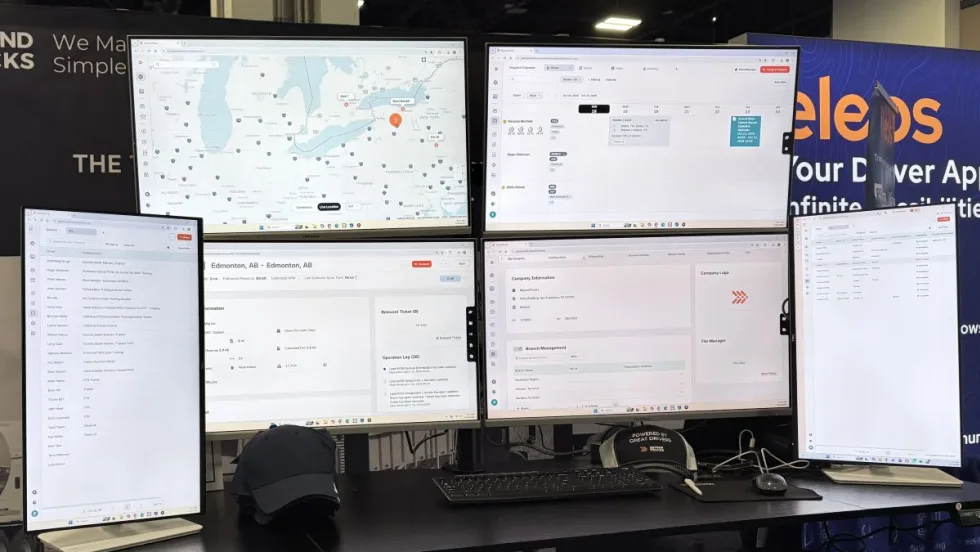
BeyondTrucks Adds Rules Checks to Dispatch
New Compatibility Engine checks driver qualifications, equipment requirements and fleet policies before loads are dispatched.
Read More →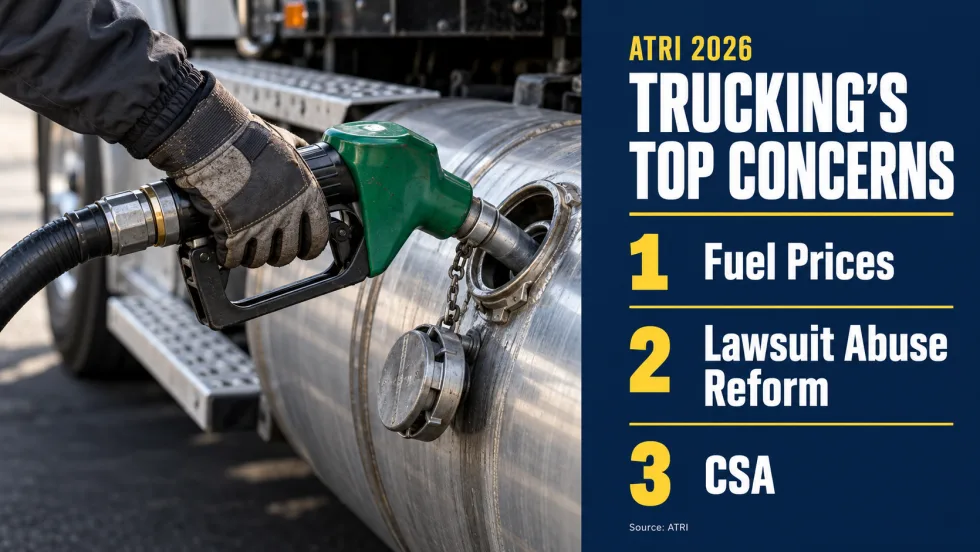
Diesel Prices Hijack Trucking’s Worry List
ATRI’s annual survey finds cautious optimism about freight, but diesel costs, litigation, and insurance continue to squeeze fleets. Drivers have different priorities on several issues.
Read More →
Nomination Deadline Extended for HDT Emerging Leaders
Just a few more days to nominate accomplished trucking fleet professionals under 40 who are making an impact and helping lead the industry forward for the HDT Emerging Leaders award. Deadline extended to October 20!
Read More →
What Will ATA’s New Leader Bring to Trucking's Table?
Incoming President and CEO Mark Colson’s record in Alabama offers clues about his priorities and approach following Chris Spear’s abrupt departure as the head of the American Trucking Associations.
Read More →
Volvo, Waabi Start Commercial Autonomous Operations in Texas
Volvo VNL Autonomous trucks, powered by the Waabi Driver, are hauling freight directly to third-party facilities for a customer in Texas.
Read More →
Samsara Launches Custom AI Agent Builder
Agent Studio lets fleets create AI tools for hours-of-service monitoring, reporting and driver support, including agents that communicate by phone.
Read More →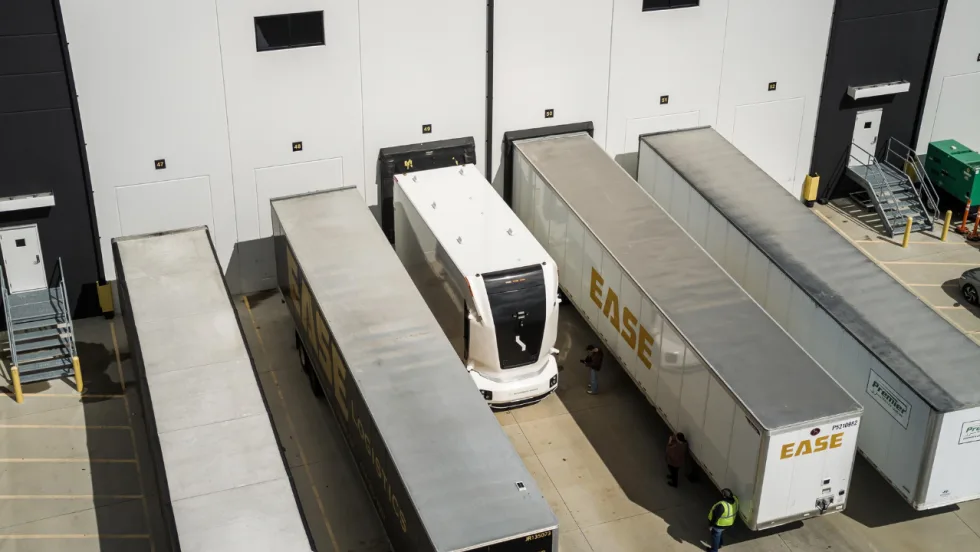
Einride Driverless Electric Trucks Begin Daily Freight Operations in Ohio
Two cabless electric trucks are hauling freight between EASE Logistics facilities in Marysville, Ohio, as part of a multi-state truck automation project.
Read More →
Geotab Links Fleet Card to Vehicle Data
The new card combines fuel discounts with telematics-based purchase controls. Geotab’s analysis also points to potential savings from choosing lower-priced fuel stops.
Read More →
How MFA Helps Protect Trucking Fleets
Multi-factor authentication adds protection when passwords are stolen. Here’s how it works and where fleets should start.
Read More →