




Clean Data, Achievable Goals Keys to Avoiding Information Overload
MISSISSAUGA, ON – Kirk Altrichter, vice president of maintenance for Nebraska-based Crete Carrier, says the ability to gather maintenance data in real time is nothing short of amazing. But what do you do with it? Second in our series from the Canadian Fleet Maintenance Summit on the role of data in modern maintenance operations.
by John G. Smith, Editor, Today's Trucking
April 14, 20164 min to read
MISSISSAUGA, ON – Kirk Altrichter, vice president of maintenance for Nebraska-based Crete Carrier, says the ability to gather maintenance data in real time is nothing short of amazing.
The secret, he said during a keynote address on "How to Avoid Information Paralysis" at the inaugural Canadian Fleet Maintenance Summit this week, is to decide where to focus your attention.
“Everyone in this room can look at the same data and come back with something different,” he explained, referring to how the reports can guide everything from purchasing decisions to maintenance activities. “What needs attention? And what is important to you? And what is actionable?”
He stressed the need to focus on three to five items, and work on those until they’re resolved. Even he monitors reports from no more than four outside vendors a day.
But while fleet management software is a powerful tool, there are plenty of questions to be asked along the way.
Consider warranty recoveries as one example. Part of the issue is understanding what the warranty actually covers. Does a “bumper to bumper” warranty cover oil changes or belts? For that matter, how long does it take to recover the payments, and are they being chased? Information on recalls and campaigns need to be recorded and tracked, too.
Altrichter also recommends reviewing engine parameters every year. “I get refreshed every year because they make changes and they don’t tell you,” he said. A supplier may think it’s no big deal, but tell that to the drivers who begin asking why they can’t idle when an auxiliary power unit is being used. Parameters also have a role to play when reviewing vehicle specs.
Different branches of the same business may even be gathering data in different ways, making the reports different to compare. Accounting teams, for example, might use a fixed asset management system that doesn’t sync up exactly with the software used by maintenance teams.
It shouldn’t be surprising; after all, the industry hasn’t been able come up with a standard definition for cost per mile, Altrichter said. Even standard repair times are not common. Some shops will tack 30% onto those. And third-party shops will have software of their own, each with different packages to review.
Tire programs offer another example. There are plenty of details to track around what is the third-highest cost for many fleets, but secrets can be hiding in the details. Teams analyzing scrap tires might be recording DOT codes into their reports, but these are used across entire batches of tires. It is why he is hoping for further advances in RFID and bar codes to track casings from cradle to grave.
It is not the only way that automated data entry can be valuable. Many mistakes emerge when re-keying details on an invoice, he said, referring to the way the wrong keystroke can change a Vehicle Maintenance Reporting Standard code.
Then there is the issue of looking for chronic repair challenges. “What is a chronic repair? What’s an emerging issue, and how well do we identify those early on?” he asked.
As important as the data is, fleets also need to take care when choosing maintenance software, he said. The systems should meet immediate and stretch goals alike. “Is it scalable?” he asked. For that matter, attention needs to be paid to the details which feed it. “How clean is your data, and how much time do you want to spend cleansing it?
“Far too often, I start working with data and find the underlying details don’t really support the end conclusion.”
There are also choices to be made with the hardware. Handheld units are great for running through checklists, but desktop computers on a shop floor can be a better choice when looking to type in stories. (“I’m not a big one for trying to type one on the phone.”) Tablets are cheap, but they can have security issues. “What’s going to most benefit the folks on the floor?”
As interesting as the data can be, he cautioned against information overload. Check to see what reports are actually being reviewed and if they are needed.
“I don’t need any more emails,” he said. “I think we should limit the number of emails that any individual can send in a given day.”
Subscribe to Our Newsletter
More Fleet Management
Can You Beat Our Trucking Trivia Challenge?
Test your truck knowledge with 19 trivia questions from Heavy Duty Trucking Exchange. Can you keep up with the fleet pros?
Read More →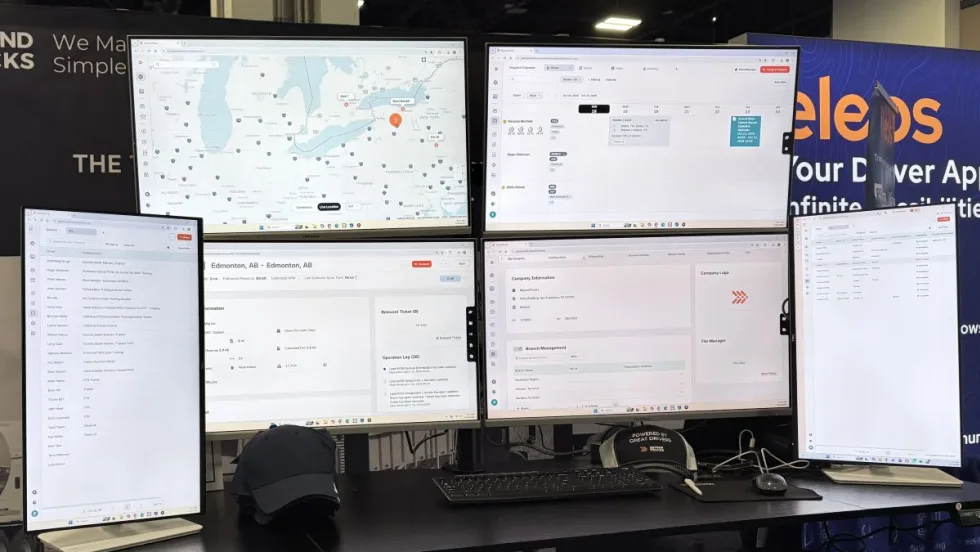
BeyondTrucks Adds Rules Checks to Dispatch
New Compatibility Engine checks driver qualifications, equipment requirements and fleet policies before loads are dispatched.
Read More →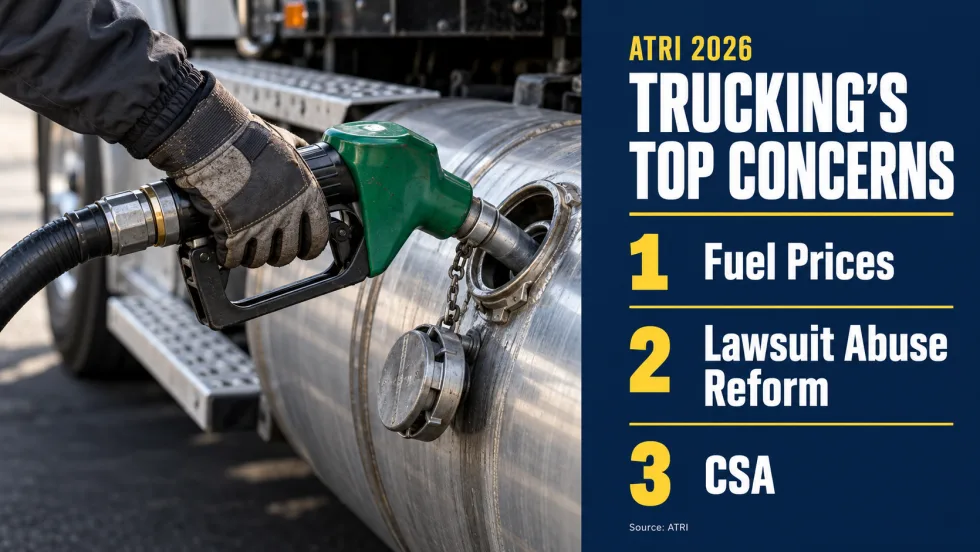
Diesel Prices Hijack Trucking’s Worry List
ATRI’s annual survey finds cautious optimism about freight, but diesel costs, litigation, and insurance continue to squeeze fleets. Drivers have different priorities on several issues.
Read More →
Nomination Deadline Extended for HDT Emerging Leaders
Just a few more days to nominate accomplished trucking fleet professionals under 40 who are making an impact and helping lead the industry forward for the HDT Emerging Leaders award. Deadline extended to October 20!
Read More →
What Will ATA’s New Leader Bring to Trucking's Table?
Incoming President and CEO Mark Colson’s record in Alabama offers clues about his priorities and approach following Chris Spear’s abrupt departure as the head of the American Trucking Associations.
Read More →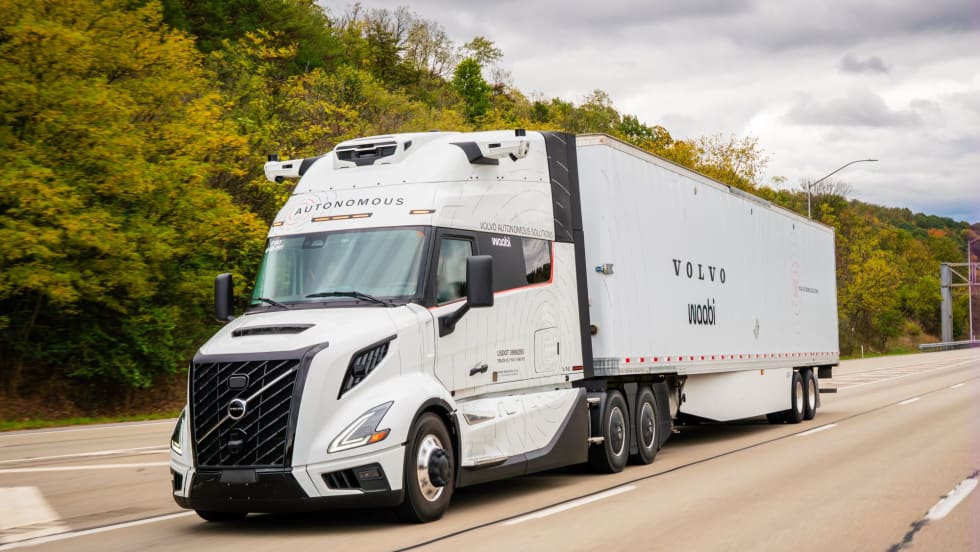
Volvo, Waabi Start Commercial Autonomous Operations in Texas
Volvo VNL Autonomous trucks, powered by the Waabi Driver, are hauling freight directly to third-party facilities for a customer in Texas.
Read More →
Samsara Launches Custom AI Agent Builder
Agent Studio lets fleets create AI tools for hours-of-service monitoring, reporting and driver support, including agents that communicate by phone.
Read More →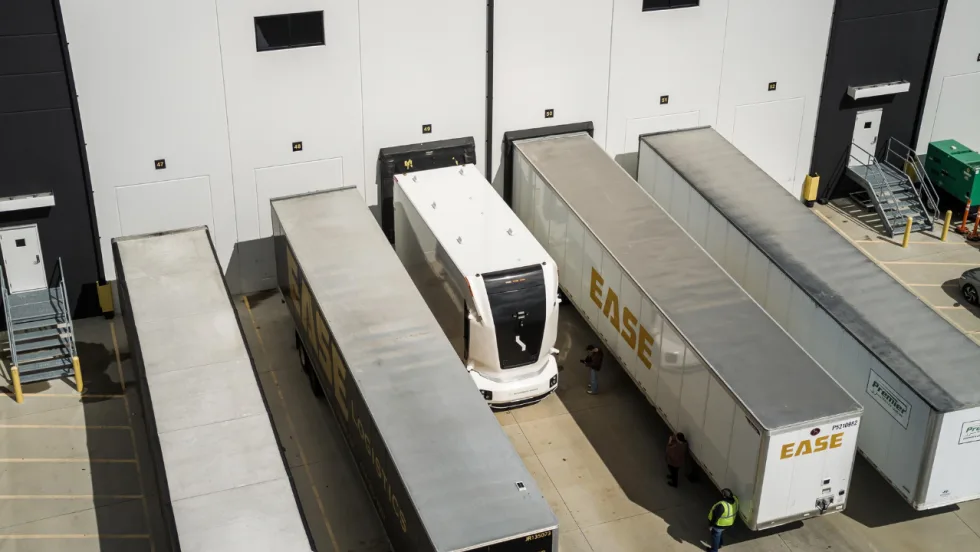
Einride Driverless Electric Trucks Begin Daily Freight Operations in Ohio
Two cabless electric trucks are hauling freight between EASE Logistics facilities in Marysville, Ohio, as part of a multi-state truck automation project.
Read More →
Geotab Links Fleet Card to Vehicle Data
The new card combines fuel discounts with telematics-based purchase controls. Geotab’s analysis also points to potential savings from choosing lower-priced fuel stops.
Read More →
How MFA Helps Protect Trucking Fleets
Multi-factor authentication adds protection when passwords are stolen. Here’s how it works and where fleets should start.
Read More →