




Air System Maintenance: Focusing on the Compressor
At the heart of a commercial vehicle’s air brake system is its air compressor. Bendix shares troubleshooting tips and how to replace an ESS piston.
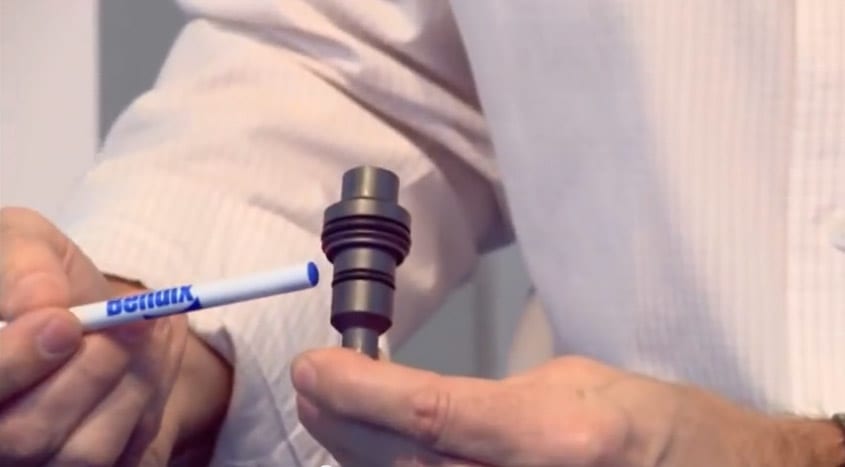
The accompanying video notes that you should take a close look at piston O-rings in the compressor.
At the heart of a commercial vehicle’s air brake system is its air compressor, which pressurizes air in the primary and secondary tanks to provide power for the air brakes and other pneumatic systems. With commercial vehicle technology advancing and expanding the use of compressed air for non-braking functions, knowledge of proper air compressor maintenance and operation has become even more important.
As part of its Bendix Tech Tips series, Bendix Commercial Vehicle Systems offers insight on air compressor troubleshooting and replacement of an ESS (energy-saving system) piston, in the article below as well in the video above.
“Although the compressor is the key component of the air system, it’s important to note that some symptoms of poor compressor performance may actually be caused by faults elsewhere within the system, particularly in the air pressure governor, control valves inside the air dryer, and the air lines and fittings,” says Richard Nagel, Bendix director of marketing and customer solutions, Air Charging. “Compressor failure to load or unload, or excessive purge frequency, for instance, can be caused by leaks in the governor’s control lines, loose fittings, or simply a faulty governor.”
Before removing or performing maintenance on the compressor, take the following steps:
Using shop air, pressurize the unloader line to 120 psi and check for leaks in the line.
Remove the air pressure and ensure the unloader line is properly sealed in the governor fitting, then use shop air to check the line again for leaks.
Inspect the adapters at both ends of the intake hose for damage.
Inspect the intake hose clamps and tighten if needed.
Inspect the intake hose for signs of drying, cracking, chafing, and ruptures; replace if necessary.
Ensure all metal tubes are tight to the mating fitting.
Inspect all metal tubes for cracks or breaks and replace if necessary.
Check the compressor’s exterior for signs of leakage (oil or air), referring to the service data sheet or manual for appropriate tests and corrective action.
Once these checks and fixes have been carried out, if any of the following symptoms remain, they likely point to trouble with the ESS piston:
ESS leaking when pressurized
Compressor safety valve popping off
Air dryer purge valve and compressor cycling rapidly
Compressor failing to unload
System building air pressure slowly or not at all
Compressor leaking air
About the ESS Piston
The ESS piston, located in the head of the compressor, controls the flow of air within the compressor itself. The piston allows the charging or pressurizing of the system’s air tanks. In the “loaded” mode, the ESS piston is down – or sealed – and air enters the system through the air inlet reed valve. The air is then exhausted through the discharge reed valve to build system air pressure. In the “unloaded” mode, the ESS piston is up, opening the cylinder to the compressor inlet. The air shuttles between the cylinder and the inlet, allowing the compressor piston to continue to reciprocate without building pressure.
Replacing the ESS piston is a relatively straightforward process, although before doing so, you should take a few moments to inspect the compressor for any obvious issues once you have removed it from the vehicle. In particular, check the discharge line for excessive carbon buildup: If a film greater than 10 percent of the inside diameter is present, the entire compressor should be replaced.
If there aren’t any clear issues unrelated to the ESS piston, replace it with the appropriate kit.
ESS Piston Removal and Cleaning
Begin by removing the ESS cover plate screws and the cover plate itself. Be sure to use the proper screwdriver head for your particular compressor.
Next, remove the assembly consisting of the balance piston, balance piston O-ring, spring, and ESS piston from the cylinder head.
Thoroughly clean the cylinder head and ESS cover plate, removing all dirt, carbon, grease, gasket materials, or foreign matter from the ESS piston cavity.
Installing the New ESS Piston
During the new ESS piston assembly and installation, apply lubricant generously. If lubricant is supplied, as in the case of Bendix kits, the entire amount should be used during the process.
Lubricate the new balance piston, including thorough lubrication of the O-ring groove. Then lubricate the balance piston O-ring and install it on the balance piston, taking care not to twist or tear the O-ring. Set the balance piston aside.
Lubricate the inside and outside of the new piston assembly housing, then apply lubricant to the spring itself. Carefully slide the spring into the assembly housing.
With the spring slid all the way into the housing, retrieve the balance piston and slide its step into the spring seated in the assembly housing.
Once the entire assembly is complete and well lubricated, slide it down into the ESS cavity in the compressor cylinder head.
Install the new gasket on the boss of the ESS port, aligning the gasket with the boss contours and holes, then place the cover plate over the gasket and re-secure it to the cylinder head with the screws. Tighten the screws manually, using a torque meter to achieve the recommended torque – 7 newton-meters for Bendix compressors.
If your compressor is a twin-cylinder style, it uses two ESS pistons, and you will need to repeat the process for the second piston.
The Bendix Tech Tips series addresses common commercial vehicle maintenance questions and issues concerning the total range of components found within foundation and air brake systems, as well as advanced safety systems. The Bendix On-Line Brake School at www.brake-school.com provides 24/7/365 access to the company’s knowledge database and technical resources on all aspects of electronics and air brake maintenance and product education.
This article was chosen by HDT's editors and edited according to our editorial standards to provide useful information to our readers.
More Aftermarket
What Three Fleets Are Doing Differently When Buying Truck Parts in 2026
With freight improving but costs still climbing, fleet maintenance executives explain how they're balancing price, quality, and supplier relationships.
Read More →
ConMet Expands Aftermarket Brake Drum Lineup With TruCast
A new heavy-duty truck brake drum option in the aftermarket gives customers more flexibility within the ConMet product family.
Read More →
Phillips Opens High-Tech Distribution Center for Faster Parts Delivery
Phillips Industries’ new Cincinnati-area distribution center is now shipping aftermarket trucking parts nationwide, aiming to speed up delivery times for customers.
Read More →
Volvo to Sponsor America’s Road Team for 2025
Volvo Trucks announced that it is extending its exclusive sponsorship of America’s Road Team for 2025.
Read More →
Webb to Start Taking Orders for UltraSet Pre-Adjusted Wheel Hubs
Webb, which recently acquired the Stemco Trifecta pre-adjusted hub program, will soon start taking orders for its replacement pre-assembled hub, the UltraSet.
Read More →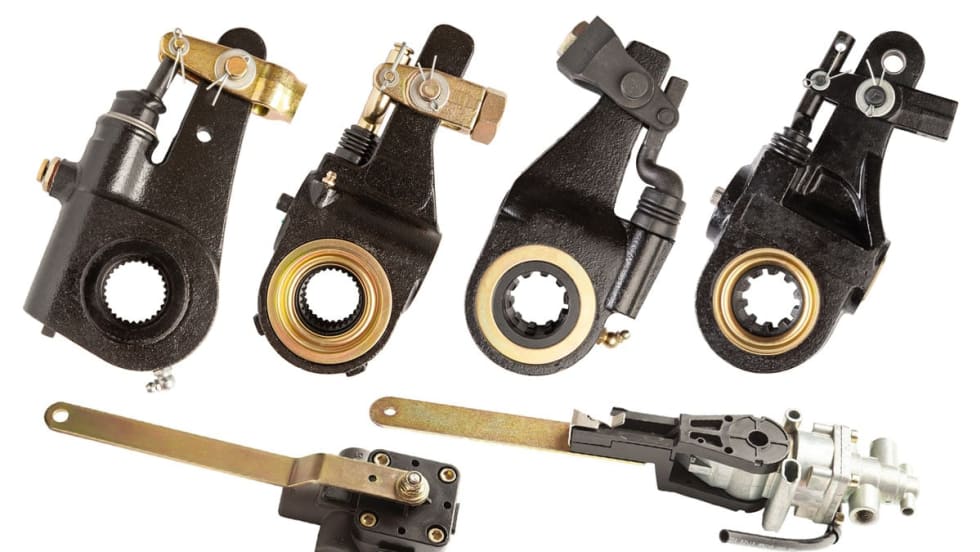
All-Makes Automatic Brake Adjusters, Ride Height Control Valves from Midland
SAF-Holland has added automatic brake adjusters and ride height control valves to its Midland All-Makes Program.
Read More →
ZF Aftermarket Expands [pro]Academy Training
ZF Aftermarket said it is expanding its ZF [pro]Academy training and will be adding 40 new modules this year.
Read More →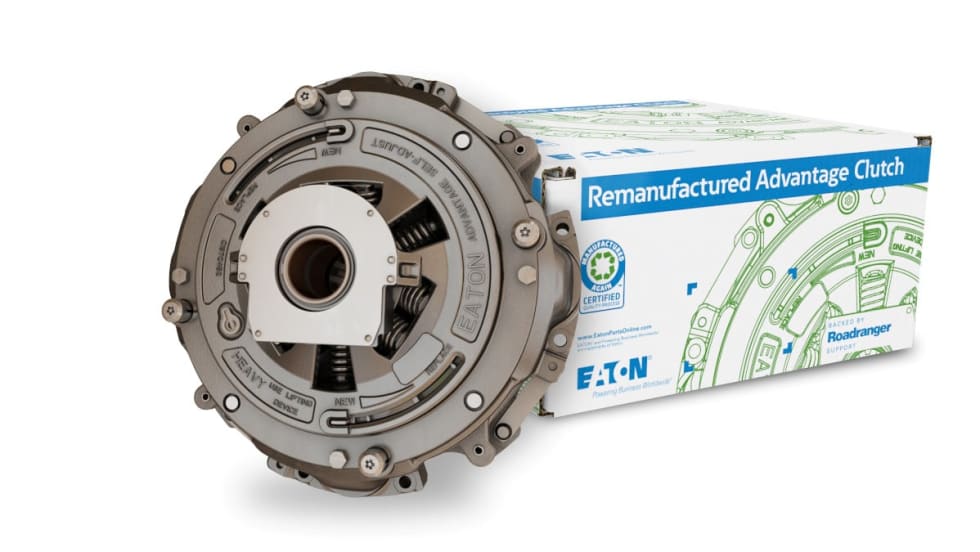
Eaton Adds Remanufactured Advantage Line of Clutches
Eaton has added its Advantage clutches to its remanufactured product line. The clutches feature a unique strap drive intermediate plate designed to allow customers to choose the latest OE specification
Read More →
ConMet Acquires TruckLabs, the Creator of TruckWings
Commercial truck and trailer parts provider ConMet acquired TruckLabs, the company that created TruckWings, an aerodynamic device that attaches to truck cabs and deploys to close the gap between truck and trailer. TruckLabs now operates as a subsidiary of ConMet.
Read More →
Diesel Laptops Releases Fault-Code-to-Part-Number Tool
Diesel Laptops said its Truck Fault Codes allows users to input a fault code and immediately identify and order the parts needed to complete repair work.
Read More →