




7 Tips to Create a Driver Wellness Program That Works
We have officially entered the CSA era of regulation from the U.S. Department of Transportation. With this, we will see changes in commercial driver s license standards and driver qualification — and likely an increased emphasis on driver wellness.

Many companies have designed "wingman" programs encouraging employees to work out together or check up on how the other is doing.

Many companies have designed "wingman" programs encouraging employees to work out together or check up on how the other is doing.
We have officially entered the CSA era of regulation from the U.S. Department of Transportation. With this, we will see changes in commercial driver s license standards and driver qualification — and likely an increased emphasis on driver wellness.
Although there are challenges with creating a wellness program that drivers will actually adopt, the rewards of improving employee wellness are great. Decreased health care and worker's compensation costs, greater control of insurance premiums, and improvement of safety records are just a few of the reasons to invest the time in a wellness program for your drivers.
There are unique challenges in designing a program that works for drivers. A shortage of healthy food options, ergonomically unfriendly workspaces and extreme fatigue are just a few barriers to driver wellness.
These should not be excuses to avoid investing in a wellness program, just things to take into consideration in designing a program.
The following tips can help any trucking company looking to start a wellness program.
1. Ask drivers what kind of wellness information they want
Driver input should help guide the content you develop. Some over-the-road drivers do not come into the office for weeks at a time. It's often difficult to get face time with those drivers.
Make it a priority to talk to these drivers when you can and ask them what will work for them. Finding out how you can help them and then following through has proven successful.
2. Offer exercise suggestions that fit drivers’ schedules
Over-the-road drivers or long-haul drivers are allowed to work up to 70 hours in an eight-day period. Once they log in to start the day, they have to stop within 14 hours. During that period they are allowed to drive a maximum of 11 hours, so by law you have a minimum of three hours to help them use that time to improve their health.
Provide suggestions on stretching, exercise and healthy eating that they can incorporate into this demanding schedule.
Drivers can walk around their trucks. 34 laps around a big rig is a mile. They can use kettle bells, or do a stretching program all within their trucks. Some TA/Petro truckstops have put in workout rooms and/or offer maps suggesting nearby places for a walk.
3. Promote stretching programs
Stretching is key to back safety and overall driver wellness and health. Participating in a stretching program can help with long hours of being in a cab. It might also help with bouncing back if injury should occur.
Have a professional demonstrate proper stretching during a safety meeting to help drivers see what they should be doing.
4. Get drivers to help each other
Grassroots support is key to making any wellness program work. Having just one driver advocate to help communicate the message amongst the other drivers will go a long way.
Create a way for drivers to share information with one another, such as which truckstops are the best places for a walk or offer healthy food options.
This can be as simple as asking drivers for input and then distributing the information.
Many companies have designed “wingman” programs encouraging employees to work out together or check up on how the other is doing.
5. Encourage preventive screenings
Drivers are at an increased risk for a host of health challenges. Extreme fatigue, sleep apnea, high blood pressure, diabetes, depression, loneliness and anxiety are just a few areas where drivers may need extra help.
Screenings and preventive measures can identify these problems early and allow for treatment or behavior changes that will lessen the severity or onset of these conditions.
6. Reward drivers for quitting smoking
Smoking is a major problem among driver populations. A focus of communication can be tips to stop smoking as well as factual information on the effects. Beyond this, look for ways to reward those that have quit or those who have never smoked at all.
7. Demonstrate a top-down commitment to wellness programs
Management commitment to a healthier workforce is essential, so executives should actually participate in the wellness program themselves.
Things like dedicating company time to focus on wellness, allocating resources and time for your staff to develop programs, and providing the right coverage and incentives will demonstrate a sincere commitment to the wellbeing of employees.
When creating a wellness program, recognize there isn't a cookie cutter program out there. Wellness is the sort of problem that “you can't just write a check to cover.”
Adapted from Megan Young's posts on the “Steal These Ideas” blogfor HNI, a non-traditional insurance company that helps clients address risk. Used with permission. Go to www.hni.com/blog for more ideas.
More Fleet Management

Your Trucks Are Busy. That Doesn’t Mean They’re Winning.
High utilization doesn’t always mean strong margins. Looking beyond the current load can help fleets make better dispatch decisions and get more value from each truck’s time.
Read More →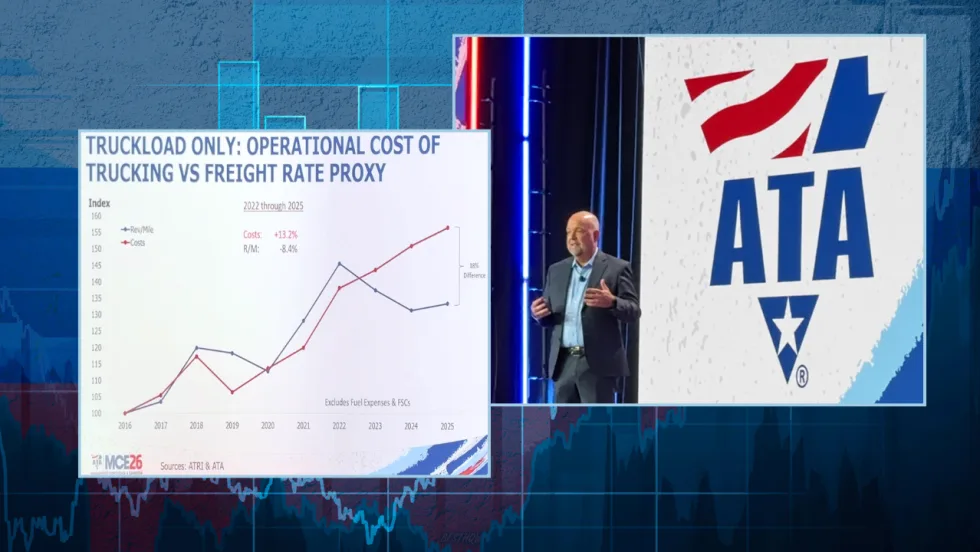
Why This Trucking Recovery Is Different
Freight demand remains sluggish, but rising costs and tougher enforcement have taken enough capacity out of the market to change the outlook for motor carriers.
Read More →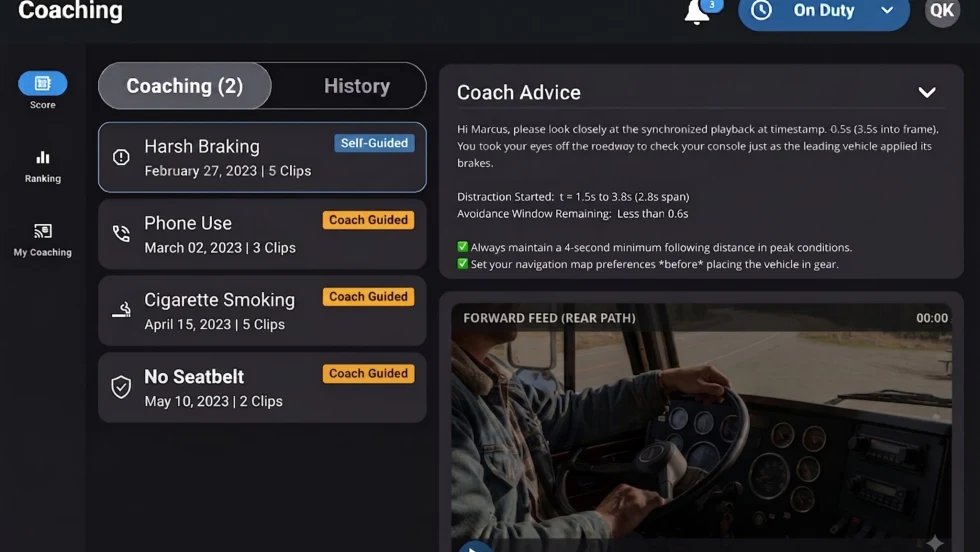
Platform Science Adds Dispatch and Safety Tools
Four additions to PS Fleet help fleets monitor loads, manage driver coaching, share truck locations and adjust video system settings.
Read More →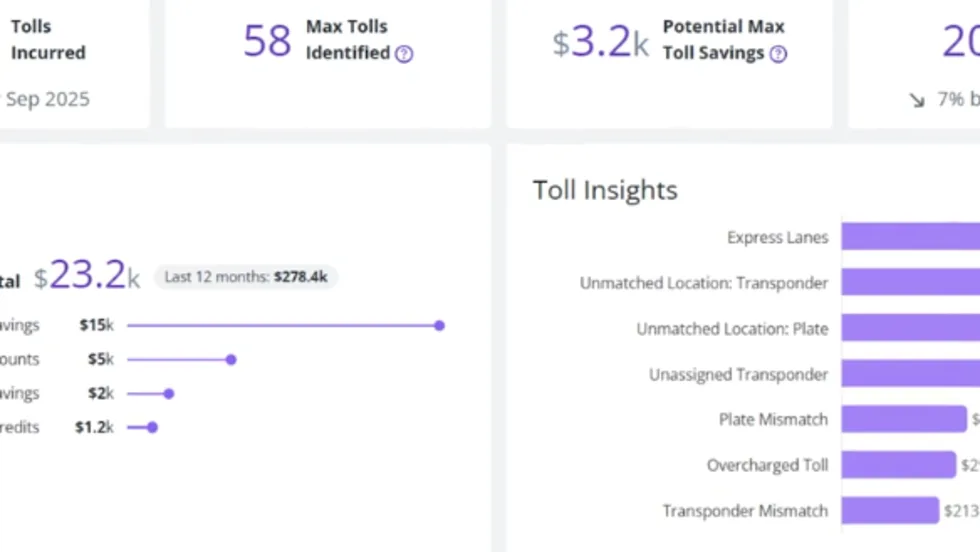
PrePass Intelligence Mines Fleet Bypass, Toll and Safety Data
PrePass Intelligence helps fleets measure bypass savings, flag potential toll overcharges, and spot suspicious transactions by combining data from separate systems.
Read More →
Motive Adds AI Agents for Fleet Operations
New tools automate follow-up on fleet data, from maintenance work orders to driver alerts, with two-way voice conversations planned for later this year.
Read More →
Can You Beat Our Trucking Trivia Challenge?
Test your truck knowledge with 19 trivia questions from Heavy Duty Trucking Exchange. Can you keep up with the fleet pros?
Read More →
BeyondTrucks Adds Rules Checks to Dispatch
New Compatibility Engine checks driver qualifications, equipment requirements and fleet policies before loads are dispatched.
Read More →
Diesel Prices Hijack Trucking’s Worry List
ATRI’s annual survey finds cautious optimism about freight, but diesel costs, litigation, and insurance continue to squeeze fleets. Drivers have different priorities on several issues.
Read More →
Nomination Deadline Extended for HDT Emerging Leaders
Just a few more days to nominate accomplished trucking fleet professionals under 40 who are making an impact and helping lead the industry forward for the HDT Emerging Leaders award. Deadline extended to October 20!
Read More →
What Will ATA’s New Leader Bring to Trucking's Table?
Incoming President and CEO Mark Colson’s record in Alabama offers clues about his priorities and approach following Chris Spear’s abrupt departure as the head of the American Trucking Associations.
Read More →