




7 Tips for Teaching New Log Rules
New hours of service rules go into effect July 1. Are you ready? The American Trucking Associations has published an easy-to-use, free tipsheet to help you help your drivers understand the new HOS rules.

The American Trucking Associations has published an easy-to-use, free tipsheet to help you help your drivers understand the new hours-of-service rules.
Here’s the Reader’s Digest version:
1. Start now: The new rules must be followed July 1 and the ATA warns that if caught unawares, the change “may cause significant disruption to your daily procedures.
If caught off guard, unaware drivers may be confused about the requirements and potentially incur violations that could generate fines and that will affect carrier CSA scores.”
2. Use a personal approach: Most find that drivers retain information better in a one-on-one or face-to-face classroom environment. If drivers can’t attend, make the information available as soon as you can and be ready for follow up questions. Train early and train a lot.
3. Use real-world examples: ATA recommends that you develop log-book examples based on a typical and/or exceptional driving week at your company. If possible, select a small group of drivers to operate under the new restart and rest-break provisions for a week or two.
4. Update route planning protocol: Update your route planning to meet the new HOS criteria. “With truck parking scarce, it may be challenging to find somewhere a driver can rest and it may have to come sooner, or later, than expected.”
5. Discuss efficiency: Drivers who use the current 34-hour restart may experience significant losses in productivity depending on what time of day they begin the new period. “Educating them on the benefits of planning will undoubtedly pay significant dividends.”
6. Educate your entire organization and your customers: “It is important that all parts of your organization are fully aware of the potential changes and their consequences. This is especially the case if your drivers use the current 34-hour restart. Driver managers will need to alter their procedures and the sales staff will need to work hard to adjust shipper and broker expectations. Flexibility will need to be built into business relationships to ensure continued efficiency and productivity.”
7. Do more research: For your own copy, with the new rules included, click here.
More Fleet Management
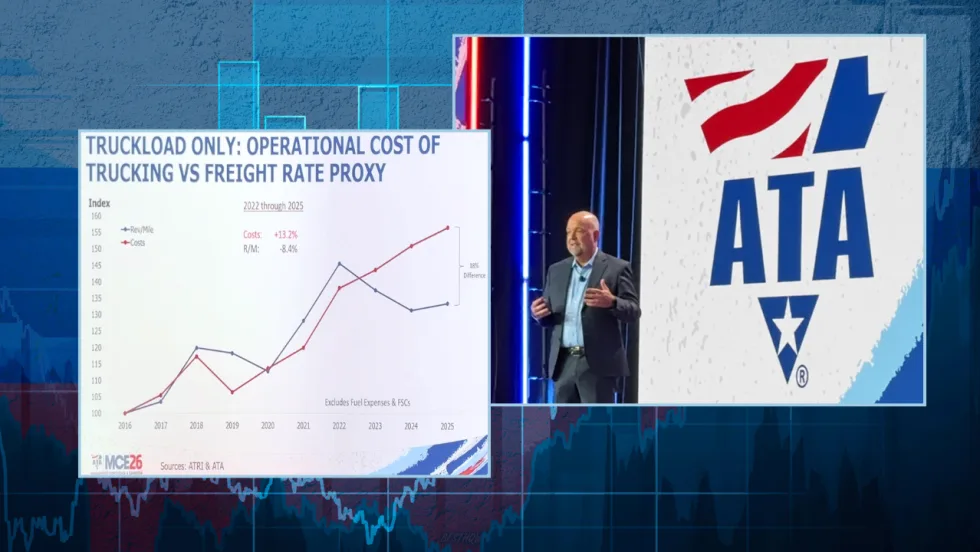
Why This Trucking Recovery Is Different
Freight demand remains sluggish, but rising costs and tougher enforcement have taken enough capacity out of the market to change the outlook for motor carriers.
Read More →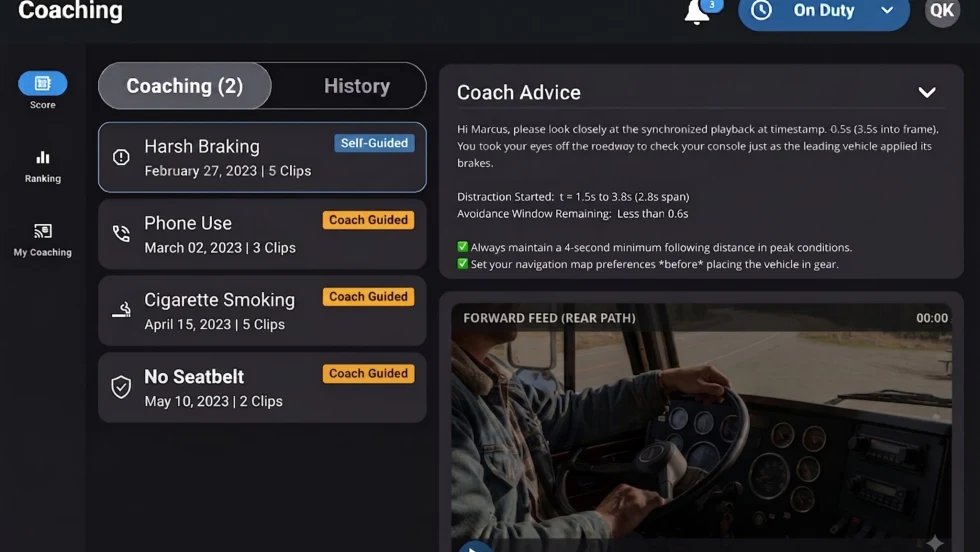
Platform Science Adds Dispatch and Safety Tools
Four additions to PS Fleet help fleets monitor loads, manage driver coaching, share truck locations and adjust video system settings.
Read More →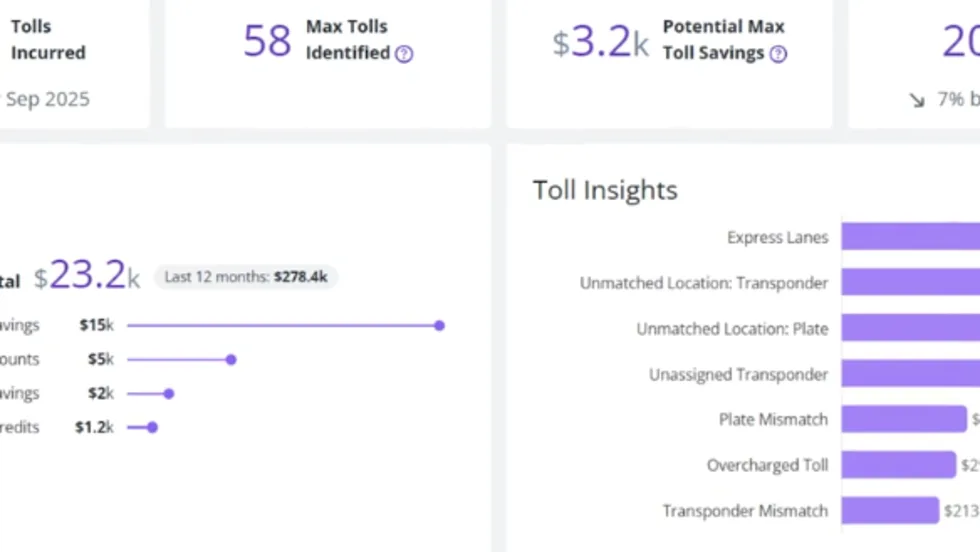
PrePass Intelligence Mines Fleet Bypass, Toll and Safety Data
PrePass Intelligence helps fleets measure bypass savings, flag potential toll overcharges, and spot suspicious transactions by combining data from separate systems.
Read More →
Motive Adds AI Agents for Fleet Operations
New tools automate follow-up on fleet data, from maintenance work orders to driver alerts, with two-way voice conversations planned for later this year.
Read More →
Can You Beat Our Trucking Trivia Challenge?
Test your truck knowledge with 19 trivia questions from Heavy Duty Trucking Exchange. Can you keep up with the fleet pros?
Read More →
BeyondTrucks Adds Rules Checks to Dispatch
New Compatibility Engine checks driver qualifications, equipment requirements and fleet policies before loads are dispatched.
Read More →
Diesel Prices Hijack Trucking’s Worry List
ATRI’s annual survey finds cautious optimism about freight, but diesel costs, litigation, and insurance continue to squeeze fleets. Drivers have different priorities on several issues.
Read More →
Nomination Deadline Extended for HDT Emerging Leaders
Just a few more days to nominate accomplished trucking fleet professionals under 40 who are making an impact and helping lead the industry forward for the HDT Emerging Leaders award. Deadline extended to October 20!
Read More →
What Will ATA’s New Leader Bring to Trucking's Table?
Incoming President and CEO Mark Colson’s record in Alabama offers clues about his priorities and approach following Chris Spear’s abrupt departure as the head of the American Trucking Associations.
Read More →
Volvo, Waabi Start Commercial Autonomous Operations in Texas
Volvo VNL Autonomous trucks, powered by the Waabi Driver, are hauling freight directly to third-party facilities for a customer in Texas.
Read More →