




2012 Truck Fleet Innovators: Mike Jeffress – Setting Maintenance Trends
When asked about himself, Mike Jeffress claims it's "a pretty short story," but just about anyone who knows him would disagree


When asked about himself, Mike Jeffress claims it's "a pretty short story," but just about anyone who knows him would disagree.
Vice president of maintenance at Maverick Transportation, Jeffress is a former chairman of the American Trucking Associations' Technology & Maintenance Council, where he was a major force behind founding the group's SuperTech technician skills challenge, and is a recipient of TMC's highest honor, the Silver Spark Plug. He's well known for his industry-leading approach to maintenance.
Jeffress has worked around vehicles since he was 10 years old, working as a "gofer" in his dad's Fayette, Mo., automotive repair shop. After graduating from the Nashville Auto-Diesel College and discovering his dad didn't really want him to return to the family business, he worked at a Chrysler/International Harvester dealership for a few months.
He spent as much time as possible working on the big trucks and landed a job with Arkansas-based Maverick in 1986. He's been there ever since, working his way from washing trucks and changing tires to his current position as vice president of maintenance. He credits several mentors along the way, including John Blackstone, who joined Maverick in 1988 to run the maintenance department.
When Jeffress started, Maverick had 12 company trucks and 30 independent contractors. Today, there are about 1,300 power units and 2,000 trailers, predominantly flatbeds, but also some reefers, glass-hauling trailers, removable goosenecks, and about 30 pneumatic tankers to haul fracking sand for the natural gas industry in Arkansas.
Maverick's website touts its sustainability, saying it works to be an example of an environmentally conscious company. It mentions recycling, sustainable facility design, energy conservation and, above all, fuel economy.
Fuel economy is a goal that overlaps and meshes with many others at Maverick, such as maximizing payload, improving safety and making the most of driver hours.
Jeffress' current number-one spec'ing challenge is driving some weight out of the trucks to make up for the additional 1,000 pounds that came with the EPA's emissions standards.
One change was going from the 15-liter Detroit engine to the 13-liter version, saving about 400 pounds. The wheelbase has gone from 240 to 234 inches, and they've saved about 70 pounds per axle with Meritor's new aluminum-housing rear axles.
They continue to spec the lightweight equipment they have for years, such as wide-base single tires, Alcoa aluminum wheels and Hendrickson's AirTek steer axle. The Freightliner ParkSmart battery-powered APU also saves on fuel.
Also in the works is a change to 6x2, single-drive tandem axles. "We have been testing 6x2s with Meritor for a couple of years and feel pretty comfortable with the technology," he says. That should save about another 300 pounds. He's just waiting on OEM validation.
"This is truly a tag axle configuration," he explains. "The technology they've worked on senses wheel spin and adjusts load capacity between the rear axle air bag system to try to provide more load to the wheel area that is noticing slip, for proper traction. We've run two of these for almost two years now and haven't had any traction issues reported from the drivers."
The 6x2s, he says, are seeing a slight uptick in fuel economy, about 2%.
"From all indications, it makes sense to consider doing this from an efficiency standpoint as well as a weight standpoint."
What about the resale value? Jeffress thinks bigger fleets such as his need to lead the way. "If more of the big fleet folks would spec 6x2s then the aftermarket wouldn't experience a degradation."
From an aerodynamic standpoint, flatbeds are not as easy as vans to address, but that hasn't stopped Jeffress from testing side skirts, wide-base single tires and other fuel-saving possibilities. "We've found so far that with our lanes, we can't see any enhancements at this point."
Although he does see a roughly 2% fuel-efficiency benefit from the wide-base wheels on the trailers, Jeffress says the lateral forces tend to cause separations within the casings, and the retreadability of the casing falls off drastically. The durability of the retread on the trailer also falls off substantially with the single-wides.
"From a sustainability standpoint, being able to retread duals three times on our flats makes more sense."
One add-on that shows promise is aerodynamic wheel covers on the drive axle and trailer wheels.
Jeffress is also spec'ing his trailers for long life, with a goal of 18 years. It used to be 10, but by replacing the suspension hangers and fifth wheel plates with galvanized parts, he believes they'll last another eight.
Also helping fuel-efficiency are the newer engines that use selective catalytic reduction to meet EPA 2010 emissions standards. Compared to the EGR used on the EPA-2007 engines, Jeffress believes they're getting about 2% to 3% better fuel economy.
Fuel efficiency isn't the only type of efficiency that counts. Jeffress says the company's adoption of electronic onboard recorders to track driver hours affects how the company looks at all processes.
"Instead of relying on the driver to make up for our inefficiencies, every department has to look at what they're doing," he says. "Even at the maintenance level. When I started, we'd look at a truck once a month for about an hour. Now I try to bring them in four times a year, for four or five hours, then get them out the door."
In scheduling truck downtime, he says, they look at things such as parts availability and whether it coincides with the driver's off hours.
When it comes to innovation, Jeffress points to Brent Hilton, director of maintenance. "He came up with a pretty intuitive idea with our road assist department," he says. "Instead of handling just breakdowns, these maintenance coordinators are assigned to fleet managers.
The fleet managers have a group of trucks assigned to them, so this maintenance manager ends up managing a certain group of trucks. "We feel like that's something new and different; it gives us more one-on-one connection with our drivers, which we feel is going to help us from a driver retention area, and it gives us more focus on truck performance by our maintenance managers."
This, he believes, will improve fuel efficiency, catch mechanical problems earlier and help the team keep up with any maintenance trends on those trucks.
"It's a team effort here," Jeffress says. "There are many people within this company that help you succeed."
From the March 2012 issue of HDT.
More Fleet Management

Long-Awaited Canadian Border Bridge to Open in Detroit
For trucking, the bridge opening should offer immediate improvements in efficiency and reliability, with new customs facilities, expanded inspection capacity, and direct freeway-to-freeway connections.
Read More →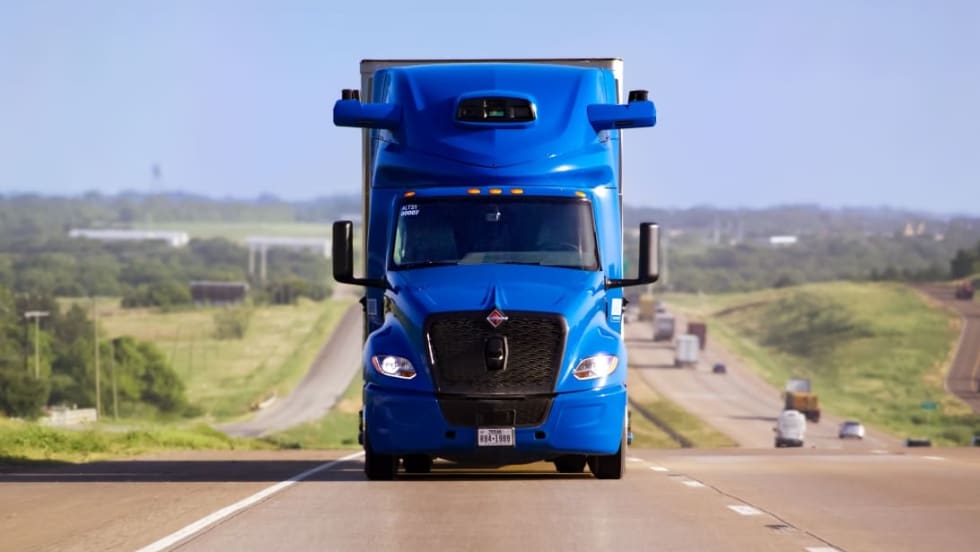
Aurora Rolls Out Next Generation of Driverless Trucks for Commercial Freight
Aurora's latest autonomous trucks it's rolling out with International feature lower-cost hardware designed for a million miles as the company expands commercial driverless freight operations across the U.S. Sun Belt.
Read More →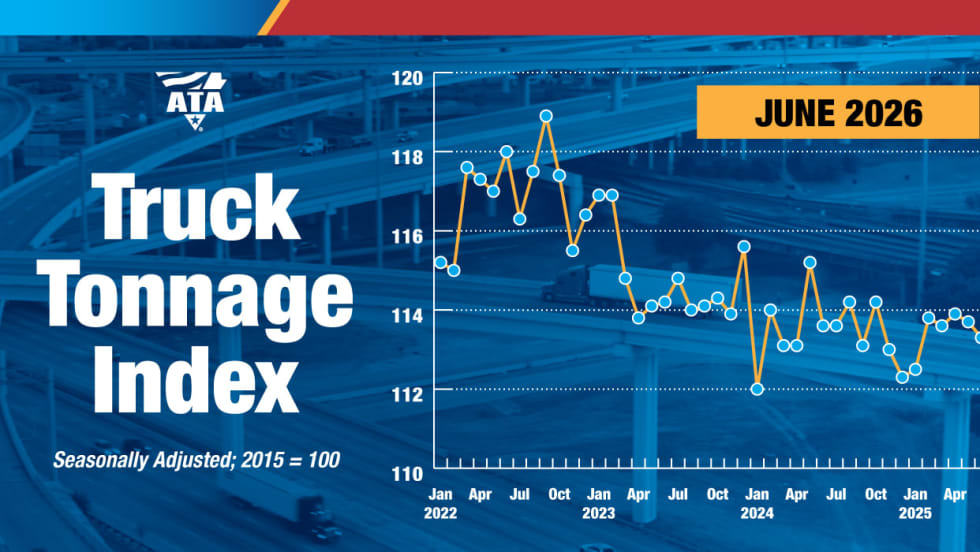
Freight Tonnage Down, Rates up, as Lower Capacity Powers Trucking Recovery
The recovery from the freight recession continues to be driven by reduction in capacity rather than by increased demand.
Read More →

Think Your Trucking Fleet Isn't Using Much AI? Think Again
Shadow AI — the use of unauthorized artificial intelligence tools at work — is becoming increasingly common, putting sensitive company data at risk. Learn how trucking fleets can protect sensitive data while embracing AI.
Read More →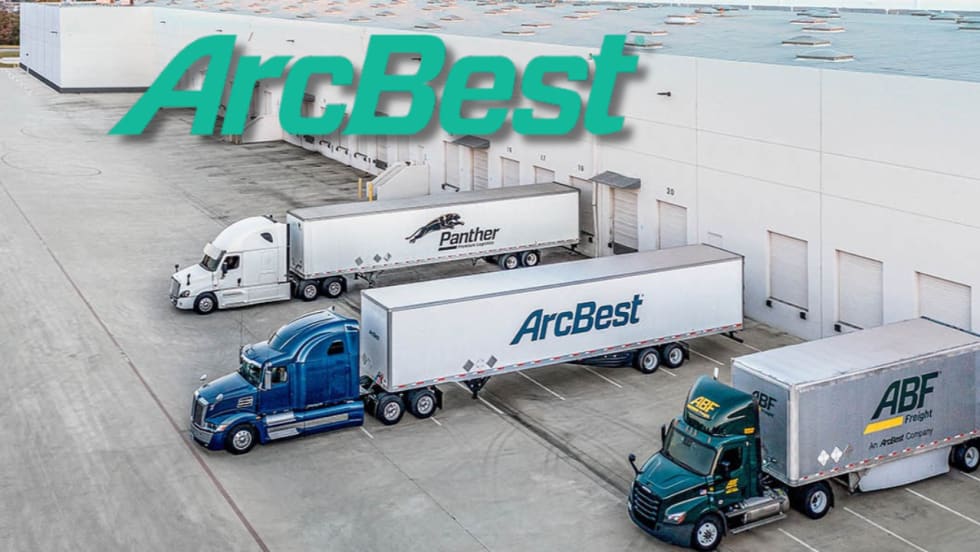
ArcBest Consolidates Brands, Cuts Workforce
The company will bring three business units under the ArcBest brand, eliminate about 2% of positions, and expects the changes to generate $40 million in annual savings.
Read More →
Trucking Fleets Faced Record Operating Costs During Third Year of Freight Recession
ATRI's annual operational cost report shows carriers trimmed fleets, delayed equipment purchases, and ran older trucks as expenses continued to outpace freight rates.
Read More →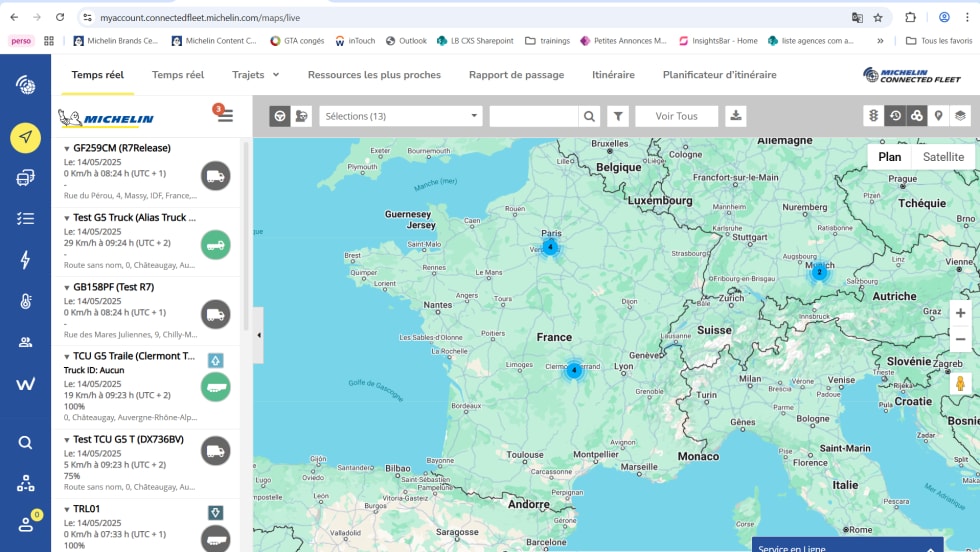
Michelin Adds AI Assistant to MyConnectedFleet Platform
Michelin’s new generative AI tool delivers instant fleet insights, helping managers analyze fuel use, tire maintenance, vehicle status, and operational performance without manually creating reports.
Read More →
LytxOne Platform Now Features AI, Compliance, and Asset Tracking Tools
New enhancements add AI-powered insights, asset tracking, compliance automation, and configurable privacy controls to Lytx's all-in-one fleet management platform.
Read More →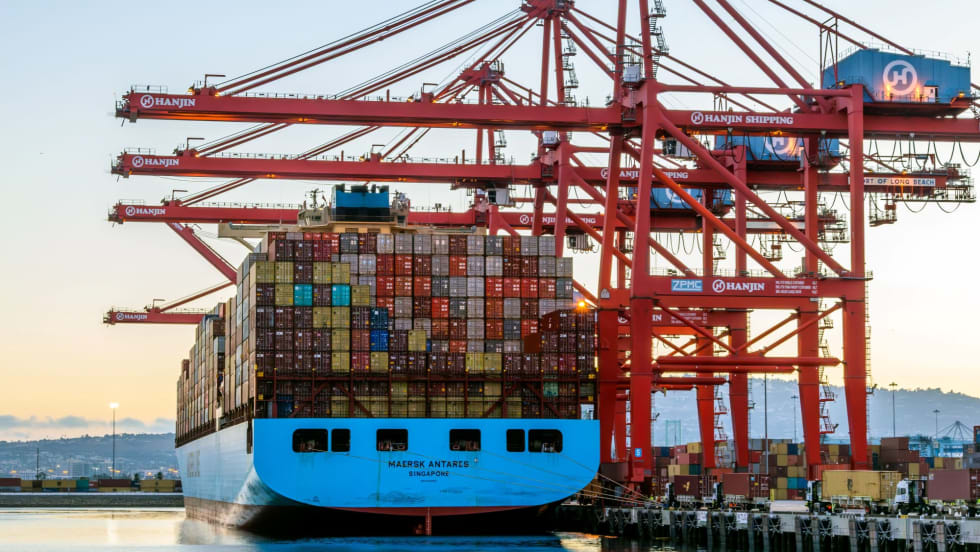
July Imports Poised to Set Container Record
The National Retail Federation projects July container imports will surpass the pandemic-era record as shippers frontload freight ahead of expected August tariff increases.
Read More →
HDT Announces 2026 Truck Fleet Innovator Finalists
From AI and fleet electrification to safety, operations, and leadership, these HDT Truck Fleet Innovator finalists are changing how trucking gets done.
Read More →