




Commentary: 12 Things I Learned in 20 Years with HDT
What has Evan Lockridge learned in 20 years with HDT? He shares a list in his last column for the magazine – some about trucking and the economy, some not.

It’s hard to believe it was 20 years ago this summer that I began working for Heavy Duty Trucking, but there comes a time when you need to hang it up. After two decades on the editorial team in various capacities, the last three-plus covering business and the economy, I’m departing to pursue other opportunities and interests.
I leave you in the extremely capable hands of HDT Editor-in-Chief (and still my wonderful wife) Deborah Lockridge. But before I do, here a few of the many things I’ve learned in that time — some about trucking and the economy, some not:
1. Economic analysis isn’t an exact science; it’s an art. Just like two artists can paint two distinctly different pictures of the same landscape, what’s in the numbers can be interpreted in different ways.
2. The government is not [automatically] your enemy. It’s easy to vilify the government, especially when it comes to trucking. But just like regulations setting standards for food, medicine, or nearly anything else, the purpose of trucking regulations is to keep people safe — though sometimes the results are mixed.
3. Don’t expect perfection in anything, including yourself. Sometimes you have to accept standards that are lower than you’d like, but that doesn’t mean something is bad.
4. “Business friendly” can be an oxymoron. A policy may show immediate financial benefits for some businesses, yet can have negative consequences for customers, the public, and for that business or others further down the road. Tax reform comes to mind, as do tariffs.
5. There is more to covering the news than just writing up stories. Deciding what to cover is influenced by a host of factors as long as my arm, from impact on readers to the amount of time it will take to write.
6. Associations are inherently biased. Trucking, like any business sector, has an alphabet soup of associations. If they are speaking out on something you are for or against, keep in mind that they are representing a specific membership group whose interests may or may not coincide with your own. And they could be playing politics or feeding raw meat to their base.

Photo by Evan Lockridge
7. Social media can be a curse. Until we come up with a way to keep trolls from hiding behind a cloak of anonymity (or at least behind their keyboards), online interactions will continue to have the potential for nastiness and the spread of inaccurate information.
8. Quarterly earnings reports and news releases about them can be full of crap. How can a company report a bigger net loss and say with a straight face that “things are improving” for them? Same for reporting adjusted earnings. I could produce a financial report that shows I’m a millionaire if I made similar caveats.
9. If someone says, “Let me ask you something,” chances are they are not going to be interested in your opinion if it doesn’t match their own.
10. People who write columns are expressing an opinion. You may or may not agree, and most writers value feedback either way. However, just because you disagree with someone, don’t call and leave a threatening voicemail telling them they need to read the U.S. Constitution. (True story.)
11. Treat people how you would want to be treated. People rarely leave where they are working strictly over money — and this definitely includes truck drivers.
12. Being on the radio is overrated. It sounds glamorous, but it’s not. Trust me on this one.
It’s practically impossible to thank people for reading anything you’ve written, so I will do it here. Thank you and be safe.
Evan Lockridge covered business and economic news for Heavy Duty Trucking magazine. A freelance writer, he has been covering the trucking industry in print, online and on the air since 1991.
More Fleet Management

How Innovative Trucking Leaders Turn Change Into an Advantage
As the pace of change accelerates in trucking, the fleets that adapt best have more than the latest technology. They have cultures that embrace improvement.
Read More →
Freight Broker Bonds Just Got Harder to Get. Here's What That Means for Your Fleet.
When it gets harder for a freight broker to prove they are financially sound, the ones who cannot clear that bar get pushed out of the market. And those are exactly the brokers who used to leave motor carriers holding the bag.
Read More →
Long-Awaited Canadian Border Bridge to Open in Detroit
For trucking, the bridge opening should offer immediate improvements in efficiency and reliability, with new customs facilities, expanded inspection capacity, and direct freeway-to-freeway connections.
Read More →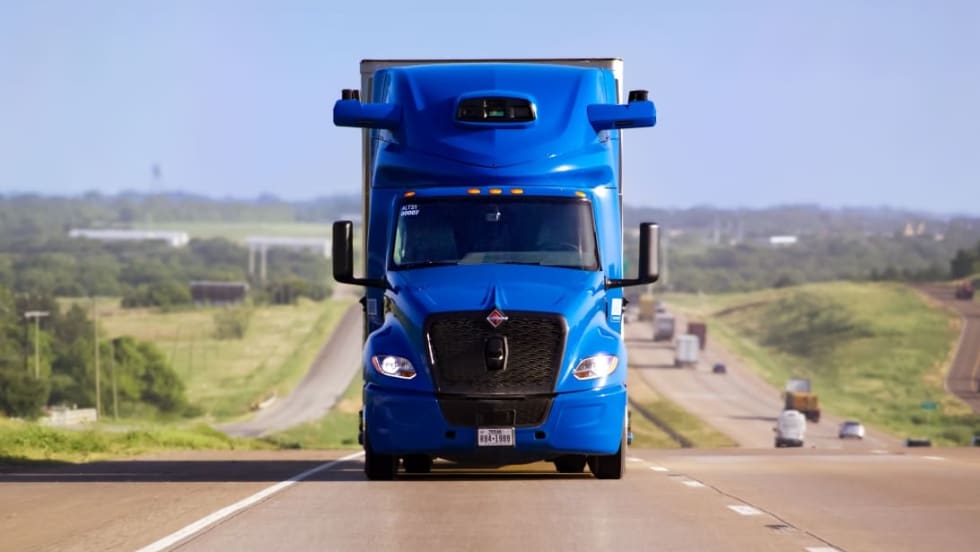
Aurora Rolls Out Next Generation of Driverless Trucks for Commercial Freight
Aurora's latest autonomous trucks it's rolling out with International feature lower-cost hardware designed for a million miles as the company expands commercial driverless freight operations across the U.S. Sun Belt.
Read More →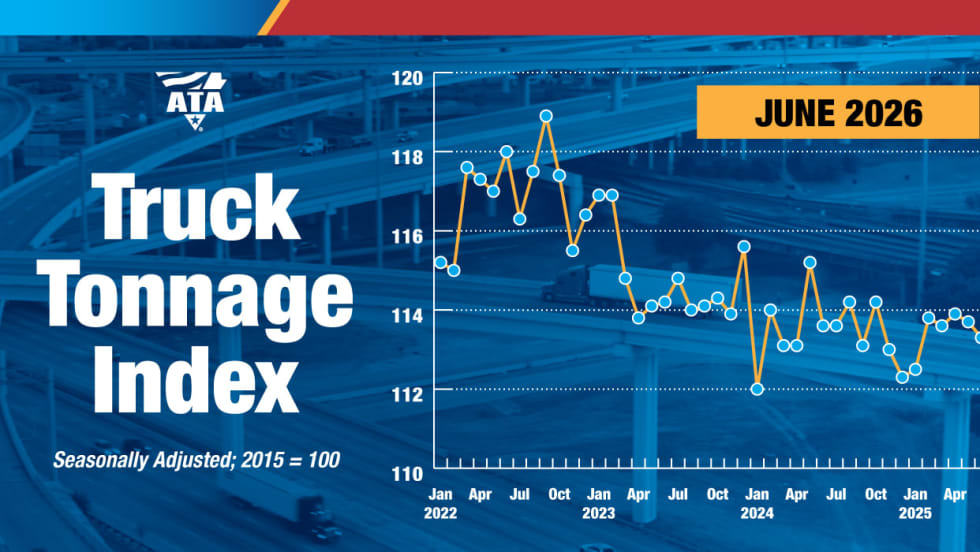
Freight Tonnage Down, Rates up, as Lower Capacity Powers Trucking Recovery
The recovery from the freight recession continues to be driven by reduction in capacity rather than by increased demand.
Read More →
Think Your Trucking Fleet Isn't Using Much AI? Think Again
Shadow AI — the use of unauthorized artificial intelligence tools at work — is becoming increasingly common, putting sensitive company data at risk. Learn how trucking fleets can protect sensitive data while embracing AI.
Read More →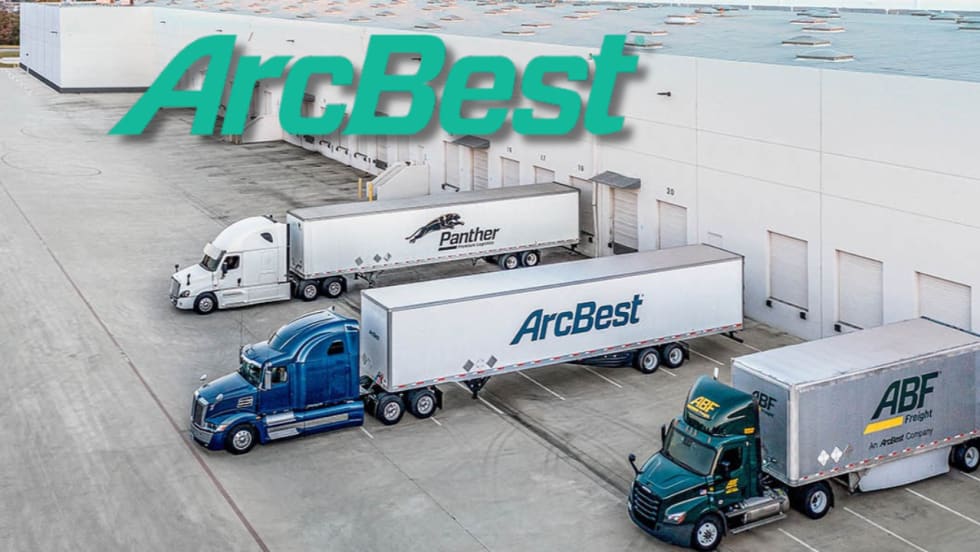
ArcBest Consolidates Brands, Cuts Workforce
The company will bring three business units under the ArcBest brand, eliminate about 2% of positions, and expects the changes to generate $40 million in annual savings.
Read More →
Trucking Fleets Faced Record Operating Costs During Third Year of Freight Recession
ATRI's annual operational cost report shows carriers trimmed fleets, delayed equipment purchases, and ran older trucks as expenses continued to outpace freight rates.
Read More →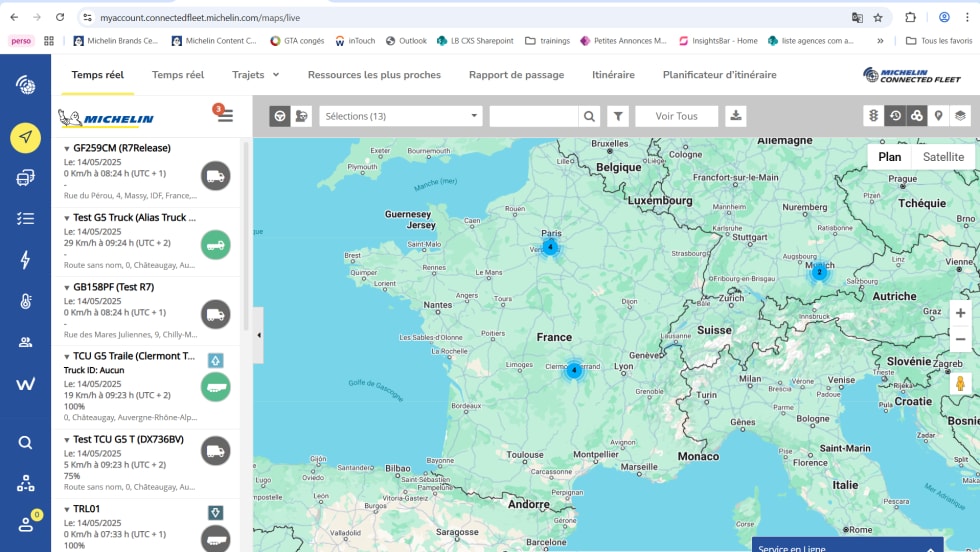
Michelin Adds AI Assistant to MyConnectedFleet Platform
Michelin’s new generative AI tool delivers instant fleet insights, helping managers analyze fuel use, tire maintenance, vehicle status, and operational performance without manually creating reports.
Read More →
LytxOne Platform Now Features AI, Compliance, and Asset Tracking Tools
New enhancements add AI-powered insights, asset tracking, compliance automation, and configurable privacy controls to Lytx's all-in-one fleet management platform.
Read More →