




Intermodal container haulers at the Port of Savannah, Ga., aren't happy about being told they can't do minor fixes on container chassis before taking them on the road.
In a letter handed out to port truckers in late October, the Georgia Ports Authority says all repair activities by drivers must cease immediately. Activities such as repairing or replacing light lens and bulbs, airing up tires, adjusting brakes or repairing mudflaps must be done by the International Longshore and Warehouse Union, they say. "The contract between the ILA and the ocean carrier prohibits any repairs or modifications to carrier equipment by any non-ILA work force," says John Trent, director of operations, in the letter.
Truckers are furious, because if they are pulled over on the highways for unsafe equipment, they're responsible for the fine. It they wait around for union employees to make the repairs, they say, it makes it even more difficult to make a living. Port drivers are paid by the load, and long waits caused by increased container traffic and outdated facilities have already cut into the number of loads that can be hauled in a day.
A year ago, Savannah port truckers staged a protest over delays caused by glitches in a new computer system. To this day, truckers say, glitches in the system continue to back up traffic outside the port gates any time there is an increase in freight.
Georgia Port Truckers Angry About Repair Edict
Intermodal container haulers at the Port of Savannah, Ga., aren't happy about being told they can't do minor fixes on container chassis before taking them on the road
More Fleet Management
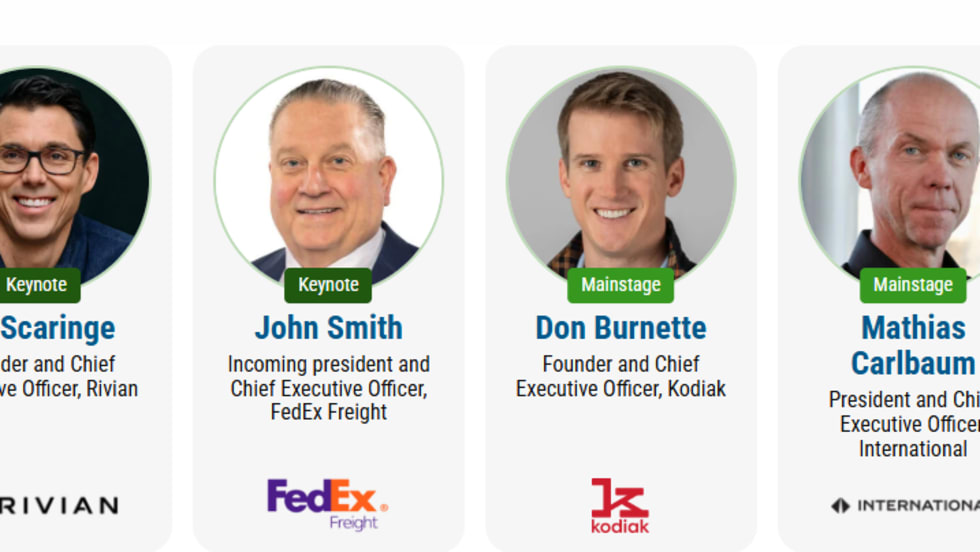
ACT Expo 2026 Unveils Speaker Lineup Focused on Real-World Fleet Technology Deployment
Nearly 400 executives and fleet leaders will address AI, autonomy, zero-emission vehicles, and connected technologies at ACT Expo 2026 event in Las Vegas in May.
Read More →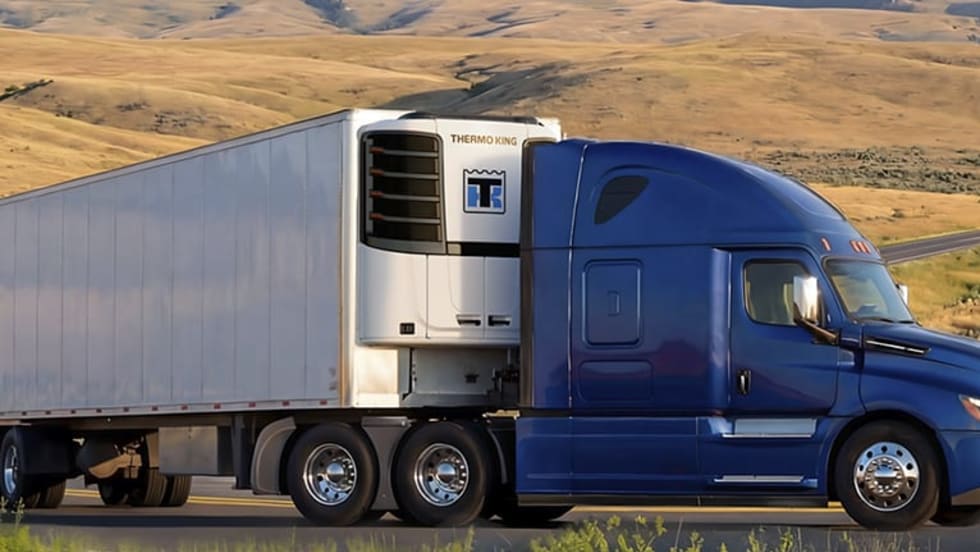
How Thermo King’s AI-Fueled Telematics Drive Fleet Efficiency
Thermo King's AI-powered telematics enhance fleet efficiency with smart monitoring, predictive maintenance, and real-time insights. Improve uptime and help reduce costs with these advanced digital solutions.
Read More →
NMFTA Targets Freight Fraud and Telematics Supply Chain Risks
New carrier identity checks, industry resources, and telematics supply chain research aim to make freight fraud and cyber risks harder to exploit.
Read More →
Bobit Business Media Expands Fleet Technology Platform with Acquisition of Roadz Partner Portfolio
Bobit Business Media has acquired key partner agreement assets from Roadz, expanding its role as a go-to-market partner for fleet technology providers and strengthening its digital sourcing capabilities.
Read More →
ATRI Seeks Carrier Data for 2026 Operational Costs Report
The annual benchmarking study from ATRI adds year-over-year comparisons for repeat participants as fleets navigate shifting market conditions.
Read More →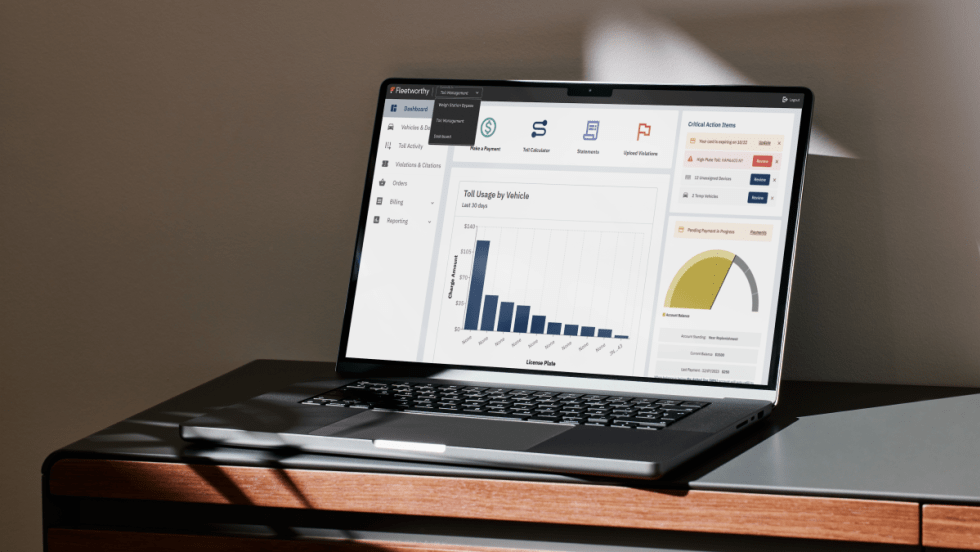
Fleetworthy Unifies Brands Under Single Banner to Streamline Fleet Readiness
Company consolidates Bestpass, Drivewyze and CPSuite into one platform aimed at reducing vendor complexity and controlling fleet costs
Read More →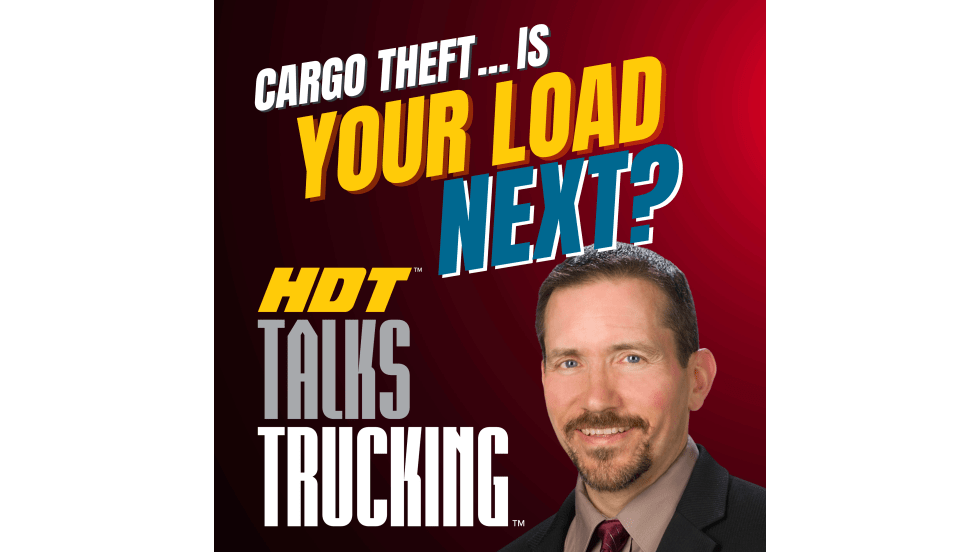
Double Brokering, Phishing, and the Rise of Strategic Cargo Theft
Cargo theft has evolved from parking-lot break-ins to cyber-enabled strategic fraud. Here’s what fleets need to know.
Read More →
The New Cargo Theft Playbook — And How Fleets Can Fight Back
Cargo theft has shifted from parking-lot break-ins to organized international schemes using double brokering, phishing, and even spoofing tracking signals. In this HDT Talks Trucking video podcast episode, cargo-theft investigator Scott Cornell explains what’s changed and what fleets need to do now.
Read More →
Capacity Overhang Begins to Clear, But Fleets Aren’t Ready to Spend
Daimler Truck’s David Carson sees early signs of tightening capacity — yet buyers remain wary, extending trade cycles and resisting a pre-2027 emissions surge.
Read More →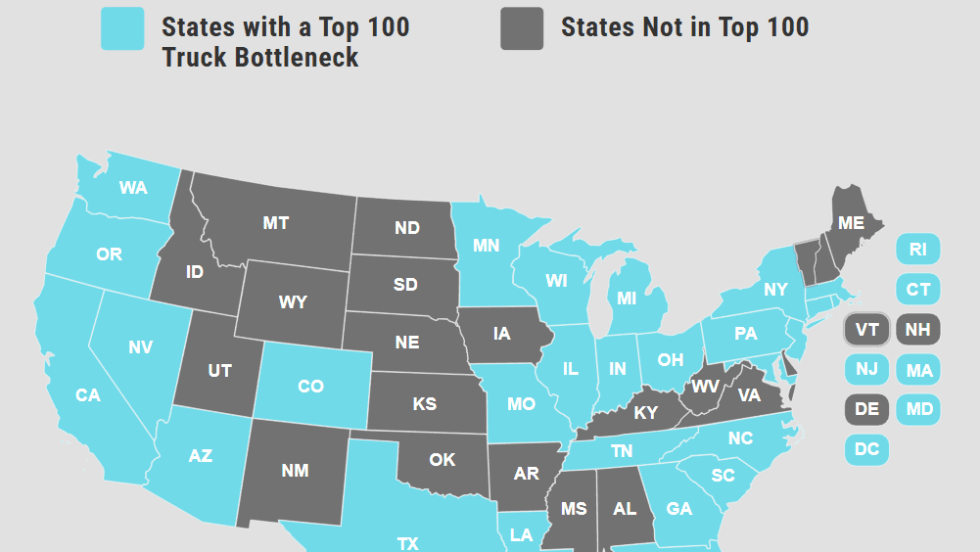
Chicago Interchange Overtakes Longstanding New Jersey Intersection as Worst Freight Bottleneck
The American Transportation Research Institute's annual analysis of truck speeds through congested interchanges yielded a new worst bottleneck this year.
Read More →