





Related: Is Your Fleet Ready for a Recession?
Is the Trucking Environment Getting Better or Just Less Bad? [Commentary]
The difference between last year’s high spot rates and this year’s average has dropped — but this year’s seasonal decline was less.
September 25, 2019
![Is the Trucking Environment Getting Better or Just Less Bad? [Commentary]](https://assets.bobitstudios.com/image/upload/f_auto,q_auto,dpr_auto,c_limit,w_920/historical-spot-rates_1768079449650_easf27.jpg)
The difference between last year’s high spot rates and this year’s average has dropped — but this year’s seasonal decline was less. Historical Spot Rates (All Equipment Types, Including Fuel Surcharge).
Source: Truckstop.com
3 min to read
Often in the English language, we use key words to indicate meaning beyond the actual definition of the term. For instance, when I speak with analysts or economists and they tell me they are “adjusting” or “tweaking” their forecast, it almost always means “lowering.” Nobody ever says the word lowering, yet that’s almost always what they mean. When economists raise their outlooks, they actually use the word “raise.”
Similarly, when I speak with freight companies about activity over the past two months, I am often told that overall, things are feeling “better.” Retail data has improved, spot rates have arrested their rates of decline, bankruptcies are slowing the increase in industry capacity, and truckers are hopeful that third-quarter results will mark the bottom in terms of incremental weakness.
However, it is important to note that “better” and “less bad” are two different things, and I believe that when speaking about what is going on the current environment, “less bad” is more accurate.
To me, “better” implies improved. For example, if we made $100 last week, and made $102 this week, I made more money, so my situation is improving, or better. “Less bad” is something different entirely – it implies that the environment is still getting worse, but at a less aggressive rate.
Look at the spot rates chart. The difference between last year’s high spot rates and this year’s average spot rates has declined from a negative spread of 54 cents to about 35 cents since June. But that’s because spot rates a year ago fell from a seasonal peak of $2.77 to about $2.47, or about 30 cents. In comparison, this year’s spot rate seasonal decline fell from a peak of about $2.23 to $2.12, or about 11 cents. In other words, if not for the optics of the prior year, we would say that spot rates are 11 cents worse than in June. To say that the market is “better” is misleading.
So over the past two months, carriers and shippers are telling me that the environment is “better.” Yet both spot and contract freight rates are lower than they were at the end of June. Freight tonnage is not better, and in some cases, a little worse. Fuel costs and driver costs are higher on a year-over-year basis, as are insurance costs, so profits are continuing to decline. Inventories showed some signs of moderating last month, declining for a growth rate of 5.2% to 4.9% (but I highlight, still growing at 4.9% in a 2%-ish real GDP environment and a negative freight environment). In other words, I would call all of the above data “less bad,” not necessarily better.
Last month’s report on second-quarter financial results for publicly traded motor carriers showed them to be generally worse than trend, with many managements tempering expectations for 2019 and even for 2020. Where we saw the greatest incremental deterioration was in over-the-road truckload realized pricing, as some shippers have been under-shipping contractual freight so they can use currently cheaper spot truck markets. It would appear that third quarter results might not be better than second quarter – although to fleets it may seem “better” compared to their prior expectations, it’s really “less bad,” implying continued deterioration.
We believe the inventory overhang on truckers will remain until winter, with capital expenditure plans likely to continue to moderate through year-end as margins continue to deteriorate. It is indeed getting, “less bad,” but make no mistake – it is not yet getting “better.”
Subscribe to Our Newsletter
More Fleet Management

How Innovative Trucking Leaders Turn Change Into an Advantage
As the pace of change accelerates in trucking, the fleets that adapt best have more than the latest technology. They have cultures that embrace improvement.
Read More →
Freight Broker Bonds Just Got Harder to Get. Here's What That Means for Your Fleet.
When it gets harder for a freight broker to prove they are financially sound, the ones who cannot clear that bar get pushed out of the market. And those are exactly the brokers who used to leave motor carriers holding the bag.
Read More →
Long-Awaited Canadian Border Bridge to Open in Detroit
For trucking, the bridge opening should offer immediate improvements in efficiency and reliability, with new customs facilities, expanded inspection capacity, and direct freeway-to-freeway connections.
Read More →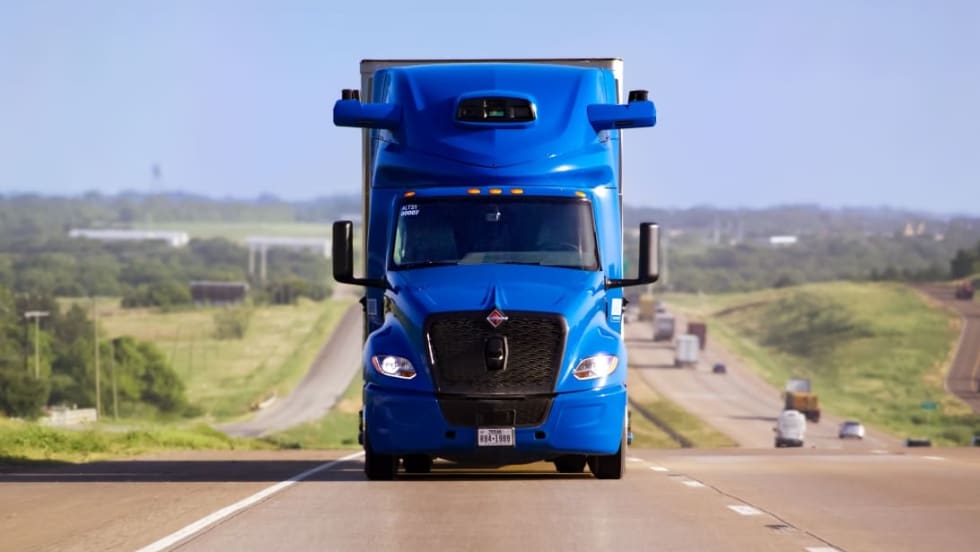
Aurora Rolls Out Next Generation of Driverless Trucks for Commercial Freight
Aurora's latest autonomous trucks it's rolling out with International feature lower-cost hardware designed for a million miles as the company expands commercial driverless freight operations across the U.S. Sun Belt.
Read More →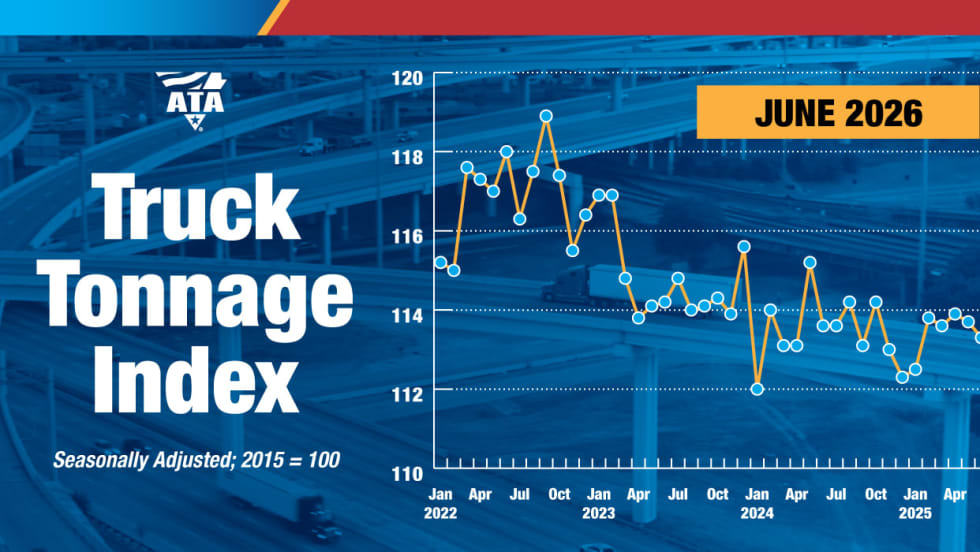
Freight Tonnage Down, Rates up, as Lower Capacity Powers Trucking Recovery
The recovery from the freight recession continues to be driven by reduction in capacity rather than by increased demand.
Read More →
Think Your Trucking Fleet Isn't Using Much AI? Think Again
Shadow AI — the use of unauthorized artificial intelligence tools at work — is becoming increasingly common, putting sensitive company data at risk. Learn how trucking fleets can protect sensitive data while embracing AI.
Read More →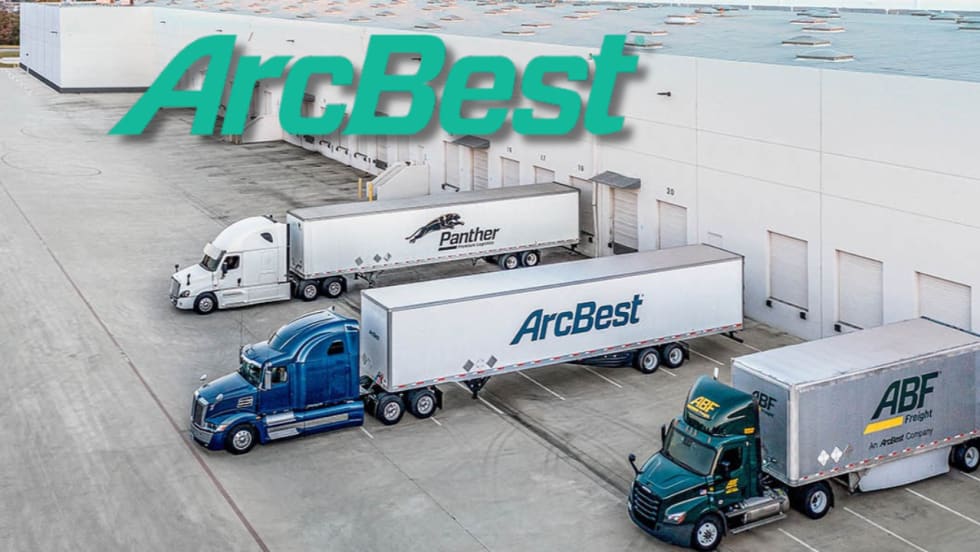
ArcBest Consolidates Brands, Cuts Workforce
The company will bring three business units under the ArcBest brand, eliminate about 2% of positions, and expects the changes to generate $40 million in annual savings.
Read More →
Trucking Fleets Faced Record Operating Costs During Third Year of Freight Recession
ATRI's annual operational cost report shows carriers trimmed fleets, delayed equipment purchases, and ran older trucks as expenses continued to outpace freight rates.
Read More →
Michelin Adds AI Assistant to MyConnectedFleet Platform
Michelin’s new generative AI tool delivers instant fleet insights, helping managers analyze fuel use, tire maintenance, vehicle status, and operational performance without manually creating reports.
Read More →
LytxOne Platform Now Features AI, Compliance, and Asset Tracking Tools
New enhancements add AI-powered insights, asset tracking, compliance automation, and configurable privacy controls to Lytx's all-in-one fleet management platform.
Read More →