




Blockchain-Based Shipment Uses Smart Contracts
Startup company dexFreight says it has completed its first blockchain-based shipment using smart contracts, allowing the shipper and carrier to directly connect, negotiate rates, and schedule pickup and delivery.

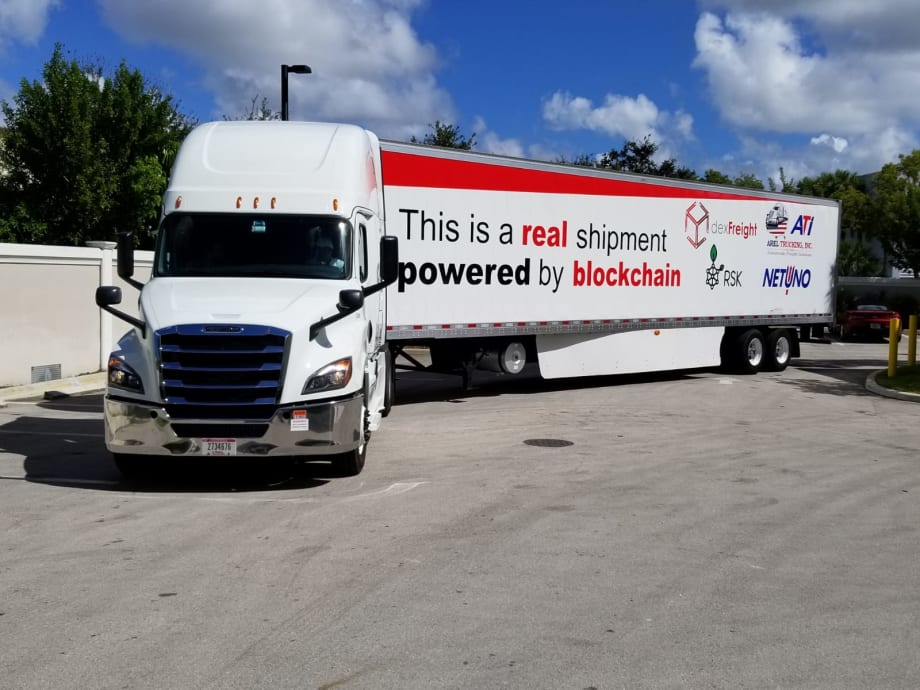
A blockchain-based platform from dexFreight allowed the shipper and carrier to directly connect, negotiate rates, and schedule pickup and delivery of this truckload of frozen seafood.
Photo courtesy dexFreight
Startup company dexFreight says it has completed its first blockchain-based shipment using smart contracts. The dexFreight platform allowed the shipper and carrier to directly connect, negotiate rates, and schedule pickup and delivery. The 5,320-pound frozen food shipment was hauled from Preferred Freezer Services in Medley, Florida, to Manny’s Enterprises in Sunrise, Florida, on Oct. 15.
For this first truckload shipment, dexFreight partnered with seafood wholesaler Netuno USA, motor carrier Arel Trucking, and RSK, a smart contract platform secured by Bitcoin. Funds for the transaction were held in escrow by the smart contract on the RSK platform and were automatically released to the carrier upon delivery.
“This is a huge milestone towards an imminent transformation of the logistics industry through the adoption of blockchain technology,” said Rajat Rajbhandari CEO and co-founder of dexFreight. “Our platform aims for a truly decentralized model, open to all the stakeholders, and allowing for a new world of services that will bring much needed optimization and liquidity to this industry.”
RSK CEO Diego Gutierrez explained that using smart contracts, companies like dexFreight can transfer value and assets between parties on the RSK platform. “With a defined set of rules, in this case for logistics, all participants know that their business needs will be fulfilled without anyone altering their agreement or changing the rules.”
DexFreight uses a blockchain-based verified identity and objective reputation system derived from smart contract data and key performance indicators such as on-time pickup and delivery, on-time payments, loading and unloading times, freight claims, etc. With this data readily available, shippers and third parties can streamline the carrier onboarding process while reducing associated liability risk. The companies involved can be automatically qualified based on unique business requirements, using their profiles in the platform, including documentation such as licensing, insurance, safety and performance records, and credit history. If those qualifications drop below designated thresholds, the system can issue alerts or even prevent transactions.
“With dexFreight, we have transparency into loads we’re shipping all over the U.S. based on honest and accurate information that is beneficial for our operation and our customers,” said Luciano Bonaldo, president and co-founder of Netuno USA Inc.
Arel Trucking CFO Robert Julia said dexFreight “solves the issue of false documentation by making our transactions with shippers completely transparent, and so we can get paid for the service we provided. This technology is the way of the future for the whole trucking industry.”
DexFreight’s co-founders have been in logistics industry for over 20 years as brokers, freight forwarders, carriers, and shippers. Rajat Rajbhandari and Hector Hernandez started the company after meeting at a blockchain conference.
According to a post by Rajbhandari on Medium, the two believe the industry is “ripe for disintermediation” – in other words, connecting shippers and carriers directly.
When the two brainstormed what problems blockchain technology could address the most, with the help of other technologies such as the Internet of Things] and artificial intelligence, they came up with the following:
Over-reliance on brokers.
Shippers don’t know the end-provider of their service.
Slow payments to carriers. Days to pay carriers can range from next day to over 90 days, with the average 37 days, according to dexFreight.
Lack of data integrity, which creates problems when settling claims and payments.
Shippers and carriers can’t monetize data, while third-party applications often do monetize the aggregated data.
Closed logistics software from vendors that give no incentives for third parties to build applications on top for the benefit of users.
“We are under NO illusion that blockchain will do its magic and solve above mentioned problems so easily,” Rajbhandari writes. “Despite all the news articles you’ve been hearing about logistics being a low-hanging fruit for disruption due to blockchain, problems and challenges in the industry are non-trivial.”
However, he said, this is a start.
More Fleet Management
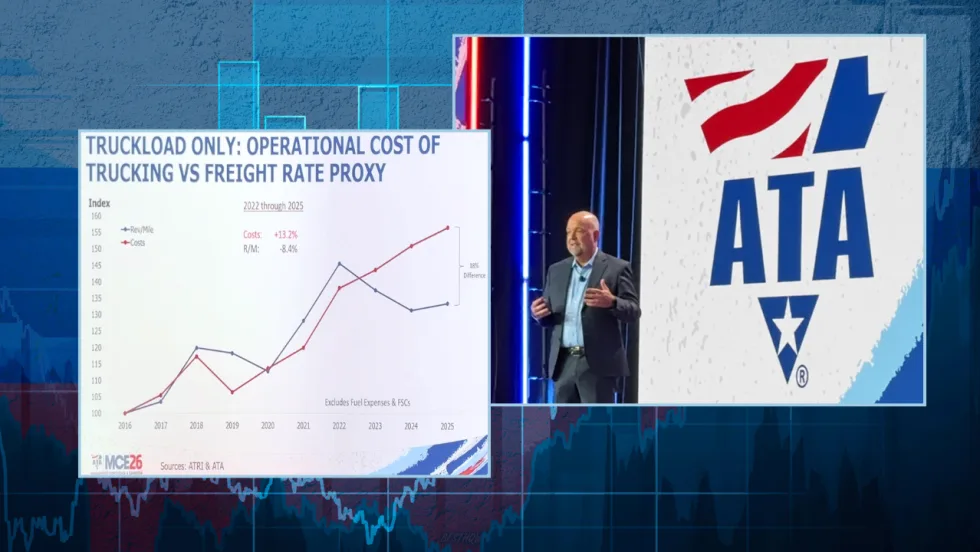
Why This Trucking Recovery Is Different
Freight demand remains sluggish, but rising costs and tougher enforcement have taken enough capacity out of the market to change the outlook for motor carriers.
Read More →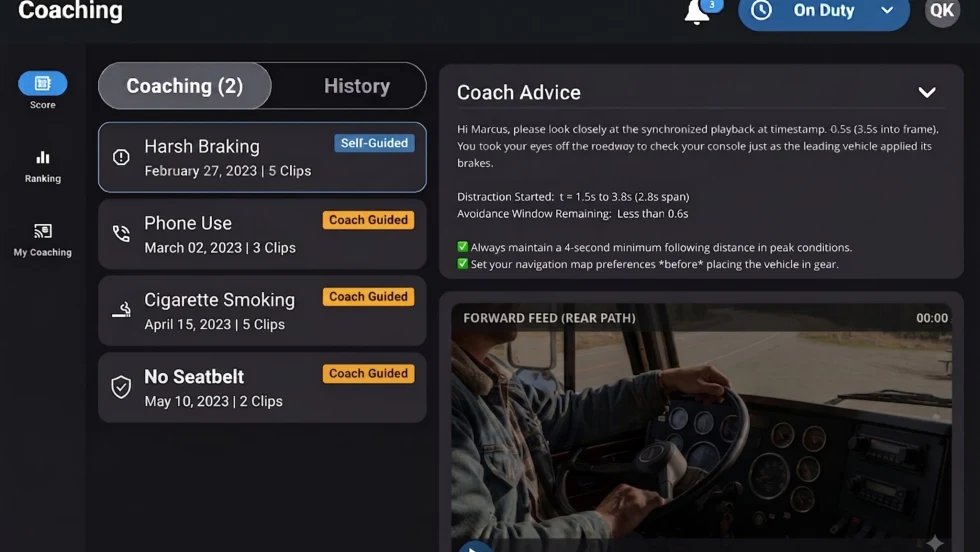
Platform Science Adds Dispatch and Safety Tools
Four additions to PS Fleet help fleets monitor loads, manage driver coaching, share truck locations and adjust video system settings.
Read More →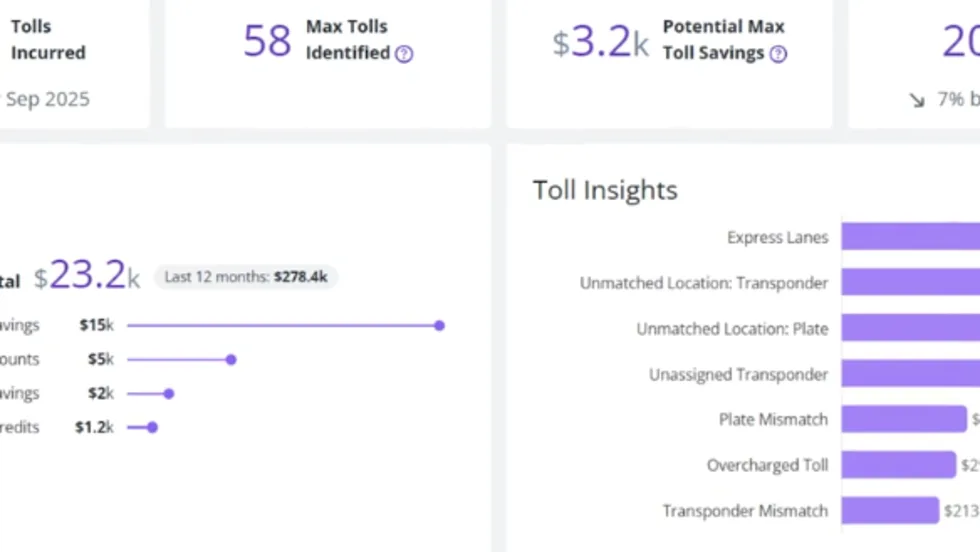
PrePass Intelligence Mines Fleet Bypass, Toll and Safety Data
PrePass Intelligence helps fleets measure bypass savings, flag potential toll overcharges, and spot suspicious transactions by combining data from separate systems.
Read More →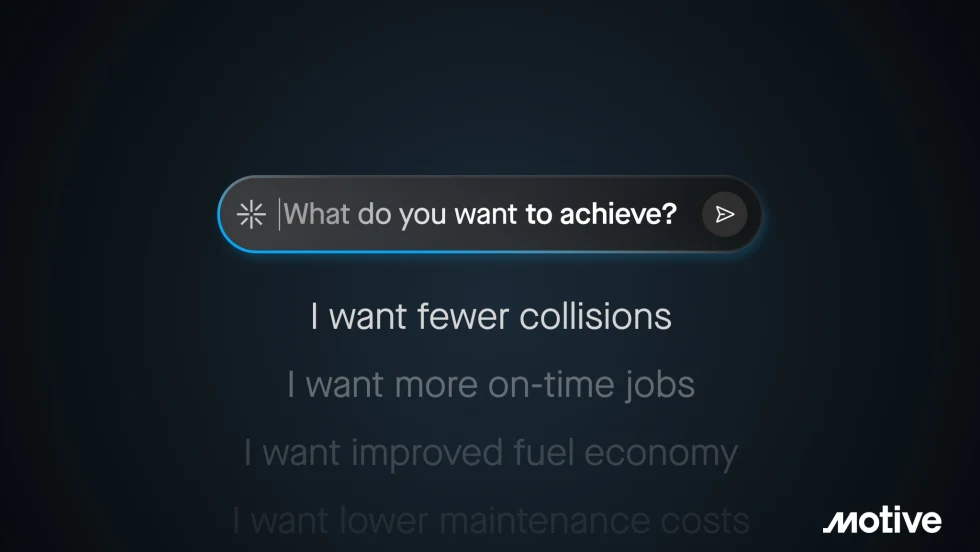
Motive Adds AI Agents for Fleet Operations
New tools automate follow-up on fleet data, from maintenance work orders to driver alerts, with two-way voice conversations planned for later this year.
Read More →
Can You Beat Our Trucking Trivia Challenge?
Test your truck knowledge with 19 trivia questions from Heavy Duty Trucking Exchange. Can you keep up with the fleet pros?
Read More →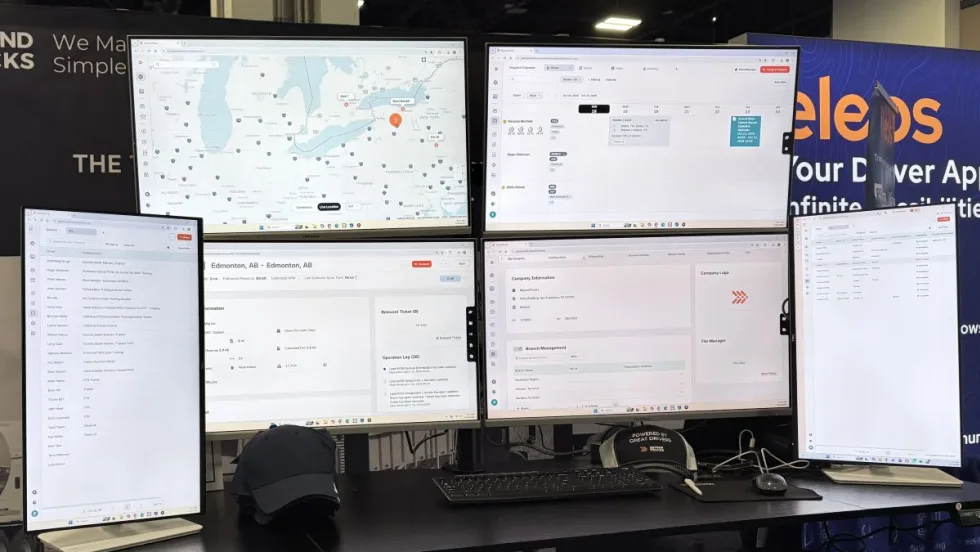
BeyondTrucks Adds Rules Checks to Dispatch
New Compatibility Engine checks driver qualifications, equipment requirements and fleet policies before loads are dispatched.
Read More →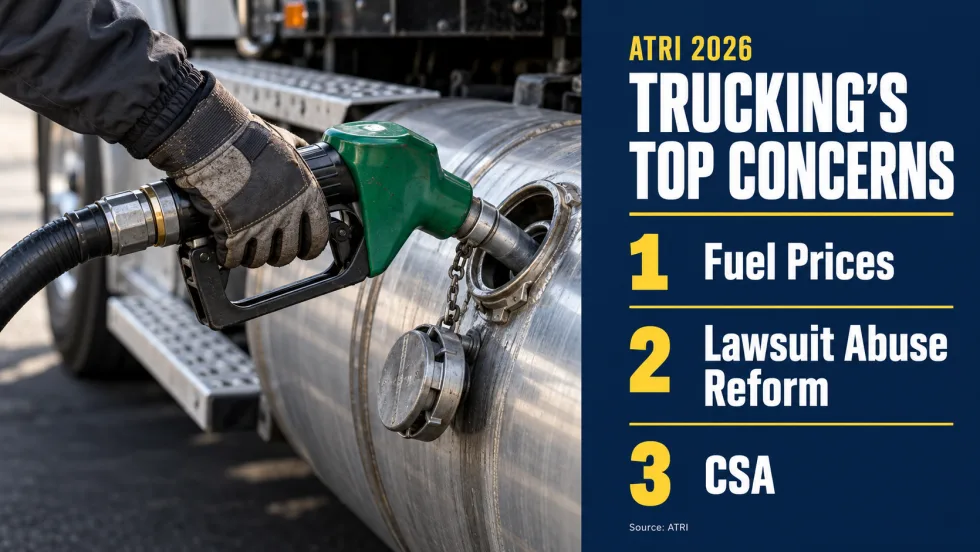
Diesel Prices Hijack Trucking’s Worry List
ATRI’s annual survey finds cautious optimism about freight, but diesel costs, litigation, and insurance continue to squeeze fleets. Drivers have different priorities on several issues.
Read More →
Nomination Deadline Extended for HDT Emerging Leaders
Just a few more days to nominate accomplished trucking fleet professionals under 40 who are making an impact and helping lead the industry forward for the HDT Emerging Leaders award. Deadline extended to October 20!
Read More →
What Will ATA’s New Leader Bring to Trucking's Table?
Incoming President and CEO Mark Colson’s record in Alabama offers clues about his priorities and approach following Chris Spear’s abrupt departure as the head of the American Trucking Associations.
Read More →
Volvo, Waabi Start Commercial Autonomous Operations in Texas
Volvo VNL Autonomous trucks, powered by the Waabi Driver, are hauling freight directly to third-party facilities for a customer in Texas.
Read More →