




FMCSA Clarifies How to Request a Non-Preventable Crash Data Review
Although the Federal Motor Carrier Safety Administration launched a demonstration program last August last summer that invited motor carriers to request a data review of certain non-preventable crashes, only now is the agency releasing “additional information to help submitters and other interested parties understand the demonstration program.”

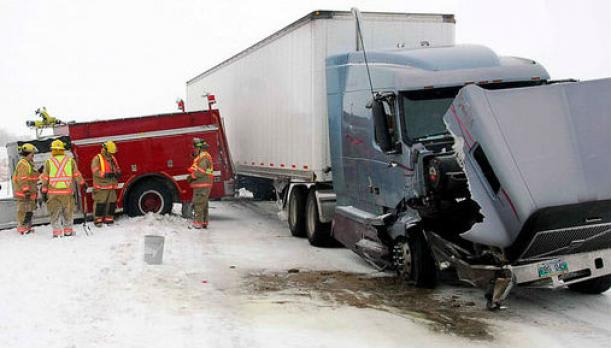
The Federal Motor Carrier Safety Administration has clarified how carriers may go about requesting a data review of certain non-preventable crashes. Photo: FMCSA
The Federal Motor Carrier Safety Administration has clarified how carriers may go about requesting a data review of certain non-preventable crashes.Photo: FMCSA
Although the Federal Motor Carrier Safety Administration launched a demonstration program last summer that invited motor carriers to request a data review of certain non-preventable crashes, only now is the agency releasing “additional information to help submitters and other interested parties understand the demonstration program.”
The crash-preventability demo program began accepting requests for data review (RDRs) on August 1, 2017, for crashes that occurred on or after June 1, 2017. The agency proposed that a crash challenged through an RDR would be found “not preventable” when documentation submitted with the RDR established that the crash was, indeed, not preventable.
In its July 27, 2017 Federal Register notice announcing it would accept the RDRs, FMCSA said it would accept RDRs “to evaluate the preventability of certain categories of crashes” through its DataQs national data-correction system. More specifically, the agency proposed that a crash challenged through an RDR would be found “not preventable” when documentation submitted with the RDR established that the crash was, indeed, not preventable.
Now, per a notice published in the Federal Register for Feb. 7, the agency stated that over 2,500 RDRs have been submitted and that, “based on the experiences operating the program for the first few months,” the agency has identified areas of the program “requiring more instruction and details” including how to correctly submitting eligible crashes to the demonstration program; which specific types of crashes will be reviewed using the RDR process, and the importance of submitting all relevant evidence “in support of the preventability determination” being sought.
In addition to the all the details clarifying how to submit RDRs given within the latest Federal Register notice, the agency noted that additional information on how to submit a crash preventability RDR is available on the FMCSA website for the crash-preventability demo program.
More Fleet Management

Color Match Smarter: Tools That Restore & Perform
For fleet managers and collision repair professionals keeping heavy-duty trucks on the road, getting the color right the first time isn't just about appearance — it's about efficiency, turnaround time, and bottom-line results. Discover how today's digital color tools are transforming the repair process from guesswork to precision.
Read More →
FMCSA Pauses Biennial-Update Enforcement Amid Motus Transition
Carriers whose updates were due on or after June 1 have more time, while FMCSA works to stabilize its new registration system and warns of phishing sites impersonating its new carrier registration system, Motus.
Read More →
2026 Blueprint for Countering Smarter Supply Chain Theft
Cargo theft is no longer just the cost of doing business. It's a multi-billion-dollar criminal enterprise exploiting vulnerabilities across your fleet, drivers, and supply chain.
Read More →


How Telematics Improves Visibility, Control, and Performance in Refrigerated Fleets
Explore how telematics help refrigerated fleets improve visibility, uptime, efficiency, compliance, and cargo protection across connected cold chain operations.
Read More →
What the U.S.-Canada Trade War Means for Trucking
Escalating U.S.-Canada tariffs could disrupt cross-border freight, reduce truck volumes, raise costs, and create new uncertainty for carriers on both sides of the border.
Read More →
What Are Trucking’s Top Concerns for 2026?
The American Transportation Research Institute wants to know what's worrying trucking fleet managers, drivers, and other stakeholders in its annual Industry Issues survey.
Read More →
American Trucking Associations Looks for a New Leader
ATA President and CEO Chris Spear abruptly left his job at the association on August 21, at a pivotal time for the trucking industry.
Read More →
Public Wi-Fi Cybersecurity Risks: How Truck Drivers and Fleets Can Protect Their Data
Public Wi-Fi can expose truck drivers and fleets to credential theft, malware, and other cyber threats. Here’s how to reduce the risk on the road.
Read More →
For Nicky Cupp, Fleet Innovation Starts With Frustration
HDT Truck Fleet Innovator Nicky Cupp turns everyday pain points at Fraley & Schilling into opportunities for better technology and smarter processes.
Read More →
Adam Buttgenbach’s Approach to Electric Trucks: Start With Where They Fit
HDT Truck Fleet Innovator Adam Buttgenbach helped PepsiCo build one of North America’s largest EV fleets by focusing on where electric trucks make operational sense.
Read More →