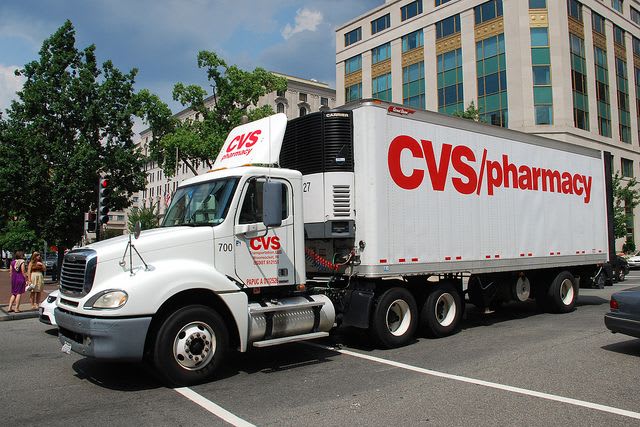
CVS used the routing software in the Telogis telematics system to analyze the best routes for drivers to approach a location, pull into a parking lot, and maneuver into the loading dock.
by Staff
December 19, 2014
CVS’s fleet of Class 8 haulers use routing software to analyze the best routes for drivers to approach a location, pull into a parking lot, and maneuver into the loading dock.
3 min to read
CVS’s fleet of Class 8 haulers use routing software to analyze the best routes for drivers to approach a location, pull into a parking lot, and maneuver into the loading dock.
For CVS Health’s fleet of Class 8 delivery trucks, the last mile of any route is often the most expensive, with delays, excess idling, and accidents making deliveries an expensive proposition. Complicating matters is that every CVS store has a different delivery dock configuration, making uniform delivery procedures impossible.
Ad Loading...
This is where data analytics came to the rescue, according to Nicholas Cindrich, director of enterprise safety and DOT compliance for CVS Health. The company used the routing software in the Telogis telematics system it uses to analyze the best routes for drivers to approach a location, pull into a parking lot, and maneuver into the loading dock.
Ad Loading...
Cindrich pointed out during a presentation at the recent Telogis Latitude Conference in Dana Point, Calif., that getting a driver to a location safely was the primary function of routing. And, a missed turn or a turn into the wrong parking lot entrance can result not only in an inconvenience for the company with out of route miles and wasted fuel or a missed delivery time, but more crucial, it results in upset motorists, an upset company driver, and a dangerous situation.
“A lost driver is a dangerous driver,” observed Cindrich. “Traveling in an unfamiliar area can result in accidents, traffic tickets, entering into a wrong delivery entrance, or compromise load safety.”
In addition to excess fuel cost and loss of driver time, CVS Health also found that upset drivers result in driver turnover — another factor impacting the overall safety of the fleet. Cindrich and his team used past routing data to determine a number of factors related to conquering the most expensive mile. They looked at the customer’s location (in this case CVS Health stores), how drivers were getting to the location, how they were reaching the loading dock once they reached the location, damage monitoring at the store, how the driver had to back into the dock, the time it took to handle paperwork, and evaluated customer service surveys.
The result of this analysis determined that about 40 percent of all CVS Health fleet accidents occurred at a store. “In addition, most driver injuries occur at one of our customer store locations,” Cindrich added.
In addition, the analysis helped to identify unseen parking lot obstacles, improving routing. In some cases, Cindrich found that taking all the location factors together, what appeared to be the obvious route was, in actuality, the recipe for an accident.
Ad Loading...
The analysis also helped CVS Health to cut idle time.
Cindrich concluded by warning about the forgotten mile — the DC or terminal. “About 16 percent of our accidents happen at the DC or terminal,” he said. Again, he undertook an analysis through the company’s Telogis solution to address this problem.
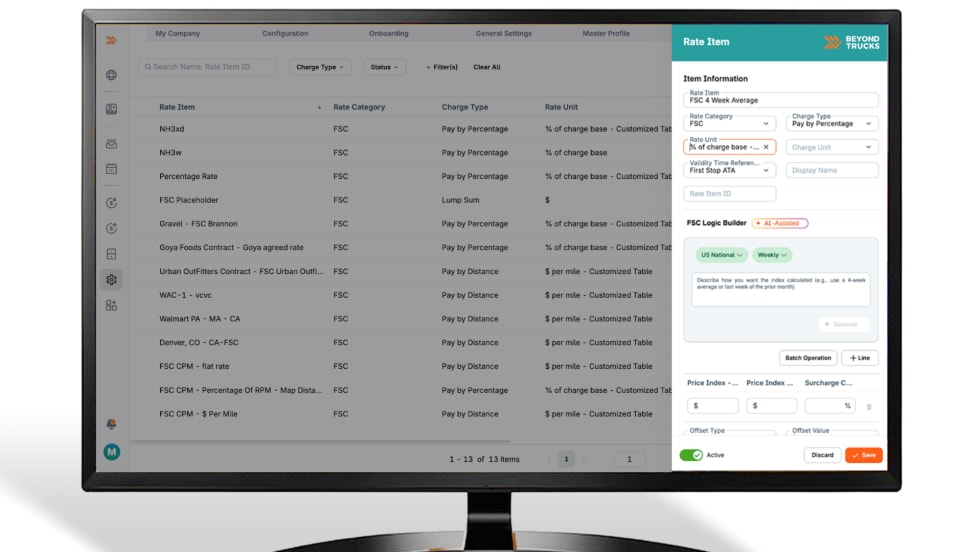
BeyondTrucks says its new RateAgents can turn plain-language rate logic into working code, starting with fuel surcharges — a critical but notoriously complex piece of carrier revenue.
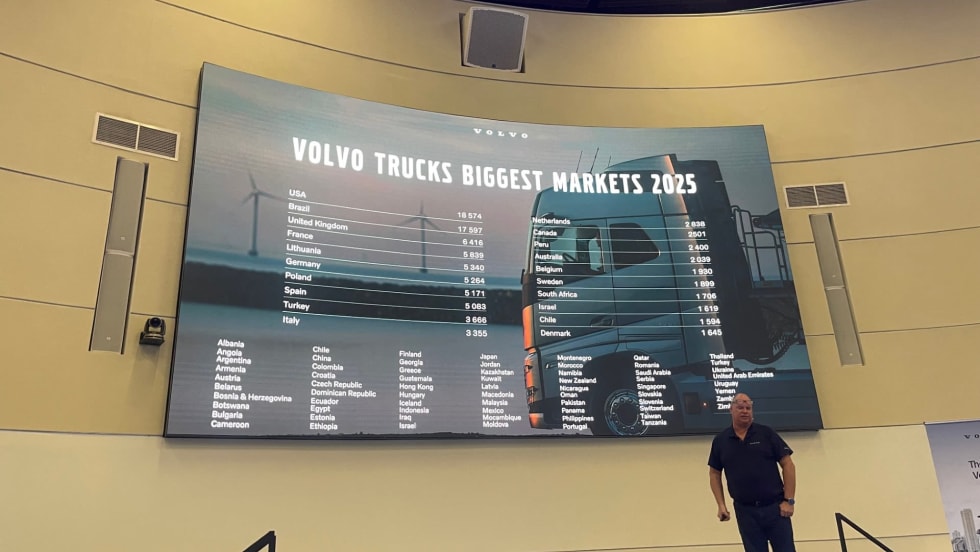
Soft freight conditions persist, but aging fleets, strong order intake, and new-product momentum signal a more optimistic second half of 2026, Volvo Trucks North America says.
Cargo theft is evolving from regional smash-and-grab operations to sophisticated fraud schemes. Strategic theft now accounts for roughly a third of cargo crime, with incidents rising sharply in recent years. Here’s how the schemes work — and what fleets can do to protect themselves.
Heavy Duty Trucking's Top 20 Products awards recognize the best new products and technologies. Check out the award presentations at the 2026 Technology & Maintenance Council annual meeting.
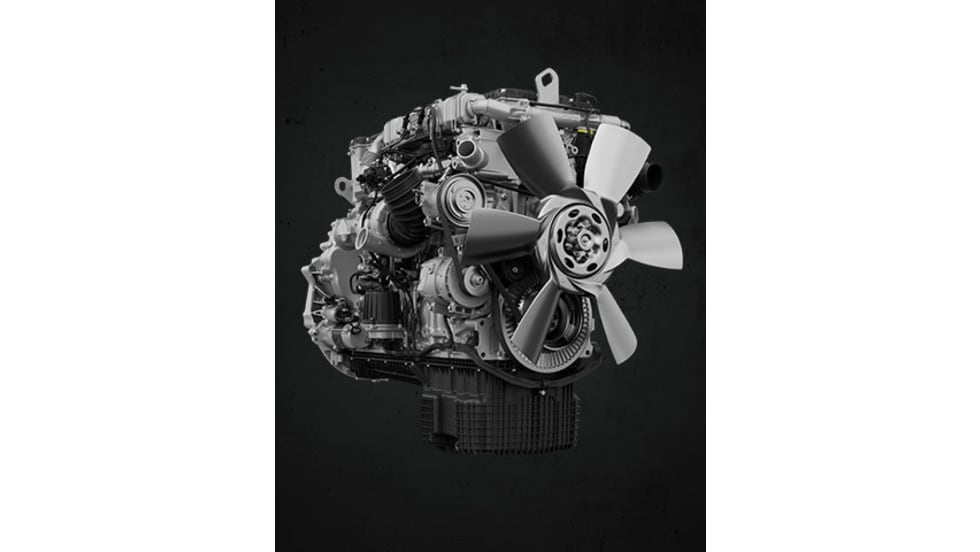
The Detroit® Gen 6 engine platform proves that real progress doesn’t require a complete redesign. Built on 20 years of trusted technology, these engines are designed for efficiency, stronger performance, and greater reliability than before. And they do it all while complying with 2027 EPA standards on every mile.
The 2026 ACT Expo is focusing heavily on what organizer Erik Neandross calls trucking's digital frontier. This interview excerpt dives into artificial intelligence, zero-emission vehicles, and tips to make sense of it all.
There's an amazing amount of new technology for trucking out there. For fleets, the challenge is figuring out what’s real, what’s hype, and what’s worth investing in.
Artificial intelligence, the software-defined vehicle, telematics, autonomous trucks, electric trucks and alternative fuels, and more in this HDT Talks Trucking interview
ACT Research data shows volumes hitting a four-year high and supply-demand balance strengthening, but higher oil prices are undercutting tariff relief and tempering optimism.
The patent-pending cargo solution integrates a digitally connected cargo door and an intelligent locking system with the TrailerHawk.AI technology platform.