




Coping With The Fuel Crisis
Conserving fuel: More critical than ever.


Fuel costs are always a critical concern. But with the cost of diesel topping the $4 a gallon mark in more than 16 states in March, the impact is more dramatic than ever.
The American Trucking Associations announced March 17 that it is projecting a record high diesel fuel bill in 2008. ATA said the trucking industry will spend $135 billion on fuel in 2008, based on current fuel price forecasts. This marks a $22 billion increase over the $112.6 billion spent by trucking in 2007.
ATA President and CEO Bill Graves said the trucking industry is experiencing the highest prolonged fuel prices in history.
The impact is being hardest felt by the independent trucker community. The Owner-Operator Independent Drivers Association's Land Line online magazine recently reported the case of a long-time trucker who was forced to hang it up because he couldn't afford to fill the tank.
Dave Martin and his wife, Diane, own Tonka Transport in Foster, RI. He told Land Line he had to shut down his company because he had no money left to operate or even buy fuel. He said he siphoned four gallons of fuel from his big truck to put into his pickup truck so he could run errands.
Martin had been driving for 24 years and in 2003 his dream of becoming an owner-operator came true. However, now the dream has turned into a "nightmare," he told Land Line.
"I don't even know what I did wrong," Martin said. "My wife and I put in 70-80 hours per week to make this work. If I park the truck, we'll lose our house. If I keep running, I can't even afford to feed the dog."
He turned down a broker who wanted him to take a load from Connecticut to Oklahoma for $1,900. That trip alone is around 1,500 miles, but he didn't even have the funds to fill up his tank. Where he lives diesel fuel was selling for $4.29 a gallon.
"I am one of those who always paid my bills, but now I can't make it," he said. "A year ago I was doing good enough to purchase a new truck and trailer; now it looks like that may have to go back, too."
OOIDA says it has received thousands of phone calls and e-mails on the dire situation many truckers are facing because of the fuel crisis.
Besides working with lawmakers to make them aware of the plight of independent truckers, OOIDA is also working to make mainstream media aware of how fuel prices are affecting owner-operators and the future health of the trucking industry.
The association has petitioned the Bush administration to immediately cease the diversion of oil supplies to the Strategic Petroleum Reserve and instead allow the product to directly enter the marketplace. OOIDA has also asked the administration to use its authority and influence to ensure the American fuel producers and refiners cease their exports of diesel and biodiesel products to other nations.
The association is also urging truckers to make their views known to the President. The number for the White House's comment line is (202) 456-1111. Or e-mail: comments@whitehouse.gov.
Major fleets are also feeling the pain and many are announcing fuel conservation plans.
Con-way Freight has turned back the speed governors on its 8,400-tractor fleet from 65 to 62 mph in a move to improve fuel conservation and reduce carbon emissions.
The change is expected to reduce consumption of diesel fuel from its over-the-road tractor fleet by nearly 3.2 million gallons a year, while eliminating approximately 72 million pounds of carbon emissions from the environment.
Other things the company has done to reduce fuel use and decrease its impact on the environment include:
- Equipping trucks with special aerodynamic fairings to reduce wind resistance and improve fuel efficiency
- Specifying engine and drivetrain combinations that maximize fuel mileage and peak power requirements
- Using special engine and transmission lubricants to improve operating efficiency and fuel mileage
- Setting engines with auto shut-off controls to minimize idle time while parked
Swift Transportation also announced it was turning down tractors speed governors to conserve fuel.
Slowing down, curtailing idling, fuel surcharges, turning down unprofitable loads, are all methods truckers use to survive a fuel crisis. But it appears outrageous diesel prices are here to stay. And with fuel economy penalites suffered with each new truck emissions reform, only those with the strongest strategies to cope will survive.
E-mail Deb Whistler at dwhistler@truckinginfo.com, or write P.O. Box W, Newport Beach, CA 92658.
More Fleet Management
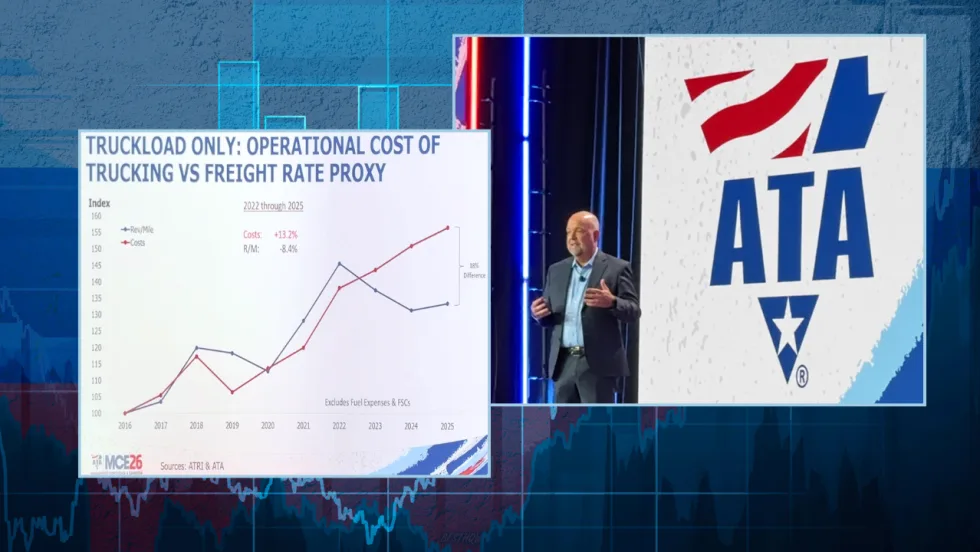
Why This Trucking Recovery Is Different
Freight demand remains sluggish, but rising costs and tougher enforcement have taken enough capacity out of the market to change the outlook for motor carriers.
Read More →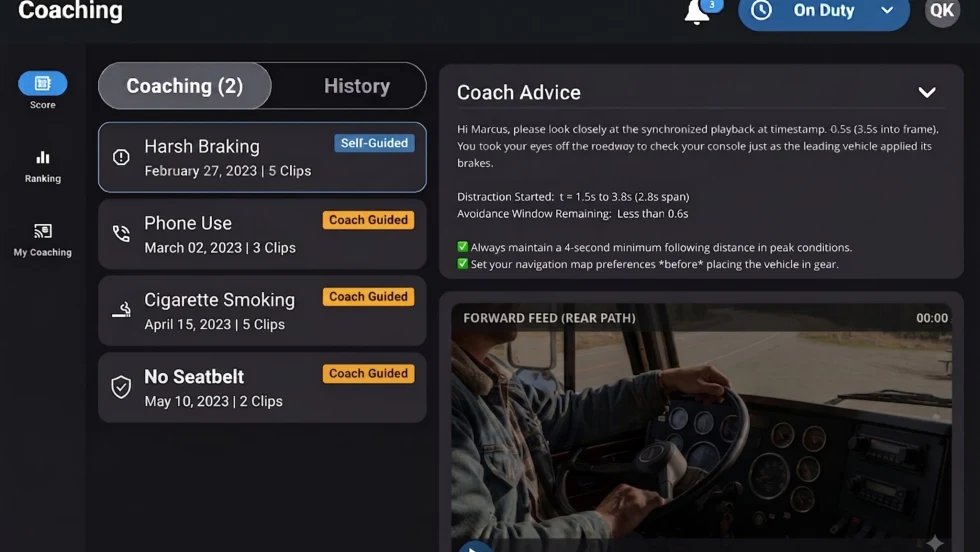
Platform Science Adds Dispatch and Safety Tools
Four additions to PS Fleet help fleets monitor loads, manage driver coaching, share truck locations and adjust video system settings.
Read More →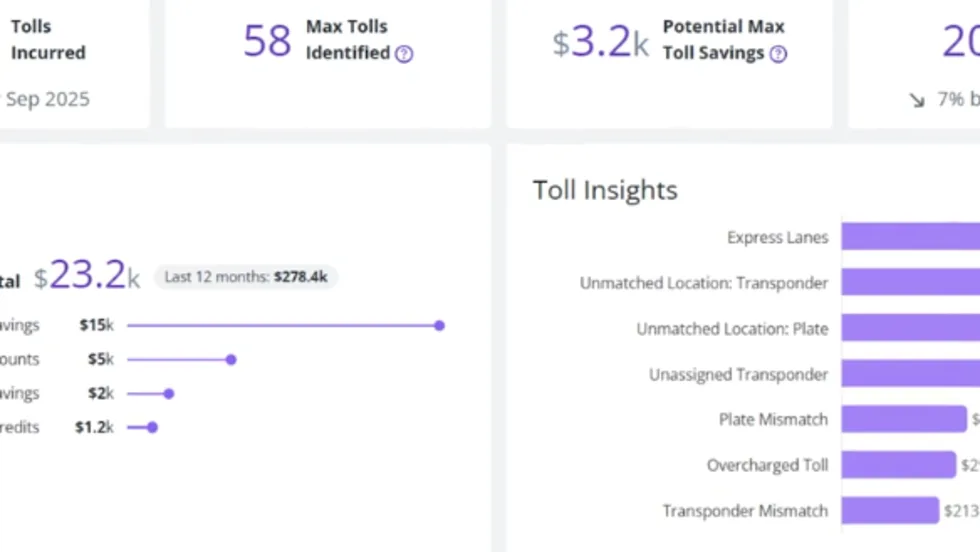
PrePass Intelligence Mines Fleet Bypass, Toll and Safety Data
PrePass Intelligence helps fleets measure bypass savings, flag potential toll overcharges, and spot suspicious transactions by combining data from separate systems.
Read More →
Motive Adds AI Agents for Fleet Operations
New tools automate follow-up on fleet data, from maintenance work orders to driver alerts, with two-way voice conversations planned for later this year.
Read More →
Can You Beat Our Trucking Trivia Challenge?
Test your truck knowledge with 19 trivia questions from Heavy Duty Trucking Exchange. Can you keep up with the fleet pros?
Read More →
BeyondTrucks Adds Rules Checks to Dispatch
New Compatibility Engine checks driver qualifications, equipment requirements and fleet policies before loads are dispatched.
Read More →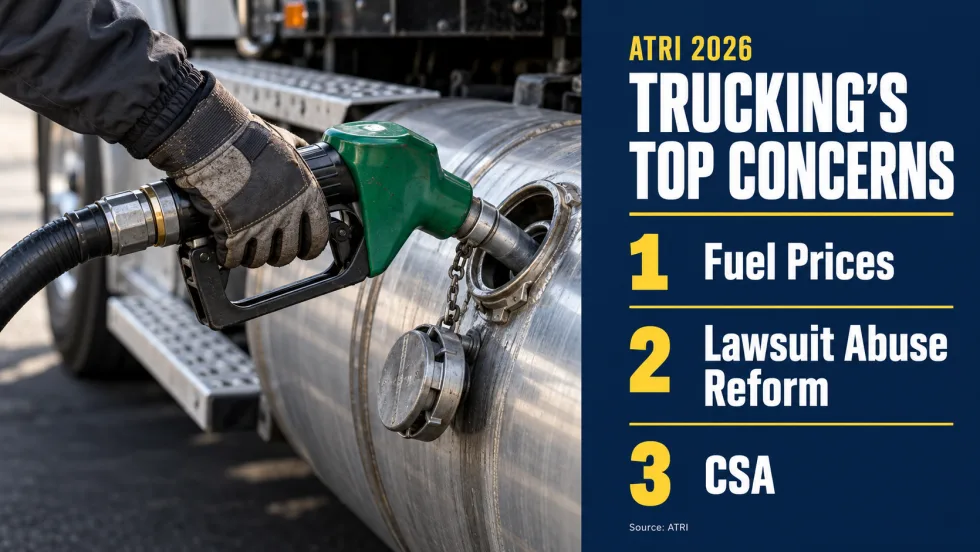
Diesel Prices Hijack Trucking’s Worry List
ATRI’s annual survey finds cautious optimism about freight, but diesel costs, litigation, and insurance continue to squeeze fleets. Drivers have different priorities on several issues.
Read More →
Nomination Deadline Extended for HDT Emerging Leaders
Just a few more days to nominate accomplished trucking fleet professionals under 40 who are making an impact and helping lead the industry forward for the HDT Emerging Leaders award. Deadline extended to October 20!
Read More →
What Will ATA’s New Leader Bring to Trucking's Table?
Incoming President and CEO Mark Colson’s record in Alabama offers clues about his priorities and approach following Chris Spear’s abrupt departure as the head of the American Trucking Associations.
Read More →
Volvo, Waabi Start Commercial Autonomous Operations in Texas
Volvo VNL Autonomous trucks, powered by the Waabi Driver, are hauling freight directly to third-party facilities for a customer in Texas.
Read More →