Drayage operators will soon obtain more container chassis from trucker-owned pools than from ship lines and railroads, which signals part of a transition under way in the intermodal industry.
A recently formed North American Chassis Pool Cooperative has won government approval and has begun purchasing chassis.
Drayage operators will soon obtain more container chassis from trucker-owned pools than from ship lines and railroads, which signals part of a transition under way in the intermodal industry.
A recently formed North American Chassis Pool Cooperative has won government approval and has begun purchasing chassis.
Ad Loading...
In February, the cooperative received permission from the Surface Transportation Board, clearing the way for the group's members to begin pooling the vehicles for intermodal freight hauling. NACPC intends to refurbish and improve the chassis.
NACPC had its start with a multi-year study of the intermodal container chassis situation, which was marked by truckers’ complaints of the poor condition of equipment provided by ocean lines, explains Curtis Whalen, executive director of the American Trucking Associations’ Intermodal Carriers Conference and a member of the cooperative's board of directors.
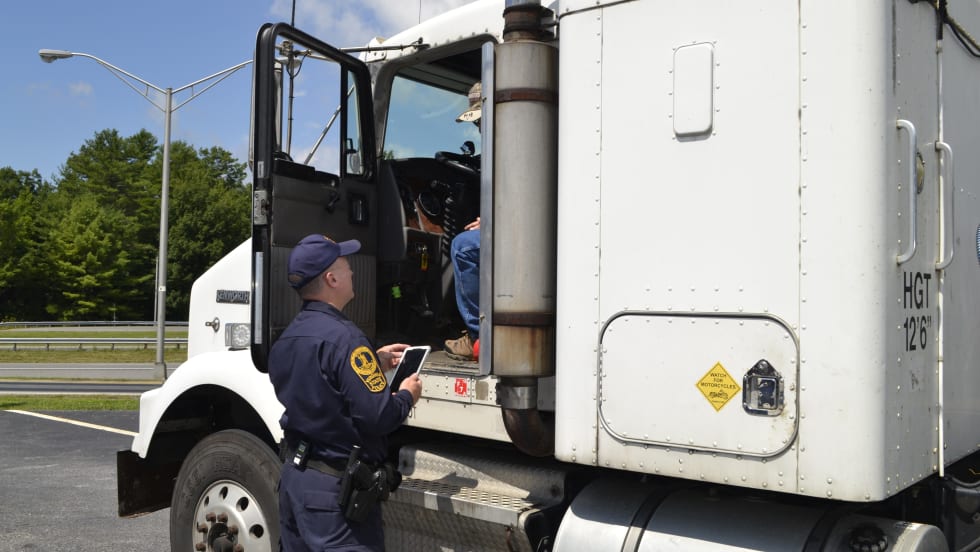
Law enforcement officers who found safety infractions cited drivers and sometimes carriers instead of the chassis's owners.
“There was a lot of dissatisfaction among carriers” under the old system, Whalen says. “To have any control, they had to have their own operation.”
Therefore, last October a group of carriers set up the cooperative and put up money to hire lawyers and file paperwork with government entities.
Ad Loading...
A plan for better chassis
Meanwhile, federal authorities in 2009 officially required owners of container chassis to follow equipment “roadability” regulations published by the Federal Motor Carrier Safety Administration. Steamship lines then sped up their exit from the non-revenue business of providing chassis to truckers, an exodus that had begun about a decade before.
For years drayage operatros got free use of chassis, but too often they weren't properly maintained. Under trucking company ownership, draymen will pay daily rental fees, but equipment should be in better shape.
The U.S. was unique in the shipping world in that use of the chassis was free — but truckers got what they paid for. Under the new pool arrangements, drayage truckers will pay a rental fee, probably something under $ 15 a day for a chassis, Whalen says. But maintenance should be better.
“Roughly 40% of the chassis used by motor carriers are more than 15 years old,” says Dave Manning, NACPC chairman and president of TCW and Tennessee Express based in Nashville, Tenn. “So as stewards of this equipment, NACPC plans to refurbish and upgrade this equipment with radial tires, auto inflation devices and improved braking and lighting systems.”
These equipment improvements are expected to reduce long-term maintenance costs and improve compliance with the roadability regs, he says. “Equipment improvements also will provide energy savings and environmental benefits by reducing chassis repositioning distances and lowering truck transport emissions.”
A modernized chassis will also increase driver productivity, Manning says, reducing waiting delays that often occur today because equipment needs repair before drivers can safely transport container freight to their customers.
Ad Loading...
Putting the plan into action
NACPC's first entry is the Mid-South Chassis Pool for Memphis and Nashville, Tenn., and Huntsville, Ala., says Tom Kelly, a transportation consultant who advised carrier executives during the forming of the cooperative and is now its president. It's a neutral or “gray” pool using participants’ equipment, and any carrier may obtain a chassis from it.
NACPC is owned by Tennessee Express and several other motor carriers.
“Membership's open to all qualified motor carriers, and then big-box merchants and shippers could get involved,” says ATA's Whalen. “There are people interested in investing in container chassis, if you can believe it,” given the no- or low-revenue nature of providing them.
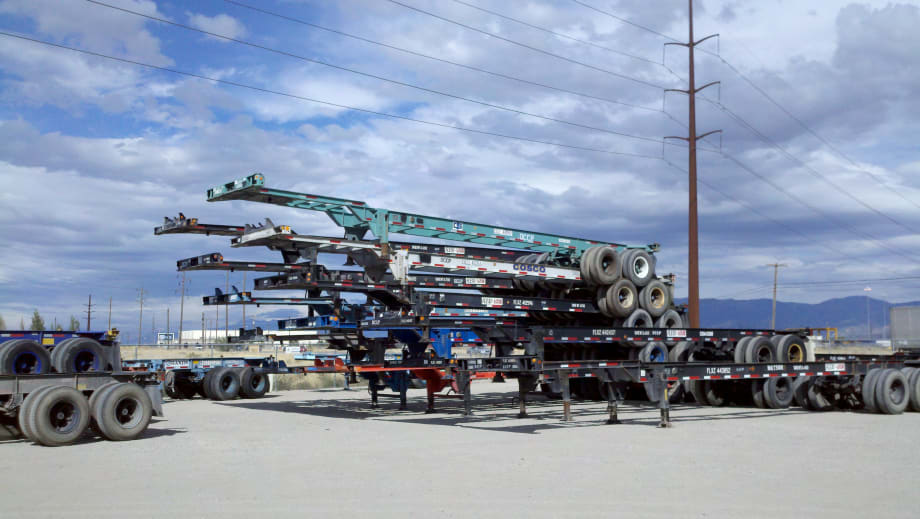
Hundreds of thousands of truck chassis help haul ocean containers out of seaports. America is unique in that the chassis have been owned by steamship lines, but that's changing as dray operators form their own pools.
An existing cooperative pool is Consolidated Chassis Maintenance, or CCM, owned by 18 container ship lines. It operates six regional pools. CCM received Federal Maritime Commission approval last year to accept chassis that were contributed by truckers and shippers as well as by ocean carriers.
In another development, IMC Companies, an intermodal carrier, in February purchased 1,500 intermodal chassis from an ocean container line and will put them into CCM's Mid-South cooperative pool.
Ad Loading...
Acquiring chassis will be a chancy endeavor because quick, volume deals will be necessary, Whalen says. “CCM inspected the chassis before acquiring them, but in today's market you take a bunch and deal with them.”
It'll be a while before drayage drivers and their companies will begin getting chassis from these pools, according to Mason George, a regional manager at DNJ Intermodal. This is an IMC Companies subsidiary operating in Chicago, Indianapolis, Kansas City and St. Louis. But “so far the newly formed pools appear to be a great solution for motor carriers.”
On the ground, the switchover is not yet evident, he says.
“Nothing has really changed in the availability and maintenance of chassis yet, but I do believe that as the major lines continue to exit the chassis pools here, we will start to see more chassis in the hands of truckers,” George says.
“This will inevitably be cause for more availability and also a new higher maintenance and repair standard.”
For an industry that has watched this issue go back and forth for years, the independent contractor proposal marks the latest swing in the regulatory pendulum.
America’s Service Line adopted Link’s SmartValve and ROI Cabmate systems to address whole-body vibration, repetitive strain, and driver turnover. The trucking fleet is already seeing measurable results.
The Federal Motor Carrier Safety Administration issued more than 550 notices of proposed removal to commercial driver training providers following a five-day nationwide enforcement sweep. Investigators cited unqualified instructors, improper training vehicles, and failure to meet federal and state requirements.
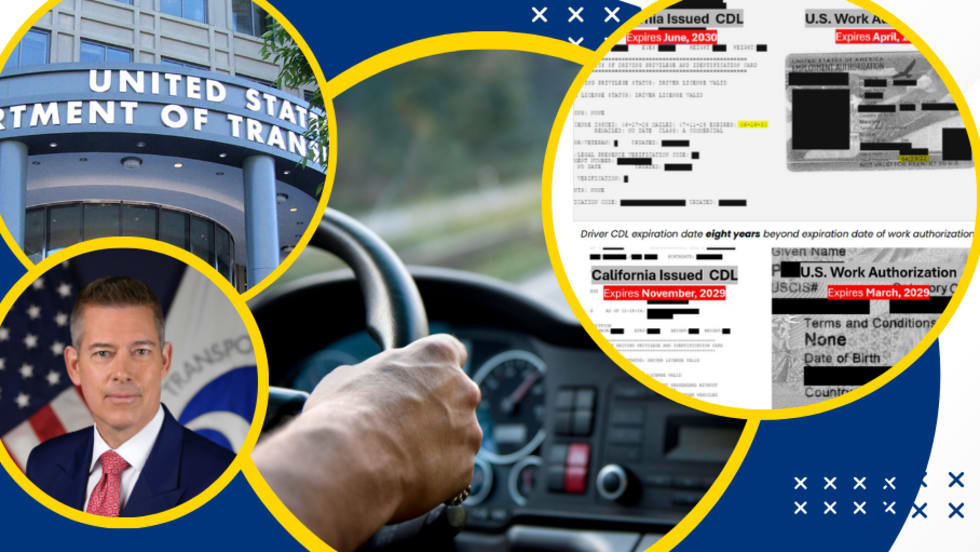
Illinois is the latest state targeted and threatened with the loss of highway funding by the U.S. Department of Transportation in its review of states' non-domiciled CDL issuance procedures. The state is pushing back.
After a legal pause last fall, FMCSA has finalized its rule limiting non-domiciled commercial driver's licenses. The agency says the change closes a safety gap, and its revised economic analysis suggests workforce effects will be more gradual than first thought.
Listen as transportation attorney and TruckSafe Consulting President Brandon Wiseman joins the HDT Talks Trucking podcast to unpack the “regulatory turbulence” of last year and what it means for trucking fleets in 2026.