




The Roadside Dietitian: Love Your Heart
February is American Heart Month for one really good reason. Heart disease is the number one killer in this country, accounting for about a quarter of all deaths every year. That means the odds are nearly six to one that you will die of a heart problem rather than in an accident.
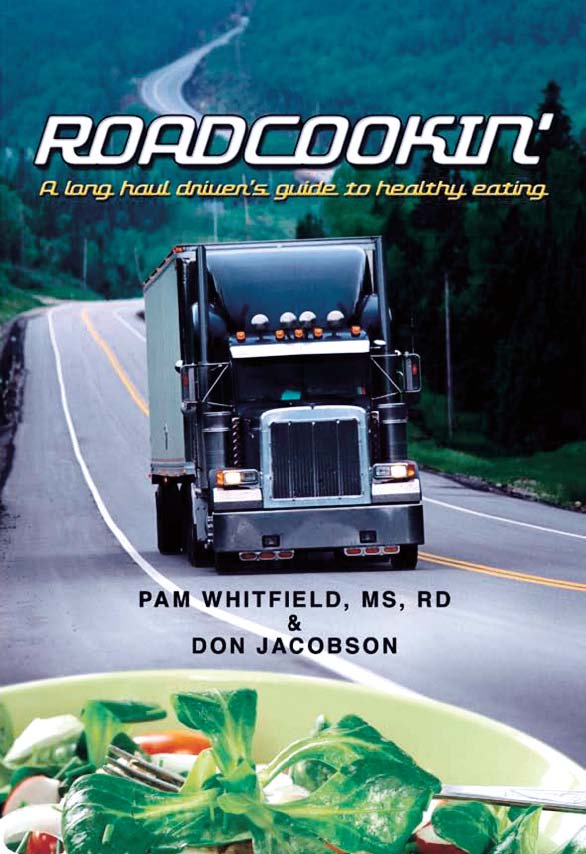
Pam Whitfield, a registered dietitian and certified diabetes educator with a Master's in Nutrition & Dietetics, and Don Jacobson, a writer and noted outdoor cook, are the authors of “Road-cookin’: A long haul driver's guide to healthy hating.”
February is American Heart Month for one really good reason. Heart disease is the number one killer in this country, accounting for about a quarter of all deaths every year. That means the odds are nearly six to one that you will die of a heart problem rather than in an accident.
Many truckers are overweight, and those extra pounds can lead not only to heart problems, but also to many other health problems.
Many patients who need to control their blood pressure or want to reduce their risk of heart disease work with a heart-healthy diet. This meal plan has three simple points.
Eat more healthy fats and fewer unhealthy fats.
Reduce your salt intake.
Increase your fiber intake.
Fat: The Good, the Bad
A lot of folks think fat is a bad thing. In reality, we need fats in our diet, and approximately 20% to 30% of the calories we intake daily should come from fat. In a 2,000-calorie meal plan, that translates to 65 grams of fat. But keep in mind what type of fats are on your plate. The goal is to have more healthy fats and less unhealthy fats. You want no trans fats, and limited saturated fats.
Fish has very healthy fats in it, particularly Omega-3 fatty acids. Fish is recommended once or twice a week in the heart-healthy diet.
Other ways to change your fat intake are to:
Limit saturated fats to 20g/day for men, 15g/day for women.
Try skinless chicken breast, pork tenderloin and 90% lean burger.
Limit butter, sour cream, donuts, cake and ice cream.
Add olive oil, avocadoes, unsalted nuts and non-fat milk.
Pass on the Salt
What's your relationship with the salt shaker? Too much salt in your diet can lead to hypertension, commonly known as high blood pressure.
The recommended sodium intake is between 2,000 and 2,400 mg a day. That's about one teaspoon. That includes every drop of sodium that you find in the foods you eat — natural or added.
Most Americans get 4,000 to 6,000 mg per day—two to three times what is needed. We have worked with drivers who were brining their blood vessels with 12,000 to 14,000 mg a day.
Here's a sodium action plan:
Keep total sodium intake to 2,400 mg/day.
Read the nutrition facts at fast food outlets for sodium levels.
Limit processed foods, lunch meats, cheese and sausage and jerky.
Fiber Gets Things Moving
The last element of the heart-healthy diet is fiber. We need between 20 and 35 grams of fiber every day. Most of us get only 12 to 15.
There are two types of fiber: soluble and insoluble. Insoluble fiber is great for digestion. It passes through the stomach and intestines in its original form. Soluble fiber (found in oats, peas, beans and some cereals) may help lower your cholesterol.
Add fruits, vegetables and whole grains to your meals, try high-fiber cereals such as oatmeal or bran flakes and be sure to drink enough water.
Send your heart a Valentine this year. Start eating right.
Pam Whitfield, a registered dietitian and certified diabetes educator with a Master's in Nutrition & Dietetics, and Don Jacobson, a writer and noted outdoor cook, are the authors of “Road-cookin’: A long haul driver's guide to healthy hating.”
Puerto Rican Chicken
1 medium sweet onion, peeled and sliced into rings
1 red bell pepper, julienne sliced
1 green bell pepper, julienne sliced
1 small sweet potato, peeled and diced
1 eight-ounce can of unsweetened pineapple chunks w/juice
4 oz chicken breast tenders or sliced chicken breast ground cinnamon ground ginger
In an electric fry pan over medium heat,place water and onions. Sauté onions in water until tender. Add all other vegetables including the juice from the pineapple chunks. Cover and cook over medium heat until tender (hint: test the sweet potato chunks). Add liquid to prevent burning. Season the chicken with cinnamon and ginger. Uncover the pan and push the veggies to the sides as best you can. Cook the chicken until done. Mix thoroughly. Serve with rice.
Nutritional information (1 serving): Calories: 396, Carbohydrates: 64 gm, Fat: 2 g (Sat Fat: 1 g), Cholesterol: 66 mg, Protein: 31 g, Sodium: 106 mg, Fiber: 11 g
More Drivers

When Language Stops the Truck: The Return of ELP Out-of-Service Orders
English language proficiency rules for commercial drivers aren’t new, but renewed out-of-service enforcement has raised the stakes. Here’s what carriers need to know before a driver reaches a roadside inspection.
Read More →
Samsara Launches Custom AI Agent Builder
Agent Studio lets fleets create AI tools for hours-of-service monitoring, reporting and driver support, including agents that communicate by phone.
Read More →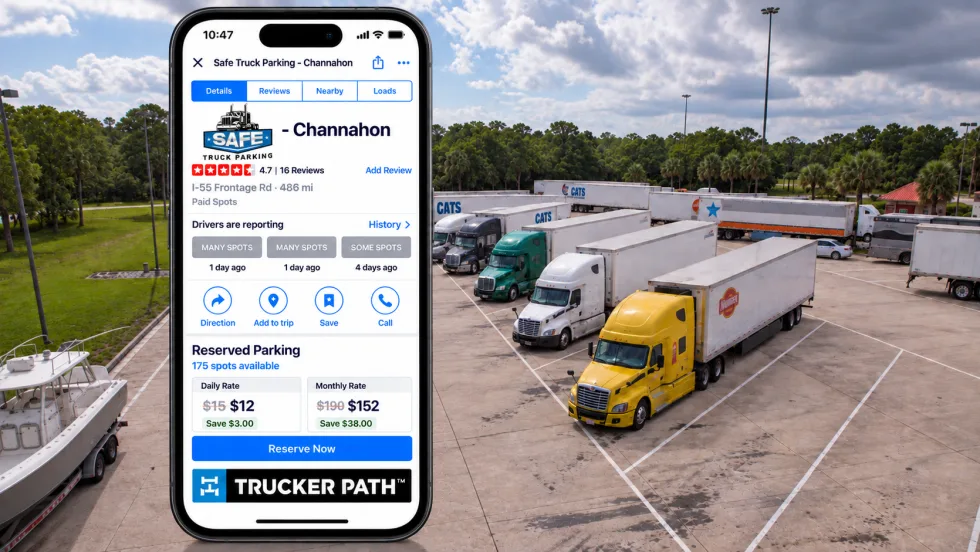
Trucker Path Expands Reserved Parking Network
Trucker Path has added close to 6,000 more truck parking spaces to its Trucker Path Reserved Parking Network with the addition of Safe Truck Parking.
Read More →
EEOC Sues Texas Trucking Company Over Driver Age Limits
The agency says Trancasa USA rejected applicants over 65 and applied tougher driving-record standards to those over 60.
Read More →
Nussbaum, Roehl Announce Second Driver Pay Increase This Year
This year has seen a swath of major truck driver pay increases as freight capacity has tightened.
Read More →
From One Generation to the Next: How Mentorship Builds Safer Truck Drivers
After three decades in trucking, Harold Perry shares what he's learned about driver safety, mentorship, and helping the next generation build confidence behind the wheel.
Read More →
Truck Drivers Need More Than Another Alert
Fleets have more visibility into truck health, safety events, and driver activity than ever. The next challenge is turning all that information into useful guidance for the person who has to decide what to do next.
Read More →
FMCSA Removes 110 Truck Driver Training Schools from Certified ELDT List
Federal regulators also are targeting more than 160 additional training providers and launching a nationwide audit of third-party CDL skills testers as part of a broader crackdown on trucking fraud.
Read More →
Hours of Service Pilot Programs: FMCSA Readies for 2027 Rollout
Two pilot programs could eventually reshape hours-of-service rules, giving truck drivers options to pause their 14-hour clock or use longer split sleeper rest periods.
Read More →
Medical Cards, English Proficiency Reshape Roadcheck Violations
Medical-card violations jumped to the top of the driver out-of-service list during CVSA’s 2026 International Roadcheck, while English-language proficiency violations appeared among the leading violations for the first time.
Read More →