




New Hydrogen System Claims Better Fuel Economy, Lower Emissions
Highline Technical Innovations Inc., creator of a hydrogen system used in the marine and agricultural industries, now offers its HY-Impact line of Intelligent Hydrogen Systems for all industries using diesel engines
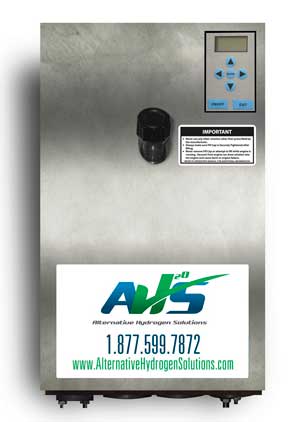
The HY-Impact system runs on fewer than 3 amps of power and requires one cup of distilled water every 900 operating hours.
Highline Technical Innovations Inc., creator of a hydrogen system used in the marine and agricultural industries, now offers its HY-Impact line of Intelligent Hydrogen Systems for all industries using diesel engines.
Highline has merged with Alternative Hydrogen Systems Group Sales & Marketing to form Alternative Hydrogen Solutions, a company dedicated to bringing these products to market. For industries using diesel engines, AHS's Intelligent Hydrogen Systems will mean a reduction in fuel costs and more environmentally friendly engines, the company says.
The HY-Impact system increases fuel economy between 9% and 23% and can reduce diesel exhaust fluid usage by up to 40%, according to AHS. The system runs on fewer than 3 amps of power and requires one cup of distilled water every 900 operating hours.
The distinguishing characteristic of AHS's HY-Impact product line of Intelligent Hydrogen Systems, compared to hydrogen devices of the past, according to Charlton Coats, CEO of AHS, is "the fact that we aren't using hydrogen as a fuel. Instead we are using it as a catalyst to help burn the fuel more completely. In addition, we employ three patent-pending pieces of technology. Two of these regulate the exact flow of hydrogen while the other ensures no moisture enters the engine."
To be used as a catalyst to more completely burn fuel, hydrogen is first separated from water via the process of electrolysis. When the precise required amount of hydrogen is introduced into the engine's combustion chamber, a more efficient fuel burn will result, the exhaust will run at a lower temperature, and the reduction in carbon and heat will reduce internal friction, the company says.
"We are using hydrogen to completely burn the fuel in the cylinder, instead of allowing roughly 30% of fuel that otherwise would remain unburned and cause the engine to run hotter and less efficiently to ultimately then be released out into the environment in the form of harmful emissions," Coats says.
"The key to our success is that we effectively control the release of the hydrogen," Coats says. "Different engines require different levels of hydrogen in order to maximize the fuel efficiency of each. Producing hydrogen is the easy part, it is how we control and utilize the hydrogen that separates our HY-Impact line of products from the products of other companies that attempt to use hydrogen in some form."
For more information, go to www.alternativehydrogensolutions.com
More Products

Einride Driverless Electric Trucks Begin Daily Freight Operations in Ohio
Two cabless electric trucks are hauling freight between EASE Logistics facilities in Marysville, Ohio, as part of a multi-state truck automation project.
Read More →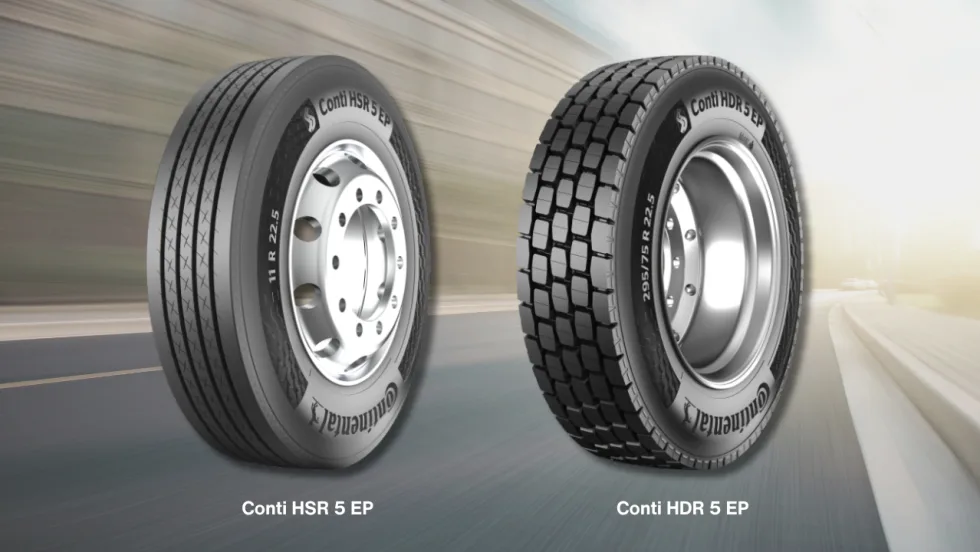
Continental Introduces New Regional Truck Tires
Continental says its new Generation 5 steer and drive tires for regional operations offer longer tread life, with estimated mileage gains of 22% and 19%, respectively.
Read More →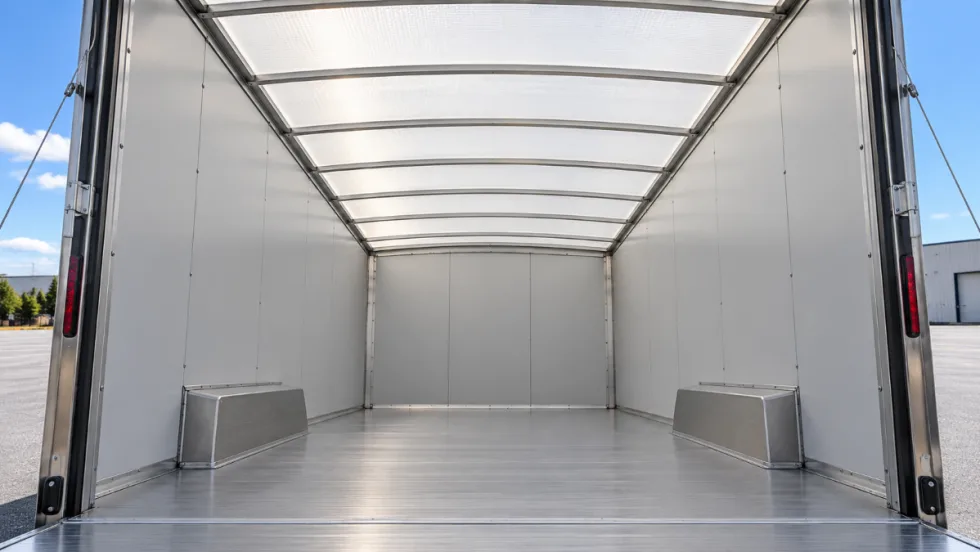
Tekmodo Introduces CargoBright Brand for Translucent Trailer Roofs
CargoBright is designed to diffuse daylight across the cargo area while performing as a working vehicle roof.
Read More →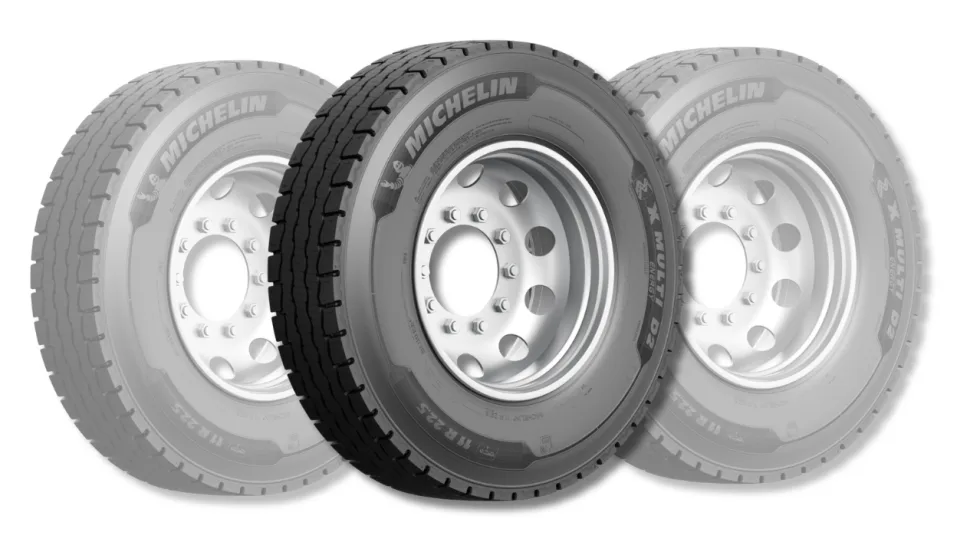
Michelin Tire Improves Efficiency and Durability for Regional Fleets
The Michelin X Multi Energy D2 is a regional haul drive tire engineered to help fleets improve fuel efficiency, durability and traction in demanding stop-and-go operations.
Read More →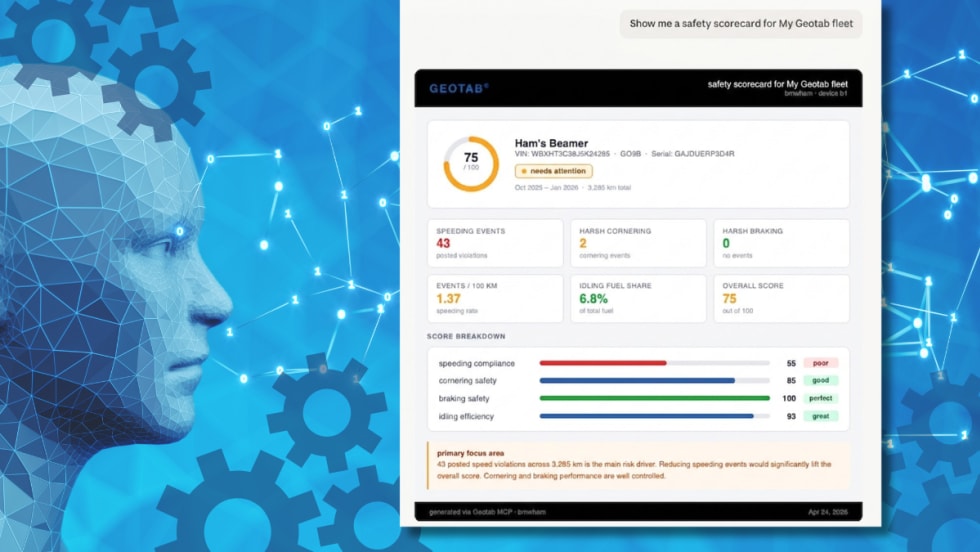
What Geotab's New AI Connector Means for Fleets
Fleets can now ask their usual AI assistants questions about maintenance, safety, fuel use, and vehicle performance, using their live Geotab data, and take action on the answers without leaving their preferred AI tool.
Read More →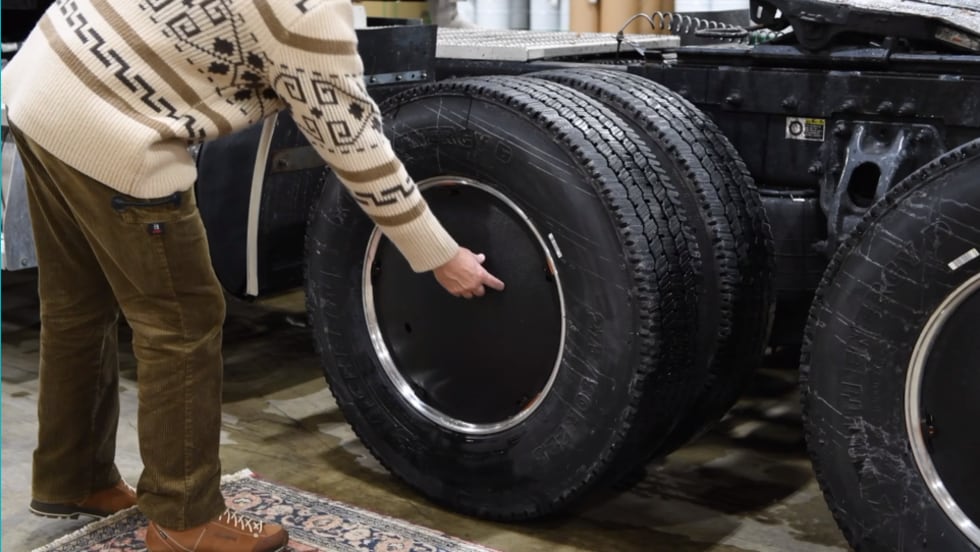
Deflecktor: Hubbub Aerodynamic Wheel Cover Cost-Effective Even for Trailers
Aerodynamic wheel covers can deliver small but meaningful fuel-economy gains for fleets, and Deflecktor says its latest design aims to make the technology easier and more affordable to deploy.
Read More →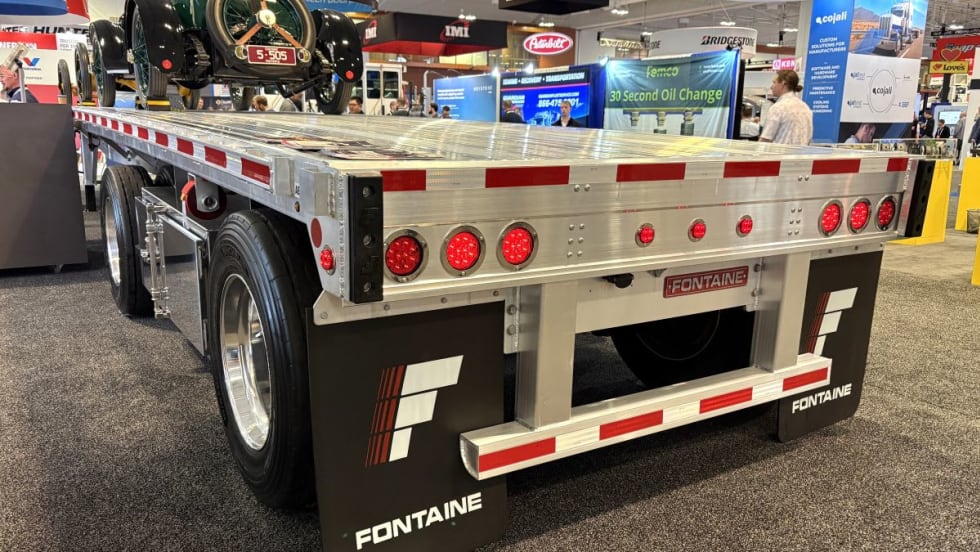
Fontaine Expands Flatbed Lineup with New Fleet-Focused Models, Eyes 2027 Launch
Fontaine is broadening its flatbed lineup with new models aimed at fleets, including a lightweight aluminum trailer expected in 2027 that emphasizes durability, repairability, and lower cost.
Read More →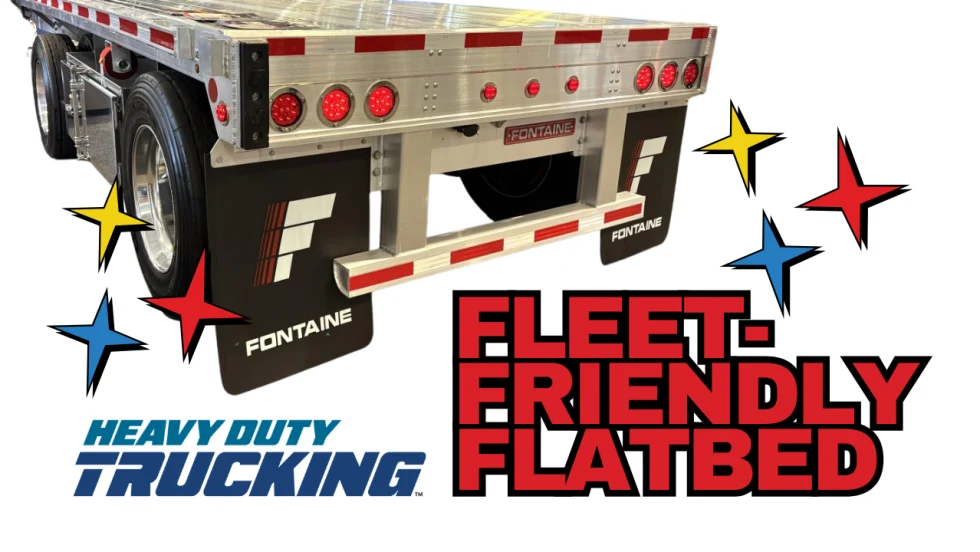
Fontaine's Fleet-Focused Force Flatbed Prototype [Watch]
A new prototype from Fontaine Trailer focuses on what fleets say they need most: easier repairs, lower maintenance costs, and practical, service-friendly design.
Read More →
HDT Honors the Best New Products of 2025 at TMC [Photos]
Heavy Duty Trucking's Top 20 Products awards recognize the best new products and technologies. Check out the award presentations at the 2026 Technology & Maintenance Council annual meeting.
Read More →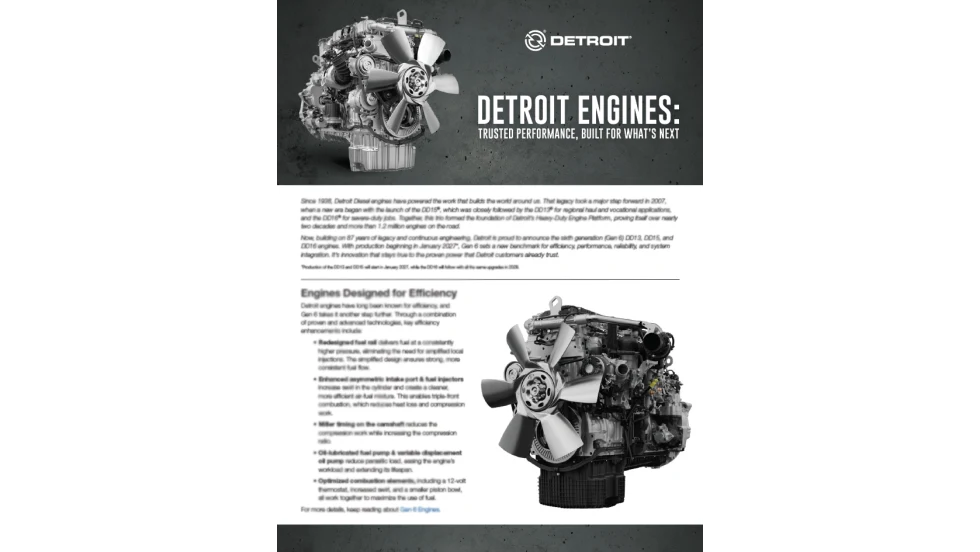
Detroit Engines: Trusted Performance, Built for What's Next
The Detroit® Gen 6 engine platform proves that real progress doesn’t require a complete redesign. Built on 20 years of trusted technology, these engines are designed for efficiency, stronger performance, and greater reliability than before. And they do it all while complying with 2027 EPA standards on every mile.
Read More →