





Related: Report Recommends Improvements to CSA Scoring System
Proposed CSA Scoring-Improvement Method Gets Thumbs Up
ORLANDO - Boiled down to its essence, the review of the Compliance, Safety, Accountability program by the National Academies of Science found that the Federal Motor Carrier Safety Administration should move to a more scientific method to drive the Safety Measurement System that signals which motor carriers are at highest risk for future crashes, according to an FMSCA official.
October 23, 2017
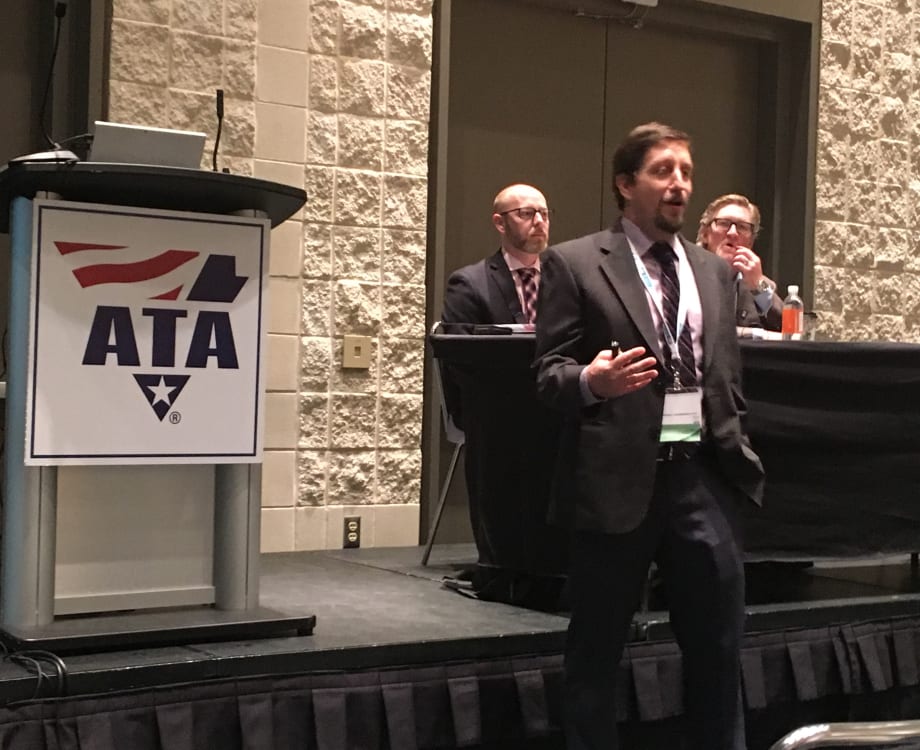
FMCSA's Joe DeLorenzo speaking in Orlando. Photo: David Cullen
3 min to read
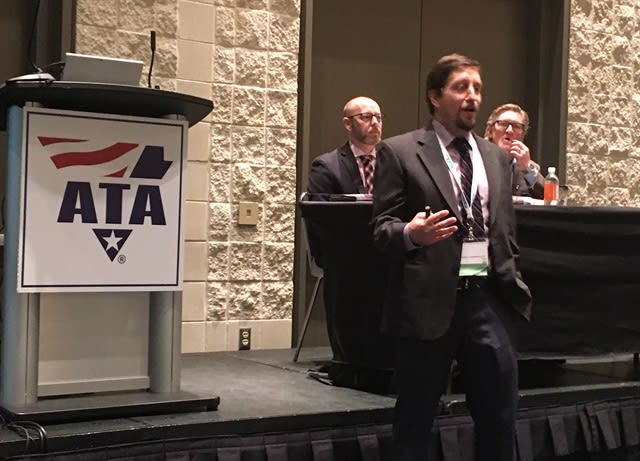
FMCSA's Joe DeLorenzo speaking in Orlando.Photo: David Cullen
ORLANDO – Boiled down to its essence, the congressionally mandated review of the Compliance, Safety, Accountability program by the National Academies of Sciences found that the Federal Motor Carrier Safety Administration should move to a more scientific method to drive the Safety Measurement System that signals which motor carriers are at highest risk for future crashes, according to an FMSCA official.
“The National Academies said to FMCSA, ‘The model you have is pretty good, but it’s not based on a principled scientific approach. We would like to see a better statistical model behind SMS,’” FMCSA Director of Compliance and Enforcement Joe DeLorenzo, said on Oct. 22 during an educational session here at the American Trucking Associations’ annual Management Conference & Exhibition.
He said NAS recommended that FMSCA take about two years to study a more scientific modeling approach known as “Item Response Theory” and then consider implementing it to make the SMS function more accurately. “Our focus,” he told the audience, “remains focused on the prevention of crashes, not the prediction of crashes.”
DeLorenzo said the hope is that an IRT-based method would help develop “an estimate of the measure of ‘safety culture’ for each carrier and be used to monitor and identify carriers in need of intervention,” rather than just zero in on violations.
To accomplish all that may take digging into a variety of data points, such as driver pay, driver turnover, and miles travelled. He likened such an approach to the IRT-type scoring used in such standardized tests as the SAT (Scholastic Aptitude Test), familiar to generations of students applying for college admission, that weights answers not just on whether they are “right” or “wrong” but also on how they reflect a student’s depth of understanding.
“This is a long-term development,” DeLorenzo conceded. “The next step will be developing an action plan [in response to the NAS survey] per the FAST Act [which mandated the survey]. FMCSA will continue working with the National Academies on this over the next several years. All this [work] is very data-intensive; it will take a long time to run [all the numbers].”
Steve Bryan, president of president of data analysis firm Vigillo, Inc., which provides safety analytics, told the audience that after attending all of the public meetings on the SMS study held by NAS and digesting the 134-pg. report produced, he is in favor of seeing an IRT-based model adopted.
“IRT is a very sophisticated statistical model,” said Bryan. “But the good news is it has been battle-tested in other industries. IRT won’t predict the next crash, but it will shine a light on the cultural weaknesses of carriers that lead to higher crash rates.
He allowed that incorporating the NAS recommendations into the CSA system will be “a heavy lift,” but said the result will be worth it as trucking will end up with “a much better safety scoring system.”
More Fleet Management
Why This Trucking Recovery Is Different
Freight demand remains sluggish, but rising costs and tougher enforcement have taken enough capacity out of the market to change the outlook for motor carriers.
Read More →
Platform Science Adds Dispatch and Safety Tools
Four additions to PS Fleet help fleets monitor loads, manage driver coaching, share truck locations and adjust video system settings.
Read More →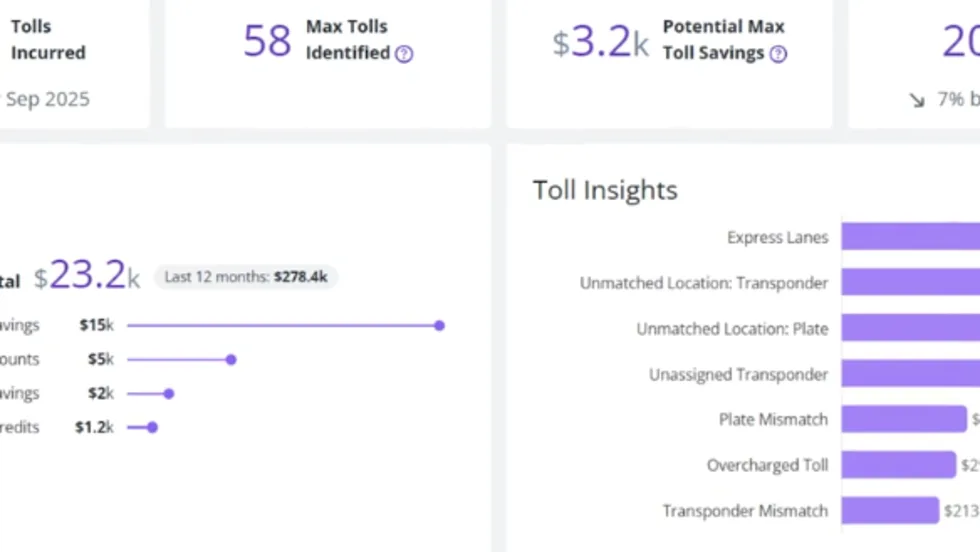
PrePass Intelligence Mines Fleet Bypass, Toll and Safety Data
PrePass Intelligence helps fleets measure bypass savings, flag potential toll overcharges, and spot suspicious transactions by combining data from separate systems.
Read More →
Motive Adds AI Agents for Fleet Operations
New tools automate follow-up on fleet data, from maintenance work orders to driver alerts, with two-way voice conversations planned for later this year.
Read More →
Can You Beat Our Trucking Trivia Challenge?
Test your truck knowledge with 19 trivia questions from Heavy Duty Trucking Exchange. Can you keep up with the fleet pros?
Read More →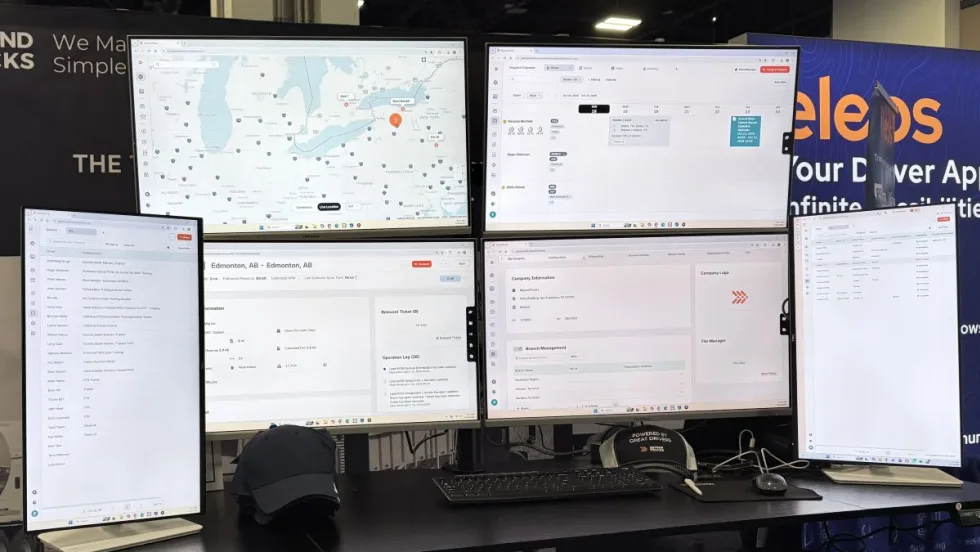
BeyondTrucks Adds Rules Checks to Dispatch
New Compatibility Engine checks driver qualifications, equipment requirements and fleet policies before loads are dispatched.
Read More →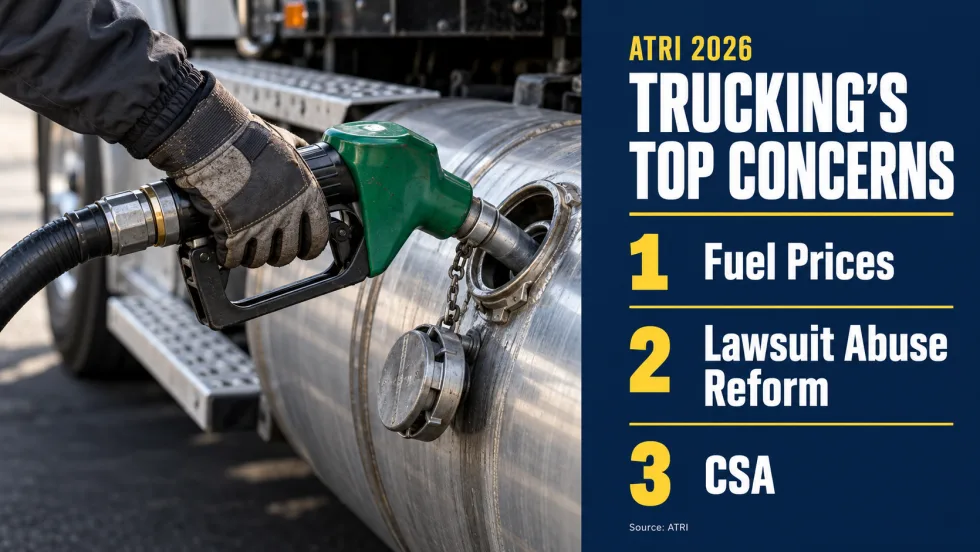
Diesel Prices Hijack Trucking’s Worry List
ATRI’s annual survey finds cautious optimism about freight, but diesel costs, litigation, and insurance continue to squeeze fleets. Drivers have different priorities on several issues.
Read More →
Nomination Deadline Extended for HDT Emerging Leaders
Just a few more days to nominate accomplished trucking fleet professionals under 40 who are making an impact and helping lead the industry forward for the HDT Emerging Leaders award. Deadline extended to October 20!
Read More →
What Will ATA’s New Leader Bring to Trucking's Table?
Incoming President and CEO Mark Colson’s record in Alabama offers clues about his priorities and approach following Chris Spear’s abrupt departure as the head of the American Trucking Associations.
Read More →
Volvo, Waabi Start Commercial Autonomous Operations in Texas
Volvo VNL Autonomous trucks, powered by the Waabi Driver, are hauling freight directly to third-party facilities for a customer in Texas.
Read More →