




3 Ways ELDs Should Help Prevent Driver Coercion
Drivers are at the heart of the electronic logging device mandate that kicks in just over four months from now. According to Pete Allen of MiX Telematics, it was concern about how drivers might be impacted that compelled FMCSA to put “provisions in place to prevent issues of harassment, one of which is driver coercion.”


Photo: FMCSA

Drivers, of course, are at the heart of the electronic logging device mandate that kicks in just over four months from now, on December 18. According to Pete Allen, executive vice president of MiX Telematics, which provides ELD solutions, it was concern about how drivers might be impacted by rule change that compelled the Federal Motor Carrier Safety Administration to put “provisions in place to prevent issues of harassment, one of which is driver coercion.”
Allen told HDT that the rule includes these three technical requirements to help protect drivers from being coerced into violating federal hours-of-service regulations:
1. Unassigned Driving Time: The ELD device must track all miles associated with the vehicle. If any mileage is not assigned to a driver, it is labeled as Unassigned Driving Time.
When drivers log onto an ELD, they must be prompted if the vehicle they are in has any unassigned driving time. If a driver is responsible for any unassigned driving time, he or she must identify it as his or her own, and then the system will automatically update the driver’s Record of Duty Status. Managers should also monitor unassigned driving time from their vendor’s portal or reports. There may be unassigned driving time that is unaccounted for, and managers will need to remind the specific driver who drove the vehicle at that time to accept the unassigned driving time to remain compliant.
2. Edits to RODS/HOS: Under the rule, drivers are responsible for their RODS/HOS.
This requirement means the driver has the final say on any changes made to their RODS/HOS.The technical requirements require ELD devices to allow drivers to edit their own HOS logs, and to view and accept or reject any edits made by a manager. At driver log in, the ELD must prompt the driver if any edits to their RODS/HOS have been made. The driver will then accept or reject these changes.
3. Drivers must be prompted to verify: Prompting must be done to confirm their logs when they log in and out of their ELD, and drivers are responsible for confirming any subsequent changes to their logs within a 24-hour period.
If the driver has any logs that have not been confirmed, the ELD must prompt the driver to verify. The driver will then be responsible for confirming the information.
Not for Drivers Only
The rule ultimately is about driver safety, but “it’s not a driver-only transition,” according to Tom Cuthbertson, vice president of regulatory affairs for Omnitracs. “For example, dispatchers need to understand what ‘personal conveyance’ use and ‘yard time’ means and maintenance personnel have to understand the eight-day requirement.
"The training needed by all will vary based on the size and complexity of the trucking operation," he continued. "And policies will need to be set across the carrier to address such specifics as criteria for editing log entries.”
“Fleet size and device platform will determine how long it takes to get up to speed with the mandate,” David Heller, vice president of government affairs for the Truckload Carriers Association, told HDT. “Large fleets are already done with it; smaller fleets that aren’t are probably looking for user-friendly devices.”
As to enforcement, Heller said he’s experiencing “a little heartburn as the compliance data approaches. We’re a 50-state country and no two states are alike. That means some will be more ready than others for enforcement. But make no mistake — enforcement of the rule will begin on December 18.”
A full update on the ELD mandate will appear in the August edition ofHeavy Duty Trucking.
More Drivers

Trump Administration Looks to Put More Veterans Behind the Wheel
The Freedom Haulers program pulls together existing and expanded programs at several federal agencies to recruit veterans to drive commercial heavy-duty trucks and cut the red tape for them to get a CDL, training, and employment.
Read More →
Putting Mack’s Command Steer to the Test
A test drive of Mack’s Command Steer active steering system evaluates how it can make truck driving easier and less tiring.
Read More →
Competition Heating Up for Truck Drivers
New report reveals rising driver hiring costs, the return of sign-on bonuses, growing AI advantages, and the operational factors shaping driver retention.
Read More →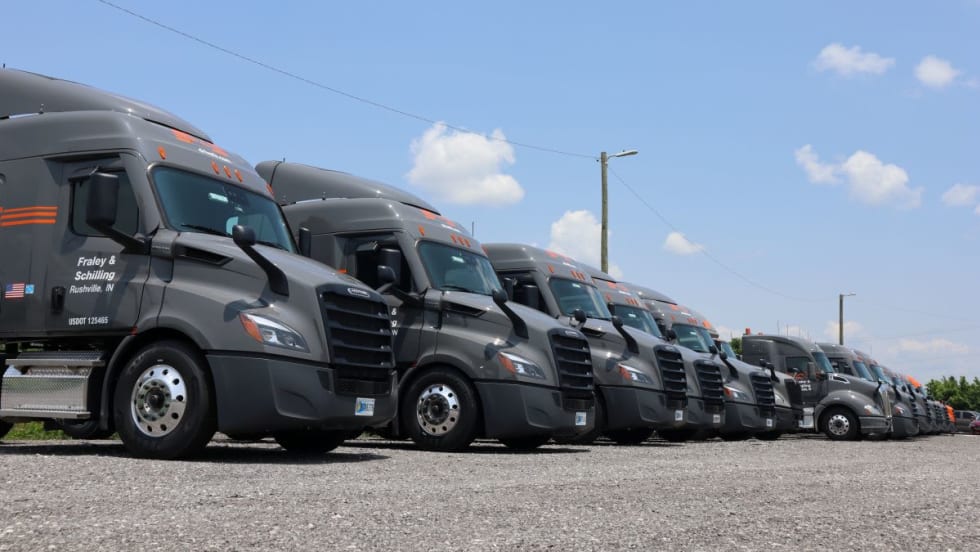
How Fraley & Schilling Improved Logbook Compliance by Over 50%
Fraley & Schilling needed a way to close a compliance workflow gap in its ELD system without adding more work from driver training, reminders, and back-office follow-ups. It found the answer in a custom driver app.
Read More →
Volvo Goes Gaming
Volvo has roared into American Truck Simulator with two new flagship trucks.
Read More →
What the Best Fleets to Drive For Teach About Driver Retention
Survey fatigue, AI-powered routing, owner-operator expectations, and the decline of social media all emerged as themes from this year's Best Fleets to Drive For program.
Read More →
Driver Retention Lessons From the Best Fleets to Drive For
What separates trucking's best workplaces from the rest? Jane Jazrawy shares the biggest lessons from this year's Best Fleets to Drive For program on driver retention, communication, AI, and workforce trends on the HDT Talks Trucking podcast.
Read More →
Farewell, CDL: Why I'm Giving Up My Commercial Driver's License
After more than 20 years as a CDL holder, HDT Executive Editor Jack Roberts is letting his commercial license expire. Not because he wants to — but because trucking's nuclear verdict crisis has made the risks of public-road test drives too great for editors, manufacturers, and everyone involved.
Read More →
How Top Trucking Fleets Improve Driver Retention [Video]
What do healthy snacks, optimized routing, and just picking up the phone have in common? They're all strategies the Best Fleets to Drive For are using to retain truck drivers.
Read More →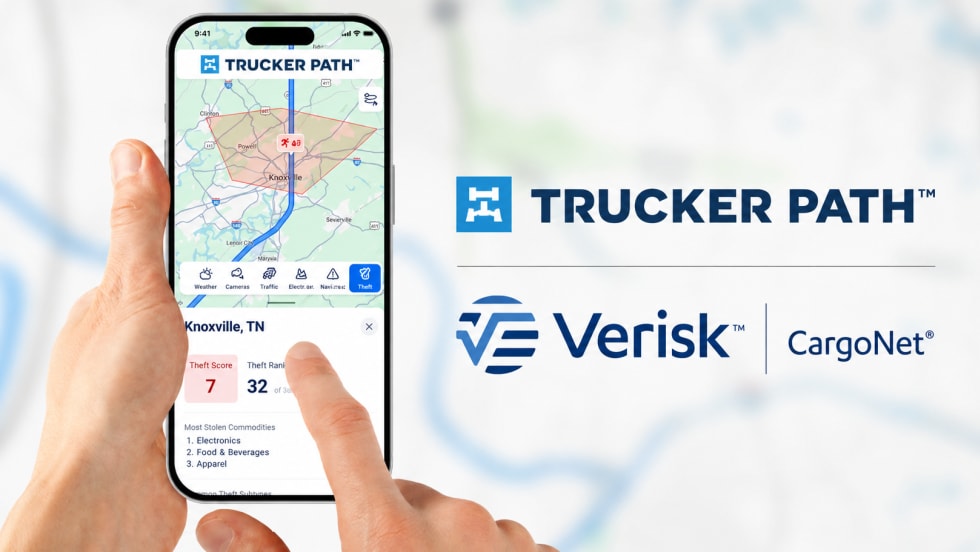
Trucker Path Adds Verisk CargoNet Theft Data to Navigation Platform
Trucker Path’s new cargo theft risk overlays give drivers and fleets visibility into high-risk areas, stolen commodity trends, and theft hotspots.
Read More →