





Related: ATA’s Spear Sees Trucking as “Test Bed” for Autonomous Technology
FMCSA’s DeLorenzo: Move to ELDs Benefits Everyone
As Joe DeLorenzo, director of the Federal Motor Carrier Safety Administration’s Office of Enforcement and Compliance, sees it, there are positive reasons why all motor carriers need to be conscious of the upcoming electronic logging device mandate deadline of December 18, 2017.
February 28, 2017

FMCSA's DeLorenzo. Photo: Stephane Babcock
3 min to read

FMCSA's DeLorenzo. Photo: Stephane Babcock
PHOENIX-- As Joe DeLorenzo, director of the Federal Motor Carrier Safety Administration’s Office of Enforcement and Compliance, sees it, there are positive reasons why all motor carriers need to be conscious of the upcoming electronic logging device mandate deadline of December 18, 2017.
“There’s a lot of benefits for all of us towards our goal of making sure the transportation environment is as safe as possible,” said DeLorenzo, addressing attendees of the Omnitracs Outlook conference here on Feb. 28. He said that includes gaining shorter inspection times. “That’s 15 minutes you get back in productivity for your drivers.”
But to enjoy the benefits, as well as to be in compliance, fleets need to preplan, according to DeLorenzo, who added that while the hours of service regulations have not changed, the use of ELDs has changed the landscape.
“There’s more transparency into what drivers are doing,” said DeLorenzo. “So I’d be looking ahead now at what your operation looks like and how to construct that to make the sure the ELD implementation goes smoothly.”
The biggest mistake, according to DeLorenzo, is taking things for granted and then waiting until the last second, and then finding out that some issue makes compliance that much more difficult. In answering his most commonly asked question – Who needs an ELD? – DeLorenzo answered it simply: “If you’re a driver who uses a logbook, you will need an ELD.”
For those with concerns about transferring data during an inspection, DeLorenzo agreed that problems may arise, which is why drivers have numerous options, including printouts, allowing for a screen display that is easily visible to law enforcement, emailing the records, or allowing the inspector to download it via a USB device or Bluetooth.
Towards the end of his presentation, DeLorenzo looked ahead to the upcoming Drug and Alcohol Clearinghouse requirements, which will be implemented in January 2020.
“There’s a lot of misunderstanding,” said DeLorenzo. “But it’s an important rule that is going to being a big increase in safety.”
The main point of the rule, according to DeLorenzo, is to provide information to motor carriers about drivers that have had positive drug and alcohol tests and whether those drivers have completed the steps they need to return to duty.
In terms of reporting, he said the rule will require employers, third-party administrators and medical review officers to report any violations to the clearinghouse, as well as reports from substance abuse professionals about driver completing any mandatory return-to-duty and/or alcohol rehabilitation programs.
In terms of querying the system, employer will need to do so during the pre-employment screening process and during a driver’s annual verification. Drivers will also be notified electronically (if registered) any time information is added, modified or removed from the clearinghouse. No fees will be assessed for drivers to access their information.
More Fleet Management
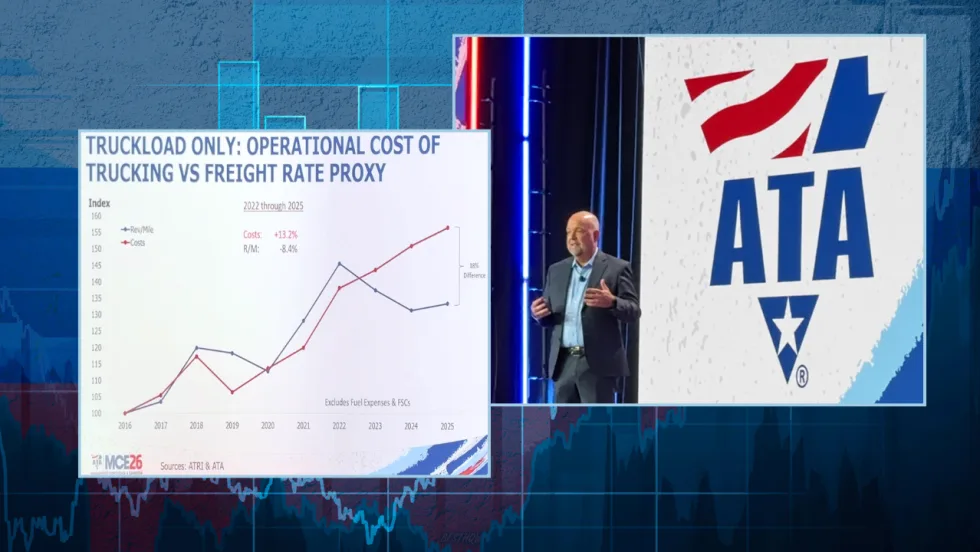
Why This Trucking Recovery Is Different
Freight demand remains sluggish, but rising costs and tougher enforcement have taken enough capacity out of the market to change the outlook for motor carriers.
Read More →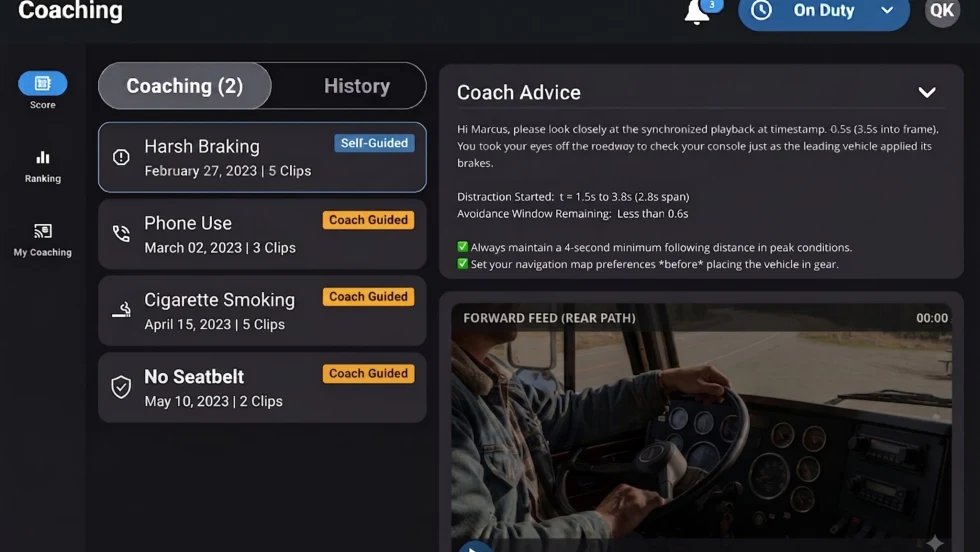
Platform Science Adds Dispatch and Safety Tools
Four additions to PS Fleet help fleets monitor loads, manage driver coaching, share truck locations and adjust video system settings.
Read More →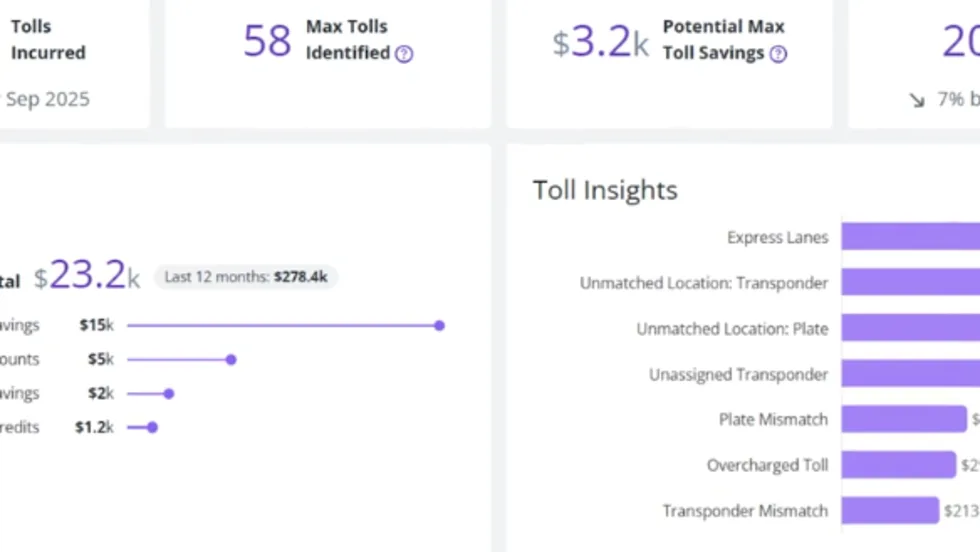
PrePass Intelligence Mines Fleet Bypass, Toll and Safety Data
PrePass Intelligence helps fleets measure bypass savings, flag potential toll overcharges, and spot suspicious transactions by combining data from separate systems.
Read More →
Motive Adds AI Agents for Fleet Operations
New tools automate follow-up on fleet data, from maintenance work orders to driver alerts, with two-way voice conversations planned for later this year.
Read More →
Can You Beat Our Trucking Trivia Challenge?
Test your truck knowledge with 19 trivia questions from Heavy Duty Trucking Exchange. Can you keep up with the fleet pros?
Read More →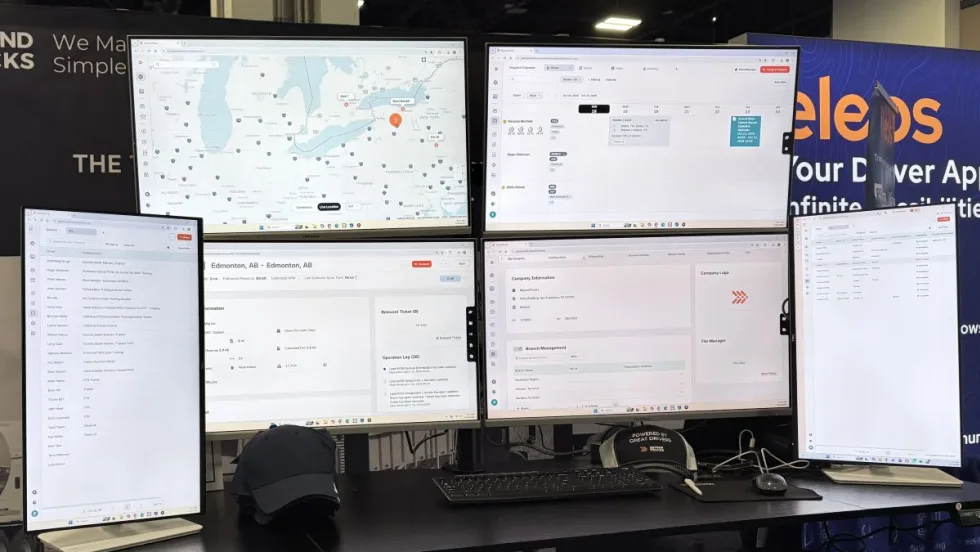
BeyondTrucks Adds Rules Checks to Dispatch
New Compatibility Engine checks driver qualifications, equipment requirements and fleet policies before loads are dispatched.
Read More →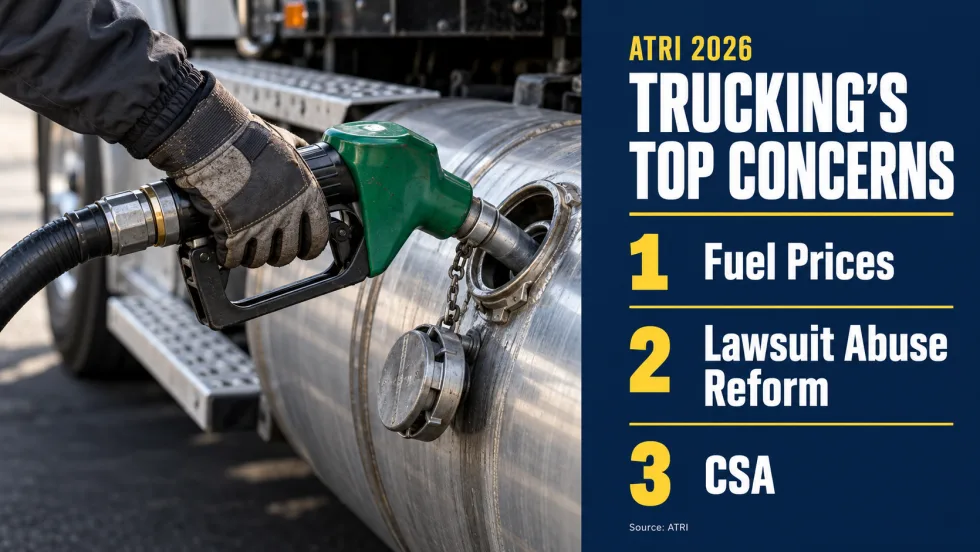
Diesel Prices Hijack Trucking’s Worry List
ATRI’s annual survey finds cautious optimism about freight, but diesel costs, litigation, and insurance continue to squeeze fleets. Drivers have different priorities on several issues.
Read More →
Nomination Deadline Extended for HDT Emerging Leaders
Just a few more days to nominate accomplished trucking fleet professionals under 40 who are making an impact and helping lead the industry forward for the HDT Emerging Leaders award. Deadline extended to October 20!
Read More →
What Will ATA’s New Leader Bring to Trucking's Table?
Incoming President and CEO Mark Colson’s record in Alabama offers clues about his priorities and approach following Chris Spear’s abrupt departure as the head of the American Trucking Associations.
Read More →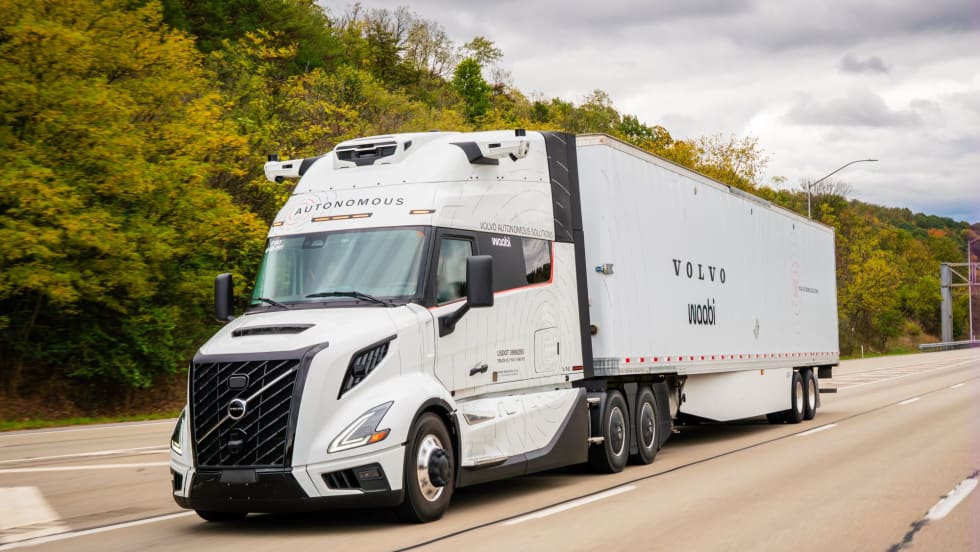
Volvo, Waabi Start Commercial Autonomous Operations in Texas
Volvo VNL Autonomous trucks, powered by the Waabi Driver, are hauling freight directly to third-party facilities for a customer in Texas.
Read More →