




Isuzu Announces South Carolina Truck Assembly Plant
Isuzu has purchased a 1,000,000 square foot facility on 200 acres of land that it is converting into a state-of-the-art, Isuzu-run, assembly plant.

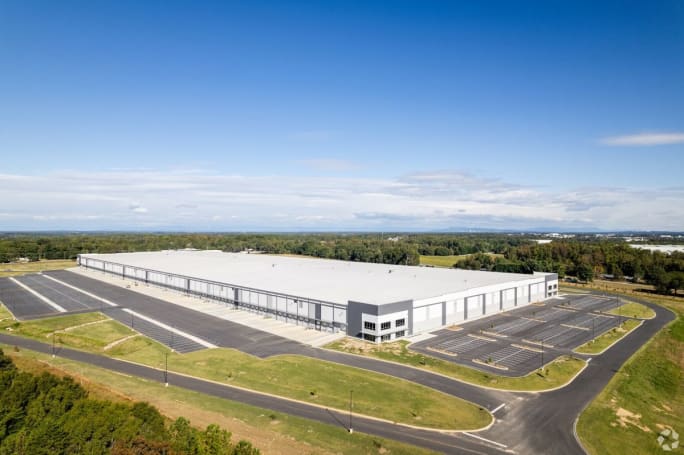
Isuzu North America Corporation has announced that it is establishing a new production base in Greenville County, South Carolina to expand its vehicle supply capabilities in anticipation of the electrification of commercial vehicles in North America.
The company has purchased a 1,000,000 square foot facility on 200 acres of land that it is converting into a state-of-the-art, Isuzu-run, assembly plant.
A New Production System
The new assembly plant will introduce a variable-model, variable-volume production system that produces both internal combustion engine vehicles and electric vehicles.
It will be the first facility in the Isuzu Group to use a production line without conveyors or pits, a highly advanced line that maximizes flexibility and scalability.
In addition, the plant’s quality assurance system will automate inspections to eliminate operational errors, ensure traceability of parts, and introduce image inspections and other methods to prevent the leakage of defective products.
The size of the Greenville plant will enable Isuzu to consolidate all production-related operations under one roof. This will include KD storage and processing, parts storage, vehicle production and PIO operations. It will also allow for streamlining processes and improving efficiency, the OEM said.
The campus also has sufficient acreage to store all completed trucks at a single site. The plant will give Isuzu direct control over all assembly and logistics operations and will provide Isuzu with the flexibility and speed to meet the demands of a quickly evolving North American commercial vehicle market.
Optimal Location and Space
The plant is located close to the region’s main interstate corridor, I-85, which connects Greenville to Atlanta, GA and Charlotte, NC, and to I-26, which connects to the deepest port on the eastern seaboard, the Port of Charleston.
Isuzu worked closely with state and county officials in its selection of the site. Greenville County, in the Upstate region of South Carolina, is one of the fastest-growing industrial markets in the country and has a readily available labor pool for operations within the plant as well a skilled workforce coming out of nearby colleges.
The region already has a large and growing automotive production base that will be further enhanced by Isuzu’s operations.
Isuzu’s total investment in the plant (including land, building, tooling and equipment) is expected to equal approximately $280 million dollars. The plant will have a production capacity of 50,000 units by 2030 and will initially produce Isuzu N-Series Gas, N-Series Electric, and F-Series diesel trucks.
Initial assembly operations will begin in 2027 and will further expand in 2028, at which time, the plant is expected to employ more than 700 people.
Noboru Murakami, president of Isuzu North America Corporation, stated: “The establishment of an Isuzu-owned and operated production base in the United States reflects both Isuzu’s commitment to, and success in, the North American market. The plant will be optimally designed for our needs, streamline our processes, provide us with flexibility to react to changing market conditions, and position us for even greater growth in the North American Market.”
Isuzu Trucks entered the North American truck market in 1984, and the company sold 44,000 units in the last fiscal year, its highest total ever.
In addition to expanding its production base in North America, the company aims to increase its procurement of components necessary for the production of battery electric vehicles (BEVs), and to further expand its advanced automotive technology research and development initiatives in North America.
More Equipment
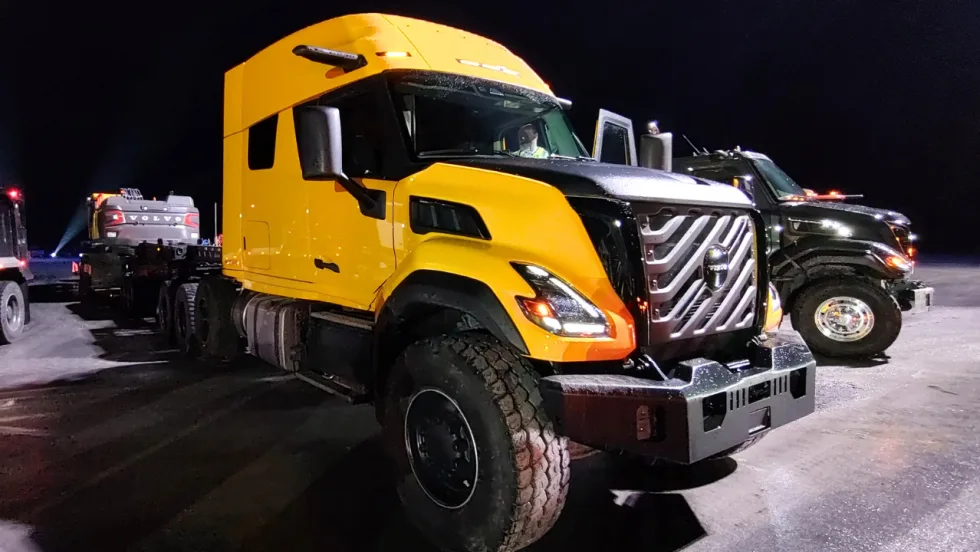
Volvo Unveils New VNX Heavy-Haul and Vocational Truck
Volvo Trucks has launched the VNX, a new vocational truck also available as a tractor in day cab and two sleeper configurations, with one heavy-haul model. The Volvo VNX is powered by Volvo's D13 platform, which delivers up to 540 horsepower and 1,950 pound-feet of torque and is EPA 2027-compliant.
Read More →
How GP Transco Cuts Trucking Fuel Costs, a Tenth of a Gallon at a Time
What’s another tenth of a mile per gallon worth? GP Transco shares how equipment upgrades and driver coaching turn small gains into meaningful fuel savings.
Read More →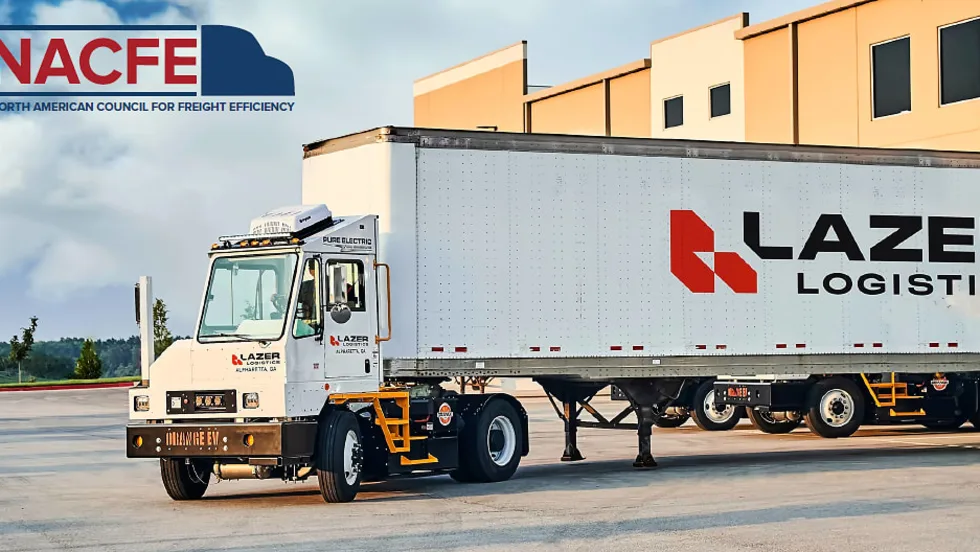
Electric Yard Tractors Move Beyond Pilots
Operating-cost savings have overtaken sustainability goals as the leading reason surveyed fleets are adopting battery-electric terminal tractors, according to new NACFE research.
Read More →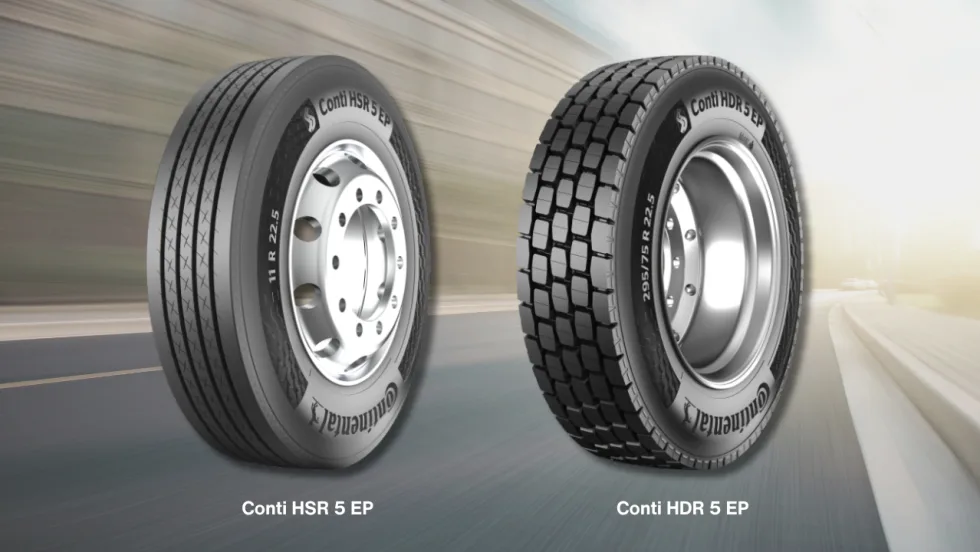
Continental Introduces New Regional Truck Tires
Continental says its new Generation 5 steer and drive tires for regional operations offer longer tread life, with estimated mileage gains of 22% and 19%, respectively.
Read More →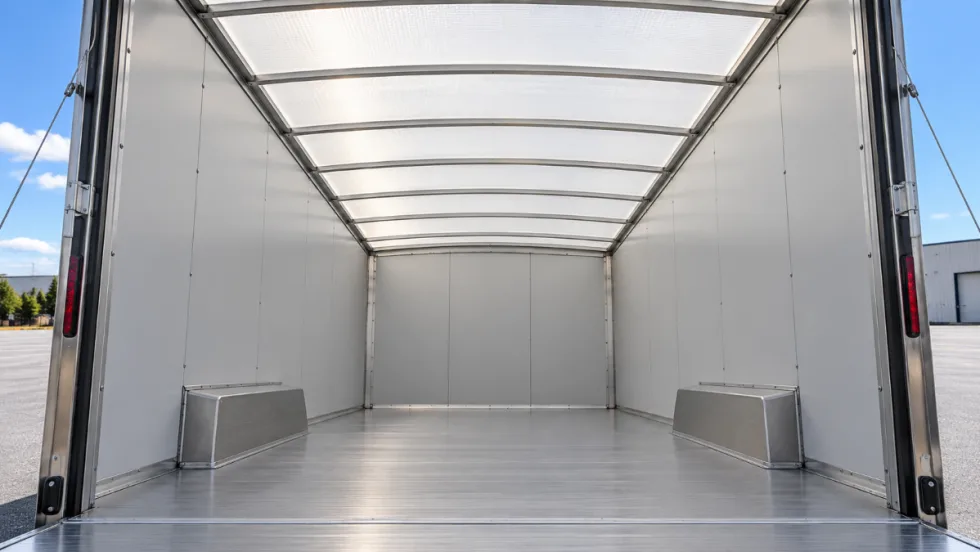
Tekmodo Introduces CargoBright Brand for Translucent Trailer Roofs
CargoBright is designed to diffuse daylight across the cargo area while performing as a working vehicle roof.
Read More →
Fleet Economics Shape Electric Truck Outlook
ACT Research expects costs, charging infrastructure, and technology improvements to drive zero-emission commercial vehicle adoption as federal regulations and incentives retreat.
Read More →
Kodiak Targets Dallas–Houston for Driverless Trucks
The company says its autonomous trucks are completing the I-45 run without a safety observer taking control. It plans to remove the observer by the end of 2026.
Read More →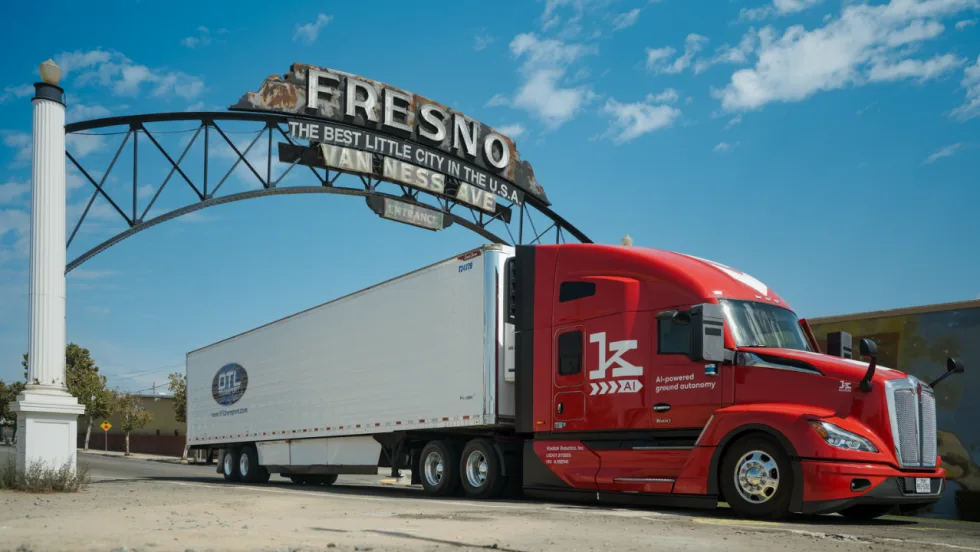
Kodiak Hauls Produce in California Autonomous Truck Pilot
Kodiak AI and DTL Transport have begun hauling produce between Fresno and Los Angeles under California’s new rules for testing heavy-duty autonomous trucks. A safety driver remains behind the wheel.
Read More →
Used-Truck Remarketing Math Is Changing
Used-truck value is no longer just a concern at trade-in. Decisions made throughout a truck’s first life can influence what it’s worth years later.
Read More →
How Volvo Updated Its D13 for EPA 2027 [Watch]
Volvo’s updated D13 promises lower emissions without sacrificing performance or fuel economy. Take a closer look at what changed inside the engine in this HDT Spotlight video.
Read More →