




New Castrol Program for Greener Used Oil Disposal
Castrol and Safety-Kleen say their new Castrol MoreCircular program can reduce the carbon footprint of lubricants used by businesses such as trucking fleets.

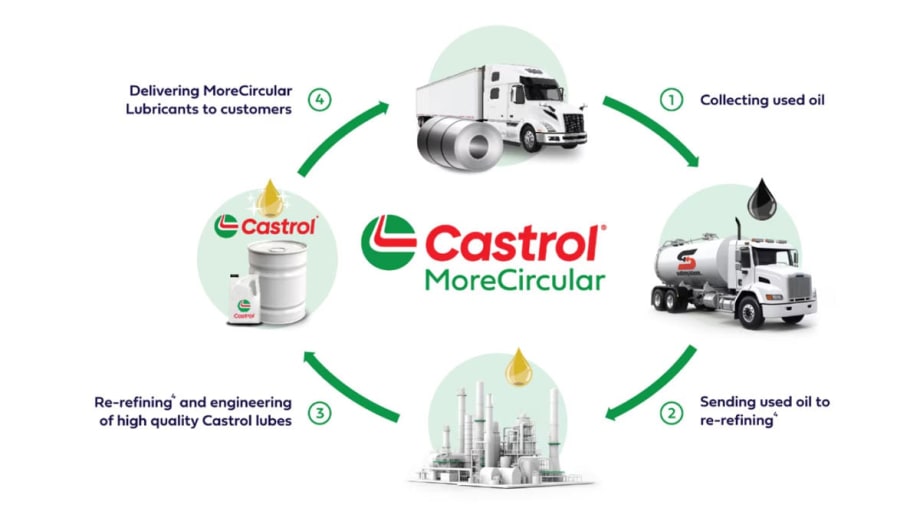
Castrol and Safety-Kleen say they have developed a truly circular lifecycle for used lubricants.
Source: Castrol
Castrol’s new program, Castrol MoreCircular, collects used oil from business customers, re-refines it, and uses the re-refined base oil in premium lubricants. It’s designed to reduce the carbon footprint of lubricants used by businesses such as trucking fleets.
The program, announced at the Advanced Clean Transportation Expo in Las Vegas, was created in collaboration with Safety-Kleen, an environmental services subsidiary of Clean Harbors.
The Castrol MoreCircular offer combines Castrol’s lubricant technology with Safety-Kleen’s geographic reach and expertise in collecting and re-refining used oil.
Successful trials with a number of Castrol business customers demonstrated the high-quality, high-performance attributes of these lower carbon footprint lubricants, which showed the same performance as the version containing virgin base oil, according to the announcement.
How Castrol’s MoreCircular Used-Lubricant Program Works
The program starts with the collection of used lubricants from customers such as fleet maintenance shops and industrial sites.
The used oil is then re-processed, enabling around 70% of it to be recovered as base oil.
Re-refined base oil is combined with Castrol’s technology to blend premium lubricants, resulting in an estimated 20-40% lower carbon footprint compared to Castrol’s traditional products.
These lubricants achieve a lower carbon footprint by using re-refined base oils in place of some or all of the virgin base oils traditionally present in Castrol lubricants, resulting in lower cradle-to-gate production emissions.
Ploger Transportation Nears the 100,000-Mile Drain Interval Mark
Re-refined base oil makes up at least 65% of the base oil in each MoreCircular lubricant; the size of the carbon footprint reduction depends partly on the percentage used.
Of the more than 1 billion gallons of used oil generated annually in the United States, only around 20% are currently re-refined back to base oils, according to Castrol.
“Our ability to collect used oil from across the country and reprocess a waste product means that much of it can be used again and again,” said Andreas Osbar, CEO of Castrol Americas.
“We believe the time is right to lead the market with an integrated more circular — and as a result, lower-carbon-footprint — offer as our business customers are searching for levers to help de-carbonize their operations.”
More About Used-Oil Re-Refining
Safety-Kleen Sustainability Solutions is America’s largest collector of used oil, according to the company, with more than 200 branch locations that collect more than 250 million gallons annually.
Castrol and Safety-Kleen explained that it’s not possible to re-refine 100% of the used oil.
While used oil can theoretically be re-refined many times, there are some yield losses in the re-refining process, with each re-refining process typically converting around 70% of the used oil back to base oil.
In addition, some used oil cannot be re-refined, either due to contamination or re-refining proximity. However, Safety-Kleen said 95% of used oil it collects is re-refined.
From the HDT Archives: Going Green With Re-Refined Oil
More Maintenance
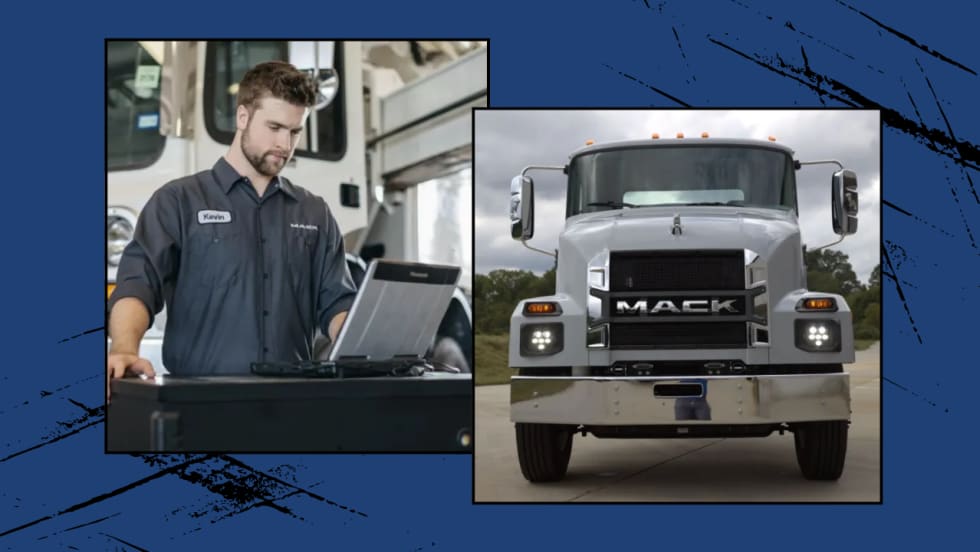
Mack Expands Premium Service Contract Coverage to Medium-Duty MD
With a service contract, inspections, preventive maintenance and repairs can be handled in a single visit instead of multiple ones.
Read More →
Maintenance in the Messy Middle Part 5: Battery-Electric Trucks
No oil changes. No diesel exhaust fluid. No exhaust aftertreatment. But NACFE battery-electric trucks still require specialized maintenance procedures.
Read More →
Trucking Fleets Faced Record Operating Costs During Third Year of Freight Recession
ATRI's annual operational cost report shows carriers trimmed fleets, delayed equipment purchases, and ran older trucks as expenses continued to outpace freight rates.
Read More →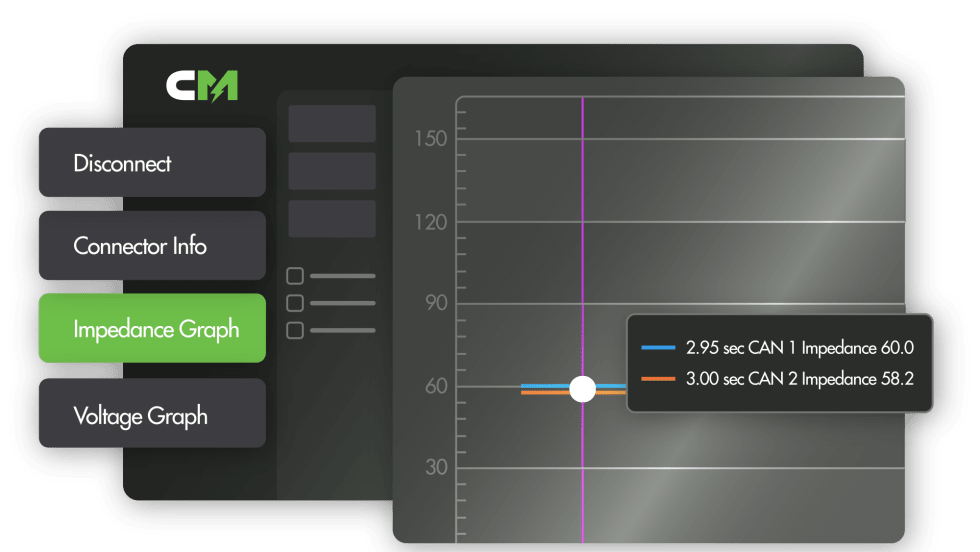
Noregon Launches CAN Mentor to Simplify Vehicle Network Diagnostics
New Noregon software helps technicians identify CAN network issues without requiring advanced diagnostic equipment or specialized training.
Read More →
Maintenance in the Messy Middle Part 4: Renewable Natural Gas
The keys to running renewable natural gas as a fleet fuel depend on specialized technician training, rigorous inspection schedules and an understanding of high-pressure fuel systems.
Read More →
Mack Adds 'Lock & Leave' Feature to Simplify Over-the-Air Software Updates
Mack’s new OTA enhancement allows drivers to start eligible software updates, lock the truck and walk away.
Read More →
Maintenance in the Messy Middle Part 3: Biodiesel
Biodiesel can reduce emissions, improve fuel-system lubricity and use existing diesel infrastructure. But NACFE’s Messy Middle maintenance report says fleets must actively manage storage, cold-weather operation, filters and oil drain intervals to avoid problems.
Read More →
Rush Expands Gulf Coast Peterbilt Network With Louisiana Acquisition
The expanded Rush network gives fleets additional sales, service, leasing and collision repair support across Louisiana's major trucking markets.
Read More →
Is Your Parts Procurement Process Reactive or Proactive?
Ready to revamp your parts procurement process? Learn how now with “Strategic Parts Purchasing: A Process Checklist”
Read More →
Maintenance in the ‘Messy Middle’ Part 2: Renewable Diesel Fuel
NACFE's latest Messy Middle Powertrain Service & Maintenance report says renewable diesel gives fleets an opportunity to reduce carbon emissions without changing trucks, fueling infrastructure or maintenance practices. But technicians still need to understand several important operational differences.
Read More →