




The New York City Department of Sanitation has begun field testing Bosch Rexroth's Hydrostatic Regenerative Braking parallel hydraulic hybrid system.
The city wants to gauge the system's use for the department's refuse trucks. If the system checks out technically and economically, the department may install the technology in all existing and new fleet vehicles.
The hydraulic hybrid testing is part of a larger initiative by the department to assess the benefits of alternative drive technologies, especially with the potential for reducing fuel consumption and emissions.
Testing will take place in all five boroughs, to see how fuel efficiency and other aspects hold up in different neighborhoods, seasonal conditions and operating environments. The assessment will include braking tests, acceleration tests, route collection tests and dynamometer testing.
"The HRB system provides optimum fuel efficiency when vehicles undergo frequent braking and acceleration," said Michelle DuHadway, manager of parallel HRB accounts at Bosch Rexroth. "We're excited to see the system tested in a wide variety of settings, to obtain more real-world data that shows the HRB system can provide significant fuel savings and emissions reduction."
Used in a Crane Carrier Company LET2 truck and integrated with a Heil Environmental refuse body, the HRB system is equipped with a hydraulic pump, which is connected to the driveline. This pump sucks up energy from the driveline and imparts a retarding force on the drivewheels, pumping hydraulic fluid into a nitrogen-pressurized accumulator. While accelerating, pressurized gas pumps fluid out of the accumulator. The pump then performs as a hydraulic motor, helping the engine and decreasing the fuel required to launch the vehicle, a process known as regenerative braking.
"Bosch Rexroth's hybrid HRB technology and system can be integrated into most medium- and heavy-duty truck vocations without impacting the vehicle's configuration," said Crane Carrier Company's Glenn Pochocki, vice president of sales and marketing for refuse/chassis products. "The HRB system is designed to improve the vehicle's fuel economy, while improving brake system life with improved acceleration."
This is not the first time the company's technology has been tested in an urban environment. "We started our in-field testing of HRB last summer with a refuse customer in Berlin, Germany and are now introducing this proven technology in North America," said Ed Greif, vice president of engineering development hydraulics. "Field testing has verified our simulations and we anticipate similar success in the U.S."
Hydraulic hybrid systems are made to capture a large portion of the braking energy, which can lead to reduced brake maintenance costs and vehicle downtime benefits. The system is able to slow the vehicle without utilizing the foundation brakes as much, and this process expands the life cycle of the truck's brakes.
On average, the Department of Sanitation replaces brakes approximately once a year, which takes the truck out of service for at least two days. The department hopes to improve that figure by 50 percent or more with this technology.
Bosch Rexroth is a division of the Bosch Group, a leading global supplier in the areas of automotive, industrial, consumer goods and building technology, according to the company. The company has been involved in hybrid technology for more than 30 years.
More info: www.boschrexroth-us.com.
NYC Sanitation Puts Bosch Rexroth's HRB to the Test
The New York City Department of Sanitation has begun field testing Bosch Rexroth's Hydrostatic Regenerative Braking parallel hydraulic hybrid system
More Aftermarket
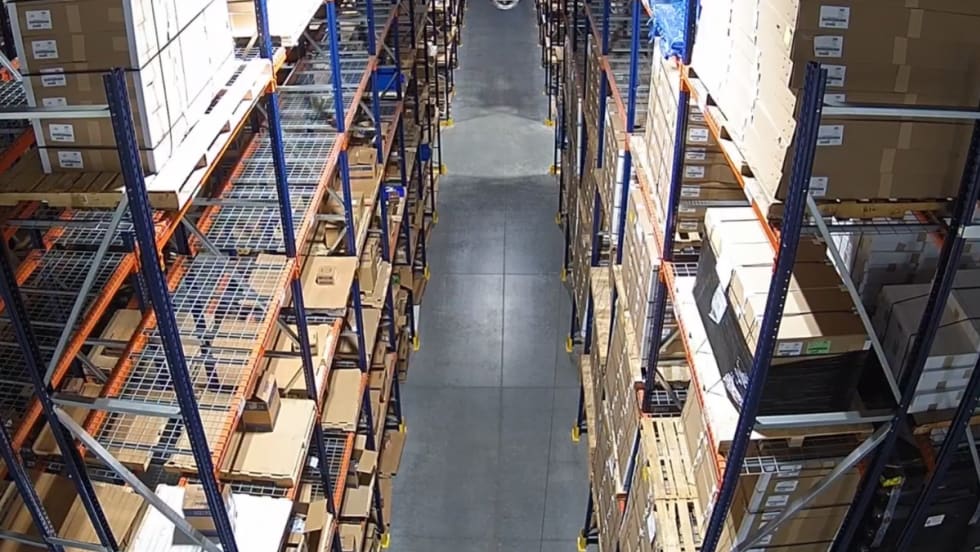
Phillips Opens High-Tech Distribution Center for Faster Parts Delivery
Phillips Industries’ new Cincinnati-area distribution center is now shipping aftermarket trucking parts nationwide, aiming to speed up delivery times for customers.
Read More →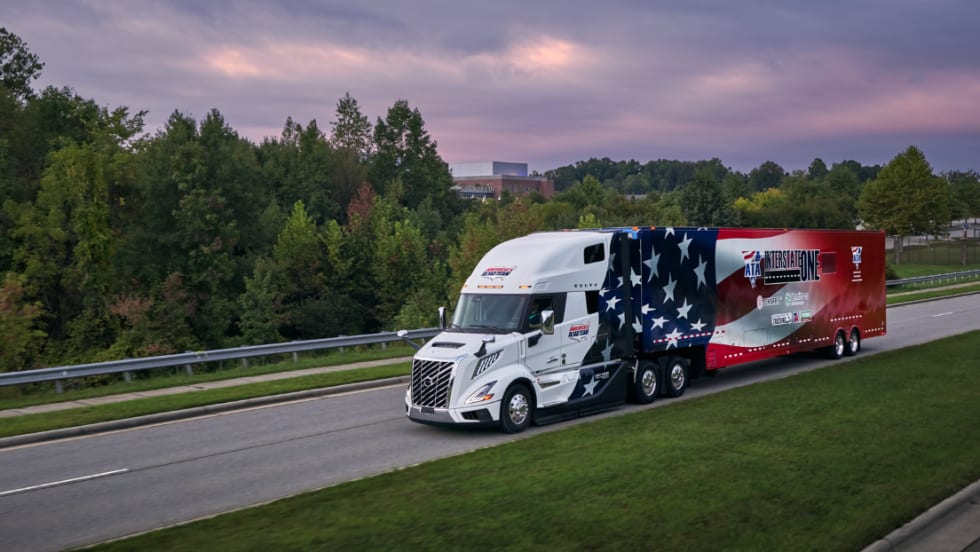
Volvo to Sponsor America’s Road Team for 2025
Volvo Trucks announced that it is extending its exclusive sponsorship of America’s Road Team for 2025.
Read More →
Webb to Start Taking Orders for UltraSet Pre-Adjusted Wheel Hubs
Webb, which recently acquired the Stemco Trifecta pre-adjusted hub program, will soon start taking orders for its replacement pre-assembled hub, the UltraSet.
Read More →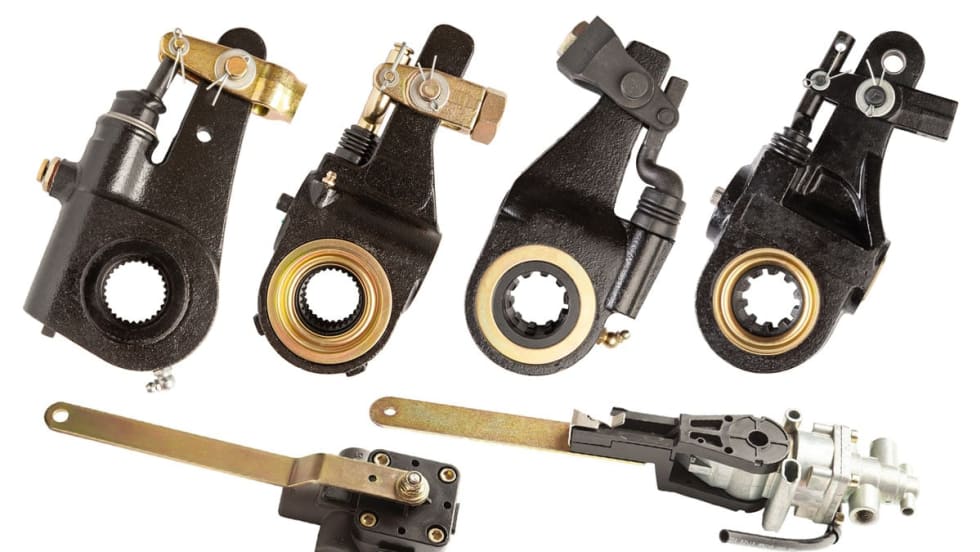
All-Makes Automatic Brake Adjusters, Ride Height Control Valves from Midland
SAF-Holland has added automatic brake adjusters and ride height control valves to its Midland All-Makes Program.
Read More →
ZF Aftermarket Expands [pro]Academy Training
ZF Aftermarket said it is expanding its ZF [pro]Academy training and will be adding 40 new modules this year.
Read More →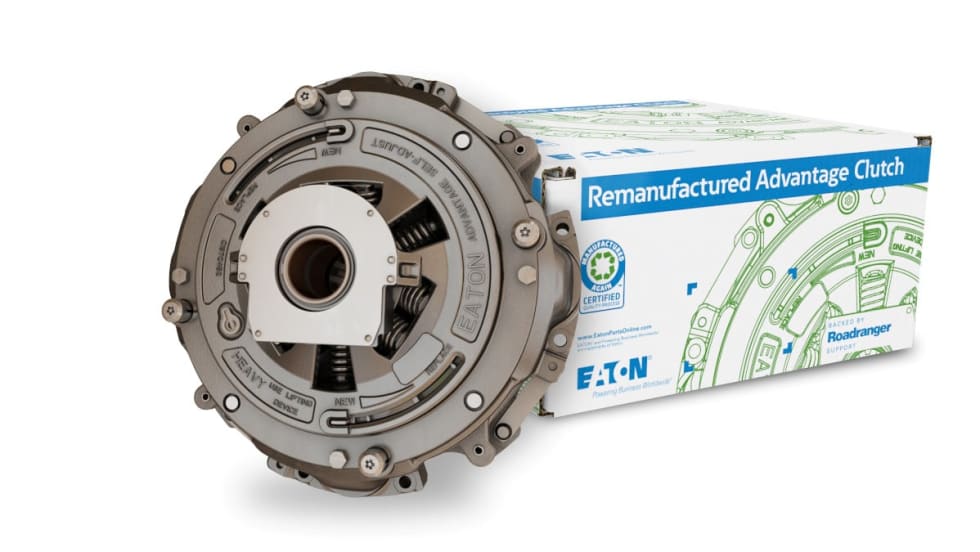
Eaton Adds Remanufactured Advantage Line of Clutches
Eaton has added its Advantage clutches to its remanufactured product line. The clutches feature a unique strap drive intermediate plate designed to allow customers to choose the latest OE specification
Read More →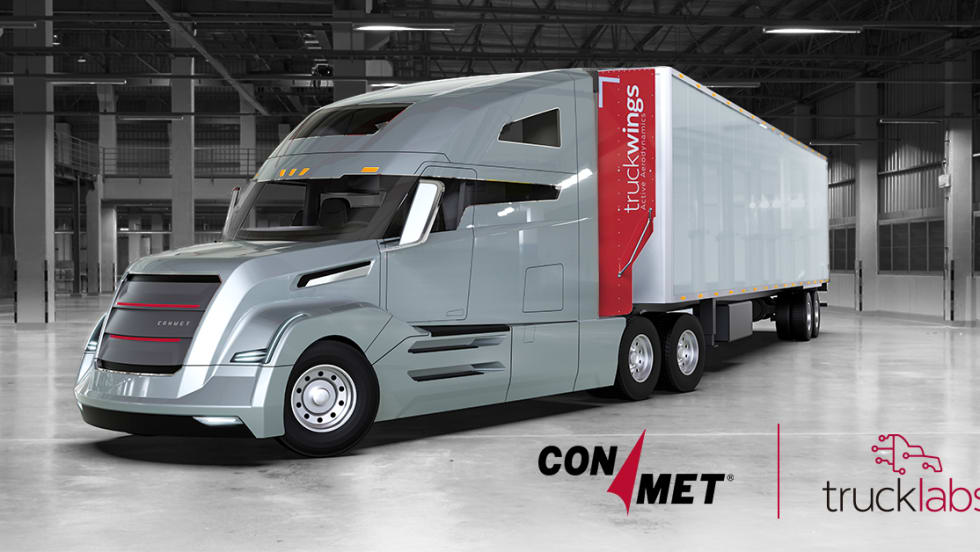
ConMet Acquires TruckLabs, the Creator of TruckWings
Commercial truck and trailer parts provider ConMet acquired TruckLabs, the company that created TruckWings, an aerodynamic device that attaches to truck cabs and deploys to close the gap between truck and trailer. TruckLabs now operates as a subsidiary of ConMet.
Read More →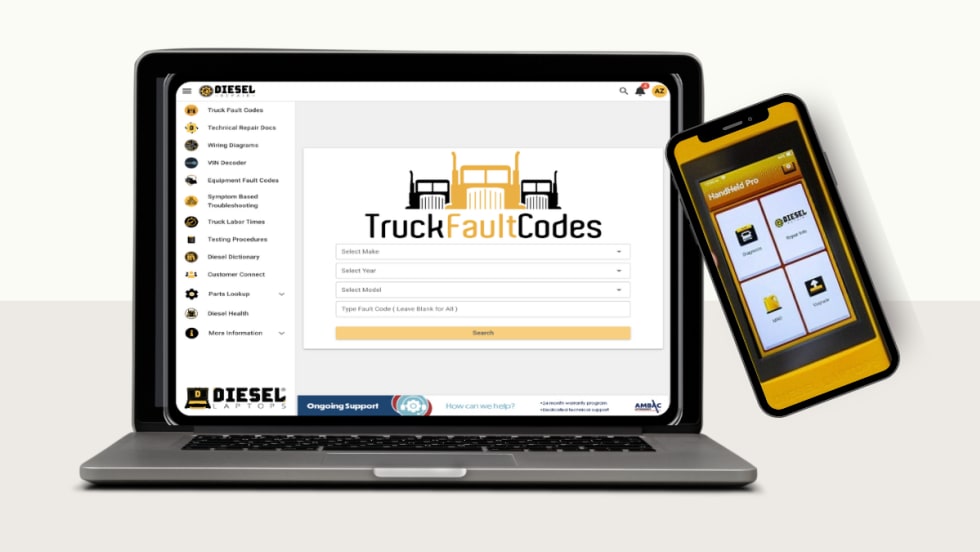
Diesel Laptops Releases Fault-Code-to-Part-Number Tool
Diesel Laptops said its Truck Fault Codes allows users to input a fault code and immediately identify and order the parts needed to complete repair work.
Read More →
Heavy Duty Parts and Labor Costs Dropped in Q2
A benchmarking report from TMC and Decisiv reveals good news for fleets as heavy-duty parts and labor costs dropped in the second quarter of 2023.
Read More →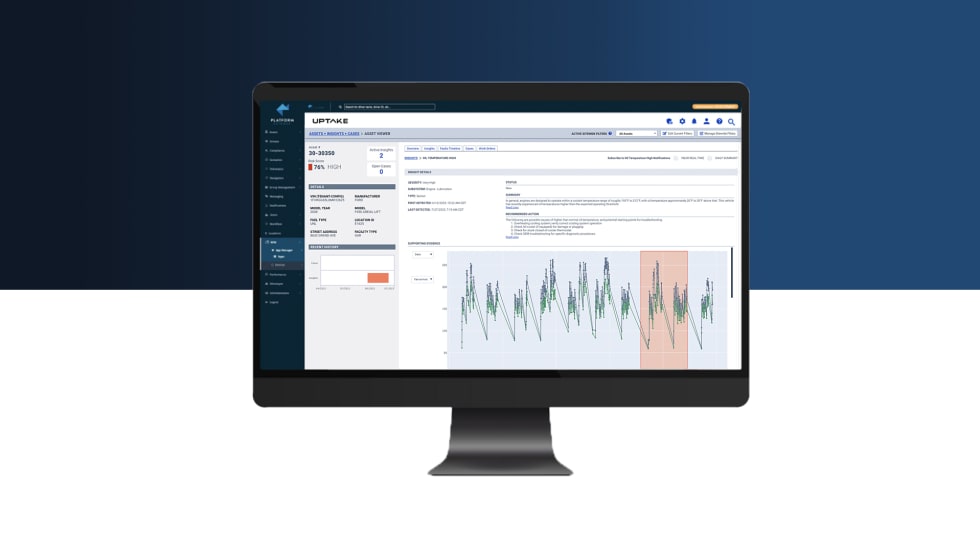
Platform Science, Uptake Partner on Predictive Maintenance Platform
Platform Science and Uptake have formed a partnership aimed at bringing a comprehensive predictive maintenance program to market for U.S. truck fleets.
Read More →