




EU: Trucks Must Cut CO2 Emissions 90% by 2040
EU's proposed carbon-dioxide standards for heavy trucks are more lenient than the combustion-engine ban for cars, but truck makers have concerns.

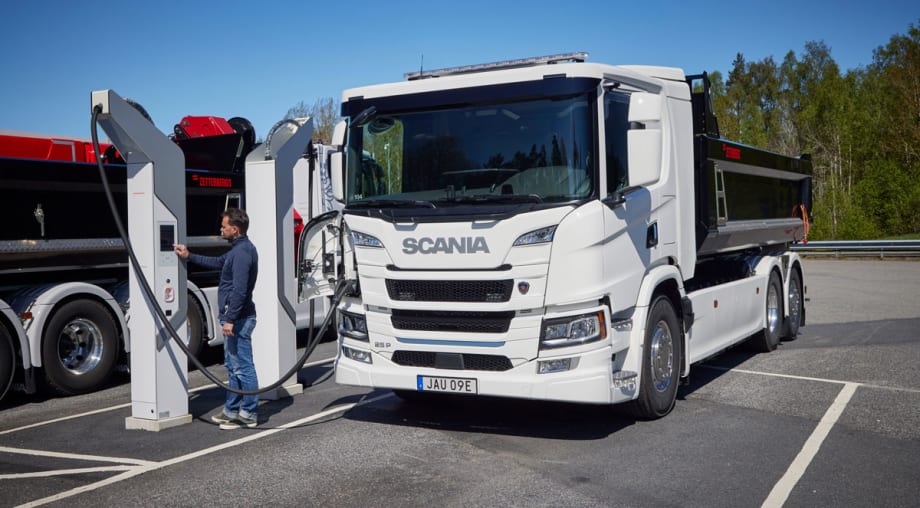
Scania has pledged to go beyond the EU’s new 90% carbon-reduction target for 2040.
Photo: Scania
The European Union may give heavy vehicles a little more time to meet strict carbon-dioxide emissions goals than the deadline for cars.
Trucks in the EU will be required to cut emissions to near zero by 2040 under new pollution targets announced Feb. 14 by the European Commission. The proposal still needs to be approved by the European Parliament and the Council of the European Union.
Heavy vehicles will be required to cut emissions by 45% by 2030, 65% by 2035, and 90% by 2040. This is more lenient than an EU-wide ban on internal combustion engines for new cars that starts in 2035.
Previously, the EU’s emission rules only covered heavy trucks. The commission proposes to expand the scope to include small and large trucks, city buses, long-distance buses, and trailers.
“Trailers as such do not have emissions obviously, but by setting stricter requirements for their energy efficiency (aerodynamics mainly), they will help reduce CO2 emissions from the main truck and enable longer distances when driving battery-powered engines or hydrogen powered fuel cells,” explained commission Executive Vice-President Frans Timmermans.
“We will eventually have to move to a 100% target, but at this stage we cannot yet say when all uses of trucks and buses can be made zero-emissions with the technologies currently available.”
'Ready to Deliver' — But What About Charging/Fueling Infrastructure?
While environmental groups criticized the government for not making heavy vehicles meet the same standards as light-duty cars and vans, European truck makers expressed concern.
We are ready to deliver,” stated Martin Lundstedt, ACEA’s commercial vehicle board chairman and CEO of Volvo Group. (ACEA is the European Automobile Manufacturers’ Association.) “However, reaching -45% already by 2030 is highly ambitious. It would require equally ambitious action by policymakers to ensure that the other players in the transport and logistics value chain deliver at the same time.”
A CO2 reduction of 45% by 2030 means that more than 400,000 zero-emission trucks would have to be on the road, and at least 100,000 new zero-emissions trucks registered annually, according to ACEA. This would require over 50,000 publicly-accessible chargers suitable for trucks to be in operation within just seven years, of which some 35,000 should be high-performance chargers (megawatt charging system). It would additionally require some 700 hydrogen refilling stations.
“Given that charging stations that are suited to the specific needs of trucks are almost completely missing today, the challenge ahead is enormous,” said ACEA Director General Sigrid de Vries.
ACEA also said it is alarmed by the lack of coordination between the new CO2 proposals and the Euro 7 proposal for heavy-duty vehicles published just a few months ago, which seeks to address tailpipe emissions from vehicles with internal combustion engines.
If accepted, the EU targets would be a world-leading standard for heavy-duty vehicles, according to the International Council on Clean Transportation.
ICCT also noted that Scania and Daimler Truck have both pledged to go beyond the 90% target, and to only sell zero-emission vehicles by 2040. Combined, the two manufactures account for about one third of all truck and bus sales.
More Fuel Smarts

Trucking’s Diesel Squeeze Isn’t Letting Up
With diesel topping $6 a gallon nationally, ATA's Bob Costello explains why fleets should prepare for continued pressure at the pump.
Read More →
FlowBelow Redesigns Trailer AeroSlider to Cut Fuel Use
The lighter trailer aerodynamic system installs in less than 45 minutes, according to the company, with potential payback in under a year depending on fuel prices and trailer mileage.
Read More →
Why Diesel Price Relief Efforts May Fall Short
Diesel prices have eased from September’s record high, but doubts about additional Russian supply and limits on dyed-diesel tax relief mean trucking fleets still face expensive fuel. And prices could go higher.
Read More →
Why Small Fuel Savings Matter in Trucking
Can better fuel economy help pay for driver raises? In this podcast, GP Transco explains how small efficiency gains create room to reinvest in its people.
Read More →
How GP Transco Cuts Trucking Fuel Costs, a Tenth of a Gallon at a Time
What’s another tenth of a mile per gallon worth? GP Transco shares how equipment upgrades and driver coaching turn small gains into meaningful fuel savings.
Read More →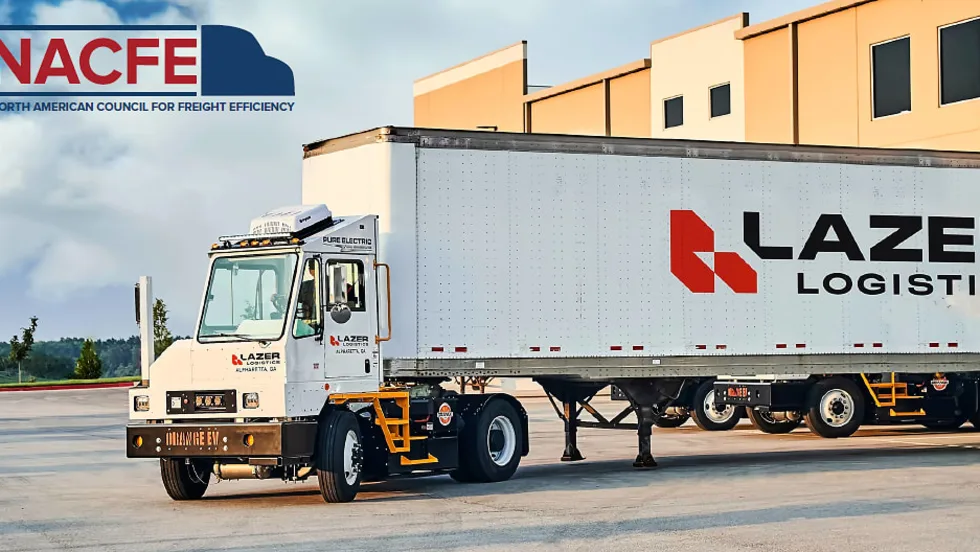
Electric Yard Tractors Move Beyond Pilots
Operating-cost savings have overtaken sustainability goals as the leading reason surveyed fleets are adopting battery-electric terminal tractors, according to new NACFE research.
Read More →
Geotab Links Fleet Card to Vehicle Data
The new card combines fuel discounts with telematics-based purchase controls. Geotab’s analysis also points to potential savings from choosing lower-priced fuel stops.
Read More →
Fleet Economics Shape Electric Truck Outlook
ACT Research expects costs, charging infrastructure, and technology improvements to drive zero-emission commercial vehicle adoption as federal regulations and incentives retreat.
Read More →
Wex Adds Cardless Fuel Payments for Over-the-Road Customers
A new fuel card feature for Wex customers offers convenience and security.
Read More →
New California Law Could Shed Light on Electric Truck Prices
Why do battery-electric Class 8 trucks remain so expensive? A California bill signed by Gov. Gavin Newsom would give fleets and state agencies more visibility into what manufacturers charge.
Read More →