





Weathering the Storm: How Truckers and Fleets Can Prepare for Hurricanes
Hurricane Ida Prompts Refinery Shutdowns, Limited Truck Service
Hurricane Ida hit Louisiana’s Gulf Coast as a Category 4 storm on Aug. 29, leading to widespread flooding and power outages across the state and shutdowns at major refineries along the Mississippi River.
August 30, 2021
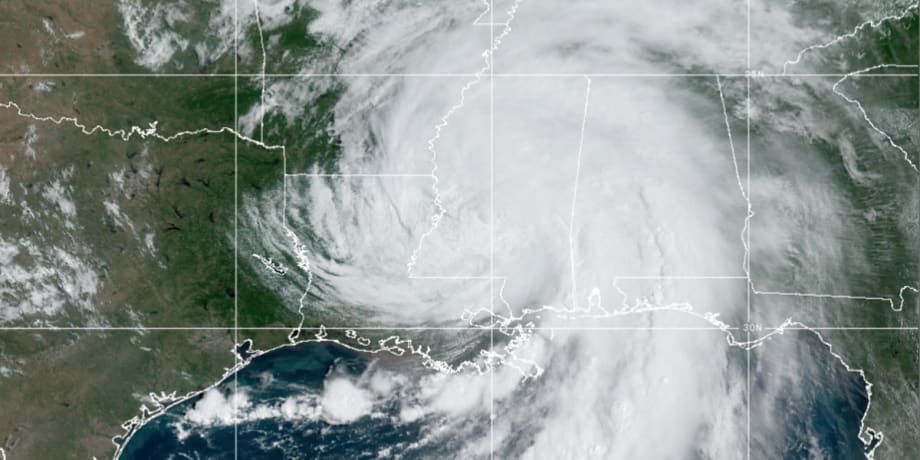
Hurricane Ida hit the Louisiana’s Golf Coast as a Category 4 storm on Aug. 29. The storm is now a tropical depression.
Screenshot: NOAA
3 min to read
Hurricane Ida hit Louisiana’s Gulf Coast as a Category 4 storm on Aug. 29, leading to widespread flooding and power outages across the state and shutdowns at major refineries along the Mississippi River.
Heavy rainfall through the morning of Aug. 31 from remnants of the hurricane are expected to result in extreme flooding conditions throughout Louisiana and parts of Mississippi and Alabama. The flood waters, debris and evacuation orders have already caused ports and some fleets and truck stops to close or limit operations. High water rescues are ongoing, the National Weather Service in New Orleans tweeted on Aug. 30.
Some examples of hurricane's effects:
Truck stops in evacuation zones were closed, including Louisiana locations for Love’s Travel Stops and Pilot Flying J.
(1 of 3) HURRICANE IDA UPDATE 8/30/21 12:35 PM EST: Safety continues to be our #1 priority following Hurricane Ida. Our teams are working hard to restore service as quickly and as safely as possible to help recovery and relief efforts.
— Pilot Flying J (@PilotFlyingJ) August 30, 2021
The ports of New Orleans, Baton Rouge, Gramercy, and Morgan City in Louisiana and the Port of Pascagoula in Mississippi are closed.
As of Aug. 30, Averitt was not accepting shipments destined for New Orleans or Baton Rouge, Louisiana, nor Jackson, Mississippi. The company also limited service to Mobile, Alabama, and Meridian, Mississippi.
As Ida moves further inland, considerable flooding impacts are possible across portions of the Lower Mississippi Valley, Tennessee Valley, Ohio Valley, Central and Southern Appalachians, and Mid-Atlantic.
Pipeline Shutdowns and Fuel Impacts
On Aug. 29, Colonial Pipeline (the largest fuel pipeline in the U.S.) temporarily shut down operation of two lines from Houston to Greensboro, North Carolina, as a precaution and “routine safety measure.” During that time, fuel supply was available through lines serving the northeast from Greensboro to Linden, New Jersey.
Less than 48 hours after Ida made landfall, all of the lines of the pipeline are expected to reopen, pending successful competition of restart protocols, Colonial Pipeline officials said in a press release.
At least nine refineries have reduced or shut down operations in advance of the storm; this accounts for about 13% of the total U.S. refining capacity, according to the U.S. Department of Energy’s Hurricane Ida situation report.
The Wall Street Journal reported that Marathon Petroleum, Valero Energy, Phillips 66 and Royal Dutch Shell shut roughly 8% of the nation’s refining capacity ahead of the storm.
About 1.74 million barrels a day, or 95.7% of crude production, was shut-in as of Aug. 19, according to the Bureau of Safety and Environmental Enforcement.
Just over half of total U.S. refining capacity is in the Gulf Coast region. Gulf Coast refinery production is critical for supplying fuels to markets in the high-demand East Coast region, according to the DOE.
Products move out of the Gulf Coast region on the Colonial and PPL pipeline systems to Southeast and Central Atlantic markets, and via tanker and barge to Florida. The Gulf Coast refineries export approximately 20% of production to foreign countries.
Prolonged refinery shutdowns could push gas and diesel prices higher, analysis believe, especially if the capacity is shut down for an extended time. And due to increased demand from evacuees, there are also likely to be limited temporary localized retail fuel station disruptions, DOE officials said.
HOS Exemptions and Relief Efforts
The Federal Motor Carrier Safety Administration issued a waiver from hours-of-service rules for truck drivers supporting relief effects for Hurricane Ida. Under the emergency ruling, certain carriers in Alabama, Arkansas, Louisiana, Mississippi, Tennessee and Texas, are exempt from 49 CFR Part 39.5.
American Trucking Associations has set up a relief fund for those impacted by the disaster in Lousiana and Mississippi.
We need YOUR help! When natural disasters hit, the trucking industry is there, quickly, without hesitation. To help ATA's efforts in Hurricane Ida relief, please donate at https://t.co/W6cettdhiXpic.twitter.com/y5P7iSA14G
— LEAD ATA (@LEAD_ATA) August 30, 2021
More Fleet Management

Can You Beat Our Trucking Trivia Challenge?
Test your truck knowledge with 19 trivia questions from Heavy Duty Trucking Exchange. Can you keep up with the fleet pros?
Read More →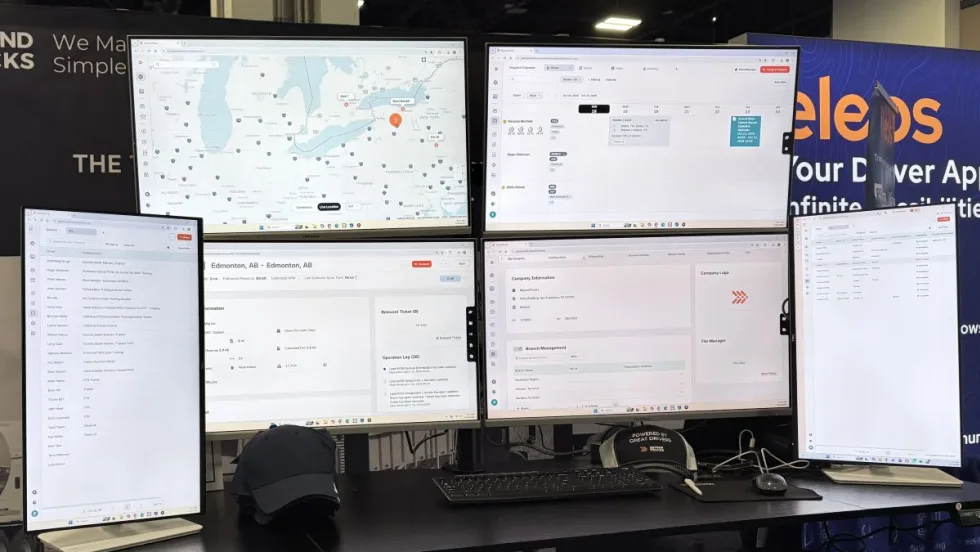
BeyondTrucks Adds Rules Checks to Dispatch
New Compatibility Engine checks driver qualifications, equipment requirements and fleet policies before loads are dispatched.
Read More →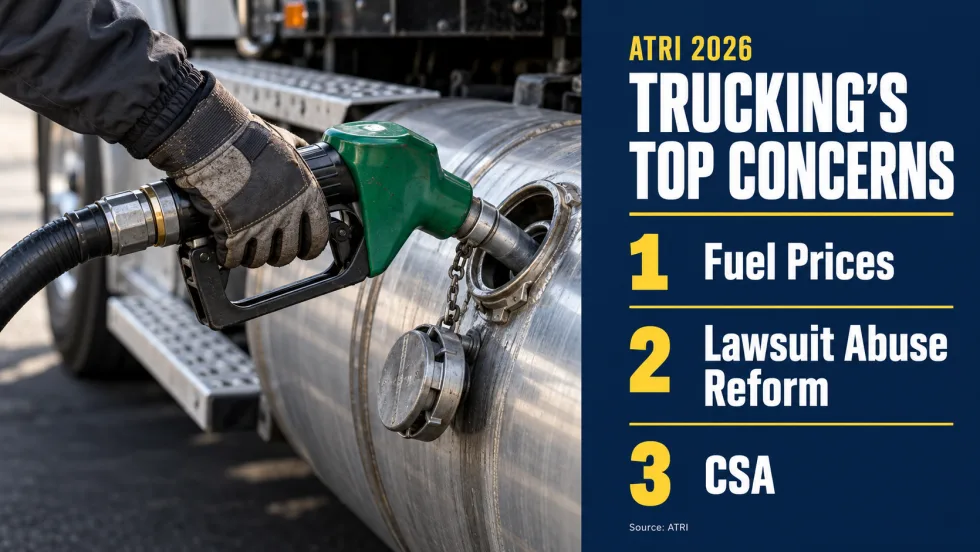
Diesel Prices Hijack Trucking’s Worry List
ATRI’s annual survey finds cautious optimism about freight, but diesel costs, litigation, and insurance continue to squeeze fleets. Drivers have different priorities on several issues.
Read More →
Nomination Deadline Extended for HDT Emerging Leaders
Just a few more days to nominate accomplished trucking fleet professionals under 40 who are making an impact and helping lead the industry forward for the HDT Emerging Leaders award. Deadline extended to October 20!
Read More →
What Will ATA’s New Leader Bring to Trucking's Table?
Incoming President and CEO Mark Colson’s record in Alabama offers clues about his priorities and approach following Chris Spear’s abrupt departure as the head of the American Trucking Associations.
Read More →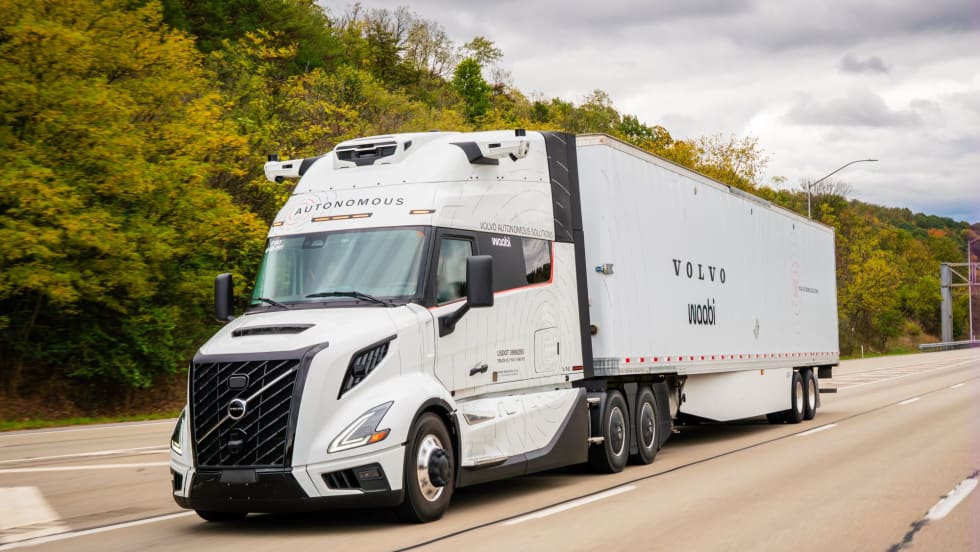
Volvo, Waabi Start Commercial Autonomous Operations in Texas
Volvo VNL Autonomous trucks, powered by the Waabi Driver, are hauling freight directly to third-party facilities for a customer in Texas.
Read More →
Samsara Launches Custom AI Agent Builder
Agent Studio lets fleets create AI tools for hours-of-service monitoring, reporting and driver support, including agents that communicate by phone.
Read More →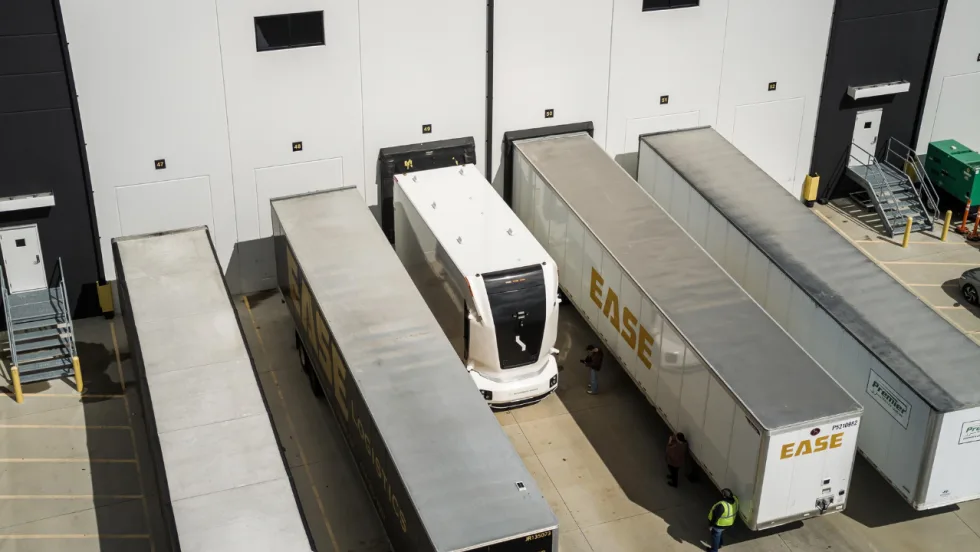
Einride Driverless Electric Trucks Begin Daily Freight Operations in Ohio
Two cabless electric trucks are hauling freight between EASE Logistics facilities in Marysville, Ohio, as part of a multi-state truck automation project.
Read More →
Geotab Links Fleet Card to Vehicle Data
The new card combines fuel discounts with telematics-based purchase controls. Geotab’s analysis also points to potential savings from choosing lower-priced fuel stops.
Read More →
How MFA Helps Protect Trucking Fleets
Multi-factor authentication adds protection when passwords are stolen. Here’s how it works and where fleets should start.
Read More →