




FTR: Trucking Conditions Eased Modestly in June
While market conditions for carriers might have peaked, they remain strong and are forecast to remain in the double-digit positive range for the rest of the year, FTR reports.


While market conditions for carriers might have peaked, they remain strong, FTR reports.
Graph: FTR
FTR’s Trucking Conditions Index (TCI) for June was strong, although it declined to 12.61 from a reading of 15.72 in May.
The easing in June primarily reflected slightly weaker freight volume and somewhat less robust freight rates. Partially offsetting those factors was slightly stronger capacity utilization. Overall, market conditions for carriers might have peaked, but they remain very strong and are forecast to remain in the double-digit positive range for the balance of 2021, FTR officials said in a press release.
“We are closing in on a full year during which market conditions were at least as favorable for trucking companies as they were at the height of the 2017-2018 truck freight market, and we expect those conditions to continue into 2022," Avery Vise, FTR’s vice president of trucking, said. "With the pandemic potentially reemerging as an economic factor, downside risks are rising. However, a tight labor market and depleted retail automotive inventories, among other factors, should bolster freight volumes and utilization in the months ahead.”
The TCI tracks the changes representing five major conditions in the U.S. truck market. These conditions are: freight volumes, freight rates, fleet capacity, fuel price and financing. The individual metrics are combined into a single index indicating the industry’s overall health. A positive score represents good, optimistic conditions. Conversely, a negative score represents bad, pessimistic conditions. Readings near zero are consistent with a neutral operating environment, and double-digit readings in either direction suggest significant operating changes are likely.
More Fleet Management
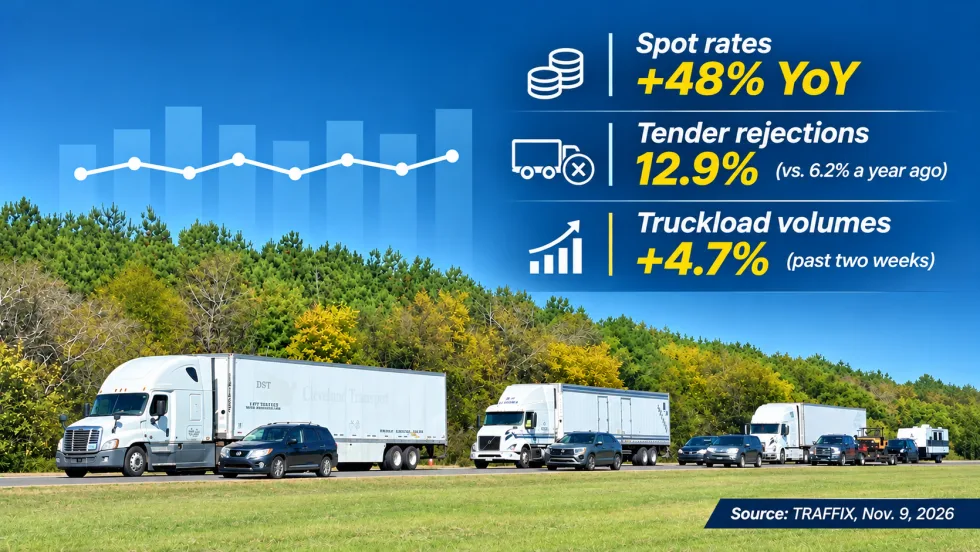
Holiday Freight Meets a Tight Trucking Market
There's no freight boom, but truckload carriers are finding themselves in a stronger position to negotiate rates. And holiday shipping demand could tighten the market further.
Read More →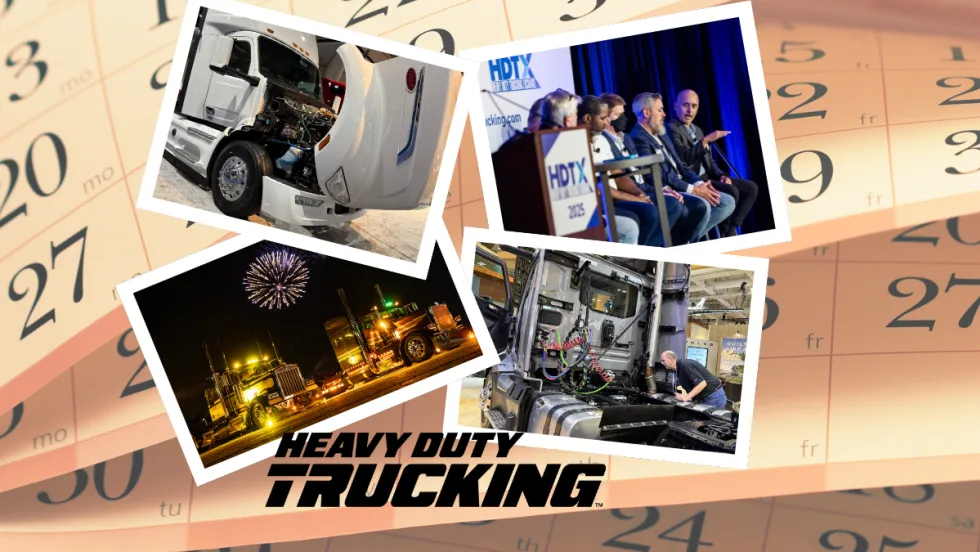
What Trucking Events are Happening in 2027?
Looking for trucking-related conventions, expos, and other events? Heavy Duty Trucking has developed this list of national and larger regional trucking shows and events.
Read More →
Does Your Trucking Fleet Need a New TMS?
Artificial intelligence and better integrations promise less busywork and more useful data. Can your TMS help your company solve problems? Do you need additional vendors or an upgrade? Or is it time to look for a new platform?
Read More →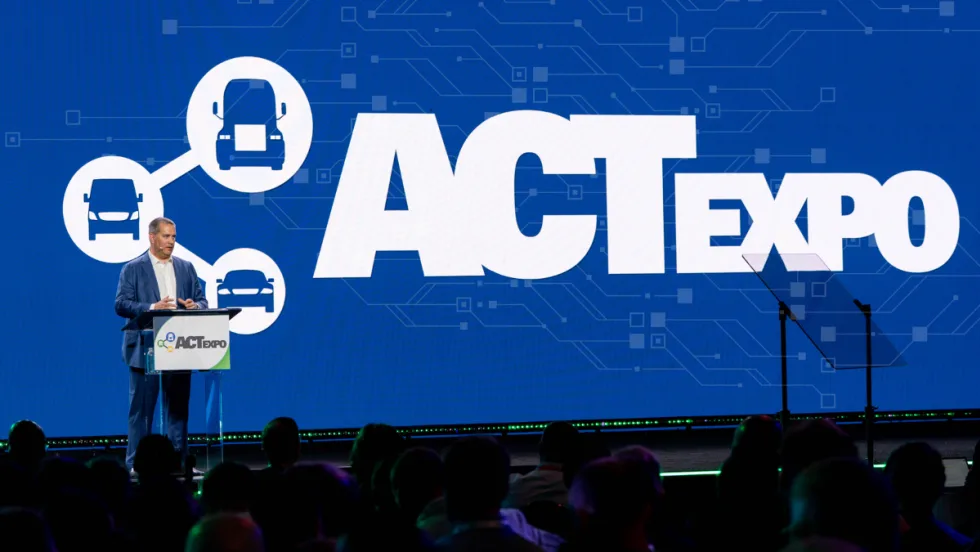
Fleet Costs Shape ACT Expo 2027 Agenda
With diesel prices high and operating expenses under pressure, ACT Expo's 2027 agenda emphasizes fuel efficiency, AI, safety and the return on fleet technology investments.
Read More →
Does Your Trucking Fleet Need a New TMS? [Video]
Cloud technology, AI and new integrations are changing what transportation management systems can do. But does taking advantage of those advances mean replacing your existing TMS?
Read More →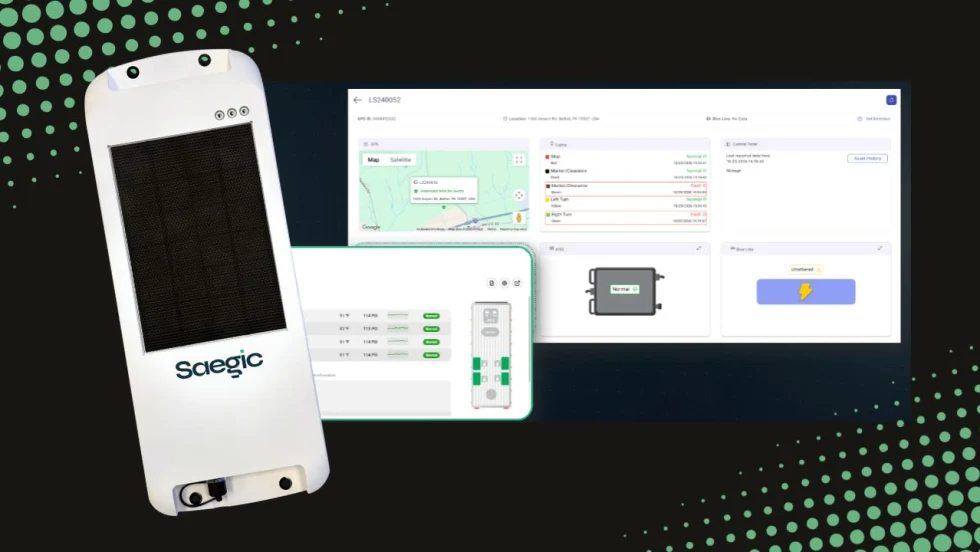
Road Ready Becomes Saegic, Launches New Trailer Telematics Gateway
Clarience Technologies is rolling out new hardware and expanding its plans for connecting trailer telematics, maintenance data, and video.
Read More →
Give Your Trucking Fleet a Cybersecurity Walkaround
Your fleet's cybersecurity policies may look good on paper. These seven checks can help you find out whether they’re working.
Read More →
Kodiak Lines Up Fleets for Driverless Trucking
An agreement for 75 trucks, a new Texas freight lane, and progress on safety validation move Kodiak closer to its planned driverless highway launch.
Read More →
ITS Logistics Settles Religious Harassment Case
The Nevada-based logistics firm agreed to pay more than $396,000 to settle a religious harassment charge involving an employee's Jewish identity.
Read More →
Your Trucks Are Busy. That Doesn’t Mean They’re Winning.
High utilization doesn’t always mean strong margins. Looking beyond the current load can help fleets make better dispatch decisions and get more value from each truck’s time.
Read More →