




More insight from FTR: COVID-19 Still Brings Uncertainty to 2021 Trucking Outlook
New Entries in Trucking Surged in 2020
The number of new for-hire trucking companies getting authority soared in 2020, even as the pandemic hit some existing carriers hard.
by Avery Vise, FTR
February 9, 2021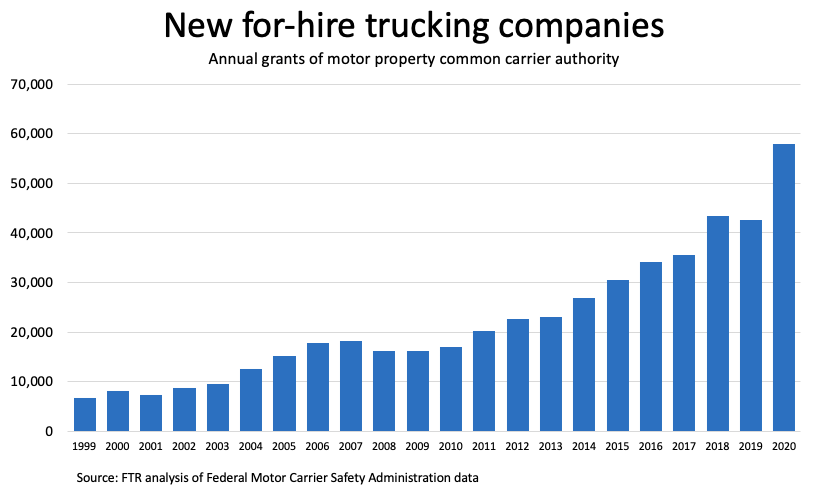
The number of new trucking companies in 2020 was unprecedented.
Graph: FTR
2 min to read
As freight volumes have risen over time, the U.S. also has seen a steady increase in the number of new for-hire trucking companies authorized each year. Over the past 20 years, the upward trend has paused only a couple of times – during the Great Recession, and in 2019 as the hot 2017/2018 market gave way to falling spot rates just as truck insurance premiums were rising sharply.
Although the industry has seen some remarkable year-over-year increases in new entry – 2004 and 2018, for example – nothing compares to what we saw in 2020. The Federal Motor Carrier Safety Administration granted common authority to nearly 58,000 motor carriers of property, a 36% increase over 2019. Nor was 2019 a weak year for new authority, as it just barely fell below the previous record year of 2018.
The 2020 surge in new authority was concentrated in the second half of the year. Each month from July through December saw more new carriers authorized than any month prior to that period. Clearly, the pandemic’s consequences sparked new entry. The most obvious impetus was the surge in spot market volumes and rates that began in June as the goods economy rebounded from the spring contraction.
Accompanying this “pull” factor was a big “push” factor – furloughs and sharply reduced miles and driver pay stemming from the contraction itself. Many trucking companies diverted freight from leased owner-operators to company drivers to keep utilization as high as possible. Suddenly, many displaced leased operators and company drivers were looking for a way to earn more money, and the spot market offered that opportunity. However, to post trucks in the spot market or accept a load from an intermediary, you need operating authority.
These pandemic-related factors surely accelerated a couple of trends – one legal and one technological – that were already encouraging new entry. The ongoing challenges to the leased owner-operator model such as California’s AB 5 legislation no doubt have nudged many trucking companies into shifting their non-asset capacity from leased operators to small carriers that they retain on a load-by-load basis through logistics units.
Meanwhile, advances in digital platforms have made it easier for brokers and third-party logistics providers to manage their small carrier partners’ capacity more effectively as they compete with asset-based carriers for shippers’ business. This trend arguably provides many small carriers a buffer against swings in spot market conditions by giving them the ability to participate – indirectly, at least – in the contract market. The coming year or so might tell us how close that theory is to reality.
Avery Vise is vice president of trucking for FTR Transportation Intelligence.
More Fleet Management
Why This Trucking Recovery Is Different
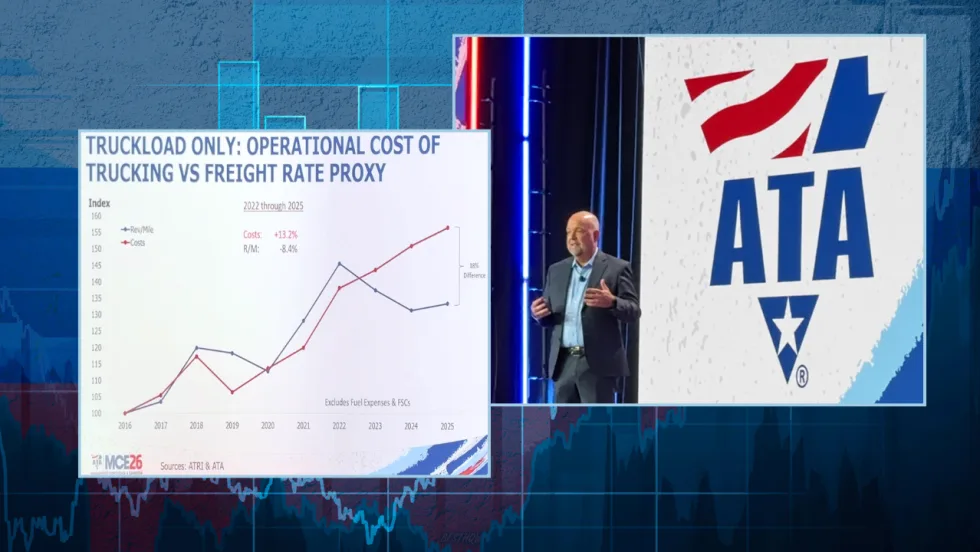
Freight demand remains sluggish, but rising costs and tougher enforcement have taken enough capacity out of the market to change the outlook for motor carriers.
Read More →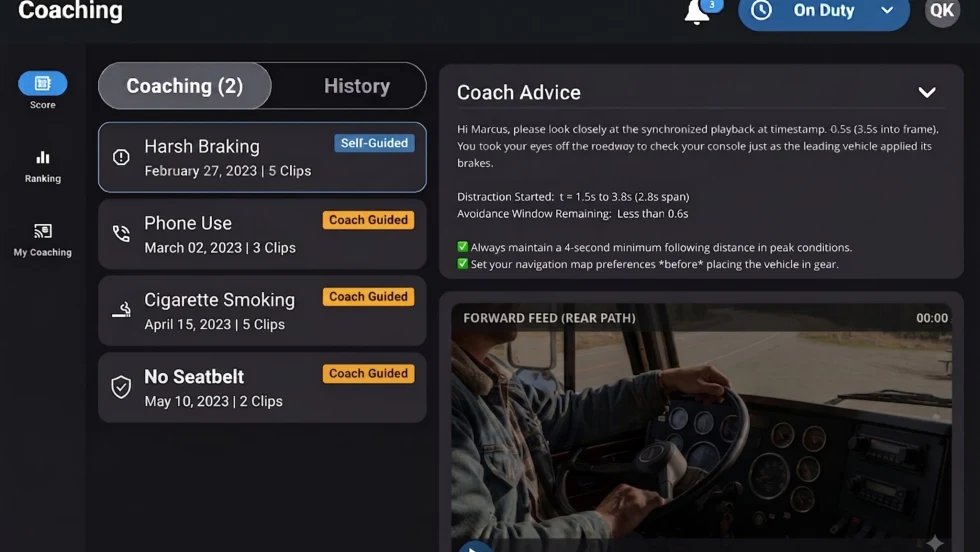
Platform Science Adds Dispatch and Safety Tools
Four additions to PS Fleet help fleets monitor loads, manage driver coaching, share truck locations and adjust video system settings.
Read More →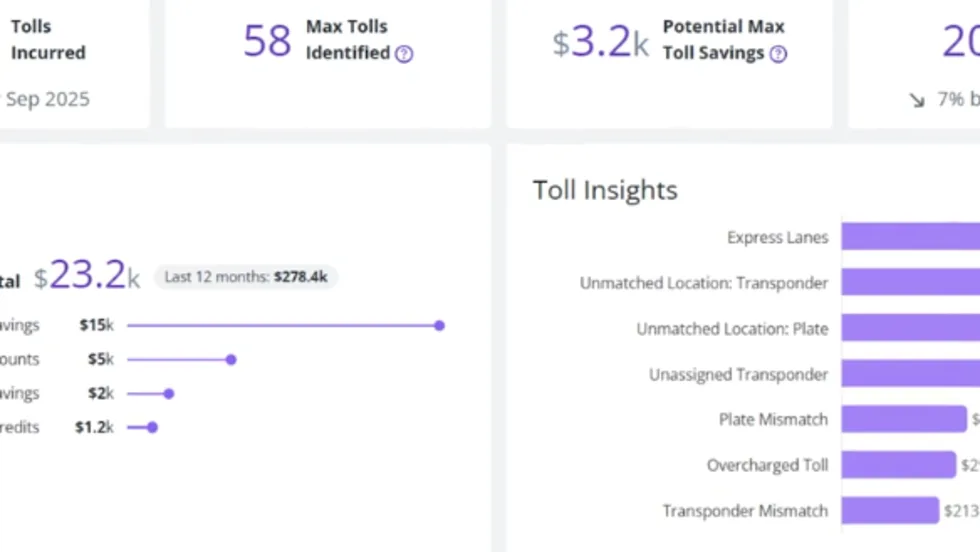
PrePass Intelligence Mines Fleet Bypass, Toll and Safety Data
PrePass Intelligence helps fleets measure bypass savings, flag potential toll overcharges, and spot suspicious transactions by combining data from separate systems.
Read More →
Motive Adds AI Agents for Fleet Operations
New tools automate follow-up on fleet data, from maintenance work orders to driver alerts, with two-way voice conversations planned for later this year.
Read More →
Can You Beat Our Trucking Trivia Challenge?
Test your truck knowledge with 19 trivia questions from Heavy Duty Trucking Exchange. Can you keep up with the fleet pros?
Read More →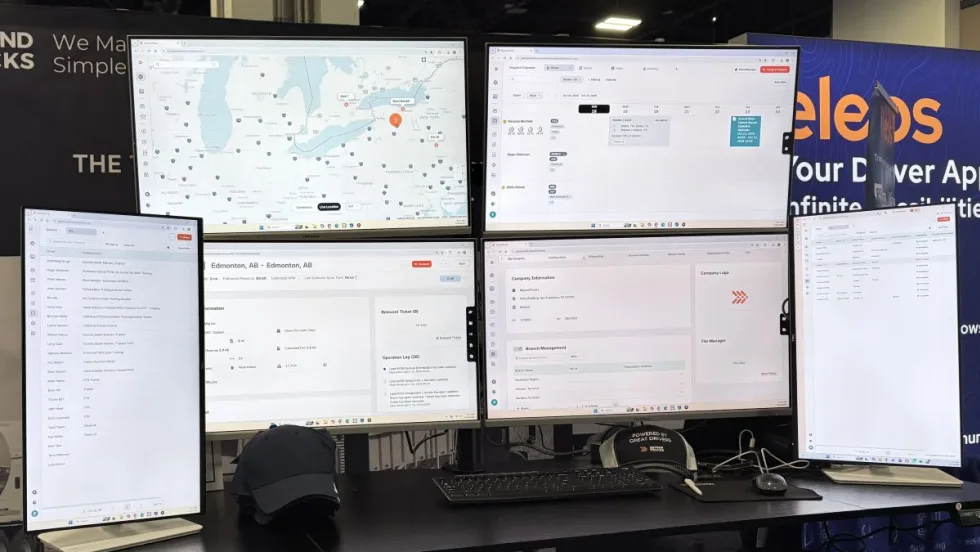
BeyondTrucks Adds Rules Checks to Dispatch
New Compatibility Engine checks driver qualifications, equipment requirements and fleet policies before loads are dispatched.
Read More →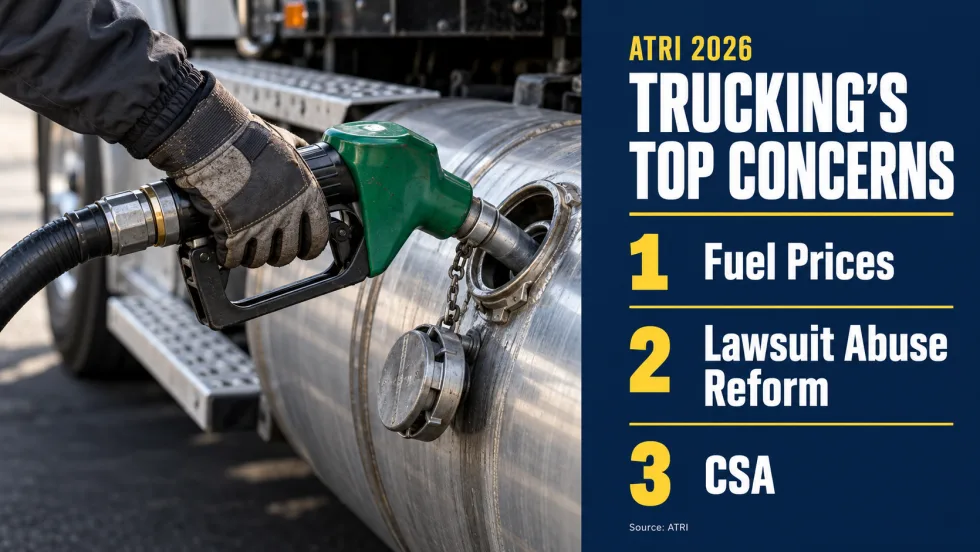
Diesel Prices Hijack Trucking’s Worry List
ATRI’s annual survey finds cautious optimism about freight, but diesel costs, litigation, and insurance continue to squeeze fleets. Drivers have different priorities on several issues.
Read More →
Nomination Deadline Extended for HDT Emerging Leaders
Just a few more days to nominate accomplished trucking fleet professionals under 40 who are making an impact and helping lead the industry forward for the HDT Emerging Leaders award. Deadline extended to October 20!
Read More →
What Will ATA’s New Leader Bring to Trucking's Table?
Incoming President and CEO Mark Colson’s record in Alabama offers clues about his priorities and approach following Chris Spear’s abrupt departure as the head of the American Trucking Associations.
Read More →
Volvo, Waabi Start Commercial Autonomous Operations in Texas
Volvo VNL Autonomous trucks, powered by the Waabi Driver, are hauling freight directly to third-party facilities for a customer in Texas.
Read More →