





Related: Truck Driver in Minnesota Protest Incident Charged Months Later
Carrier Admits to Falsifying Fatal Crash Records
The owner of a Woonsocket, Rhode Island, commercial trucking company recently admitted to altering thousands of ELD entries to hide the actual drive time and “on-duty” status of his drivers.
October 29, 2020

Photo: Sora Shimazaki via Pexels
1 min to read
The owner of Sisic Transport Service, a Woonsocket, Rhode Island, commercial trucking company, recently admitted to a federal court judge that he altered thousands of electronic entries in service logbooks for approximately 20 drivers in order to hide the actual drive time and “on-duty” status of his drivers.
Damir Sisic, 29, would routinely alter data collected by electronic logging devices, and also provided altered driving records to a state trooper investigating the fatal crash that took the life of an STS driver while working for the company in Oklahoma in April 2018. Sisic also provided altered driving records for a number of STS drivers to an FMCSA investigator during a compliance review.
Sisic owned around 11 tractors and 10 trailers, and employed between seven and 10 drivers. He would access and alter data from ELDs on thousands of occasions and routinely conceal that his drivers would often exceed the maximum number of driving hours and “on-duty” hours without the required off-duty hours, in violation of hours of service regulations.
Sisic pleaded guilty in U.S. District Court in Providence to conspiracy to falsify records and is scheduled to be sentenced by in January 2021.
More Safety & Compliance

$604 Million Verdict Tests Broker Liability After Supreme Court Ruling
C.H. Robinson plans to appeal after a Texas jury found it bore the largest share of responsibility for a fatal 2021 crash, in a case that follows the Supreme Court's Montgomery decision allowing negligent hiring claims against freight brokers.
Read More →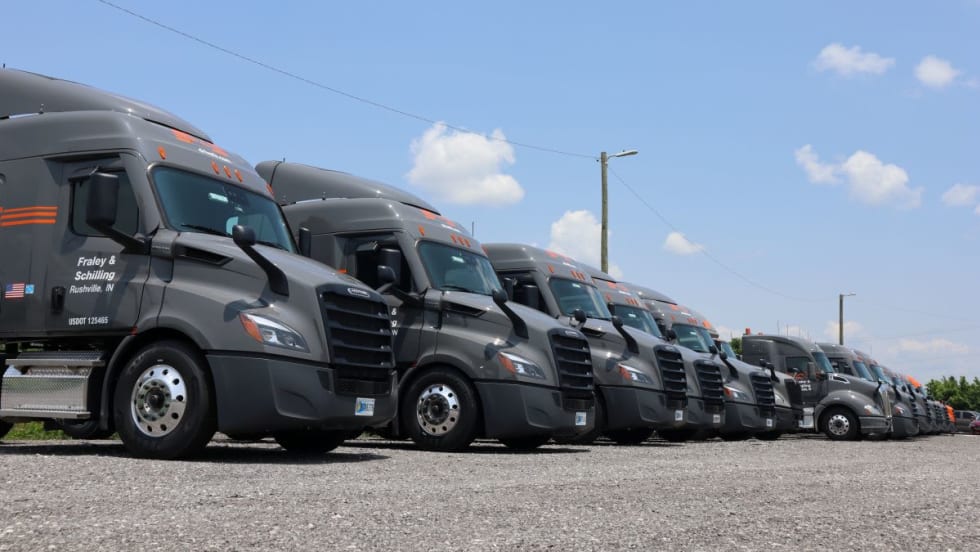
How Fraley & Schilling Improved Logbook Compliance by Over 50%
Fraley & Schilling needed a way to close a compliance workflow gap in its ELD system without adding more work from driver training, reminders, and back-office follow-ups. It found the answer in a custom driver app.
Read More →
Farewell, CDL: Why I'm Giving Up My Commercial Driver's License
After more than 20 years as a CDL holder, HDT Executive Editor Jack Roberts is letting his commercial license expire. Not because he wants to — but because trucking's nuclear verdict crisis has made the risks of public-road test drives too great for editors, manufacturers, and everyone involved.
Read More →
Sponsored•July 1, 2026
Enhance Fleet Performance with High-Efficiency Auxiliary Power Units
Drive sustainable cost savings while increasing driver comfort during short- and long-haul logistics operations.
Read More →
Wabash Trailers Recalled for Improperly Installed Underride Guards
More than 900 Wabash dry van trailers may not comply with the Federal Motor Vehicle Safety Standard for rear impact guards.
Read More →
Why K&B Trucking Is Embracing AI and Driver Safety Technology
Crunching data and embracing artificial intelligence are key in K&B Trucking's safety efforts, says the company's safety director.
Read More →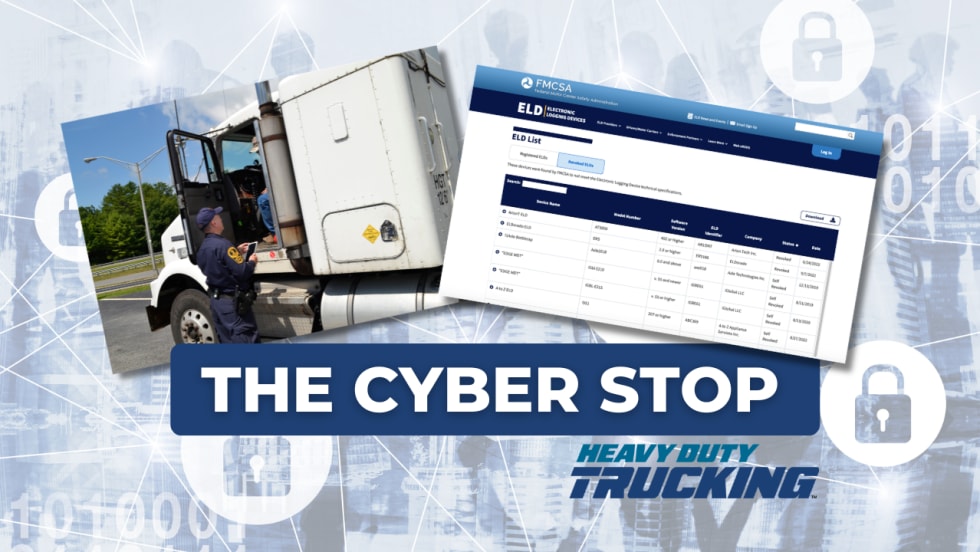
The Hidden Problem Behind FMCSA's ELD Revocations
NMFTA researchers say dozens of registered ELDs may be built on the same software platforms, allowing compliance and security concerns to persist even after individual devices are removed from the market.
Read More →
ATRI Wants Motor Carriers for Driver-Facing Camera Study
In this new study, the American Transportation Research Institute will explore how driver-facing cameras can impact safety and operational metrics in trucking fleets.
Read More →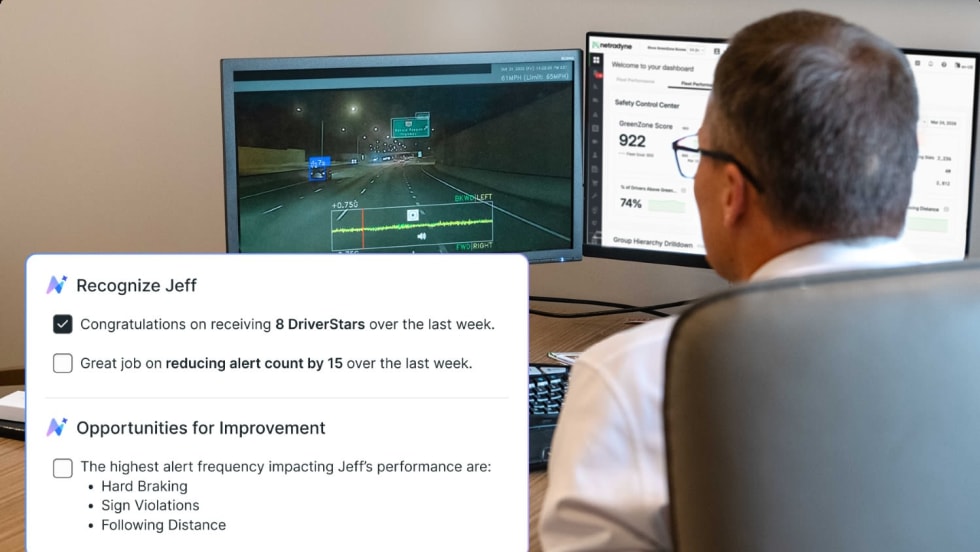
Netradyne Intelligence Uses New AI Agents to Automate Response to In-Cab Camera Data
The company called the next-generation in-cab camera safety platform "a fundamental shift from systems that report on what happened to systems that actively drive what should happen next."
Read More →Mack, Volvo Issue ‘Do Not Drive’ Recall on Possible Wheel-Offs
Owners will be sent advance notice not to operate their affected vehicles until the remedy is performed.
Read More →