




Related: Spring Into Summer Maintenance
Kingpin Inspection and Maintenance Recommendations
Trailer upper coupler or bolster plate and kingpin inspection and maintenance is just as important as the inspection and maintenance of the fifth wheel.
by Rob Nissen, director of field service, SAF-Holland
August 31, 2020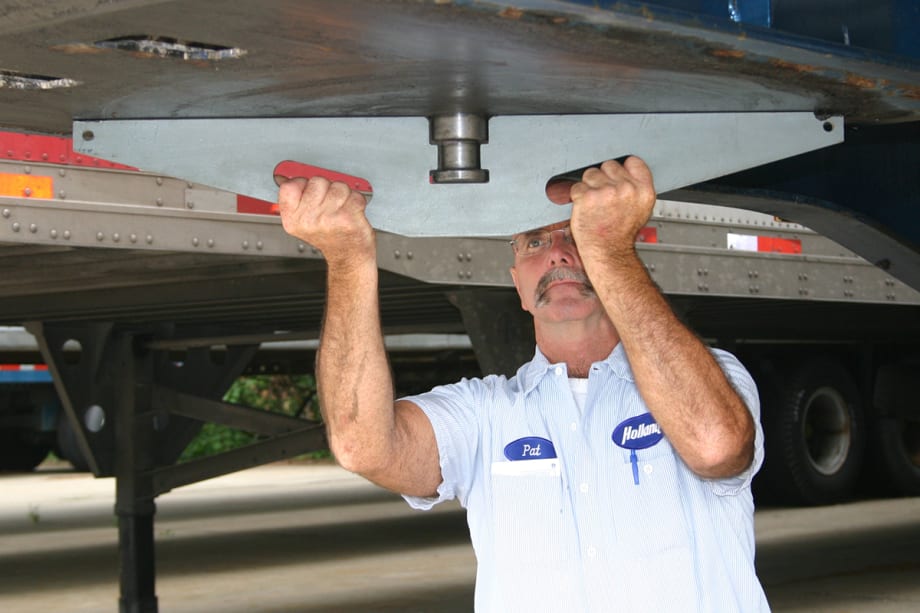
Kingpin inspections/maintenance should be conducted every three months or 30,000 miles.
Photo: SAF-Holland
3 min to read
Trailer upper coupler or bolster plate and kingpin inspection and maintenance is just as important as the inspection and maintenance of the fifth wheel. The following procedures are based upon recommendations outlined in SAE J2228.
To assure proper and safe kingpin/fifth wheel coupling, kingpin inspection and maintenance should be conducted every three months or 30,000 miles.
1. Using a 48-inch straight edge or a large metal right angle square, check the upper coupler plate flatness in all directions as shown in Figure 1. Any bumps, valleys, or warping will cause uneven loading of the fifth wheel, which could result in damage to the top plate and reduce lock life. If flatness exceeds the specifications as shown in Figure 2, replace the trailer upper coupler plate.
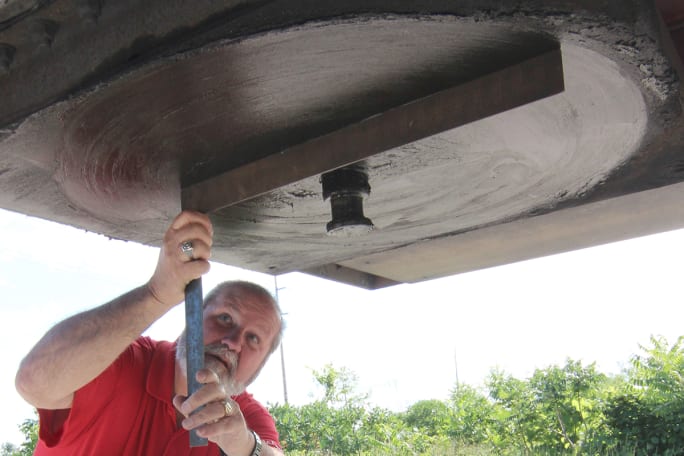
Figure 1
Photo: SAF-Holland
2. Using a square or Holland Kingpin Gage (TF-0110), check to see if the kingpin is bent. A bent kingpin can result from excessive coupling speed or impacting the trailer into a dock. A bent kingpin accelerates lock wear and may interfere with proper fifth wheel locking. This also may indicate damage. If the kingpin exceeds 1° from square in any direction as shown in Figure 2, replace it.
In addition to being bent, the kingpin may be pulled down in the center, deforming the bolster plate as shown in Figure 2. If this condition exists, replace the kingpin.
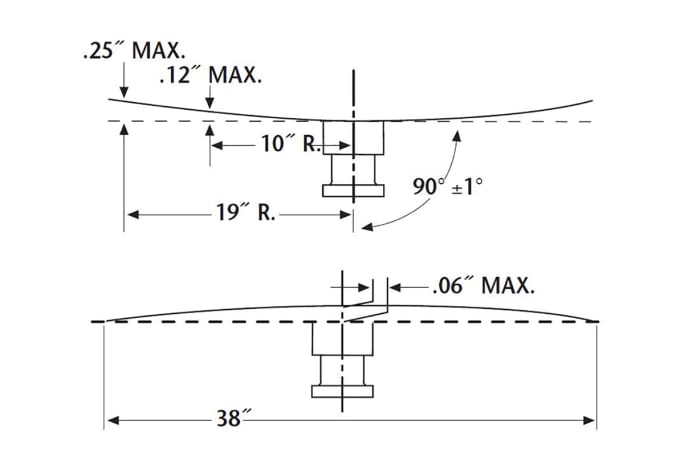
Figure 2
Source: SAF-Holland
3. The kingpin must be the proper length to couple properly with a fifth wheel. Using a Holland Kingpin Gage, check the length of the kingpin for proper length as shown in Figure 3. A long kingpin will result in excessive wear in the locks and coupling difficulty. A short kingpin will accelerate lock wear and may interfere with fifth wheel coupling. If either condition exists, replace the kingpin.
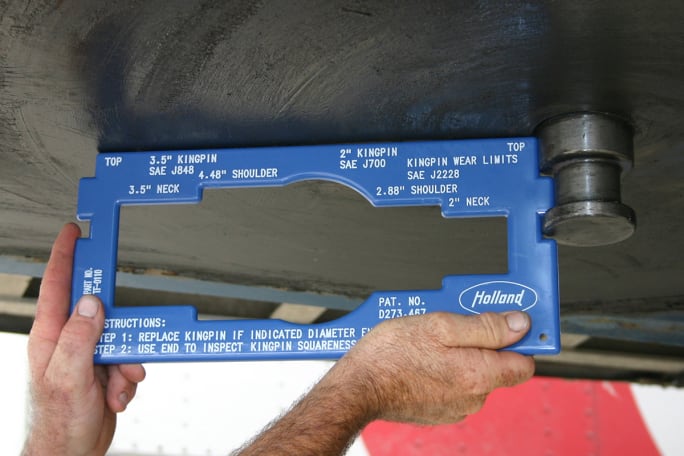
Figure 3
Photo: SAF-Holland
If an add-on aftermarket lube plate is used in your operation, make sure to check the kingpin length. The kingpin must be sized to compensate for the thickness of the lube plate. Otherwise, the kingpin will be too short. If the kingpin length is improper, the kingpin should be replaced.
4. Check the kingpin for wear as shown in Figure 4. If the kingpin is worn 1/8 inch (.125 inch) or more on either the 2-inch or 2-7/8-inch (2.875 inch) diameter in either direction, replace the kingpin. If using a Holland Kingpin Gage, wear is indicated if the appropriate diameter enters the gage slot. If the gage slides into the gage slot, replace the kingpin.
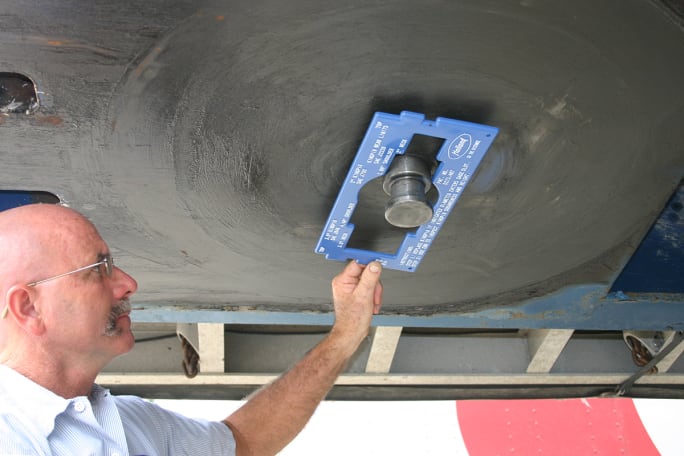
Figure 4
Photo: SAF-Holland
5. Inspect the kingpin mounting for a secure connection to the upper coupler. A loose kingpin mounting will cause excessive chucking and rapid lock wear. Reinstall or replace any kingpin that is not securely mounted.
6. Inspect the kingpin for any nicks, gouges, deformation, or cracks, which may interfere or affect the safe use of the kingpin. If any damage is present, replace the kingpin.
7. Kingpins are made from quenched and tempered alloy steel. Weld repairs of any type will affect the strength and wear resistance of the kingpin. Additionally, arc strikes or weld craters could develop a stress riser, leading to a fatigue failure. For these reasons, SAF-Holland warns against any weld repairs. If any deficiencies are noted during kingpin inspection, replace the kingpin (see Figure 5).
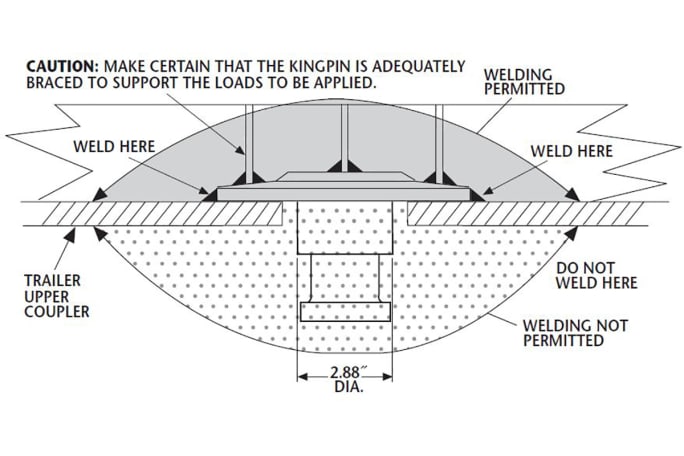
Figure 5
Source: SAF-Holland
8. If kingpin replacement is required, a replacement kingpin should be selected which is similar to the type removed, or if a different style, one which can be adequately braced. The kingpin must also be matched to the thickness of the upper coupler to maintain the SAE dimensions. Kingpins are manufactured in different lengths to match the thickness of the upper coupler. Improper selection will result in a kingpin that is too long or too short as indicated in Figure 6.
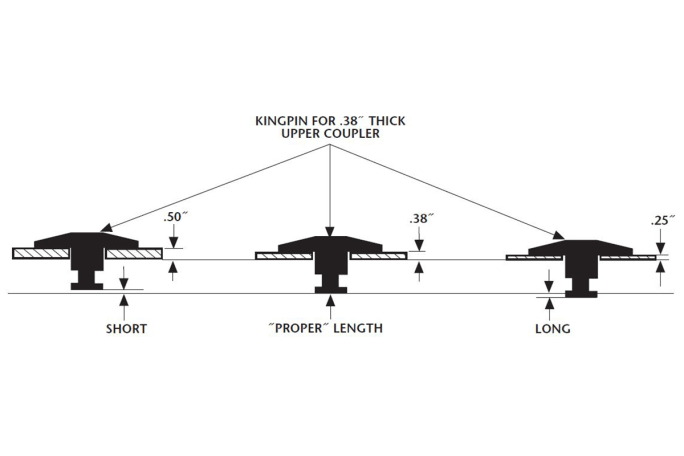
Figure 6
Source: SAF-Holland
NOTE: The above steps are recommended by SAF-Holland for proper inspection and maintenance of kingpins. Follow your specific kingpin manufacturer’s instructions for maintenance and replacement procedures.
This article was authored and edited according to HDT editorial standards and style to provide useful information to our readers.
Subscribe to Our Newsletter
More Maintenance
Oil Crisis Squeezes Trucking Lubricant Supplies
Fleets report higher lubricant costs as Middle East disruptions tighten supplies of ingredients used in synthetic engine oils and some driveline lubricants.
Read More →
Shell Prepares Rotella Oils for 2027
New CL-4 and FB-4 formulations will begin arriving in early 2027, with improved protection against oil breakdown, wear and deposits, according to Shell.
Read More →
Mack Expands Extended Coverage With Four Chassis System Plans
Mack Trucks' new system-specific coverage options allow heavy-duty fleets to select protection for driveline, cab, HVAC, electronics, and advanced safety components.
Read More →
What an Out-of-Service Order Really Costs, and How to Plan for One
The repair invoice is the first number you see — and often one of the smallest. Here’s what else an out-of-service order can cost a fleet, and how planning can reduce the damage.
Read More →
International Launches Online Truck Parts Store
Fleetrite.com lets fleets and repair shops find OEM and all-makes parts, check prices and availability, and order without calling a parts counter.
Read More →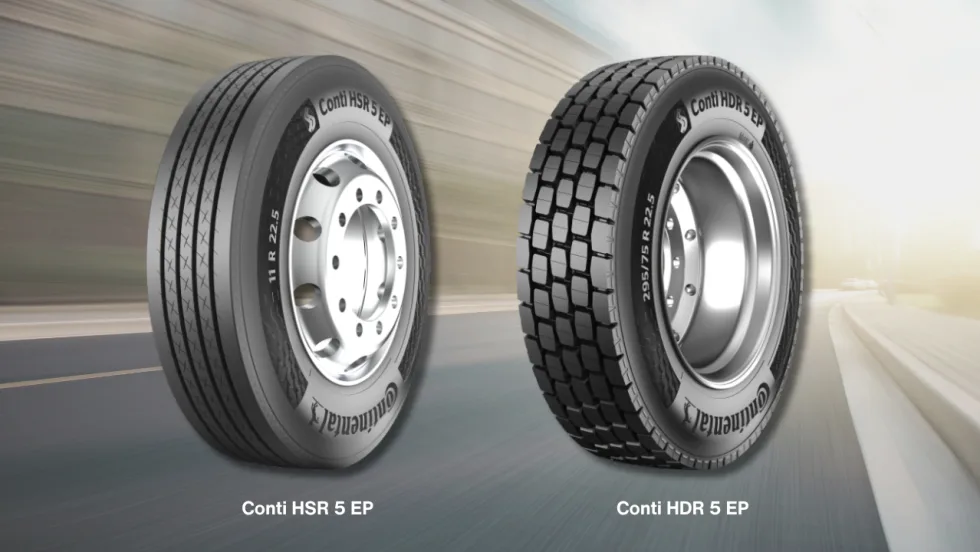
Continental Introduces New Regional Truck Tires
Continental says its new Generation 5 steer and drive tires for regional operations offer longer tread life, with estimated mileage gains of 22% and 19%, respectively.
Read More →
Sponsored•October 1, 2026
How AI Can Help Your Techs’ Efficiency
The technician shortage isn't going away, and no single fix can close the gap on its own. Trent Broberg makes the case that AI's real job in the shop is protecting the billable hours and job satisfaction of the techs you already have, not asking them to work faster.
Read More →
Color Match Smarter: Tools That Restore & Perform
For fleet managers and collision repair professionals keeping heavy-duty trucks on the road, getting the color right the first time isn't just about appearance — it's about efficiency, turnaround time, and bottom-line results. Discover how today's digital color tools are transforming the repair process from guesswork to precision.
Read More →
Wrong Repair Prompts Recall of Freightliner, Western Star 4x2 Trucks
DTNA is recalling more than 2,400 trucks that received an incompatible software fix instead of the hardware repair required to address brake valve corrosion.
Read More →
Truck Drivers Need More Than Another Alert
Fleets have more visibility into truck health, safety events, and driver activity than ever. The next challenge is turning all that information into useful guidance for the person who has to decide what to do next.
Read More →