


 MENU
MENU SEARCHMENUSEARCH
Loading data...
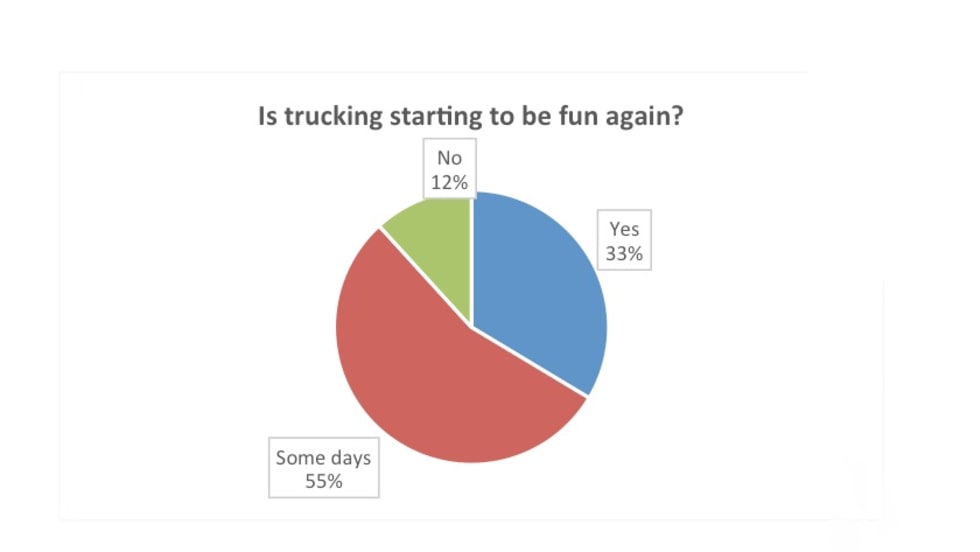
A recent survey from Transport Capital Partners took a simple approach to assessing respondents’ industry outlook by simply asking: Is trucking starting to be fun again?
Read More →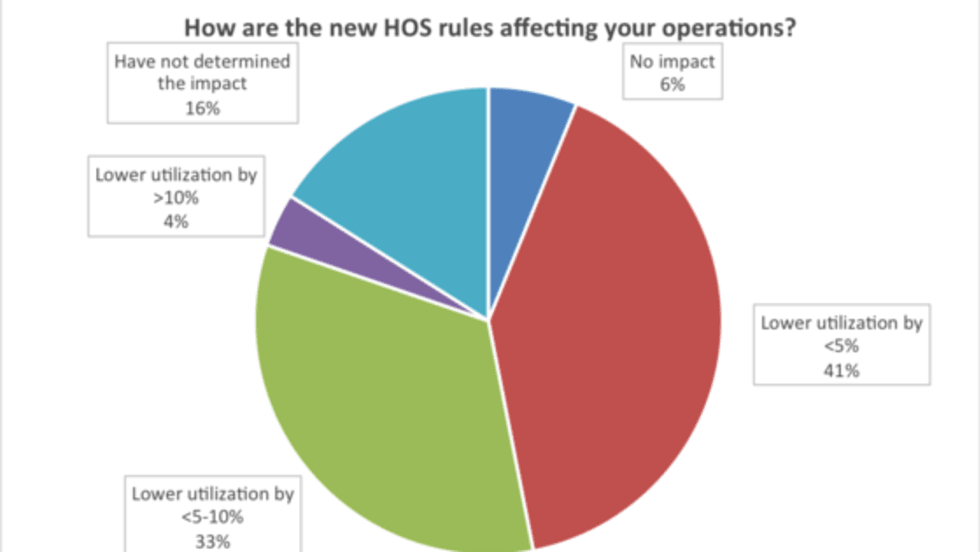
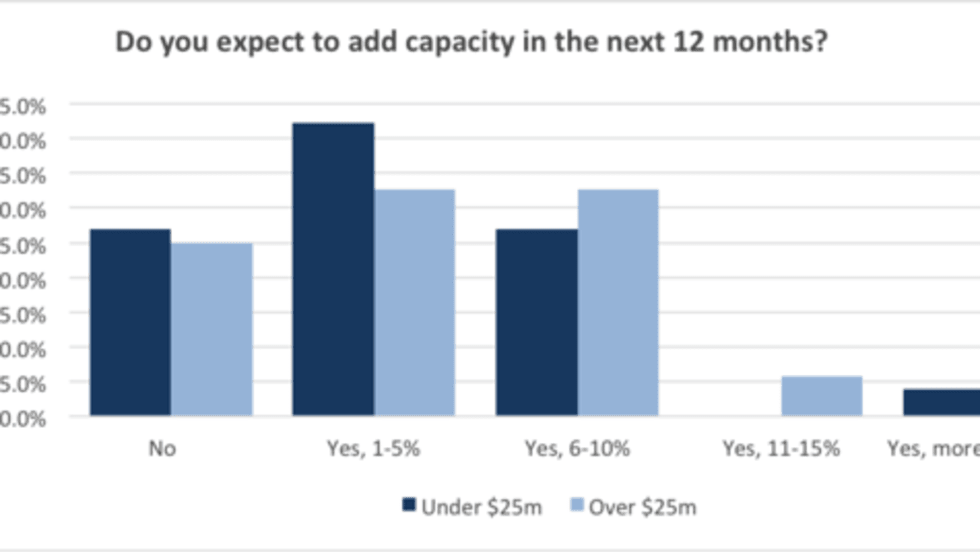
Transport Capital Partners fourth-quarter survey results show new hours-of-service impacting productivity, carriers expecting wages to climb, and more entry-level drivers to be sought by fleets.
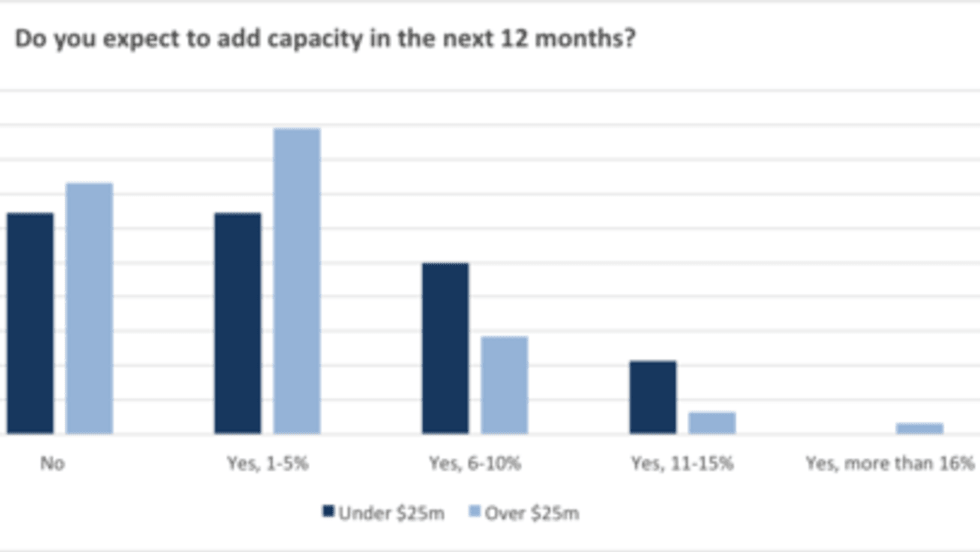
Read More →The fourth-quarter Transport Capital Partners survey finds a large majority of carriers expecting to grow capacity, and many moving to replace their aging vehicles.
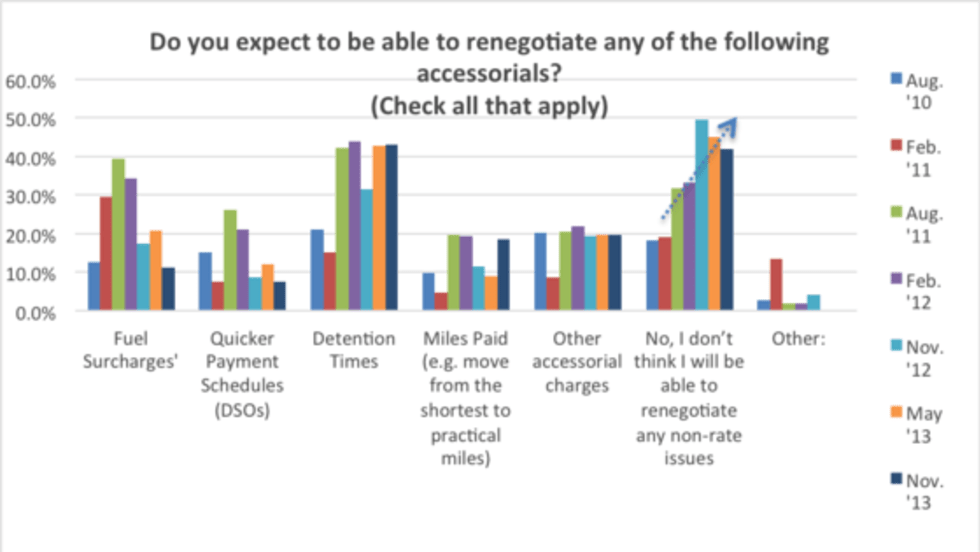
Read More →Transport Capital Partners’ fourth-quarter industry survey sees more carriers getting adequate rates of return, but tight credit and static accessorials as continuing issues of concern.
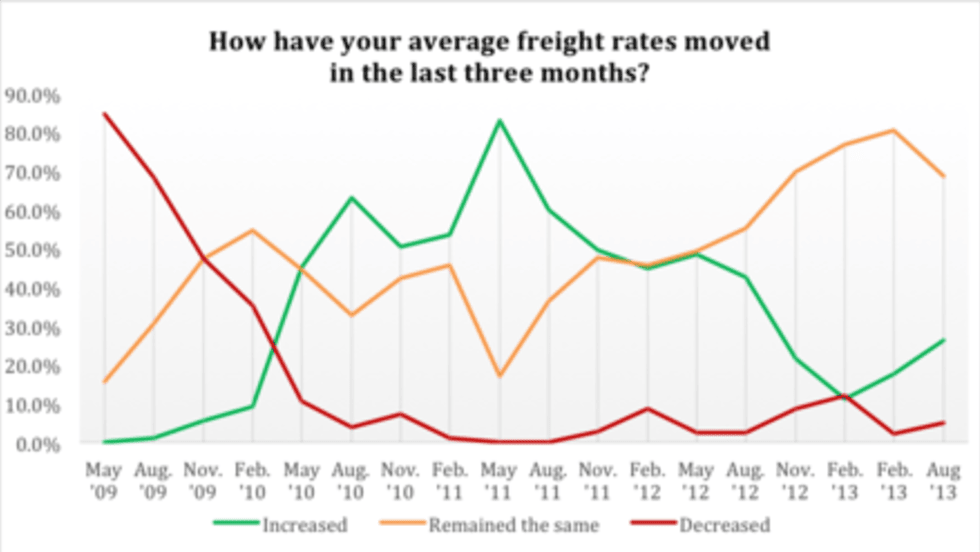
Read More →The fourth-quarter Transport Capital Partners survey suggests the slow, but upward growth of the economy is moving the freight market to a higher level.
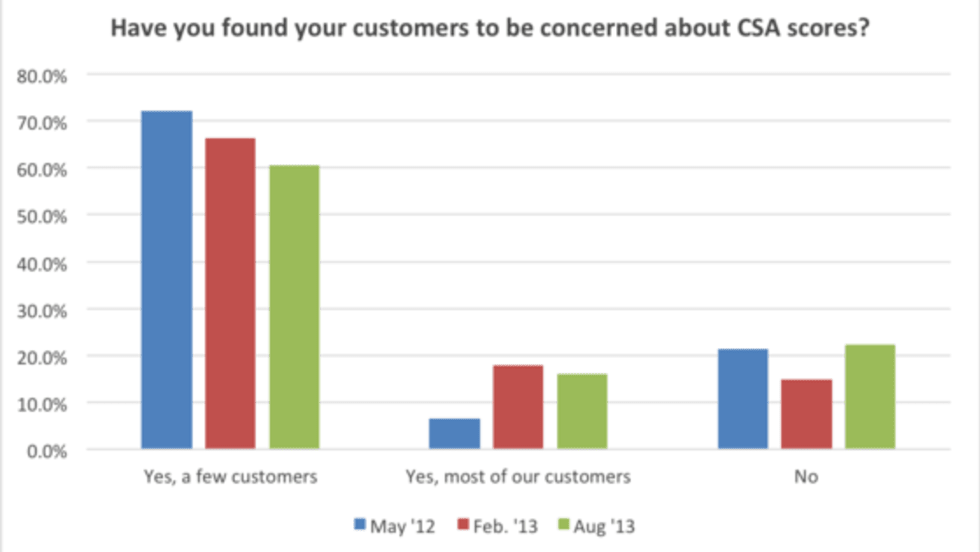
Read More →In the third quarter Transport Capital Partners' trucking industry survey, shippers are still largely unconcerned by carrier CSA scores, the use of e-logs continues to grow, and truck speeds are controlled.
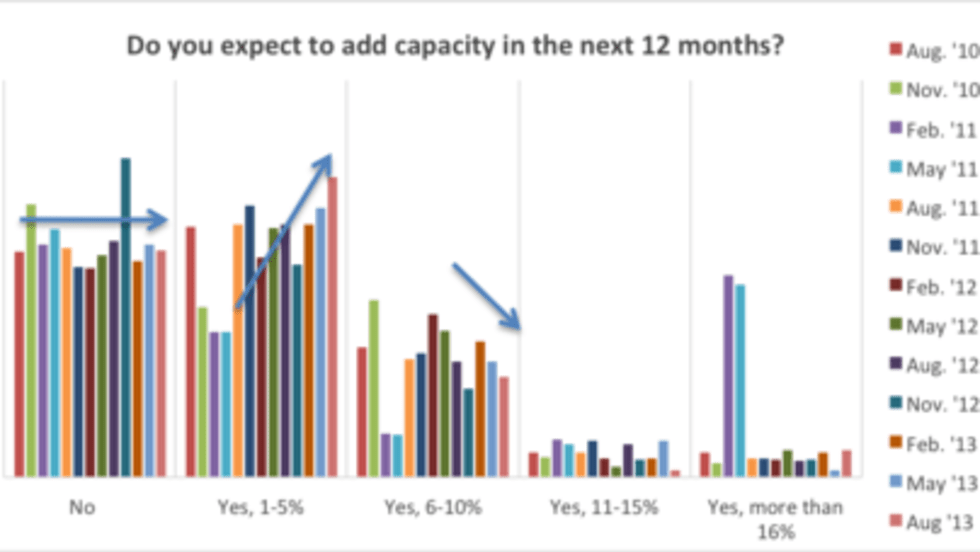
Read More →Modest optimism regarding rates and volumes, and a rising number of unseated trucks, continues to influence whether carriers will add capacity.
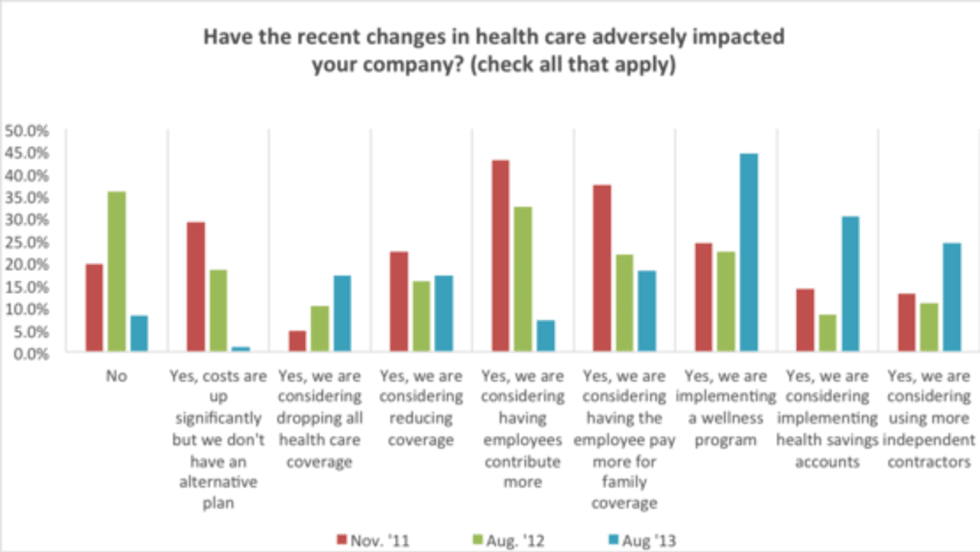
Read More →Carriers are gradually coming to terms with the effects of the new health care law, and what they must do to comply, according to the Transport Capital Partners Third Quarter Survey.
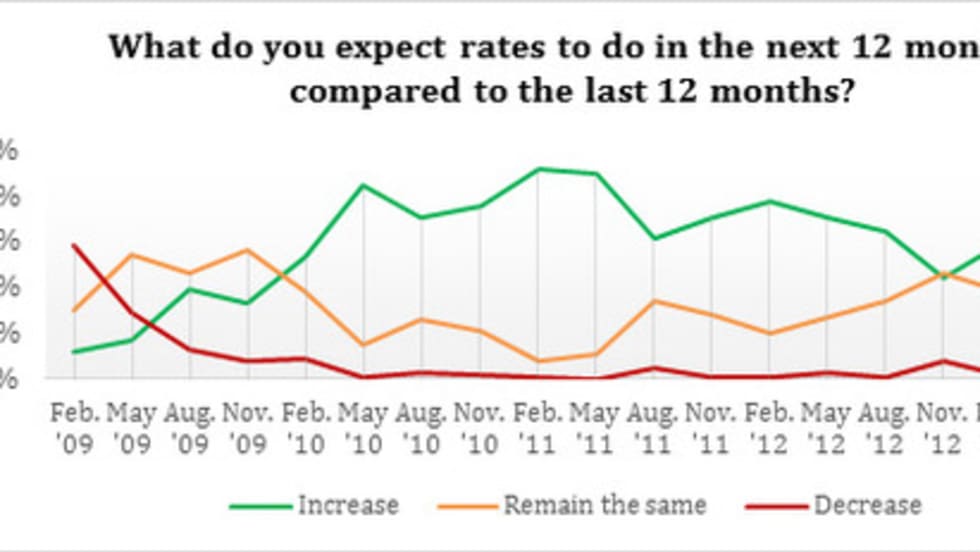
Read More →The third-quarter Transport Capital Partners survey reveals more carriers expecting to see volumes and rates grow over the coming months. In this quarter’s survey, more carriers are expressing optimism for increases in volumes and rates. Slow, steady growth in the economy has led the freight market into positive territory. And carriers are sharing their expectations for improved results.
Read More →In the second-quarter survey, 65% of carriers indicated they plan to increase capacity. This presents no notable change from first-quarter 2013 and second-quarter 2012 percentages.
Read More →